
Reviewed · MARDI HIMAL TREKS
Pokhara: Majestic Mardi Base Camp Guided Trek with HotSpring
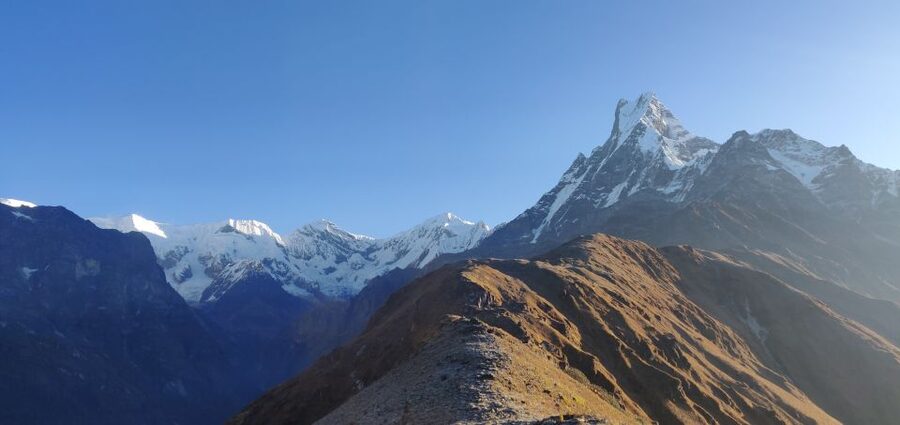
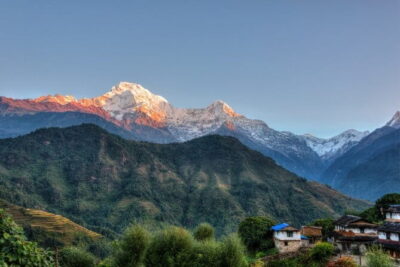
Mountain views arrive early on Mardi Himal. This five-day trek from Pokhara combines rhododendron forests and high ridgelines with broad views of Machapuchare, Annapurna South, and Hiunchuli. I especially like the private-group format and the final soak at Jhinu Natural Hot Spring, a welcome reward after several days on foot.
I also like how much is bundled into the $183 price: hotel pickup, a licensed guide, permits, trekking gear, accommodation, and transportation. Guides including Santosh, Prakash, and Jeet have earned praise for their care, quick problem-solving, and local connections. The main caution is physical effort. The route includes steep climbs, a pre-dawn hike to about 4,300 meters, and a long descent, while porters, drinks, insurance, and some personal costs are extra.
In This Review
- Key points to know before you book
- Why this five-day route works so well
- Day 1: Pokhara to Forest Camp through Kande
- Day 2: Forest Camp to High Camp at 4,000 meters
- Day 3: The 4,300-meter viewpoint and the long descent
- Day 4: Forest descent to Jhinu Natural Hot Spring
- Day 5: Jhinu Village, Samrung, and the return to Pokhara
- What the $183 price really covers
- Guides, support, and the private-group advantage
- What to pack for changing mountain weather
- Who should choose this Mardi Himal trip?
- FAQ
- How long is the Mardi Himal trek?
- What is the highest point reached?
- Is hotel pickup included?
- Are meals included?
- Is a porter included?
- What languages does the guide speak?
- Is the natural hot spring included in the route?
- Should you book it?
Key points to know before you book
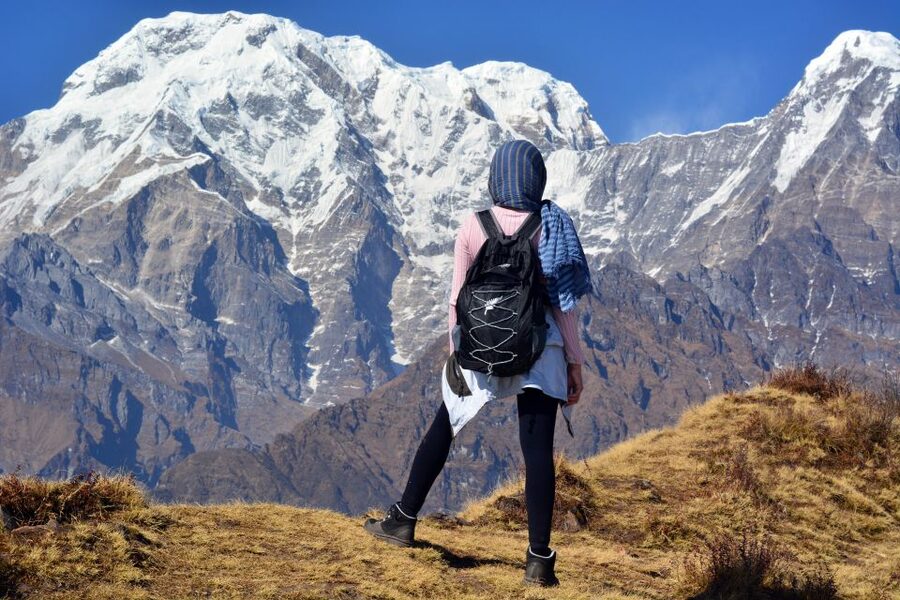
- The 4,300-meter viewpoint is the morning reward: You rise around 4:00 am on Day 3 for the best chance at clear views of Fishtail and the Annapurna range.
- Forest Camp to High Camp is the demanding heart of the trek: Expect about five hours of uphill walking through dense forest before reaching 4,000 meters.
- Jhinu adds more than a routine finish: You cross the Modi River and soak in a natural hot spring beside the river before spending the night in the village.
- The private setup gives you useful flexibility: Pickup covers Lakeside, Pokhara Airport, and the wider Pokhara Valley, and a porter can be arranged for an added fee.
- The package includes practical trekking equipment: Trekking poles, a sleeping bag, and a duffle bag are provided, which can reduce the amount of gear you need to bring.
- This is a tea-house trek, not a luxury lodge trip: Accommodation offers basic comforts and local meals, with dal bhat as a reliable source of fuel.
Why this five-day route works so well
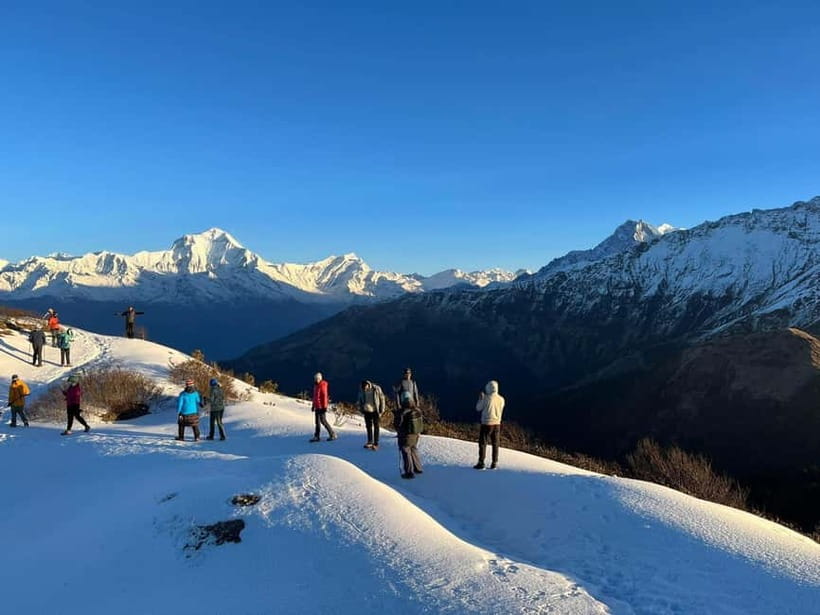
Mardi Himal is a good choice if you want a short Himalayan trek with real altitude and big views, but you do not have time for a longer route. The scenery changes quickly. You begin near Pokhara, walk through forest, reach open alpine ground, and then descend toward a river valley and hot spring.
The route also has a quieter feel than Nepal’s best-known trekking corridors. The forest sections provide shade and birdlife, while the higher trail opens to views of Mount Fishtail and the Annapurna range. You get variety without spending two weeks on the trail.
The tradeoff is that the five-day schedule is compact. The route gains height quickly, especially between Forest Camp and High Camp. You should arrive ready for sustained uphill walking, not treat this as a gentle sightseeing walk.
The operator uses private groups, with an English or Hindi-speaking guide. That matters on a short trek because the guide can adjust the pace more easily than a large group leader. Previous arrangements also show that extra support may be possible at short notice. A porter was arranged within about 30 minutes for one booking, though you should not rely on last-minute availability.
More Mardi Himal Treks:
- Pokhara: 4-Day Mardi Himal Trek
★ 4.9 · 59 reviews - Private Mardi Himal Trek
★ 5.0 · 42 reviews - From Pokhara: 4-Day Mardi Himal Base Camp Trek
★ 4.9 · 31 reviews
Day 1: Pokhara to Forest Camp through Kande
Pickup is scheduled around 8:00 am in Pokhara. The drive to Kande takes about 1.5 hours according to the day-by-day plan, although the general activity information also describes the drive as roughly one hour. Either way, you should expect a morning transfer before walking begins.
The road offers views of green fields, forests, the Seti River, and mountain ridges. This first section helps you leave Pokhara behind without wasting a full day on transport. Pickup is available from Lakeside, Pokhara Airport, and the wider Pokhara Valley, so the start is practical for people already based in town.
From Kande, you walk for about five hours toward Forest Camp at roughly 2,500 meters. The trail passes through forest, with lunch taken along the way at a tea house. This is a pleasant opening day because the trees provide shade and the altitude gain is moderate compared with the next day.
Do not underestimate the walk simply because it is the shortest altitude day. You will be carrying your day bag, and the route still involves steady uphill sections. Comfortable hiking shoes, a water bottle, sunscreen, and a light jacket belong at the top of your pack.
Forest Camp provides a simple overnight stop. Accommodation on the trek is in tea houses or guesthouses, so you should expect basic comforts rather than hotel-style facilities. That simplicity is part of the appeal, but you need to be ready for limited extras and possible charges for showers, battery charging, bottled or boiled water, and laundry.
Day 2: Forest Camp to High Camp at 4,000 meters
Day 2 is where the trek becomes more serious. After breakfast, you walk for around five hours through dense forest toward High Camp, gaining roughly 1,500 meters.
The woods are a major part of the Mardi Himal appeal. You may see wild birds and animals, and the trail feels far removed from city life. The rhododendron forest is especially attractive when in season, though the information provided does not specify bloom dates, so you should not book solely for flowers.
The higher you go, the more important pacing becomes. A private group can stop when needed, but you still need to tell the guide if you feel unwell. Headaches, unusual fatigue, or breathing trouble deserve attention at this altitude.
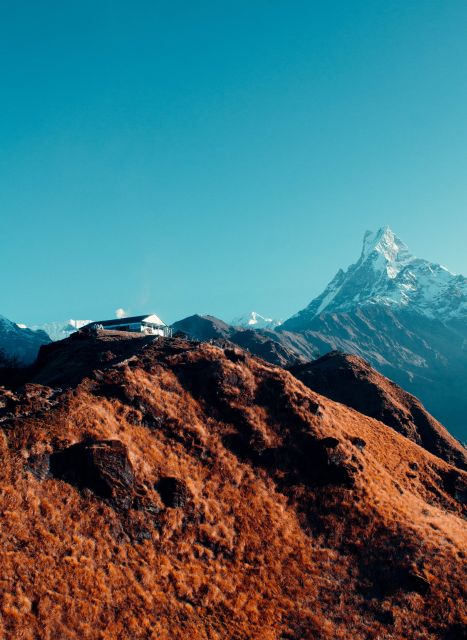
High Camp sits around 4,000 meters and is the night’s main prize. The mountain views become the focus, and the next morning’s viewpoint walk starts from here. The accommodation remains basic, and nighttime conditions can be cold, so bring layers, long pants, and a warm jacket.
A sleeping bag is included, along with trekking poles and a duffle bag. That is useful value for a short trip, especially if you are not carrying a complete high-altitude kit. Still, bring a headlamp, even though it is not listed among the included items. You will need it for the pre-dawn start.
Day 3: The 4,300-meter viewpoint and the long descent
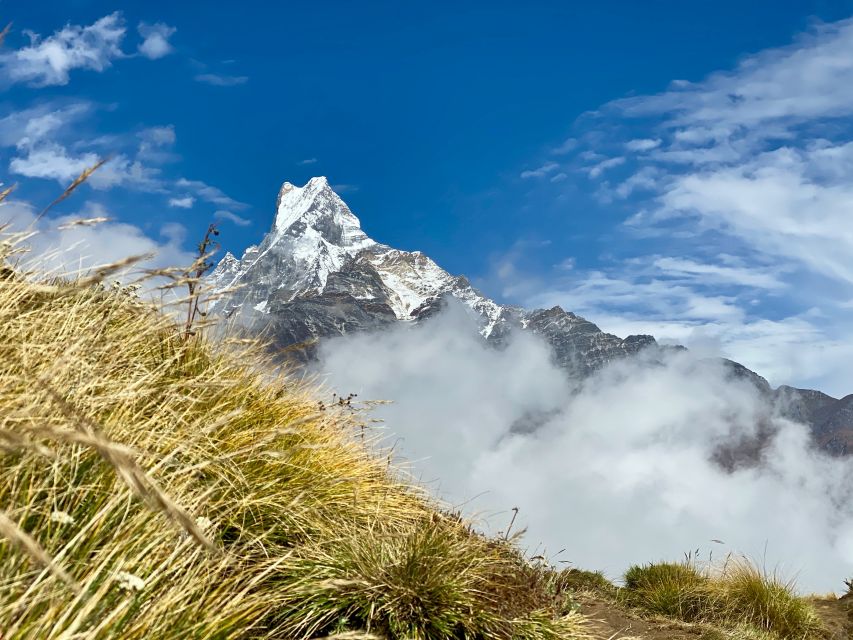
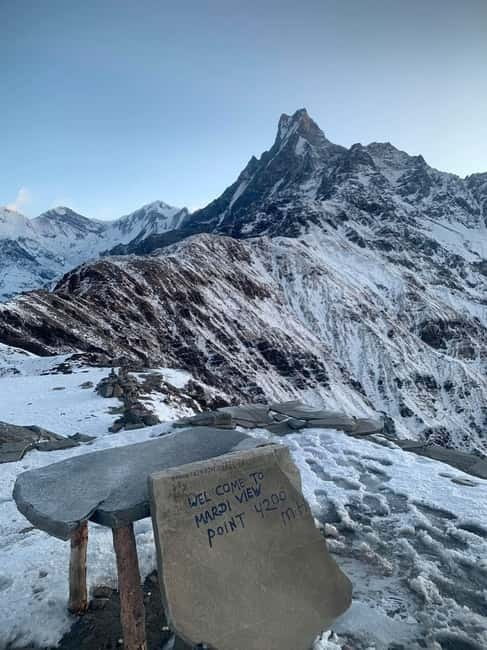
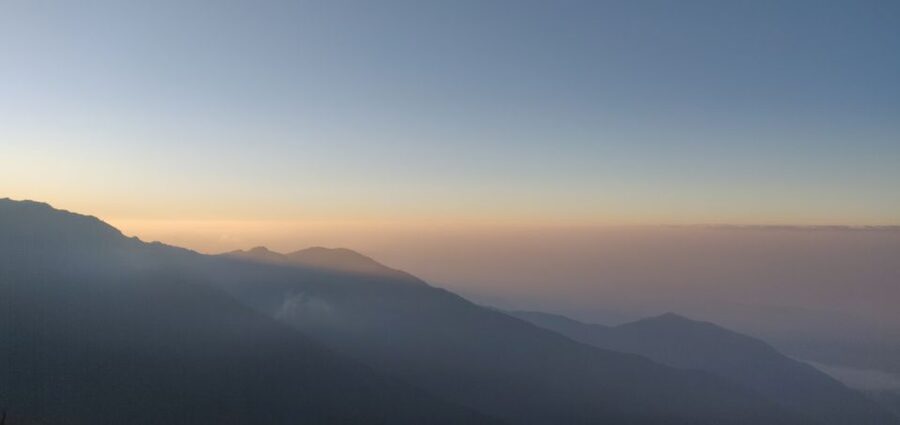
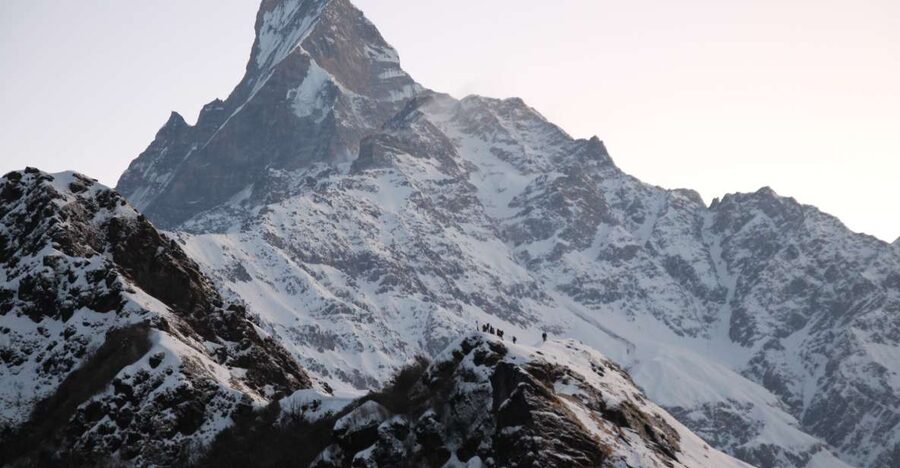
The early start is the defining moment of the trip. You wake around 4:00 am and hike for up to two hours to a viewpoint at approximately 4,300 meters.
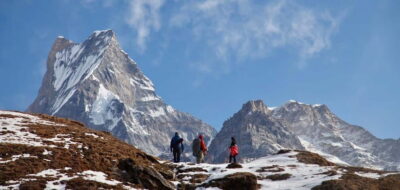
The reward is a wide mountain panorama, including Machapuchare, often called Fishtail, along with the Annapurna range. The high ridgeline views from Pritam Deurali, Badal Danda, and High Camp are among the strongest parts of the route. On a clear morning, you may see several of the world’s highest summits.
Weather controls the result. Mountain skies can be clear and sunny, but rain or snow is possible. A dawn walk in wind, cloud, or snow will feel very different from a crisp blue-sky morning, so keep expectations flexible.
You return to High Camp for breakfast, take a short rest, and then descend toward Rest Camp at about 2,700 meters. The full walking time is around seven hours, making this the toughest day by total effort.
The descent is easier on the lungs but hard on knees and thighs. Trekking poles are especially useful here. Wear shoes with good grip, and keep your jacket accessible because weather can shift quickly at the high point.
Rest Camp is a welcome pause after the long day. You are back in thicker vegetation and at a lower altitude, which makes the overnight stop more comfortable than High Camp. Even so, do not plan a busy evening. Eat, drink, and rest.
More Treks and Hikes:
- Poon hill Trek 3 days
★ 5.0 · 176 reviews - Trekking in Annapurna/Langtang/Everest/Upper Mustang regions
★ 5.0 · 161 reviews - Pokhara: 4-Day Ghorepani, Poonhill & Ghandruk Mountain Trek
★ 5.0 · 132 reviews - Ghorepani – Poon Hill Trek 3N-4D
★ 5.0 · 125 reviews
Day 4: Forest descent to Jhinu Natural Hot Spring
After breakfast at Rest Camp, you continue downhill for about four hours through lush forest. This part of the route trades high mountain views for greenery, river sounds, and a warmer valley atmosphere.
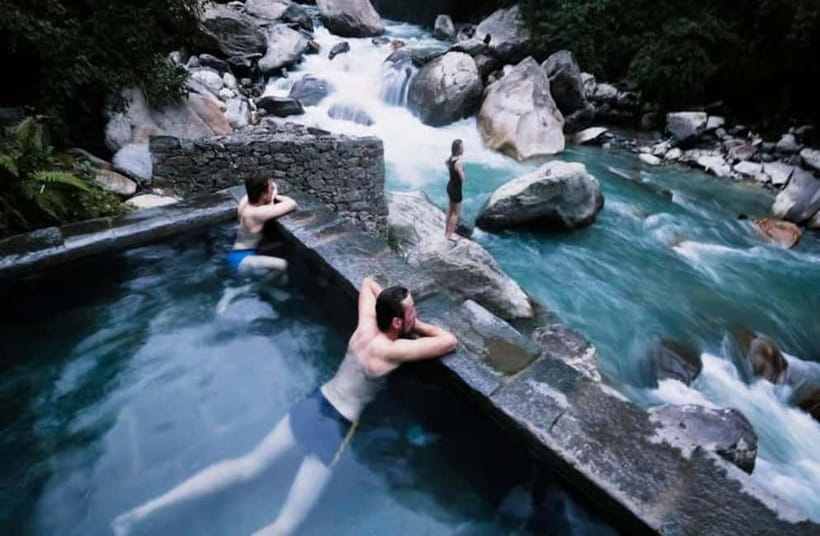
You reach the Modi River, which flows from the base of the Annapurna range, and cross a suspension bridge. The bridge adds a small thrill to the day, but the bigger reward is the natural hot spring at Jhinu.
The warm pools sit beside the roaring river and offer a chance to ease tired muscles outdoors. Bring a towel and practical swimwear. The supplied packing advice includes a towel, but it is easy to leave one buried in your main bag, so keep it handy before the descent begins.
You spend the night in Jhinu Village beside the Modi River. The village stay gives the final full day a human side, with time to experience local hospitality rather than simply ending at a roadhead. As with the other nights, expect simple tea-house accommodation.
This is one of the smartest features of the route. A mountain trek that ends only with a long road transfer can feel abrupt. Here, the hot spring creates a natural closing point, and the village overnight lets you slow down before returning to Pokhara.
Day 5: Jhinu Village, Samrung, and the return to Pokhara
The final morning is short on foot. After breakfast, you walk about 30 minutes from Jhinu Village to Samrung, where a vehicle takes you back to Pokhara.
The drive takes around 2.5 hours. That makes Day 5 fairly easy compared with the earlier walking days, although road conditions and traffic can affect the timing. Once in Pokhara, the trek is finished, and drop-off is included.
The short final walk is helpful if your legs are sore. It also means you do not spend another half-day trekking simply to reach transport. You can return to town with time to rest, although the exact arrival time is not guaranteed in the supplied schedule.
What the $183 price really covers
At $183 per person, this is strong value if you use the included services. The price covers hotel pickup and drop-off, a licensed English-speaking guide, permits and required paperwork, government taxes, private-group arrangements, trekking accommodation, and transport according to the number of people in your party.
Trekking poles, a sleeping bag, and a duffle bag are also included. Those items can save you rental costs and make packing easier. Staff expenses, including their meals, accommodation, salary, equipment, insurance, and transport, are covered as well.
The important detail is meals. Breakfast, lunch, and dinner are included on the All Inclusive Full Package only. Confirm which package you are paying for before booking, since the headline price may not cover every meal option.
You will need to budget separately for soft and alcoholic drinks, phone calls, laundry, bar bills, battery charging, showers, and bottled or boiled water. Porters are not included but can be arranged for an extra charge. Travel and rescue insurance are also your responsibility, and high-altitude coverage is strongly advised.
The value is best for someone who wants a guided private trek without buying every piece of equipment. It is less compelling if you already have transport, permits, gear, and a strong local trekking plan arranged independently.
Guides, support, and the private-group advantage
A good guide can change this trek from a route through hills into a safe and rewarding mountain trip. Santosh is praised for being caring, personable, and skilled at handling practical problems. Prakash, another licensed guide who joined at short notice, was also singled out for his support.
Jeet is another guide associated with strong service and careful organization. The useful point for you is not simply the guide’s name. It is the reported ability to answer questions before the hike, manage the route, explain local culture and mountains, and help when an unexpected need appears.
One unusual example involved supplies being arranged from lower camps and brought to a higher camp during an emergency. That suggests useful local connections, but you should still carry your own first-aid kit and personal essentials.
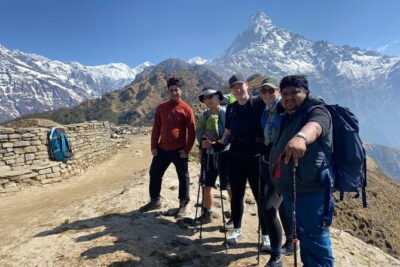
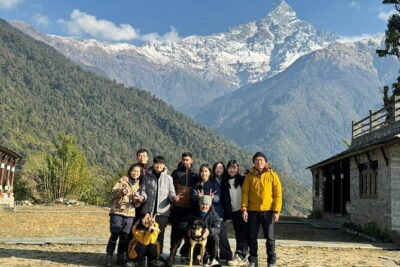
The private format is a real advantage for pacing and communication. You can ask questions, stop for photos, and discuss how you are feeling without being one person in a large line. A private group does not remove the physical challenge, but it can make the day feel more manageable.
What to pack for changing mountain weather
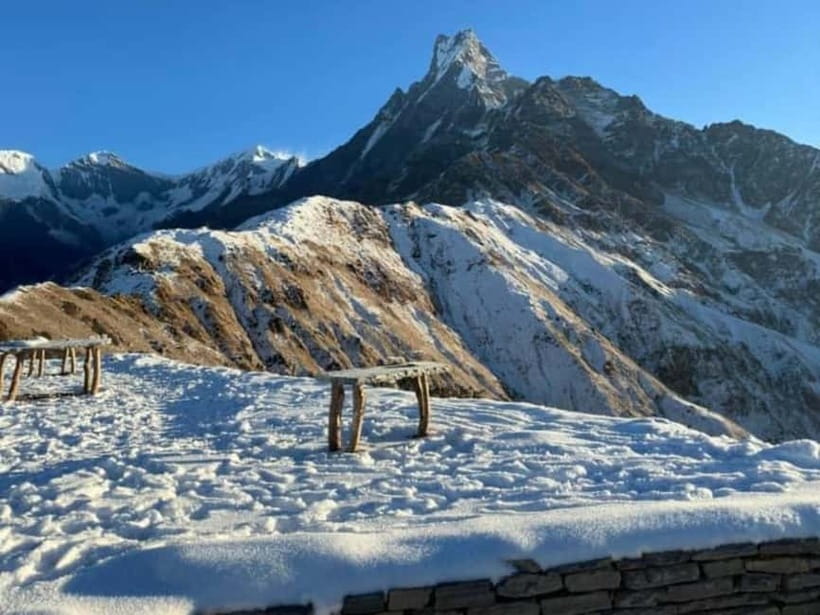
Pack for warm sunshine, cold mornings, rain, and possible snow. The recommended basics include hiking shoes, long pants, a T-shirt, jacket, hat, sunglasses, sunscreen, a reusable water bottle, towel, first-aid kit, and trekking gear.
A headlamp is especially important for the 4:00 am viewpoint walk. Keep warm layers and rain protection near the top of your bag, not at the bottom inside the duffle.
You should bring a passport or ID card, since identification may be needed for permits or trek administration. The operator provides trekking poles, sleeping bag, and duffle bag, but confirm how and when you receive these items.
Plan for simple meals. Dal bhat, rice with lentils and accompanying dishes, is a practical choice for long walking days, and other food options are available. Carrying a reusable bottle reduces waste and fits the local request to leave no trash behind.
Who should choose this Mardi Himal trip?
I would choose this trek if you want:
- A five-day route from Pokhara
- A private group rather than a large departure
- Forest walking and high mountain views in one trip
- A guided route with permits and transport handled
- A natural hot spring at the end
- Basic tea-house accommodation rather than luxury lodging
I would hesitate if you want a relaxed holiday with little uphill walking. The climb to High Camp, the high viewpoint, and the seven-hour third day require fitness, especially on steep ground.
Pregnant women should not take this activity. Anyone with a medical concern should seek professional advice before choosing a route that reaches about 4,300 meters. Insurance covering trekking and high-altitude rescue is essential.
Cancellation is flexible, with a full refund available when you cancel at least 24 hours ahead. You can also reserve and pay later, which helps if your Pokhara schedule is still moving around.
FAQ
How long is the Mardi Himal trek?
The activity lasts five days, beginning and ending in Pokhara. Walking times range from about 30 minutes on the final morning to around seven hours on the longest day.
What is the highest point reached?
The viewpoint on Day 3 is approximately 4,300 meters. High Camp, where you spend the second night, is around 4,000 meters.
Is hotel pickup included?
Yes. Pickup and drop-off are available from Lakeside, Pokhara Airport, and the wider Pokhara Valley. Pickup from Kathmandu can be arranged for an additional cost.
Are meals included?
Breakfast, lunch, and dinner are included on the All Inclusive Full Package. Soft drinks, alcoholic drinks, bottled or boiled water, and other personal purchases are not included.
Is a porter included?
No. Porters can be arranged if requested, but they cost extra. The package does include a duffle bag, sleeping bag, and trekking poles.
What languages does the guide speak?
Guides are available in English and Hindi. The activity is led by an authorized licensed guide.
Is the natural hot spring included in the route?
Yes. On Day 4, you descend to Jhinu Village, cross the Modi River, and visit the natural hot spring before spending the night beside the river.
Should you book it?
Book this trek if you want a compact mountain route with strong scenery, a private guide, and a memorable finish at Jhinu. The best parts are the high viewpoint, the changing forest trails, and the practical support provided by the guiding team.
Before paying, confirm the exact meal package, ask about porter availability if you need help with luggage, and make sure your insurance covers high-altitude trekking and rescue. If you are fit for long uphill and downhill days and comfortable with basic tea-house rooms, the $183 price offers a useful package for a five-day Mardi Himal adventure.
Just added around Pokhara
- Double Dare: Tandem Bungee Adventure★ 4.3 · 3 reviews
- Exhilarating Pokhara-Kathmandu Bus Journey Experience★ 3.5 · 3 reviews
- 3 Day Australian Camp Dhampus Ghandruk Easy Trek in Pokhara★ 3.5 · 3 reviews
- Paragliding in Pokhara★ 5.0 · 3 reviews
- Seti George and Thrilling Suspension Bridge Tour at Pokhara★ 4.5 · 3 reviews
- Overnight Dhampus Australian Camp Easy Hiking from Pokhara★ 5.0 · 3 reviews
- Full Day Entire Pokhara Tour by Car with Guide★ 4.5 · 3 reviews
- 5 Days Mardi Himal Trek.★ 5.0 · 3 reviews
Mardi Himal Treks, compared.
Browse the lists this tour appears in