
Reviewed · MARDI HIMAL TREKS
4 Days Mardi Himal Base Camp Trek from Pokhara
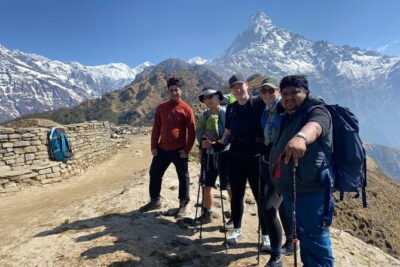
Big peaks, four walking days. The Mardi Himal Base Camp trek gives you a quick route from Pokhara into quiet forests, mountain ridges, and high Himalayan viewpoints, reaching about 4,500 meters without requiring a much longer expedition. I like the peaceful trails and the chance to stay in locally run teahouses. I also like the small-group feel, with a private trip and an English-speaking guide such as Amrit or Biru.
The main caution is the pace. You will walk uphill and downhill for several hours each day, with the longest day lasting about seven hours. Altitude and steep descents deserve respect, especially on the early-morning push to base camp and the final walk back toward Lakeside.
In This Review
- Key Points Before You Book
- Why Mardi Himal Works as a Four-Day Trek
- Day One: Terraced Fields and Rhododendron Forest
- Day Two: Forest Trails and the High Route
- Day Three: Sunrise at Mardi Himal Base Camp
- Day Four: A Long Descent to Lakeside
- What the Teahouse Stay Adds
- Guides, Permits, and Transport
- Who Will Get the Most From This Trek?
- Is $299 a Good Value?
- Should You Book the Mardi Himal Trek?
- FAQ
- How long is the Mardi Himal Base Camp trek?
- Where does the trek start and finish?
- How high does the trek go?
- Is this a private trek?
- What accommodation is provided?
- Is a guide included?
- Are trekking permits included?
- What documents are needed before departure?
- Can I cancel for a full refund?
Key Points Before You Book
- About 4,500 meters in four days: This is a compact Himalayan trek with serious altitude gains.
- Quiet forest trails: Rhododendron and evergreen forests provide a calmer setting than Nepal’s busiest routes.
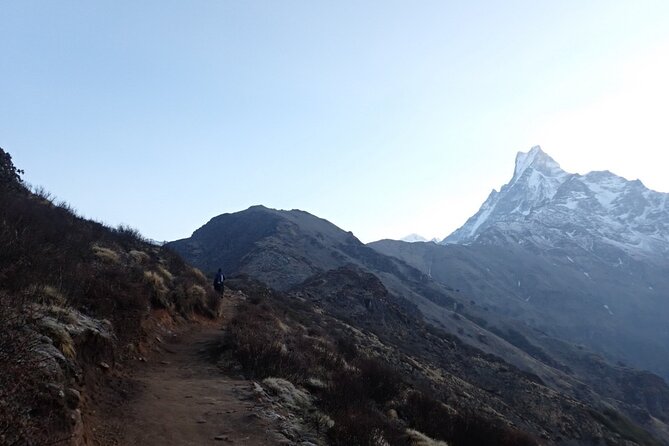
- Early sunrise start: Day three begins before dawn for the best chance at clear light over Annapurna and Machhapuchhre.
- Teahouse accommodation: You sleep in simple mountain lodges and eat traditional Nepali meals along the route.
- Private group, shared jeep transport: Your walking group is private, but transport to and from the trail uses a shared jeep.
- Strong guide praise: Amrit and Biru receive repeated approval for pacing, safety, cultural explanations, and friendly support.
Why Mardi Himal Works as a Four-Day Trek
Mardi Himal is a good choice when you want a real Himalayan walking trip but have limited time in Pokhara. The route moves from farmland and forest into open high-country views, giving you several different settings in a short period.
I like this change of scenery. You do not spend four days staring at the same type of trail. The first day passes through terraces and rhododendron forest. Later, the trees thin and the route opens toward the Annapurna range, Machhapuchhre, and the Mardi Himal area.
The shorter length also helps with planning. You can fit the trek into a Pokhara stay without giving up a full week or more. But short does not mean easy. The route still reaches high altitude, and you need a moderate level of fitness for repeated climbs, uneven mountain paths, and long descents.
The price is $299 per person. That includes pickup and drop-off, a professional English-speaking guide, teahouse or guesthouse accommodation, shared jeep transport, permits, a first aid kit, and a private walking trip. For a four-day trek with transport and conservation paperwork handled, I consider that a fair package price.
You should still budget for personal expenses. The provided information does not state that meals, drinks, bottled water, charging, or other personal purchases are included, so ask the operator to clarify those costs before departure. Gratitude for the guide is optional, but many people choose to offer it when the service has been strong.
More Mardi Himal Treks:
- Pokhara: 4-Day Mardi Himal Trek
★ 4.9 · 59 reviews - Private Mardi Himal Trek
★ 5.0 · 42 reviews - From Pokhara: 4-Day Mardi Himal Base Camp Trek
★ 4.9 · 31 reviews
Day One: Terraced Fields and Rhododendron Forest
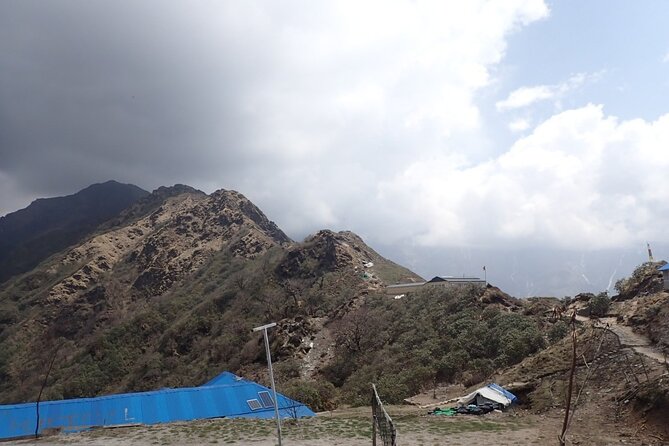
The first walking day takes about six hours and leads toward Forest Camp. The route begins with gradual uphill sections through terraced farmland before entering a large rhododendron forest.
This is a pleasant opening because the trail builds slowly rather than throwing you straight into a hard climb. The farmland gives you a look at how mountain communities use steep ground, while the forest brings shade and a more remote feeling.
Australian Camp is mentioned as an important viewpoint along the way. It gives the day a useful visual reward before you reach the forest sections farther along the route. The exact walking sequence can vary with trail conditions, so ask your guide where the group will stop and how much elevation remains.
Your overnight stay is in a simple teahouse or guesthouse. These are practical mountain lodges, not hotels. Expect a basic room, local hospitality, and shared facilities rather than comfort aimed at luxury visitors. That simplicity is part of the experience, but you should pack with cool nights and limited services in mind.
The first day is described as relatively easy, but six hours on a mountain trail is still a full day outside. Good shoes matter more than fancy equipment. Keep water, a light layer, and rain protection close at hand.
Day Two: Forest Trails and the High Route
Day two lasts about six hours and continues through thick forest. The route is largely made up of evergreen growth, with dense plant life along the trail.
I like this section for its quiet character. The trees soften the views, but they also make the walk feel more secluded. You may not get the same broad mountain outlook at every point, yet the forest is what separates this route from a simple viewpoint outing from Pokhara.
The trail cuts through the wooded slopes and continues higher toward the upper section of the trek. Because the supplied schedule gives only a general stop name for this day, your guide will be important in explaining the exact overnight point and the next morning’s plan.
This is also the day when pacing matters. A good guide should help you walk at a steady speed rather than treating the trek as a race. Amrit is repeatedly praised for keeping a comfortable pace, offering support, and explaining local culture and daily life. Biru is also praised for calm leadership, safety, and useful mountain knowledge.
Those details matter more than a guide simply knowing the route. At altitude, you need someone who notices how you are moving and who encourages sensible breaks. You also gain more from the trip when the guide can explain the people, traditions, and mountain communities around you.
Day Three: Sunrise at Mardi Himal Base Camp
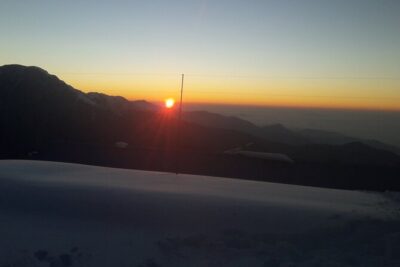
Day three starts early, with an awakening call before the walk to Mardi Himal Base Camp. The aim is to reach the high viewpoint in time for sunrise.
This is the highlight of the trek, but it is also one of the most demanding parts. The base camp area reaches roughly 4,500 meters, and the thin air can make a moderate climb feel much harder than expected. Walk slowly, follow the guide’s pace, and tell the guide if you feel unwell.
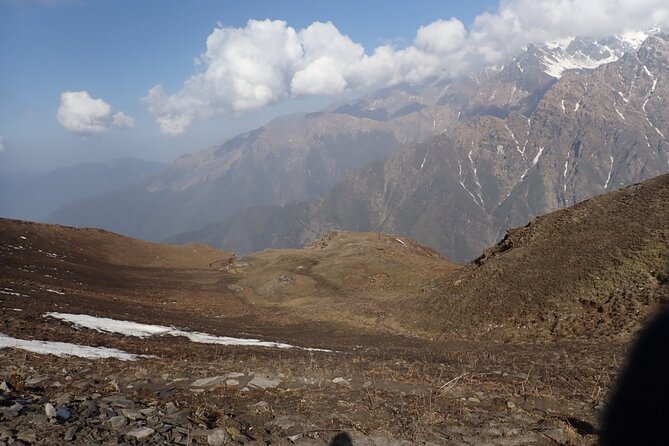
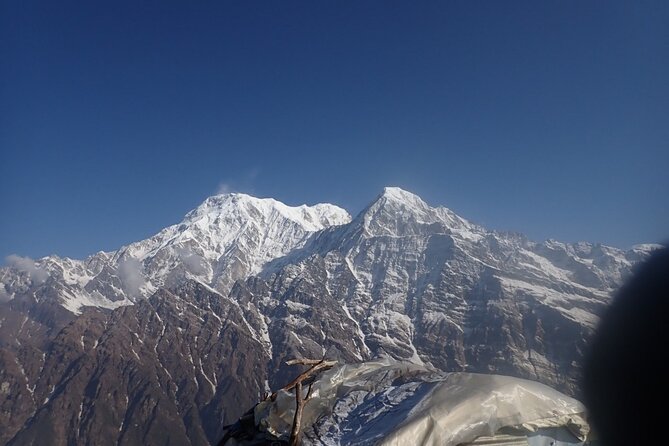
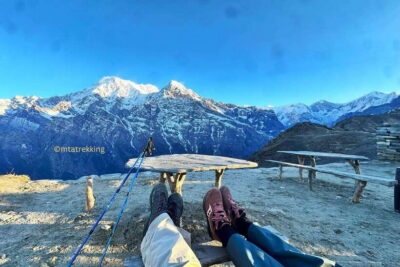
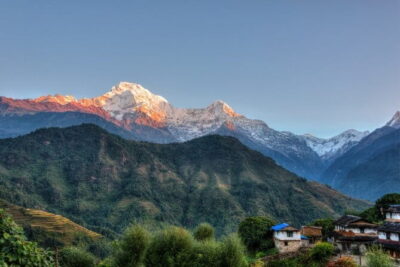
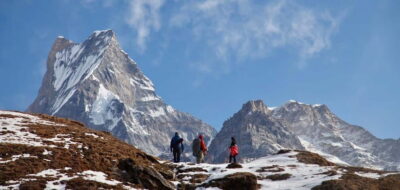
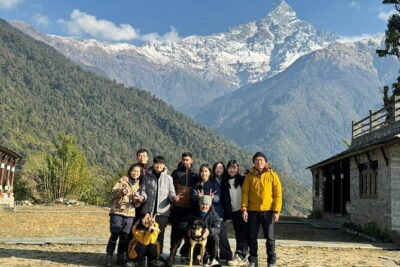
The reward is a wide view toward Annapurna’s peaks and Machhapuchhre, the distinctive fishtail-shaped mountain often associated with the Pokhara region. Sunrise adds changing light to the snow peaks, making this the most memorable viewpoint of the four days when the weather cooperates.
Mountain weather can change quickly, and clear views are never guaranteed. That is not a flaw in the tour, but it is a fact you should accept before paying for a high viewpoint. The early start improves your chances of seeing the mountains before clouds build, while also making the morning colder and more tiring.
The schedule then includes about two hours at Badal Danda. The route description places Mardi Himal Base Camp and Badal Danda on the same day, with Badal Danda described as another fine place for sunrise and Annapurna views. Confirm the exact order with the operator before departure, since the practical sequence may depend on the overnight location and trail conditions.
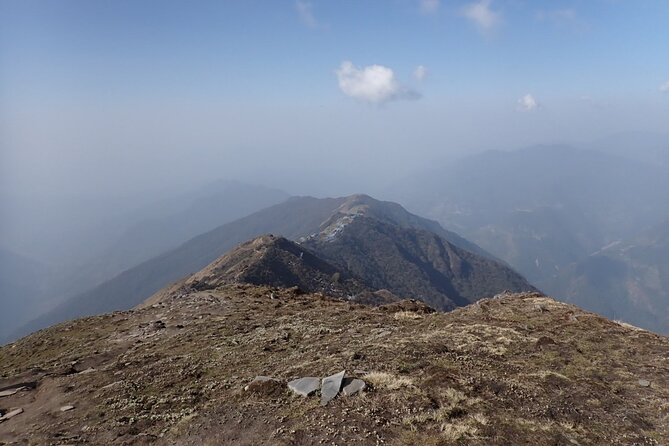
Badal Danda is valuable because it gives you a broad ridge setting after the forest sections. It is a place to pause, take in the peaks, and let the scale of the mountains sink in. You will want warm clothing, gloves, and a headlamp or other light for the early morning, although the supplied details do not specify which equipment the operator provides.
Day three is not only about photography. It is the point where you feel the cost of the short itinerary. You gain altitude quickly, start early, and spend much of the day walking at high elevation. If you prefer a slower ascent, ask whether the schedule can be adjusted.
More Treks and Hikes:
- Poon hill Trek 3 days
★ 5.0 · 176 reviews - Trekking in Annapurna/Langtang/Everest/Upper Mustang regions
★ 5.0 · 161 reviews - Pokhara: 4-Day Ghorepani, Poonhill & Ghandruk Mountain Trek
★ 5.0 · 132 reviews - Ghorepani – Poon Hill Trek 3N-4D
★ 5.0 · 125 reviews
Day Four: A Long Descent to Lakeside
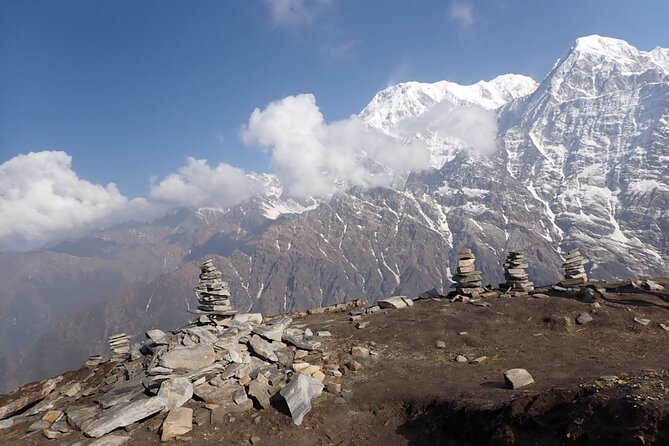
The last day takes about seven hours and returns you to Lakeside in Pokhara. From Badal Danda, the path turns toward Sidhing and descends through thick forest below Machhapuchhre.
This is the longest day by time, even though it is mostly downhill. Do not underestimate it. Steep descents can be hard on knees and ankles, especially after the high-altitude effort of the previous day. Trekking poles may be useful, though the provided details do not say that they are supplied.
The forest makes the descent cooler and more sheltered, but the route is described as steeper and more demanding in places. Your guide’s pacing again matters. Take regular breaks, keep your footwear secure, and avoid rushing simply because you are heading back toward town.
The trip ends at Lakeside, with drop-off included. That is convenient if your accommodation is in the main Pokhara Lakeside area, though you should confirm the exact meeting and drop-off arrangements before setting out. Returning directly to town gives the trek a clean finish and lets you keep the final evening free.
What the Teahouse Stay Adds
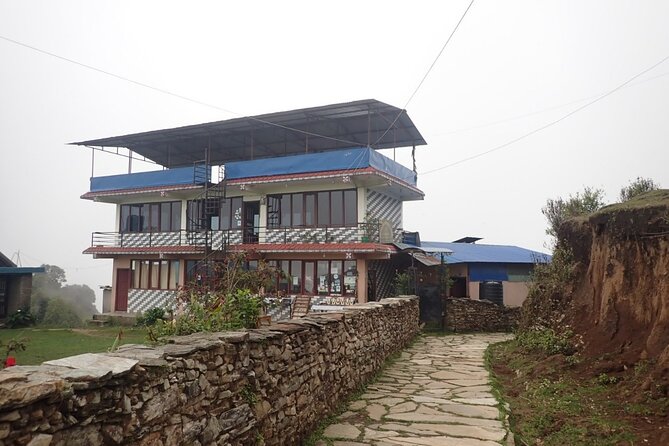
The accommodation is in teahouses or guesthouses during the trek. These mountain lodges are basic, social, and closely tied to the communities along the trail.
I like this arrangement because it keeps the trip connected to local life. You are not sleeping in a sealed resort or returning to Pokhara every night. You stay near the route, eat in the same kind of places used by other walkers, and have more contact with the people who live in the hills.
Comfort will be limited. The information does not promise private bathrooms, heating, internet, or hot showers, so you should not assume those services are included. Pack light but bring warm layers, personal toiletries, and any medication you need.
Traditional Nepali meals and local hospitality are part of the appeal described for this trek. Food availability can vary in mountain areas, so tell the operator about dietary needs before departure. Personal expenses are not included, and the tour price does not specify meal coverage, so get a clear answer before booking.
Guides, Permits, and Transport
A professional English-speaking guide is included, along with a first aid kit carried by the guide. The Annapurna Conservation Area Permit and TIMS Card are also included, which saves you from arranging those permits separately.
The guide is one of the strongest reasons to consider this trip. Amrit receives praise for being professional, supportive, and good at explaining mountain culture and Nepali life. Biru is praised for his calm approach, route knowledge, and attention to safety. Request one of these guides if possible, but understand that availability may not be guaranteed.
Transport uses a shared jeep to and from the starting point. Your walking group is private, but the vehicle is shared, so the ride may not have the privacy of a private car. Pickup and drop-off are included, which makes the start easier when you are staying in Pokhara.
You must provide a digital passport copy and a passport-size photo before the trip so the permits can be issued. This is an important practical step. Do not leave it until the morning of departure.
Who Will Get the Most From This Trek?
I would recommend this trek to someone who wants strong Himalayan views but has only four days available. It suits people who are comfortable walking for five to seven hours, climbing and descending on mountain trails, and staying in basic lodges.
It is also a good fit if you prefer quieter paths to the best-known Annapurna routes. The forest setting and lower visitor numbers give the trek a more personal feel, although quiet trails can also mean fewer services and less flexibility.
You should think twice if you want a relaxed sightseeing holiday, high-end accommodation, or guaranteed mountain views. The route reaches high altitude quickly, and the final day is long. A moderate fitness level is required, and the operator clearly describes the trip as uphill and downhill trekking.
A private trip gives your group more control than a large departure. You can discuss pace and concerns with the guide, though the four-day schedule may limit how much it can be changed. Ask about any medical concerns before booking.
Is $299 a Good Value?
At $299 per person, the price covers several costs that can add up on an independent trek: hotel pickup and drop-off, shared mountain transport, a guide, accommodation, permits, and first aid support.
The private format improves the value if you are traveling with friends or family, especially since group discounts may be available. Ask how the discount works and whether the listed price changes with group size.
The main question is what is not covered. Personal expenses are excluded, and the details do not clearly state whether meals and drinks are included. Get that confirmed in writing. A low headline price can become less attractive if you are surprised by daily expenses, though the included permits and transport still make the package useful.
Cancellation is flexible if you act early. You receive a full refund when canceling at least 24 hours before the local start time. Cancellations or changes within 24 hours are not accepted for a refund.
Should You Book the Mardi Himal Trek?
I would book this trek if I had four days in Pokhara, wanted a serious mountain walk, and valued a local guide over a polished resort-style trip. The best reasons are the short schedule, peaceful forests, views of Annapurna and Machhapuchhre, and the repeated praise for guides Amrit and Biru.
I would not book it without first checking the meal policy, exact overnight points, guide availability, and transport details. Prepare for altitude, cold early mornings, basic teahouses, and a demanding final descent.
For fit walkers who want a compact route into the Himalayas, this is a strong value. It offers far more than a quick viewpoint visit, but it asks you to earn those views one uphill step at a time.
FAQ
How long is the Mardi Himal Base Camp trek?
The trek lasts approximately four days, with daily walking times of about six hours on days one and two, five hours on the base camp day, and seven hours on the final descent.
Where does the trek start and finish?
The experience begins in Pokhara, with pickup offered. The final day returns to Lakeside, and hotel drop-off is included.
How high does the trek go?
The route reaches approximately 4,500 meters at Mardi Himal Base Camp.
Is this a private trek?
Yes. Only your group participates in the walking trip. Transport to and from the starting point is by shared jeep.
What accommodation is provided?
Accommodation is provided in teahouses or guesthouses during the trek.
Is a guide included?
Yes. A professional English-speaking guide is included, and the guide carries a first aid kit.
Are trekking permits included?
Yes. The Annapurna Conservation Area Permit and TIMS Card are included in the price.
What documents are needed before departure?
You must provide a digital copy of your passport and a passport-size photo before the trip so the trekking permit can be issued.
Can I cancel for a full refund?
Yes, if you cancel at least 24 hours before the local start time. Cancellations or changes made within 24 hours are not eligible for a refund.
More 4-Day Experiences
- 4-Day Private Poon Hill Trekking Tour
★ 5.0 · 58 reviews - Pokhara: 4-Day Private Trek Tour
★ 4.9 · 43 reviews - Poon Hill Trek from Pokhara 4 Days
★ 5.0 · 27 reviews - 4 Days Poon Hill Trek from Pokhara
★ 5.0 · 26 reviews
Just added around Pokhara
- Double Dare: Tandem Bungee Adventure★ 4.3 · 3 reviews
- Exhilarating Pokhara-Kathmandu Bus Journey Experience★ 3.5 · 3 reviews
- 3 Day Australian Camp Dhampus Ghandruk Easy Trek in Pokhara★ 3.5 · 3 reviews
- Paragliding in Pokhara★ 5.0 · 3 reviews
- Seti George and Thrilling Suspension Bridge Tour at Pokhara★ 4.5 · 3 reviews
- Overnight Dhampus Australian Camp Easy Hiking from Pokhara★ 5.0 · 3 reviews
- Full Day Entire Pokhara Tour by Car with Guide★ 4.5 · 3 reviews
- 5 Days Mardi Himal Trek.★ 5.0 · 3 reviews
Mardi Himal Treks, compared.
Browse the lists this tour appears in