Reviewed · GUIDED
Explore Kathmandu with Local Guide
Kathmandu rewards a closer look. This private three to four hour tour brings you to major sights such as Swayambhunath and Kathmandu Durbar Square, while also pointing out smaller places inside the UNESCO area that are easy to miss. I like the mix of famous landmarks and everyday market life, and I like that pickup is offered for a private group rather than a large bus party. The main consideration is pace: you will do a fair amount of walking, and the schedule may feel full if you want long, quiet visits at every stop.
The $75 price makes the most sense for visitors who want a first look at central Kathmandu with a guide handling the route and explaining what you are seeing. I also appreciate the flexible tone described by guests who toured with Shiva, including his willingness to adjust the pace for rest breaks. The drawback is that lunch, tips, personal expenses, insurance, and the Kathmandu Durbar Square admission fee are not included.
In This Review
- Key Points Before You Book
- Why This Makes a Good First Look at Kathmandu
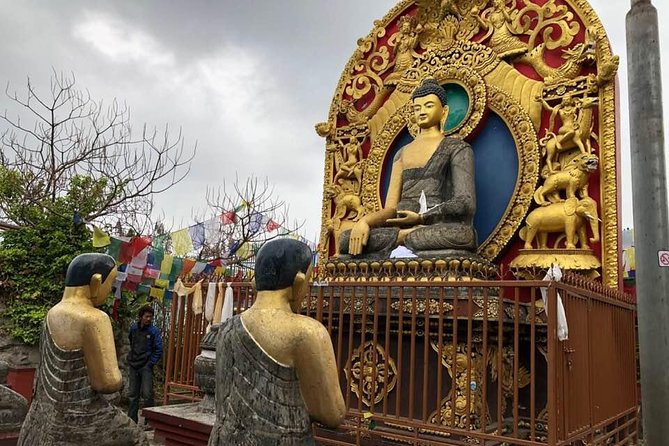
- Swayambhunath, One Hour at the Monkey Temple
- Kathmandu Durbar Square and the Extra Admission Cost
- Kumari Chowk and the Living Goddess Tradition
- Hanuman Dhoka, One Hour Inside the Palace Museum
- Local and Farmer’s Markets for a Change of Pace
- Walking, Pickup, and the Shape of the Day
- What the $75 Price Really Covers
- The Guide Can Shape the Experience
- Who Should Book This Kathmandu Tour?
- Should You Book Explore Kathmandu with Local Guide?
- FAQ
- How long does the Kathmandu tour last?
- Is pickup offered?
- Is this a private tour?
- Is admission to Swayambhunath included?
- Is the Kathmandu Durbar Square admission fee included?
- Is admission to Kumari Chowk included?
- Is lunch included?
- What happens if bad weather cancels the tour?
Key Points Before You Book
- Swayambhunath includes admission and gives you an hour at Kathmandu’s famous Monkey Temple.
- Kathmandu Durbar Square and Hanuman Dhoka connect royal history with daily city life, but Durbar Square has a separate admission charge.
- Kumari Chowk offers a short look at the living Goddess tradition, with free admission.
- A local and farmer’s market stop adds ordinary Kathmandu life to a tour otherwise focused on monuments.
- The tour is private, so only your own group participates and the guide can respond to your pace.
- Guide Shiva receives special praise for kindness and flexibility, useful if you want a gentle introduction rather than a rushed checklist.
Why This Makes a Good First Look at Kathmandu
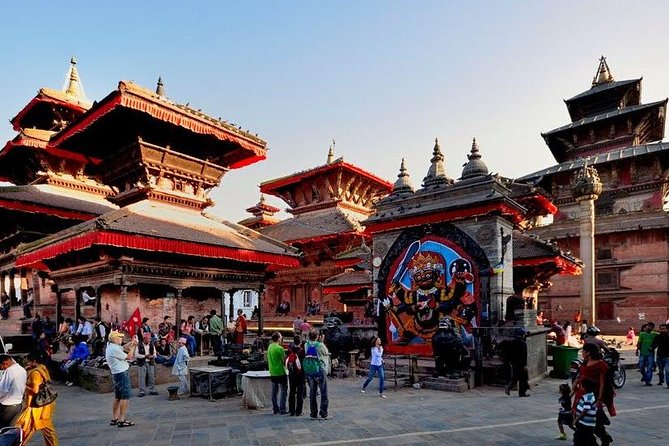
Kathmandu can feel like several cities layered together. Sacred courtyards sit beside royal buildings, small shrines appear inside major heritage sites, and market streets keep moving around old palace grounds. A short guided visit helps you sort out those layers without spending your first day simply trying to work out where to go.
This experience is not designed as a full-day survey of the Kathmandu Valley. It concentrates on a few central sights, with Swayambhunath taking about an hour and the Hanuman Dhoka visit taking another hour. The shorter stops at Kathmandu Durbar Square and Kumari Chowk leave room for the market visit and the movement between locations.
I see the tour as an orientation rather than a final word on Kathmandu. You get the major names, a taste of local life, and enough historical context to decide where you want to return on your own. That is useful at the beginning of a Nepal trip, especially if you have limited time in the capital.
The private format matters here. You are not sharing the outing with a coachload of strangers, and you can ask questions that fit your interests. If you need a slower pace, the experience appears better suited than a rigid group schedule. One guest specifically noted that there was lots of walking, but that the guide was happy to allow rest.
A few more trips worth weighing up before you book
- Everest Base Camp Trek – 14 Days
★ 5.0 · 1,499 reviews - Private Kathmandu Sightseeing Tour | UNESCO World Heritage sites
★ 5.0 · 756 reviews - Everest Base Camp Helicopter Tour landing at Everest View Hotel
★ 5.0 · 668 reviews
Swayambhunath, One Hour at the Monkey Temple
The first major stop is Swayambhunath, widely known among visitors as the Monkey Temple. The tour allows about one hour here, with admission included in the price.
That hour gives you a focused visit rather than a quick photo stop. You can expect the guide to help you understand why this hilltop religious site matters and to point out details that are easy to miss when you are concentrating only on the main view. The tour description makes a point of smaller places inside major heritage sites, and that is one of the useful reasons to have a local guide here.
The name Monkey Temple tells you something about the atmosphere, but it should not be the whole story. Swayambhunath is presented as a major Kathmandu sight with religious and cultural importance. A guide can help you look beyond the playful label and pay attention to the site itself.
An hour is enough for a first visit, but it is not generous if you want to linger at every corner. If photography, quiet observation, or religious architecture matters most to you, ask your guide early about the pace. Since this is a private experience, you have a better chance of shaping the visit around your interests.
The included admission is a small but welcome value point. You do not need to arrange that ticket separately, though you should still keep personal spending money with you for anything outside the tour inclusions.
Kathmandu Durbar Square and the Extra Admission Cost
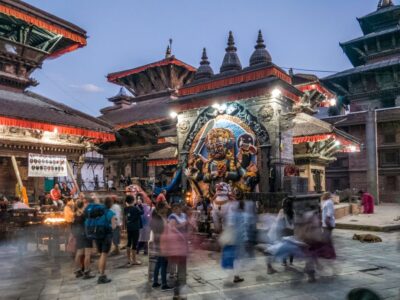
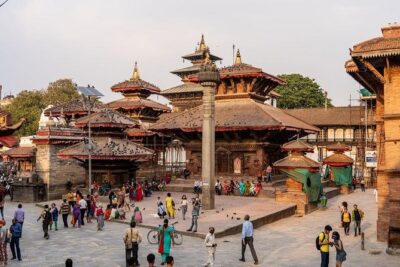
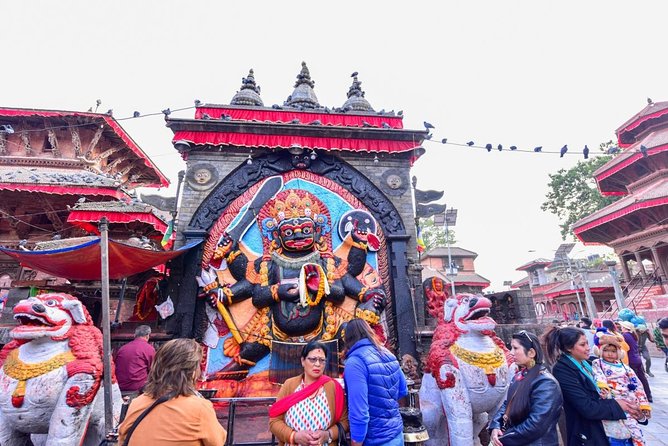
Kathmandu Durbar Square is the medieval royal center of the city. It is also known as Bhadarkhal and Hanuman Dhoka Durbar, names that can seem confusing when you first encounter them. The tour gives this stop about 15 minutes, and the admission ticket is not included.
That short scheduled visit deserves some thought. Fifteen minutes is enough to orient yourself, see the main setting, and receive a quick explanation. It is not enough for a slow examination of the palace complex, courtyards, and smaller architectural details. If the square is a high priority for you, confirm with the guide how the timing works and what part of the visit is included.
The separate admission charge also affects the real cost. At $75, the tour is not an all-inclusive sightseeing package. You should budget for the Kathmandu Durbar Square ticket, along with lunch, tips, personal expenses, and any other costs that arise during your day.
Still, the stop has clear value. Without context, an old palace square can become a blur of names and buildings. With a guide, even a brief visit can help you understand that this was a royal center connected to Kathmandu’s Malla and Shah dynasties.
The contrast between the formal palace grounds and the nearby local market is one of the stronger ideas in the route. You are not being shown only preserved monuments. You also get a look at how central Kathmandu functions now.
Kumari Chowk and the Living Goddess Tradition
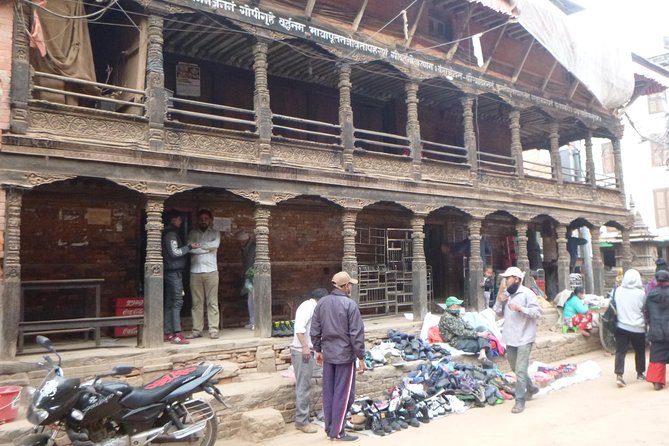
Kumari Chowk receives about 15 minutes and has free admission. The focus is Kumari, known in Kathmandu as the living Goddess.
This is a short stop, but it carries cultural weight. The term living Goddess refers to a living religious figure rather than a statue or ancient legend alone. A guide is useful because the idea can be unfamiliar, and a quick explanation can give the visit more meaning than a simple look at the courtyard.
You should approach this stop with respect and patience. It is not just another monument to photograph. The brief timing suggests that the tour is offering an introduction, not an extended cultural program. If you want more time to understand the Kumari tradition, you may need to ask questions during the visit or return later.
Free admission helps keep this part of the outing simple. It also balances the extra fee at Kathmandu Durbar Square. The combination gives you one paid heritage stop and one no-cost cultural stop within the same historic area.
A different sort of day from Kathmandu:
- Half day cooking class in Thamel kathmandu
★ 5.0 · 607 reviews - Everest Base Camp Trekking
★ 5.0 · 485 reviews - Nagarkot Sunrise View and Day Hiking from Kathmandu
★ 5.0 · 471 reviews - Kathmandu: Full Day 7 UNESCO Tour with Lunch – Private/Group
★ 5.0 · 415 reviews
Hanuman Dhoka, One Hour Inside the Palace Museum
The tour allows one hour at Hanuman Dhoka, where you visit a historical museum within the old palace complex. Hanuman Dhoka includes the former royal palace of the Malla kings and the Shah dynasty in Kathmandu Durbar Square, and admission is included.
This is the most substantial history stop on the route. You are not simply passing an exterior. The hour gives you time to enter the museum and connect the palace buildings with Kathmandu’s royal past. The tour description begins to explain the palace complex but is cut short, so you should expect the guide to provide the fuller on-site context.
I like the way this stop complements Swayambhunath. The Monkey Temple presents a major religious site, while Hanuman Dhoka focuses on royal power and the changing center of Kathmandu. Kumari Chowk then adds a living cultural tradition. Together, the three stops give you more range than a route based on temples alone.
One hour is a sensible amount of time for a guided introduction. You can listen, look around, and ask questions without turning the museum visit into an all-day study. That said, anyone deeply interested in Nepalese palace architecture may want a separate visit later. The schedule is built for coverage and orientation.
Admission is included here, which improves the value of the $75 fee. Remember that Hanuman Dhoka and Kathmandu Durbar Square are connected in name and place, but the listed inclusions treat them differently. The Durbar Square admission is not included, while Hanuman Dhoka admission is included.
Local and Farmer’s Markets for a Change of Pace
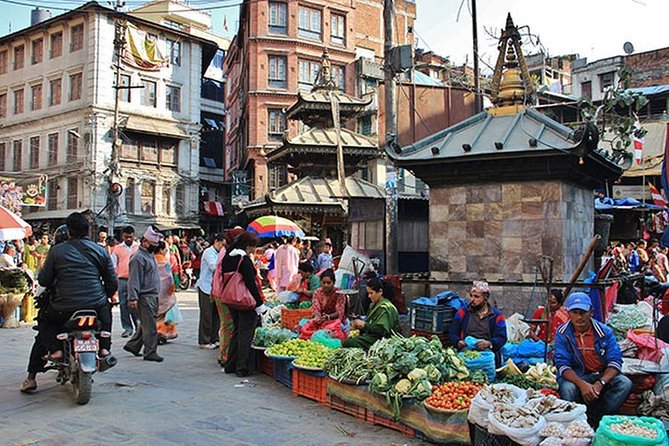
The route also includes a local market and farmer’s market stop. No exact duration is provided, so the amount of time may depend on the day, the route, and the pace of your private group.
This is one of the most appealing parts of the experience for me. Palace courtyards and museums tell you about Kathmandu’s past. A market shows you daily life, shopping, food, and local movement in the present. Even a short stop can help you understand the city as a place where heritage and ordinary routines share the same streets.
You should not expect the market visit to function like a formal food tour. Lunch is not included, and the tour does not promise tastings or a meal. Think of it as a chance to see local commerce and perhaps decide what you want to explore or eat later.
Because the market is less structured than the museum stops, this may be where the private format helps most. You can ask the guide about what you are seeing, pause briefly, or move on if the market is not your main interest. Keep personal expenses separate from the tour price if you want to buy anything.
Walking, Pickup, and the Shape of the Day
The experience lasts approximately three to four hours and offers pickup. It is also near public transportation, giving you two practical ways to connect with it. The exact pickup details are not provided, so you should confirm the meeting plan when booking.
Expect walking. The route includes several heritage locations and a market, and one guest described it as a friendly walking tour with lots of walking. Comfortable shoes are the sensible choice, and you should carry the supplied bottle of mineral water per person.
The bottle is a modest inclusion, but it is useful during a warm or active outing. Since lunch is not included, plan your meal separately. The tour is short enough to fit around other plans, but the walking and transfers mean you should avoid scheduling something too tightly afterward.
The private group setup is a clear advantage for families, couples, and friends who want to move at their own speed. Most people can participate, according to the provided activity information. If you need frequent breaks, say so at the start. The feedback connected with Shiva suggests that he is willing to make the pace more comfortable.
What the $75 Price Really Covers
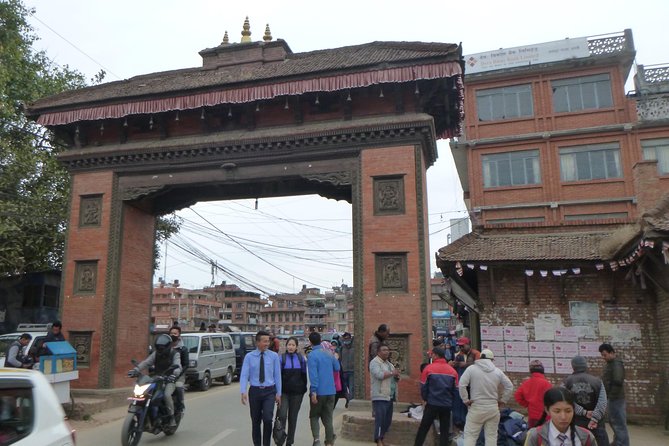
At $75, you are paying for a private guided introduction to several of Kathmandu’s best-known cultural sites, with pickup offered and admission included at Swayambhunath and Hanuman Dhoka. You also receive one bottle of mineral water per person.
The value depends heavily on your group size. Since this is a private activity, the fee buys personal attention rather than a seat on a large shared outing. For a couple or small group, that can be worthwhile if you want to ask questions and adjust the pace. For a solo visitor, the price may feel less economical than a group tour.
You should add the Kathmandu Durbar Square admission fee to your mental budget. Lunch, tips for the driver and guide, personal expenses, and accident insurance are also excluded. The lack of lunch is not a serious problem for a three to four hour outing, but it means the price is not a complete day-cost figure.
The strongest value comes from the combination of a private guide and a route that mixes major monuments with smaller cultural details and markets. If you only want transport between sights, this is more than you need. If you want help making sense of Kathmandu during your first hours in the city, the price is easier to justify.
The Guide Can Shape the Experience
The most praised qualities are kindness, organization, city knowledge, and flexibility. Shiva is the guide named in the feedback, and his approach appears especially suited to people who want a comfortable introduction rather than a hard-driving schedule.
One guest described him as kind and well acquainted with the city, calling the tour a good first impression. Another noted that the guide and manager were extremely friendly and helped create a comfortable experience. That same account stressed the walking but also praised the willingness to allow rest.
A German-speaking guest described Shiva as attentive and responsive to personal wishes, and called the outing a wonderful start to a Nepal trip. That detail matters because it points to listening as one of his strengths, not simply reciting facts.
You should still communicate clearly about your priorities. Tell the guide if you want more time at Hanuman Dhoka, a slower visit at Swayambhunath, or extra explanation at Kumari Chowk. The private format gives you room to ask, but the three to four hour limit means not every stop can receive equal attention.
The overall rating is 4.9 from 18 ratings, with 100 percent recommending the experience. That is a strong signal, though the sample is not large. I would treat it as evidence of consistent satisfaction with the guide and organization, while still weighing the walking and extra costs.
Who Should Book This Kathmandu Tour?
I would recommend this experience to first-time visitors who want a compact introduction to Kathmandu’s religious sites, royal history, and markets. It also fits people arriving with limited time, since the duration is short and pickup is offered.
It suits you particularly well if you prefer:
- A private tour for only your own group
- A named local guide such as Shiva
- A mix of famous sites and smaller cultural details
- A flexible pace with room for rest
- A guided first look before exploring independently
You may want another option if you dislike walking, want a long museum visit, or prefer a tour with lunch and every admission included. It is also less suitable if you want a very slow photography outing, since four major stops plus a market must fit into a few hours.
Book with weather in mind. The activity requires good weather, and a cancellation caused by poor conditions can lead to a different date or a full refund. For your own cancellation, you need to cancel at least 24 hours before the start time for a full refund. Changes or cancellations inside that window are not accepted.
Should You Book Explore Kathmandu with Local Guide?
Book it if you want a private, well-organized first look at Kathmandu and you are comfortable walking. The route gives you a useful spread: Swayambhunath for religion, Hanuman Dhoka for the royal past, Kumari Chowk for a living tradition, and local markets for present-day city life.
The $75 fee is fair when you value a guide’s attention and the included admissions at two major stops. Just remember the separate Kathmandu Durbar Square ticket, and do not expect lunch or insurance to be covered.
For most first visits, I would choose this as an orientation tour, then return independently to the places that caught your interest. Its real strength is not trying to show you every corner of Kathmandu. It helps you notice the corners you might otherwise walk past.
FAQ
How long does the Kathmandu tour last?
The experience lasts approximately three to four hours.
Is pickup offered?
Yes. Pickup is offered, and the activity is also near public transportation.
Is this a private tour?
Yes. Only your own group participates in the private tour or activity.
Is admission to Swayambhunath included?
Yes. Admission to Swayambhunath is included.
Is the Kathmandu Durbar Square admission fee included?
No. The Kathmandu Durbar Square admission ticket is not included.
Is admission to Kumari Chowk included?
Yes. Admission to Kumari Chowk is free.
Is lunch included?
No. Lunch is not included in the tour price.
What happens if bad weather cancels the tour?
If poor weather causes cancellation, you will be offered a different date or a full refund.
Just added around Kathmandu
- Private Shopping Tour in Kathmandu★ 5.0 · 3 reviews
- Nagarkot Sunrise With 7 UNESCO World Heritage Private Tour★ 5.0 · 3 reviews
- Kathmandu: Nightlife and Pub Crawl Tour★ 5.0 · 3 reviews
- Mount Everest Scenic Flight 50 Minutes★ 5.0 · 3 reviews
- Momo Cooking Class -The Art Of Making MoMo with Home Chef★ 5.0 · 3 reviews
- Kathmandu: Nagarkot, Bhaktapur, Doleswor & Sanga Statue Tour★ 5.0 · 3 reviews
- Makalu Base Camp Trek★ 5.0 · 3 reviews
- Kathmandu: Momo Making Class with a Local Chef★ 5.0 · 3 reviews
Guided, compared.