
Reviewed · CITY TOURS IN KATHMANDU
Kathmandu City Tour: TOP Highlights of the Kathmandu Valley
Three sacred sites, one busy half-day. This private Kathmandu tour brings together Boudhanath Stupa, Pashupatinath Temple, and Bhaktapur Durbar Square, three places that reveal very different sides of Nepal. I like the private hotel pickup and the chance to move at your own pace. I also like the strong mix of Buddhist practice, Hindu ritual, and Newari architecture in one outing.
The main drawback is cost beyond the advertised $39. You must pay 3,400 Nepali rupees per person for monument entrance fees, and meals, drinks, and guide tips are extra. Traffic can also stretch the six-hour plan to seven hours, so this is not a clockwork sightseeing trip.
In This Review
- Key points to know before booking
- Why this six-hour route works
- Boudhanath Stupa and the rhythm of the kora
- Pashupatinath Temple beside the Bagmati River
- Bhaktapur Durbar Square and Newari craftsmanship
- A private tour with a flexible pace
- What the $39 price really covers
- Who will enjoy this tour most
- Booking flexibility and practical details
- Should you book the Kathmandu City Tour?
- FAQ
- How long does the Kathmandu City Tour last?
- Which sites are included?
- Is hotel pickup included?
- Is the tour private?
- Are entrance fees included in the $39 price?
- What language is the tour conducted in?
- What should I wear and bring?
Key points to know before booking
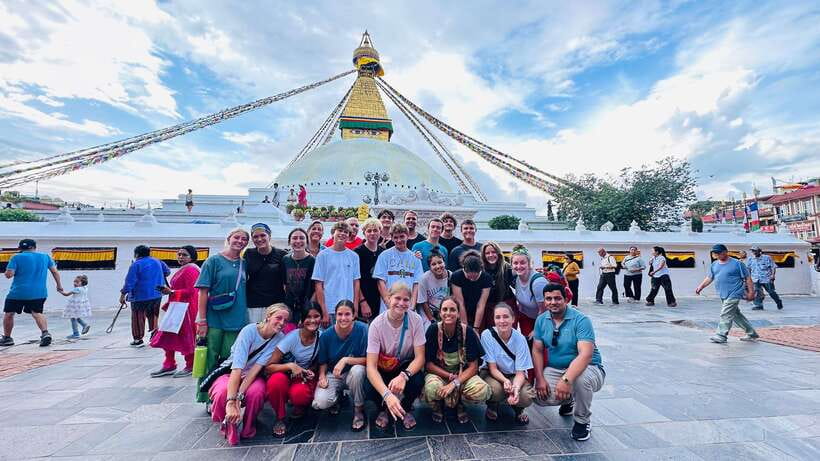
- Three major UNESCO sites in one day: Boudhanath, Pashupatinath, and Bhaktapur each offer a different cultural experience.
- Private transport and hotel pickup: A car, jeep, Hiace, van, or bus is used according to group size, with pickup inside Kathmandu’s Ring Road included.
- A guide makes the difference: The tour is conducted in English, and one highly praised guide, Neeraj, was noted for answering questions and keeping a relaxed pace.
- Expect walking and stairs: Comfortable shoes are important, especially around Bhaktapur’s cobblestone streets and temple areas.
- Budget for entrance fees: The listed monument fee is 3,400 Nepali rupees per person, separate from the tour price.
- Dress and behavior matter: Cover your shoulders and knees, ask before taking photographs, and treat cremation ceremonies with quiet respect.
Why this six-hour route works
Kathmandu Valley can feel like three destinations packed into one urban area. Its religious sites, old royal squares, traffic, and everyday neighborhoods all sit close together on a map, yet moving between them can take patience. This route makes a sensible first-day introduction because it covers three major points without asking you to organize separate taxis, drivers, and entrance arrangements.
The tour is described as six hours, but the practical estimate is five to seven hours from hotel pickup to return. Traffic is the wild card. Your private vehicle gives you more control than a large shared coach, but it cannot make Kathmandu’s roads move faster.
I see the route as a cultural sampler rather than a slow study of one place. You will get time at each major stop, but not the kind of leisurely afternoon that lets you inspect every shrine or museum. The guide’s role matters here. A good explanation helps connect the symbols, buildings, and rituals instead of leaving you with a stack of photographs and a vague sense that everything is old.
More City Tours in Kathmandu
- Private Kathmandu Sightseeing Tour | UNESCO World Heritage sites
★ 5.0 · 756 reviews - Kathmandu: Private City Guided Tour
★ 4.9 · 174 reviews - Kathmandu Private Sightseeing Tour | UNESCO World Heritage Sites
★ 5.0 · 109 reviews
Boudhanath Stupa and the rhythm of the kora
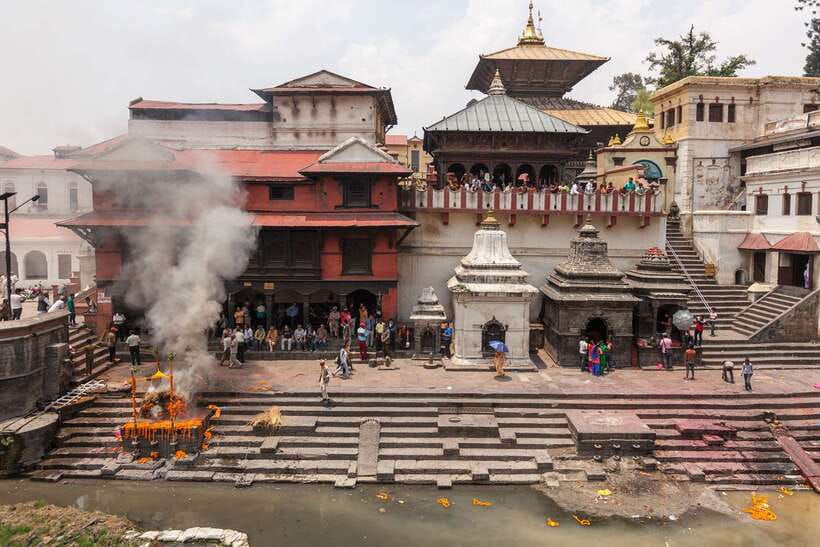
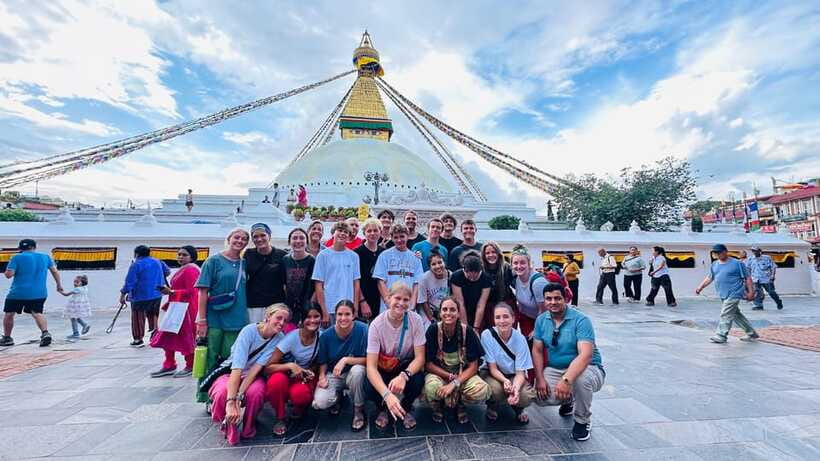
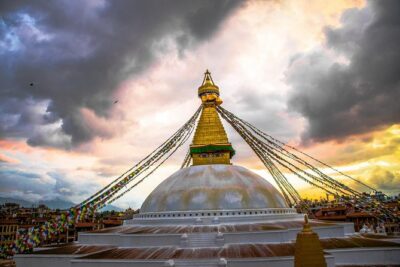
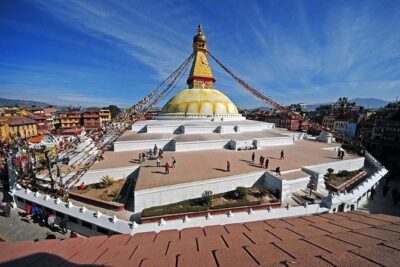
Boudhanath is the calmest opening to the day. The great white dome, golden spire, prayer wheels, monasteries, and steady flow of worshippers create a very different mood from ordinary Kathmandu traffic. You can walk around the stupa, following the devotional movement around the monument and taking in the details at ground level.
I like this stop because it gives you something to do, not just something to look at. Spinning prayer wheels and watching daily Buddhist practice make the visit feel active and present. The surrounding monasteries and local life add context, while the stupa itself provides the visual focus.
Your guide can help explain what you are seeing, which is useful if Buddhist symbols and ritual gestures are unfamiliar. Without that context, it is easy to treat the stupa as a grand photo stop. With a guide, the visit can become a lesson in how a sacred place functions during an ordinary day.
Bring your camera, but remember that photography rules can vary inside religious buildings. Ask before taking pictures, especially if you enter a monastery or encounter people at prayer. An umbrella or rain gear is sensible because the tour operates in all weather conditions unless extreme conditions cause a change.
Boudhanath is also a good place to get your bearings physically. The route around the monument is more straightforward than the uneven streets of Bhaktapur, though you should still wear shoes suitable for walking. The stop is peaceful, but do not confuse peaceful with empty. Religious activity and local movement continue around you.
Pashupatinath Temple beside the Bagmati River
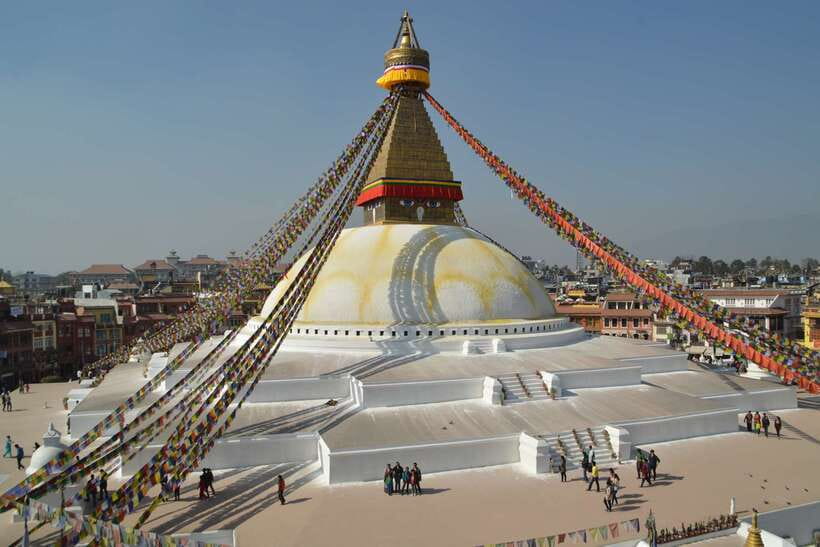
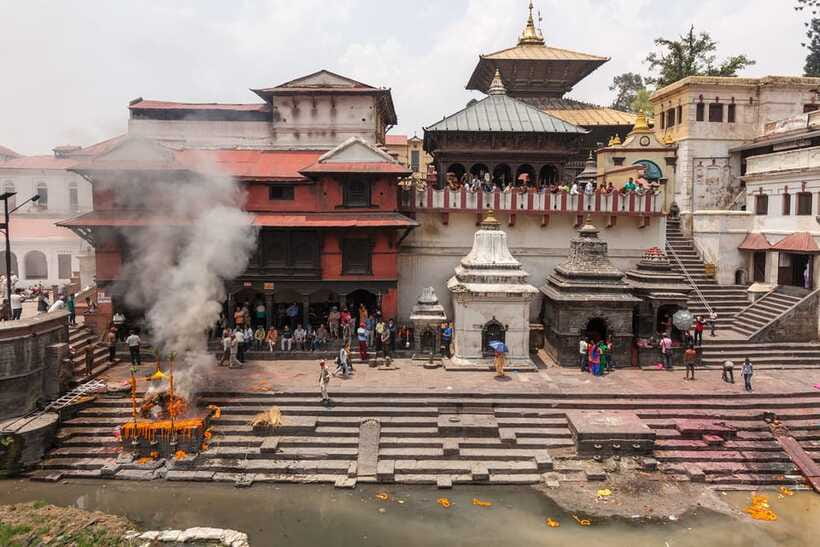
Pashupatinath brings a sharper emotional edge. This is Nepal’s most sacred Hindu temple, dedicated to Lord Shiva, and it sits beside the Bagmati River. The pagoda-style temple has golden roofs and detailed wood carving, but the architecture is only part of the reason people come here.
The riverbanks are used for spiritual rituals and Hindu cremation ceremonies. That can be a powerful sight, but it also calls for restraint. I would follow the guide’s advice, keep a respectful distance, and avoid treating a funeral as a spectacle. Ask before using your camera, and remember that a real family may be experiencing a private moment in a public religious setting.
This stop gives the tour its clearest view of Hindu ideas about life, death, and spiritual practice. You may see rituals unfolding in the same area where daily activity continues, and that closeness can be difficult to process. The value is not in collecting dramatic images. It is in understanding that Pashupatinath remains a working religious center, not simply a preserved monument.
You should dress modestly here. Cover your shoulders and knees, and choose clothing that is respectful and practical in warm or rainy weather. The supplied guidance specifically calls for modest dress at religious sites, and this is the place where that advice matters most.
The temple’s architectural details reward attention. Look for the wood carving and the pagoda form, then compare them with what you saw at Boudhanath. The contrast is useful: one stop centers on a large Buddhist stupa and walking ritual, while the other focuses on a Hindu temple complex and river ceremonies.
Bhaktapur Durbar Square and Newari craftsmanship
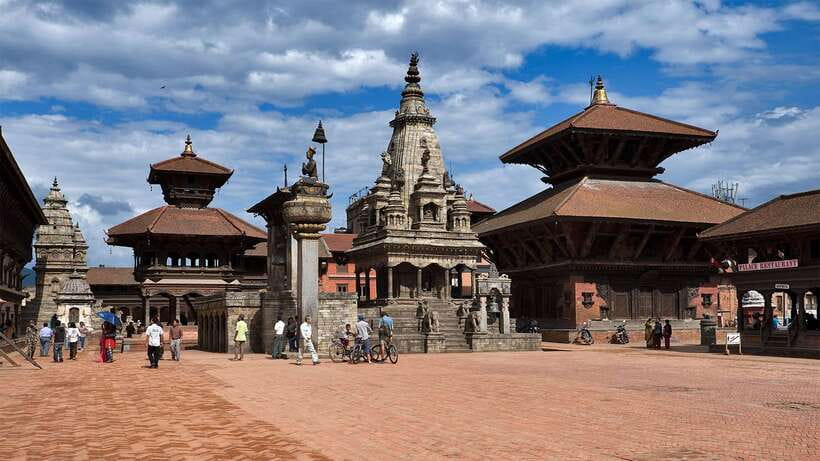
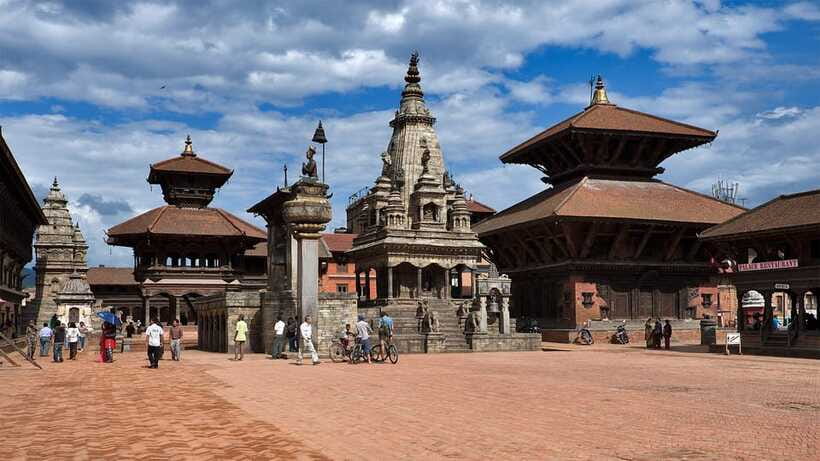
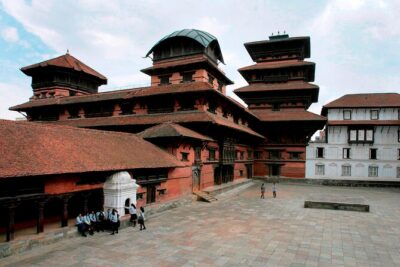
Bhaktapur is the longest-feeling stop, even if the schedule does not formally assign it more time. The medieval city is known as the City of Devotees, and its square is filled with Newari buildings, temples, markets, artisans, and cobblestone streets. You get the sense of an old city that is still part of daily life.
The 55-Window Palace, Vatsala Temple, and Nyatapola Temple are the key architectural sights. Nyatapola is Nepal’s tallest pagoda, and its height becomes more impressive as you approach it through the square. The structure shows how much visual power Newari design can create with stacked roof levels, carved elements, and careful proportion.
I especially like Bhaktapur for the change of pace. Boudhanath asks you to watch ritual movement. Pashupatinath asks you to think about spirituality and death. Bhaktapur asks you to look closely at buildings, streets, and skilled craft. Together, the three sites form a much fuller picture than three similar temples would.
Expect walking on cobblestones and some stairs. One past participant specifically advised bringing running shoes because of the walking and stair sections. That is good practical advice, even if you do not plan to run anywhere. Comfortable shoes will make it easier to focus on the architecture instead of your feet.
The drawback is that a short visit can feel frustrating here. Bhaktapur has enough detail to occupy much longer than a quick stop, and you may find yourself wanting more time in the square or at the market. The advantage of a guided visit is that you can prioritize the main buildings and learn which details deserve your attention first.
A few more trips worth weighing up before you book
- Everest Base Camp Trek – 14 Days
★ 5.0 · 1,499 reviews - Everest Base Camp Helicopter Tour landing at Everest View Hotel
★ 5.0 · 668 reviews - Half day cooking class in Thamel kathmandu
★ 5.0 · 607 reviews - Everest Base Camp Trekking
★ 5.0 · 485 reviews
A private tour with a flexible pace
The tour is private, which is a major advantage for a group with shared interests. You are not waiting for strangers at every doorway, and you can ask questions without holding up a full bus. The experience is designed for a car, jeep, Hiace, van, or bus depending on the size of your party.
A previous guide named Neeraj received especially strong praise for being friendly, polite, full of answers, and willing to let the group move at its own pace. That is exactly the sort of guiding that suits Kathmandu. The sights are important, but so are the explanations between them. Still, a specific guide is not guaranteed, so you should treat Neeraj’s excellent feedback as a useful example rather than a promise.
Hotel pickup and drop-off are included for locations within Kathmandu’s Ring Road. You should be ready in the hotel lobby at the scheduled time. If your hotel is outside that area, an extra pickup and drop-off charge may apply.
The tour is offered in English. Guides speaking other languages may be available for an additional cost, but that arrangement should be confirmed before booking. Since the route involves sacred sites and cultural etiquette, clear communication is more valuable than simply having someone point out buildings.
What the $39 price really covers
At $39 per person, the tour is reasonably priced for a private six-hour outing with transport, hotel pickup and drop-off, a professional guide, taxes, and service charges. The private vehicle is the biggest value point. Organizing three major sites independently can be tiring, especially when traffic and unfamiliar roads are involved.
The entrance fee changes the real total. You must add 3,400 Nepali rupees per person for monument entry, while meals, drinks, and tips are not included. That means you should compare the full cost, not just the headline tour price.
I would consider this good value if you have limited time in Kathmandu, want an English-speaking guide, and prefer private transport. It is less attractive if you only want a driver, plan to spend a full day at one site, or are trying to keep every expense at the advertised $39.
No meal is provided, so eat before pickup or carry water and a snack. The guidance also recommends sunscreen, a hat, an umbrella, rain gear, and a camera. Those items are simple, but they matter when a six-hour city visit includes outdoor walking and changing weather.
Who will enjoy this tour most
I would recommend this outing to a first-time visitor who wants the main cultural sights covered efficiently. It suits couples, families with older children, and small private groups that value a flexible pace and direct access to a guide.
It is also a strong choice for anyone interested in architecture or religion. You get Buddhist ritual at Boudhanath, Hindu practice at Pashupatinath, and Newari design at Bhaktapur. The route has enough variety to hold your attention even if you are not a specialist in any one subject.
You should think twice if you dislike walking, stairs, or uneven streets. The tour is not suitable for pregnant women according to the activity information. Anyone who finds cremation ceremonies upsetting may also prefer to discuss the Pashupatinath visit with the guide before arriving.
The route operates in all weather, with possible changes in extreme conditions. A rain jacket, umbrella, and shoes with good comfort are sensible choices. Kathmandu’s weather can change the feel of an outdoor visit quickly, so dress for flexibility rather than for a single perfect forecast.
Booking flexibility and practical details
You can cancel up to 24 hours before the tour for a full refund, and the reserve-now, pay-later option lets you keep plans flexible. Starting times depend on availability, so check the schedule when booking.
The advertised duration is six hours, but allow five to seven hours including hotel pickup. I would avoid placing an important flight, train, or appointment immediately afterward. Traffic is part of the experience, even when the itinerary itself is well planned.
Keep your clothing modest, particularly at Pashupatinath. Ask your guide about photography before entering temples or photographing ceremonies. A little care here improves your visit and shows respect for the people using these places for worship.
Should you book the Kathmandu City Tour?
Book it if you want an efficient, private introduction to Kathmandu Valley’s main cultural sites, and you are comfortable paying the separate entrance fee. The combination of Boudhanath, Pashupatinath, and Bhaktapur is thoughtfully chosen, and the private vehicle makes a busy day much easier.
I would not book it if your priority is slow exploration, independent wandering, or the lowest possible total cost. For everyone else, especially first-time visitors with only a day or two in Kathmandu, this tour offers a useful balance of history, architecture, spirituality, and practical support. Just wear good shoes, leave room in your schedule for traffic, and approach Pashupatinath with respect.
FAQ
How long does the Kathmandu City Tour last?
The advertised duration is six hours. In practice, the tour may take five to seven hours from hotel pickup, depending on traffic.
Which sites are included?
The tour visits Boudhanath Stupa, Pashupatinath Temple, and Bhaktapur Durbar Square.
Is hotel pickup included?
Yes. Hotel pickup and drop-off are included for locations within Kathmandu’s Ring Road. An additional fee may apply outside that area.
Is the tour private?
Yes. It is arranged as a private group experience, with transport provided by car, jeep, Hiace, van, or bus based on group size.
Are entrance fees included in the $39 price?
No. Monument entrance fees are listed separately at 3,400 Nepali rupees per person.
What language is the tour conducted in?
The live tour guide speaks English. Guides in other languages may be available for an extra cost.
What should I wear and bring?
Wear comfortable walking shoes and modest clothing that covers your shoulders and knees. Bring water, sunscreen, a hat, an umbrella or rain gear, and a camera. Ask before taking photographs inside temples or near ceremonies.
Just added around Kathmandu
- Private Shopping Tour in Kathmandu★ 5.0 · 3 reviews
- Nagarkot Sunrise With 7 UNESCO World Heritage Private Tour★ 5.0 · 3 reviews
- Kathmandu: Nightlife and Pub Crawl Tour★ 5.0 · 3 reviews
- Mount Everest Scenic Flight 50 Minutes★ 5.0 · 3 reviews
- Momo Cooking Class -The Art Of Making MoMo with Home Chef★ 5.0 · 3 reviews
- Kathmandu: Nagarkot, Bhaktapur, Doleswor & Sanga Statue Tour★ 5.0 · 3 reviews
- Makalu Base Camp Trek★ 5.0 · 3 reviews
- Kathmandu: Momo Making Class with a Local Chef★ 5.0 · 3 reviews
City Tours in Kathmandu, compared.

Private Kathmandu Sightseeing Tour | UNESCO World Heritage sites
Read our review →
Kathmandu Private Sightseeing Tour | UNESCO World Heritage Sites
Read our review →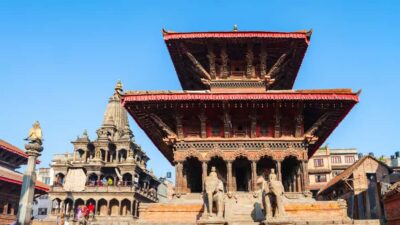
Full Day Kathmandu City Sightseeing Tour of UNESCO Heritage Sites
Read our review →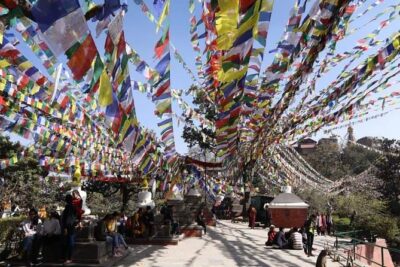
Browse the lists this tour appears in