Reviewed · TOURS
Kathmandu: Kailash Mansarovar Yatra Tour 2025
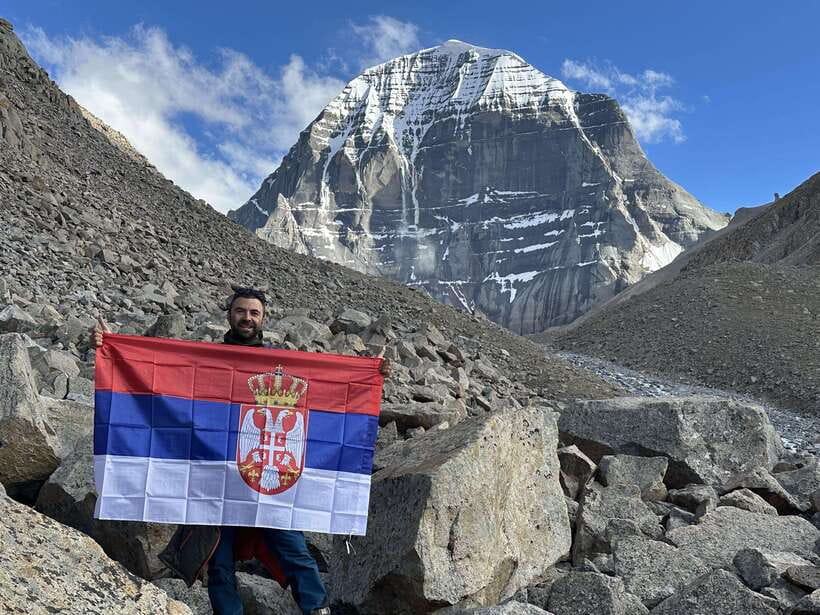
The mountain is sacred, remote, and physically demanding. This 15-day journey links Kathmandu’s temples with Tibet’s high plateau, Lake Mansarovar, and the three-day Kailash Kora. I like the small group limit of 10 and the careful permit and border arrangements. I also like that the route includes real time in Kathmandu, rather than treating the city as a simple airport stop. The main drawback is the rough road travel and basic lodging in Tibet, especially at Zutulpuk.
This is a pilgrimage first and a sightseeing trip second. You will cross high passes, sleep in shared guest houses, and face rapidly changing weather. Mr. CarKey, the Peregrine representative praised for pre-trip help and support during the journey, is a useful contact to have. Plan extra days in Kathmandu after the tour if your schedule allows, since landslides and border delays can add time.
In This Review
- Key points to know before booking
- What the $4,013 price really buys you
- Days 1 to 3: Kathmandu temples and paperwork
- Day 4: The Nagarkot hike adds breathing room
- Days 5 and 6: Rough roads and the Nepal Tibet border
- Day 7: Kerung to Saga across the plateau
- Day 8: Lake Mansarovar and the sacred center of the journey
- Day 9: Darchen and preparation for the Kora
- Day 10: Yamdwar to Derapuk and the north face
- Day 11: Droma La Pass is the decisive test
- Day 12: Completing the Kora and returning to Saga
- Days 13 and 14: Returning through Kerung to Kathmandu
- Guides, group size, and the human side of the trip
- Rules and risks you should take seriously
- Who should book this pilgrimage?
- Should you book the Kailash Mansarovar Yatra?
- FAQ
- How long is the Kailash Mansarovar Yatra?
- What is included in the $4,013 price?
- Is the Kailash Kora included?
- Are meals included during the Tibet portion?
- How much does a porter or pony cost?
- What happens if the Chinese Embassy rejects my visa?
- Can the itinerary be delayed by weather or road conditions?
Key points to know before booking
- The Kailash Kora is the physical heart of the trip: The route reaches Droma La Pass, the highest and hardest section of the trek.
- Lake Mansarovar brings the strongest quiet moments: You have time for rituals, reflection, and views of Mount Kailash and the surrounding Himalayas.
- Kathmandu adds real cultural value: Four UNESCO sites, Patan, Bhaktapur, and a Nagarkot hike give the journey a strong Nepal chapter.
- Tibet requires flexibility: Roads, borders, weather, and political conditions can change the schedule.
- Basic lodging is part of the bargain: Six nights in Tibetan three-star hotels are balanced by three nights in shared guest houses.
- The $4,013 price covers major logistics: Transport, permits, guides, entrance fees, Tibetan breakfasts, and accommodation are included, but several substantial extras remain.
What the $4,013 price really buys you
At $4,013 per person, this is an expensive trip, but the cost includes the parts of Kailash travel that are difficult to arrange independently. You receive airport transfers in Kathmandu, private vehicles for the Nepal portions, transportation throughout Tibet, an English-speaking Tibetan guide, the Tibet Travel Permit, entrance fees, and nine nights of Tibetan accommodation.
The price also covers six nights in three-star Tibetan hotels and three nights in shared guest houses at Mansarovar, Darchen, and Zutulpuk. Breakfast is included for all nine mornings in Tibet. That matters because remote travel across the plateau leaves little room for spontaneous meal planning.
Several costs sit outside the headline price:
- Lunch and dinner during the Kailash portion
- Nepal visa fees and international airfare
- Travel insurance
- A Chinese visa fee of $250 for American, Canadian, and British passport holders
- Porter service at $350 for three days, carrying up to 12 kilograms
- A pony at $600 for three days, if needed
- Helicopter transport from Kathmandu to Rasuwagadhi, priced at $1,600 privately or $320 per person in a shared helicopter
The inclusion details for Kathmandu need careful checking before you pay. The trip includes three-star accommodation with breakfast in Kathmandu, but the cost notes also list Kathmandu accommodation and meals among the exclusions. Ask the operator to confirm exactly what your $4,013 covers for those nights.
The value is strongest if you want one company handling permits, border transport, hotels, and guides. It is weaker if you already have local contacts or only want the Kailash trek itself. You are paying for access and coordination as much as for sightseeing.
A few more trips worth weighing up before you book
- Everest Base Camp Trek – 14 Days
★ 5.0 · 1,499 reviews - Private Kathmandu Sightseeing Tour | UNESCO World Heritage sites
★ 5.0 · 756 reviews - Everest Base Camp Helicopter Tour landing at Everest View Hotel
★ 5.0 · 668 reviews
Days 1 to 3: Kathmandu temples and paperwork
Your first day is deliberately easy. You arrive at Tribhuvan International Airport, meet the transfer service, and go to your hotel. Kathmandu is noisy, crowded, and full of traffic, so this first night is useful for rest rather than ambitious sightseeing.
Day 2 combines visa processing with four UNESCO World Heritage sites. Your passport is submitted for the required paperwork, and you explore Kathmandu Durbar Square, Swayambhunath, Boudhanath Stupa, and Pashupatinath Temple.
Each place gives you a different introduction to Nepal. Kathmandu Durbar Square brings palace courtyards and carved architectural details. Swayambhunath, commonly called the Monkey Temple, offers a hilltop setting and broad city views. Boudhanath centers on a huge Buddhist stupa, while Pashupatinath is one of the most important Hindu temple sites in Nepal.
You may have time to browse and buy supplies for Tibet. Do that early. The information advises carrying cash because ATMs may not be available, and small purchases are easier in Kathmandu than later on the plateau.
Day 3 moves to Patan and Bhaktapur. Their Durbar Squares are especially useful for anyone interested in Newari design, wood carving, courtyards, and traditional craftsmanship. This is one of the best cultural parts of the schedule because you are not rushing straight from the airport to the border.
Keep in mind that temple visits require respect for local customs. Dress sensibly, follow instructions about where you may enter, and avoid treating religious spaces as photo sets.
Day 4: The Nagarkot hike adds breathing room
The hike between Bhaktapur and Nagarkot gives you a short outdoor test before the Tibetan trek. You travel with a private vehicle, driver, and English-speaking guide, and entrance fees for the hike are included.
Nagarkot is known for Himalayan views, though mountain visibility depends on weather. The walk also lets you check your shoes, daypack, clothing, and general fitness before the much higher Kailash route.
I like this day because it breaks up the temple visits and gives you a chance to prepare mentally for the Kora. Still, do not confuse a day hike near Kathmandu with high-altitude trekking. The Kailash route is much more demanding, especially at Droma La Pass.
Use this day to buy snacks, sunscreen, warm clothing, a hat, and water if you still need them. Comfortable shoes are essential. A camera is welcome, but follow the restrictions that apply after entering Tibet.
Days 5 and 6: Rough roads and the Nepal Tibet border
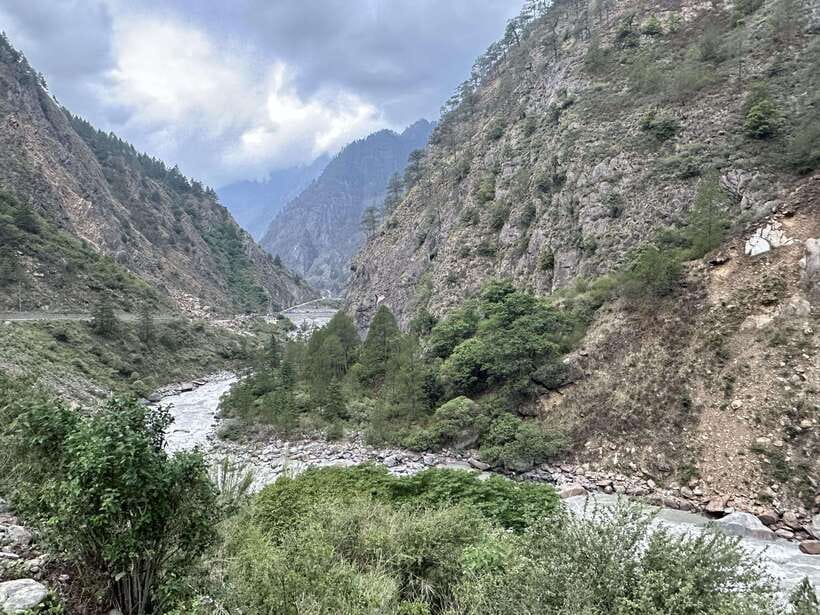
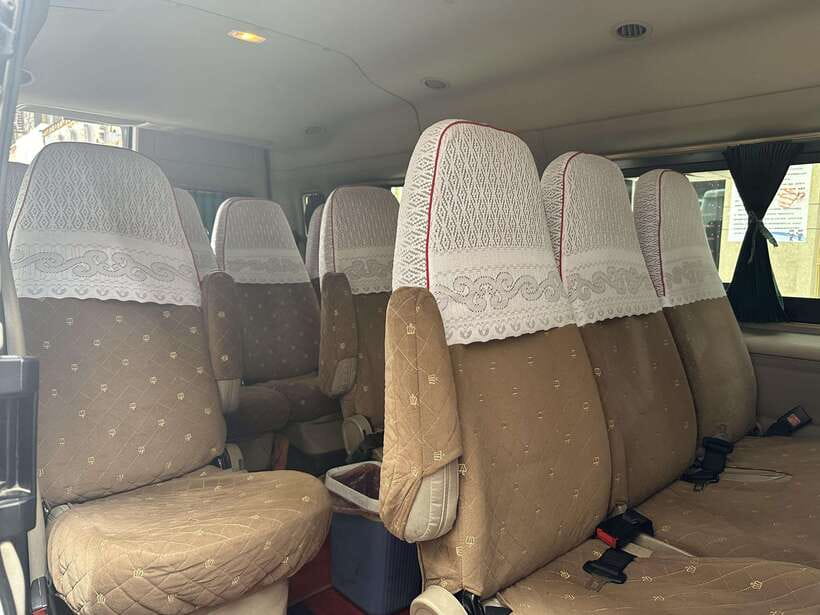
Day 5 takes you by private jeep from Kathmandu to Rasuwagadhi, near the Nepal Tibet border. The route passes through the Langtang region, with hills, turns, and rough road sections. One useful warning is simple: this is not a smooth transfer day.
Past participants found the Nepal side roads rough but exciting, with many bends and steep sections. If you get carsick, prepare before leaving Kathmandu. Keep water and snacks close rather than buried in your luggage.
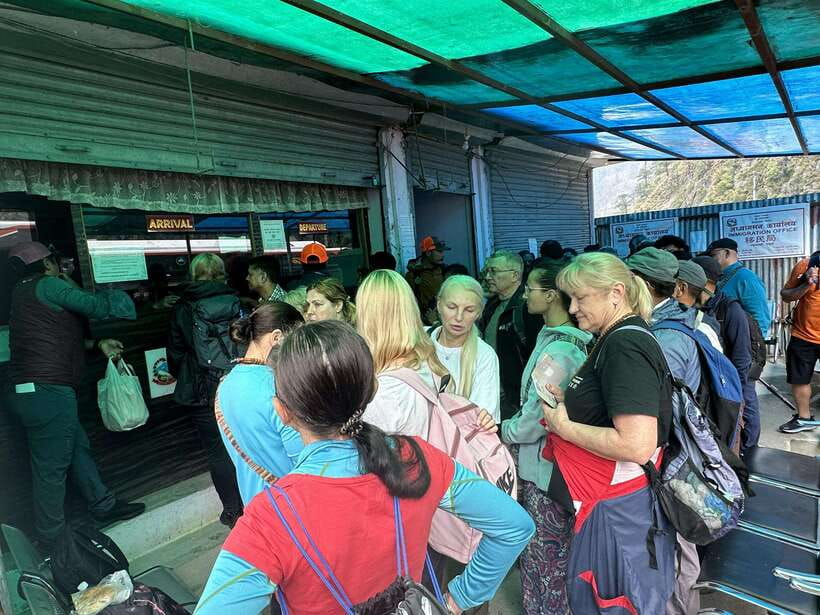
On Day 6, you cross into Tibet and continue to Kerung. Border procedures can take time, and your passport and permits are central to the process. The itinerary includes a Tibetan guide and the Tibet Travel Permit, which removes much of the paperwork burden from you, but it does not remove the need for patience.
Kerung is also an acclimatization stop. Take it seriously. You may feel fine at first and then notice the altitude later. Rest, drink water, and follow your guide’s instructions instead of trying to prove that you can do too much.
A different sort of day from Kathmandu:
- Half day cooking class in Thamel kathmandu
★ 5.0 · 607 reviews - Everest Base Camp Trekking
★ 5.0 · 485 reviews - Nagarkot Sunrise View and Day Hiking from Kathmandu
★ 5.0 · 471 reviews - Kathmandu: Full Day 7 UNESCO Tour with Lunch – Private/Group
★ 5.0 · 415 reviews
Day 7: Kerung to Saga across the plateau
The drive to Saga gives you your first long look at the Tibetan plateau. The route includes views toward the Brahmaputra River and wide, open country that feels very different from Nepal’s crowded valleys.
This is a long road day, so the scenery does much of the work. You will not be stopping at a new attraction every hour. Instead, you are adjusting to the scale, dryness, altitude, and silence of Tibet.
The schedule includes acclimatization days, but the trip still gains altitude steadily. Warm clothes, sunscreen, water, and snacks are not optional comforts here. Weather can change quickly, so pack layers where you can reach them.
Day 8: Lake Mansarovar and the sacred center of the journey
Lake Mansarovar is the emotional center of the yatra. The water, open sky, and distant Himalayan views create a setting that is both scenic and religiously important to Hindus, Buddhists, Jains, and followers of the Bon tradition.
You have time for spiritual rituals by the lake. The experience can include prayer, reflection, and a purifying bath, depending on your beliefs and the conditions on the day. The lake’s calm appearance can be deceptive: the altitude and cold mean you should act carefully and follow local guidance.
The visit is valuable because it is not only a photo stop. For many people, the meaning of Mansarovar is tied to purity and transcendence, while Mount Kailash is revered as a sacred peak. If you are not religious, you can still appreciate the quiet setting, but you should approach the rituals with respect.
Day 9: Darchen and preparation for the Kora
A short drive brings you to Darchen, the base for the Mount Kailash circumambulation. This is a preparation day, not a day to spend casually exhausting yourself.
The accommodation changes during this part of the trip. Darchen is one of the places where lodging may be a shared guest house. One useful practical point is that some people prefer paying extra for a better stay in Darchen if that option is available. Confirm the arrangement before departure, since comfort matters before the hardest walking days.
Sort your daypack, arrange any porter or pony service, and keep only what you need for the Kora. A porter costs $350 for three days and carries up to 12 kilograms, including food and accommodation. A pony costs $600 for three days if you need one. Those are substantial extras, but they may be worth considering if you have doubts about your fitness.
Day 10: Yamdwar to Derapuk and the north face
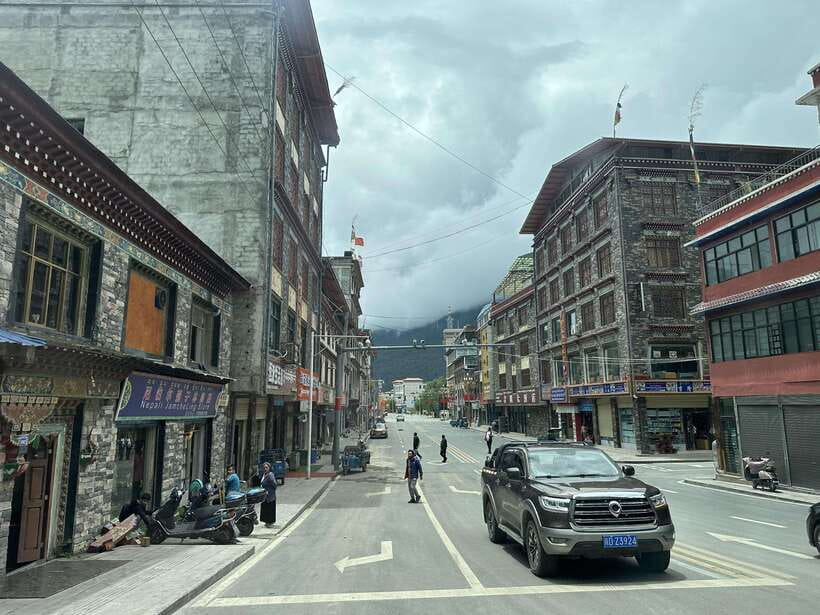
The first trekking day begins at Yamdwar and continues to Derapuk. The trail brings you toward views of Mount Kailash’s north face, one of the main visual rewards of the Kora.
The walking is demanding because of the altitude, not simply because of distance. Move slowly and let your guide set the pace. You will need to watch for headaches, unusual tiredness, breathing trouble, or other signs that your body is not coping well.
Derapuk is another night in basic accommodation. Conditions are remote, and comfort is limited. Bring warm layers, a sleeping arrangement suitable for simple lodging, and a patient attitude. The appeal of this night is not the room. It is the position near the mountain and the chance to be part of a pilgrimage route used by several faith traditions.
Day 11: Droma La Pass is the decisive test
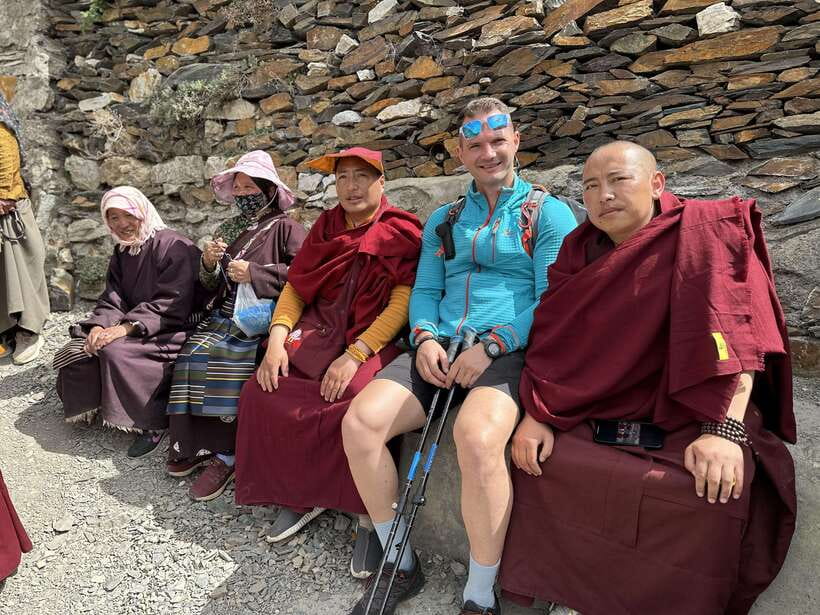
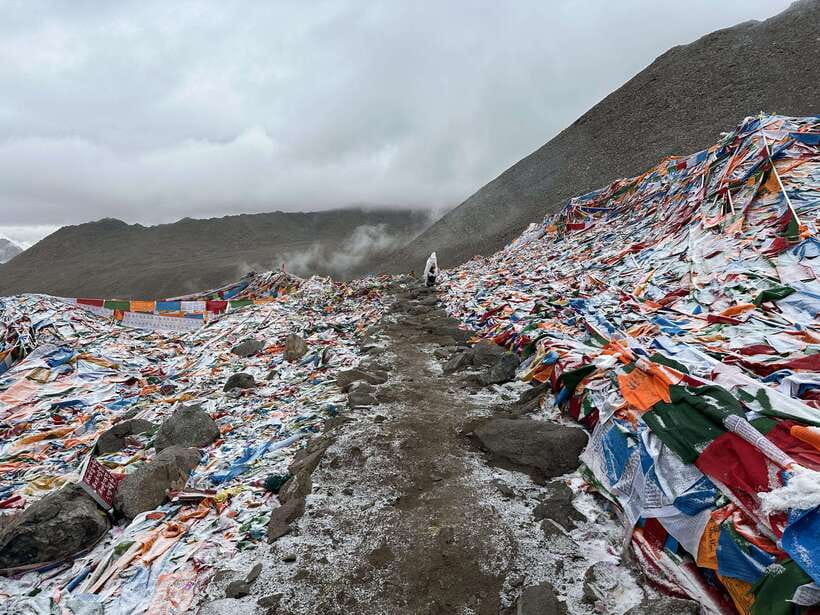
The second trekking day is the hardest. You cross Droma La Pass, the highest point of the Kora, then continue toward Zutulpuk Monastery.
This is where good intentions meet altitude. The pass requires good fitness, and even fit people may find the climb slow. Use your porter or pony decision wisely, keep your pace steady, and do not ignore the guide’s safety advice.
Droma La also carries strong spiritual meaning. The route is not just a mountain challenge, and many people treat the pass as a place for reflection, prayer, or a personal turning point. You do not need to share every religious belief to understand why this section matters.
After the pass, the day continues to Zutulpuk. Accommodation here is the weakest part of the trip. Expect a shared guest house and very basic facilities. One person specifically preferred an outdoor toilet to the available indoor arrangement, which tells you how simple conditions can be. Treat this night as part of the pilgrimage rather than a hotel stay.
Day 12: Completing the Kora and returning to Saga
You finish the Kora, return to Darchen, and drive onward to Saga. This is a satisfying but tiring transition from walking back to long-distance road travel.
Completing the circuit can feel deeply rewarding, especially after the pass and the basic lodging. Give yourself time to process the experience rather than expecting a polished celebration. The schedule is practical: complete the trek, transfer to Saga, and rest.
The road back also gives you a chance to notice how much ground you have covered. The Tibetan plateau can look empty, but the journey has been full of religious meaning, border formalities, and physical effort.
Days 13 and 14: Returning through Kerung to Kathmandu
Day 13 takes you back toward Kerung. You get some final views of the Tibetan plateau before returning to the border area.
Day 14 includes the border crossing and the drive back to Kathmandu. This is where you need schedule flexibility. Rain and landslides have caused delays, including an extra day stuck in Kerung, with added costs paid by the traveler. If your international flight leaves immediately after the scheduled return, you are taking a real risk.
An extra night or two in Kathmandu after the tour is a smart choice. It gives you a buffer for border trouble and lets you end the journey with a proper meal, shower, and quiet night before flying home.
Guides, group size, and the human side of the trip
A group limited to 10 people is a good fit for this route. A smaller group makes it easier for the guide to monitor everyone at altitude and reduces the confusion that can come with a large pilgrimage convoy.
The tour uses an English-speaking guide in Tibet and a separate English-speaking guide for Kathmandu activities. Peregrine’s pre-trip support received especially strong praise, including help from Mr. CarKey with passports, permits, and practical questions.
One striking detail is the strength of the porters, many of whom are women. If you hire porter service, pack responsibly and treat the arrangement with respect. The porter carries food and accommodation supplies as part of the service, so this is more than a casual bag-carrying option.
Rules and risks you should take seriously
Tibet has strict rules about political and religious material. You must not bring photos, books, CDs, DVDs, or digital devices related to the Dalai Lama or other Tibetan leaders. You are also prohibited from posting content about the Dalai Lama on social media platforms such as Facebook, Twitter, and YouTube.
You should carry your passport, warm clothing, a hat, comfortable shoes, sunscreen, water, snacks, and a camera. Alcohol and drugs are not allowed, and littering is prohibited.
This tour is not suitable for children under 10, pregnant women, wheelchair users, or people with back or heart problems. Travel insurance is required as a practical safeguard, and you are responsible for extra costs caused by natural or political problems.
Visa outcomes also matter. If the Chinese Embassy rejects your visa, the stated refund is $1,000. If you return from the border for another reason, no refund is provided. Read those conditions carefully before committing.
Who should book this pilgrimage?
You should consider this trip if you want a structured route to Mount Kailash and Lake Mansarovar, value religious sites and cultural context, and can handle high-altitude trekking with basic facilities.
It suits people who prefer a guide-led journey over independent problem-solving. It also works well for mixed groups, since the Kathmandu sightseeing and Tibetan pilgrimage offer more than one way to connect with the route.
You should think twice if you need comfortable hotels every night, dislike long road transfers, have a tight flight schedule, or are not prepared for Droma La Pass. The $4,013 fee does not cover every major expense, and a porter, pony, visa, insurance, meals, or delay can increase the final cost.
Should you book the Kailash Mansarovar Yatra?
Book it if completing the Kailash Kora is your main goal and you want a company to manage permits, border crossings, transport, and guides. The strongest parts are the spiritual setting of Lake Mansarovar, the north face of Mount Kailash, the Kathmandu temples, and the support provided before and during the trip.
Do not book it expecting luxury or a predictable road holiday. Confirm Kathmandu accommodation, ask about Darchen lodging upgrades, budget for meals and visa fees, and leave extra days after Day 14. With those realities in mind, this is a well-planned route for a serious pilgrimage, not an easy vacation.
FAQ
How long is the Kailash Mansarovar Yatra?
The journey lasts 15 days, beginning and ending in Kathmandu.
What is included in the $4,013 price?
The price includes Kathmandu airport transfers, Kathmandu accommodation with breakfast, Kathmandu sightseeing transport and entrance fees, the Nagarkot hike with transport and guide, private jeep transport to Rasuwagadhi and back, transportation in Tibet, nine nights of Tibetan accommodation, nine Tibetan breakfasts, an English-speaking Tibetan guide, entrance fees, the Tibet Travel Permit, and applicable government taxes.
Is the Kailash Kora included?
Yes. The itinerary includes the three-day circumambulation of Mount Kailash, with nights at Derapuk and Zutulpuk and the crossing of Droma La Pass.
Are meals included during the Tibet portion?
Breakfast is included for nine mornings in Tibet. Lunch and dinner during the Kailash tour are not included.
How much does a porter or pony cost?
A porter costs $350 for three days and carries up to 12 kilograms, including food and accommodation. A pony costs $600 for three days if needed.
What happens if the Chinese Embassy rejects my visa?
The stated refund is $1,000 if the Chinese Embassy rejects your visa. If you return from the border for another reason, no refund is provided.
Can the itinerary be delayed by weather or road conditions?
Yes. Weather, landslides, and political conditions can cause delays. Any extra accommodation or other costs caused by an extended itinerary are the traveler’s responsibility.
Just added around Kathmandu
- Private Shopping Tour in Kathmandu★ 5.0 · 3 reviews
- Nagarkot Sunrise With 7 UNESCO World Heritage Private Tour★ 5.0 · 3 reviews
- Kathmandu: Nightlife and Pub Crawl Tour★ 5.0 · 3 reviews
- Mount Everest Scenic Flight 50 Minutes★ 5.0 · 3 reviews
- Kathmandu: Nagarkot, Bhaktapur, Doleswor & Sanga Statue Tour★ 5.0 · 3 reviews
- Momo Cooking Class -The Art Of Making MoMo with Home Chef★ 5.0 · 3 reviews
- Makalu Base Camp Trek★ 5.0 · 3 reviews
- Kathmandu: Momo Making Class with a Local Chef★ 5.0 · 3 reviews
Tours, compared.

Private Kathmandu Sightseeing Tour | UNESCO World Heritage sites
Read our review →
Everest Base Camp Helicopter Tour landing at Everest View Hotel
Read our review →
Full Day 7 UNESCO Tour with Lunch – Private/Group
Read our review →
Private Bhaktapur and Nagarkot Day Tour From Kathmandu
Read our review →
Full Day Top 4 UNESCO Tour with Lunch – Private/Group
Read our review →