
Reviewed · UPPER MUSTANG TREKS
Upper Mustang Trek 14 Days
The old kingdom still feels wonderfully remote. This 14-day Upper Mustang trek takes you from Kathmandu through Pokhara and Jomsom into a dry, Tibetan-influenced world of mud-brick villages, monasteries, cliffs, and cave dwellings. I like the careful route design, which gives you time in Lo Manthang rather than treating it as a quick photo stop, and I like the cultural focus, especially the visits to Thubchen Gompa and Chhoser Cave.
The trek also has practical strengths. An English-speaking, government-licensed guide accompanies your private group, airport transfers are included, and the Upper Mustang Restricted Area Permit and Annapurna Conservation Area Permit are covered. The main drawback is cost clarity: at $1,212 per person, the trek does not include accommodation during the walking days, porters, most meals, drinks, insurance, or rescue costs. You need to budget for those separately.
In This Review
- Key points to know before booking
- Why Upper Mustang feels unlike other Nepal treks
- Days 1 and 2: Kathmandu and Pokhara
- Day 3: Flying to Jomsom and walking to Kagbeni
- Days 4 to 7: Chele, Syanboche, Ghami, and Tsarang
- Day 8: Reaching the walled capital, Lo Manthang
- Day 9: Thubchen Gompa, Chhoser Cave, and a second look at Lo Manthang
- Days 10 and 11: Returning through Dhakmar and Kagbeni
- Days 12 to 14: Jomsom, Pokhara, and departure
- What the $1,212 price really covers
- Who will enjoy this trek most
- Booking details worth checking first
- Should you book the Upper Mustang Trek?
- FAQ
- How long does the Upper Mustang Trek take?
- Is airport pickup included?
- Is accommodation during the trek included?
- Are meals included?
- Are permits included?
- Is this a private activity?
Key points to know before booking
- Lo Manthang gets proper attention: You spend a full day around the walled capital, including Thubchen Gompa and Chhoser Cave.
- The route uses both road and air travel: You drive from Kathmandu to Pokhara, fly to Jomsom, trek north, then fly back to Pokhara.
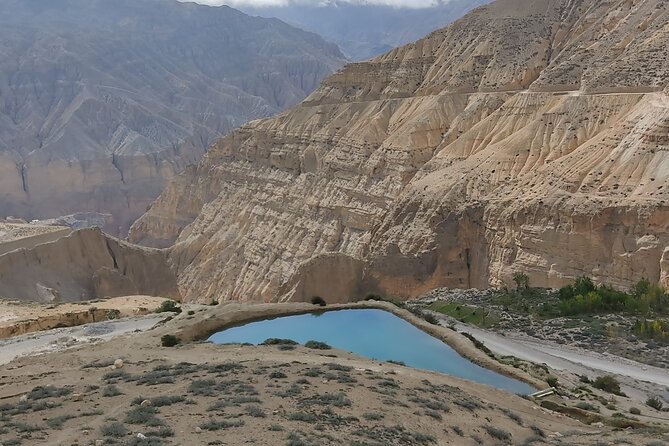
- The scenery is stark, not lush: Expect high-altitude desert, bare cliffs, wide valleys, and strong visual contrast.
- A private group means a more personal trip: Only your party takes part, with a licensed English-speaking guide.
- The permit is important: The Upper Mustang Restricted Area Permit is included for 10 days, along with the Annapurna Conservation Area Permit.
- The price needs careful reading: Dinner and Kathmandu accommodation are included, but trek accommodation and all meals are not.
Why Upper Mustang feels unlike other Nepal treks
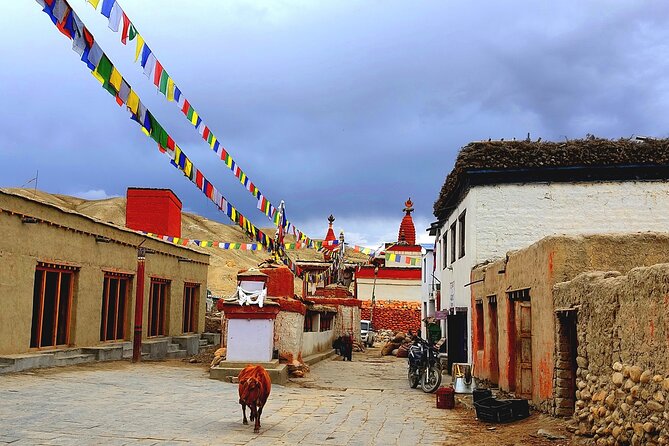
Upper Mustang is not mainly about standing beneath the tallest peaks. Its appeal comes from the unusual combination of high-altitude desert, Tibetan-style villages, Buddhist monasteries, and ancient cave sites.
The villages are shaped by the dry climate and long isolation. Mud-brick homes, narrow lanes, old forts, and walled settlements give the region a character that feels separate from the greener valleys around Pokhara. The route also follows a story of trade, religion, and settlement, with each village offering a different glimpse of Mustang life.
I particularly like that this trip does not rush straight to Lo Manthang and turn around the next morning. The gradual northbound route through Kagbeni, Chele, Syanboche, Ghami, and Tsarang gives you time to see the region change. The return through Dhakmar and Kagbeni then lets you notice details that were easy to miss while heading north.
The experience is still a trek, not a sightseeing coach tour. The daily walking sections are listed as roughly 12 hours, and the trip calls for moderate physical fitness. Those long days are the biggest practical issue to consider. The program includes pacing and acclimatization in its design, but the schedule remains demanding.
More Upper Mustang and Muktinath Trips:
- 6 Days Muktinath Tour Package in Nepal
★ 5.0 · 20 reviews - Jeep Trip to Upper Mustang
★ 5.0 · 10 reviews - Upper Mustang Trekking
★ 5.0 · 4 reviews
Days 1 and 2: Kathmandu and Pokhara
Your trip begins at Hotel Chhimeki in Kathmandu, where airport pickup and drop-off are provided. The first day is deliberately light. After arriving, you can settle in, rest, and walk around Thamel, one of Kathmandu’s main visitor districts.
That extra breathing room matters. You are not being sent straight onto a mountain trail after an international flight. Hotel accommodation in Kathmandu is included for two nights, although any additional night caused by a schedule change is not covered.
On Day 2, you travel by road to Pokhara. The drive takes much of the day and passes through countryside, rivers, and terraced fields. This is not the quickest way to cover the distance, but it gives you a useful transition from Kathmandu’s city streets to Pokhara’s calmer setting.
The short visits to Phewa Tal and Tal Barahi Temple add a pleasant pause. You can walk beside the lake, rent a boat, and cross to the small island temple. These stops are not the central reason to book the trek, but they make the opening days feel less like transport logistics.
Day 3: Flying to Jomsom and walking to Kagbeni
The flight from Pokhara to Jomsom is brief, listed at about 15 minutes. Jomsom is the gateway for Upper Mustang and sits in the Kali Gandaki Valley, known here for dramatic mountain scenery and strong winds.
That flight is efficient, but it also means you should remain flexible about the day’s timing. The information provided does not promise a fixed departure hour or guarantee against changes, so do not plan a tight international connection around this part of the trip.
From Jomsom, you begin walking toward Kagbeni. This village is one of the first places where the character of Mustang becomes clear. Its mud-brick homes, tight lanes, old Buddhist monasteries, and traditional way of life give you a strong sense of entering a different cultural zone.
Kagbeni works well as the opening walking stop because it is not simply a sleeping point. You have time to look around and notice the building style, religious sites, and dry surroundings. The day is still long, however, with about 12 hours allocated to the stop.
Days 4 to 7: Chele, Syanboche, Ghami, and Tsarang
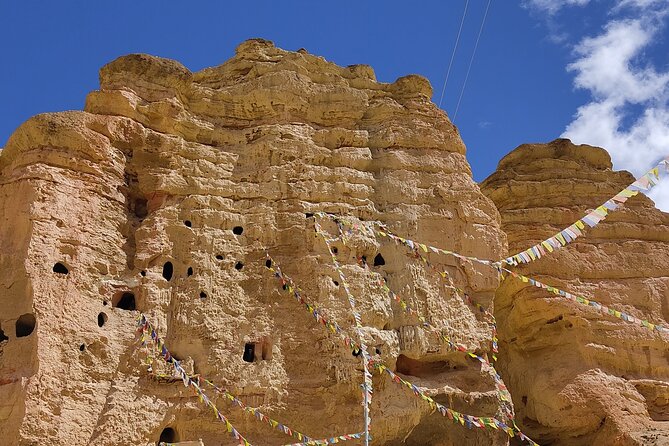
From Kagbeni, the route turns toward Chele. You walk through dry country marked by ancient caves, bare slopes, and traditional villages. This section introduces the visual rhythm of Upper Mustang: pale rock, open sky, rough trails, and settlements that appear carefully placed in an otherwise severe environment.
Chele is followed by Syanboche, where the route crosses high-altitude desert and rugged terrain. This is the part of the trek that will appeal most to people who prefer quiet scenery over busy viewpoints. The beauty is spare and exposed. You should be comfortable with long stretches where the setting feels remote and the vegetation is limited.
The next stop, Ghami, is described as a larger and more active village in the region. It is known for old monasteries and its position among dramatic rock formations. Ghami gives the route a stronger sense of community after the open spaces around Syanboche.
From Ghami, you continue to Tsarang. This village has an ancient monastery and the imposing Tsarang Fort, making it one of the more rewarding cultural stops before Lo Manthang. I like this progression. You are not seeing the same kind of village every night. The route shifts from cave sites and empty valleys to religious buildings, forts, and more substantial settlements.
The main caution is the daily timing. Every one of these days is presented as a roughly 12-hour stop. That may include the full day’s movement and sightseeing rather than 12 hours of continuous walking, but the schedule still signals a serious trek. Ask the operator for exact walking hours, elevation figures, and overnight arrangements before paying.
More Treks and Hikes:
- Everest Base Camp Trek – 14 Days
★ 5.0 · 1,499 reviews - Everest Base Camp Trekking
★ 5.0 · 485 reviews - Nagarkot Sunrise View and Day Hiking from Kathmandu
★ 5.0 · 471 reviews - Annapurna Circuit Trek with Tilicho Lake
★ 5.0 · 368 reviews
Day 8: Reaching the walled capital, Lo Manthang
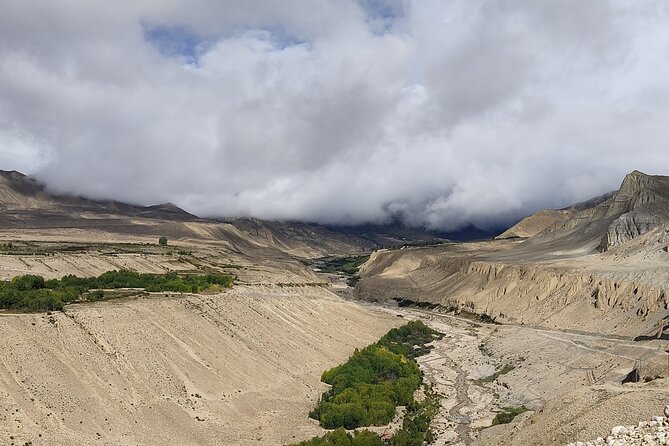
The route from Tsarang to Lo Manthang is the emotional center of the trip. Lo Manthang is the capital of Upper Mustang, a walled settlement with narrow lanes, traditional homes, and strong Tibetan influence.
The walled form of the town gives it a clear sense of place. Rather than arriving at a modern resort area, you enter a historic settlement whose character comes from its compact streets and old buildings. The first view may be more impressive than any single monument because the whole town works as a complete setting.
The program gives Lo Manthang another full day after arrival, which is exactly the right choice. A rushed visit would miss much of what makes the place special. You can walk the lanes at a slower pace, spend time around religious sites, and let the town’s scale and silence register.
The route description does not list every service or meal arrangement in Lo Manthang, so keep your expectations practical. Accommodation during the trek is not included in the stated price. You and the operator will need to clarify the lodging plan before departure.
Day 9: Thubchen Gompa, Chhoser Cave, and a second look at Lo Manthang
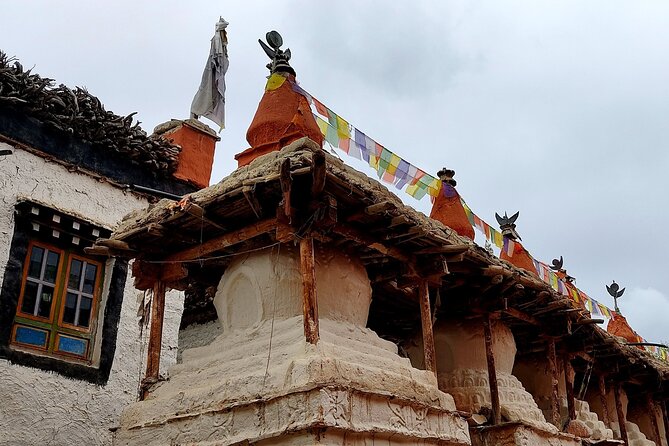
Day 9 is the strongest sightseeing day in the program. Thubchen Gompa is one of Lo Manthang’s oldest and most significant monasteries. Its architecture and quiet interior offer a close look at the religious traditions that shaped the area.
The visit is listed at about 30 minutes. That is enough for an introduction, but it is not a long study visit. If you care about art, architecture, or Buddhism, ask your guide how much explanation and access are normally available during the stop.
You then visit Chhoser Cave, a site with a striking setting and centuries of use. The cave complex is linked with old settlement and religious activity, and its position near Lo Manthang makes it one of the most memorable excursions in the program. The listed visit is about 45 minutes, so you should expect a focused visit rather than an all-day exploration.
The day ends back in Lo Manthang. This second period in town is valuable. You have already seen the approach, so you can pay attention to small details: the narrow passages, traditional houses, walls, and the relationship between the town and the surrounding rock country.
A guide is especially useful here. The operator identifies Devaraj as a guide connected with the company, and the feedback about his care and organization is particularly positive. His daughter also helped with smooth communication before one booking. The exact guide assigned to your group should be confirmed before departure, but the company’s personal, family-linked approach is a reassuring sign.
Days 10 and 11: Returning through Dhakmar and Kagbeni
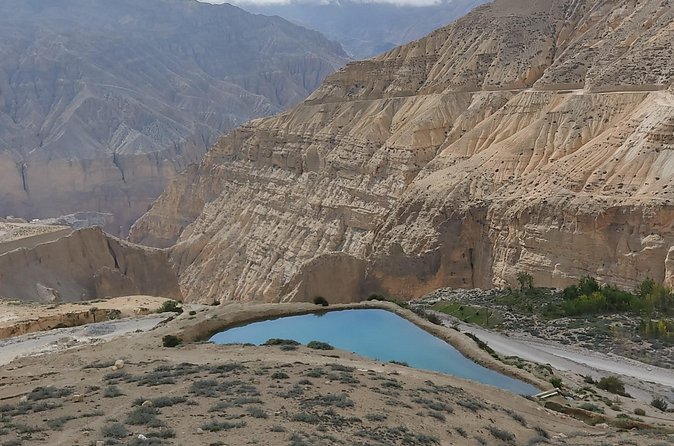
The return trek begins with a walk from Lo Manthang to Dhakmar. This is not just a repeat performance. Familiar valleys and rock formations look different when you approach them from the other direction, and the route offers new views of the broad Mustang scenery.
Dhakmar is known for unusual rock formations and wide valleys. It provides a different mood from Lo Manthang’s enclosed streets. Here, the attraction is the open setting and the changing shapes of the cliffs.
The following day takes you back to Kagbeni. Retracing part of the route can feel repetitive, especially after several long walking days, but it also gives you a chance to understand the route better. On the way north, you may have been focused on reaching the next stop. On the way south, you can give more attention to village details and the scenery around the trail.
The trip does not include porters. That matters. If you do not want to carry your own main bag, arrange porter support separately and confirm the added cost. You also need to plan for trek accommodation, meals, drinks, personal expenses, and tips.
Days 12 to 14: Jomsom, Pokhara, and departure
From Kagbeni, you return to Jomsom and fly to Pokhara. The flight is listed at about 30 minutes, followed by free time in Pokhara to rest and reflect on the trek.
This overnight pause in Pokhara is useful after the walking section. You are not expected to drive immediately back to Kathmandu after landing. The city also gives you a softer final evening, with the lake and mountain views providing a sharp contrast to Mustang’s dry cliffs.
Day 13 is a road journey back to Kathmandu. Like the outward drive, it takes much of the day. Once in the capital, you have time to relax, shop, or explore before departing from Tribhuvan International Airport on Day 14.
Airport drop-off is included. Still, avoid scheduling anything that depends on perfect timing during the mountain flight portion of the trip. The supplied details do not promise fixed flight times or protection against changes, and extra Kathmandu accommodation caused by a schedule change is not included.
What the $1,212 price really covers
At first glance, $1,212 for 14 days looks reasonable for a private, permit-based trek in a restricted region. The value is strongest if you want a guide, airport transfers, Kathmandu lodging, transport listed in the schedule, and help with the required permits.
The included items are:
- Two nights at Hotel Chhimeki in Kathmandu
- Airport pickup and drop-off
- Transport according to the planned route
- A government-licensed English-speaking trekking guide
- Upper Mustang Restricted Area Permit for 10 days
- Annapurna Conservation Area Permit
- A first-aid medical box
- A T-shirt, duffel bag, and trekking map with the company logo
- Dinner
- Taxes
The important catch is that the price does not include all meals. The details list dinner as included, then exclude meals generally, so you should ask the operator exactly which dinners are covered and which meals you must pay for. Drinks are excluded.
Accommodation during the trek is also excluded, as are porters, visa fees, international flights, travel insurance, rescue operations, tips, and personal spending. The price can still be fair, but only if you compare the full expected cost rather than the headline number.
Who will enjoy this trek most
I would recommend this trip to you if you want culture and unusual scenery as much as mountain views. It suits people who are comfortable with a demanding schedule and who appreciate old towns, monasteries, cave sites, and quiet trails.
It is a good fit for a private group that wants direct contact with one guide rather than a large organized party. The company’s strongest praise centers on organization, communication, and the personal care shown by Devaraj and the guiding team.
I would be more cautious if you want a relaxed holiday, included meals, or a simple all-in price. The long daily schedule and extra costs require planning. You should also be prepared for the fact that the route uses road travel, flights, and walking, rather than one continuous trail experience.
A moderate level of physical fitness is required. The program does not provide detailed elevation profiles or walking-hour breakdowns, so ask for those before booking. That is one of the most useful questions you can put to the operator.
Booking details worth checking first
The activity is private, and only your group takes part. Pickup is offered, with the listed starting point at Hotel Chhimeki, 17 Purano Dhalko Marga, Kathmandu.
Confirmation is provided at booking, and the experience runs daily during the stated operating period from April 29, 2025 through December 22, 2026. You can cancel for a full refund if you do so at least three full days before the local start time. Late cancellations and late changes are not accepted.
Before you commit, ask for four clear answers:
- Which trek nights are booked, and what type of accommodation is used?
- Which meals are included beyond the listed dinner?
- Is the assigned guide Devaraj or another member of the team?
- What are the expected walking hours and elevation gains each day?
These questions do not take away from the trip’s appeal. They simply turn a promising plan into a realistic one.
Should you book the Upper Mustang Trek?
Book it if you want a private, culturally focused trek through one of Nepal’s most distinctive regions, and you are willing to manage extra costs for lodging, food, porters, insurance, and possible rescue.
The best parts are the extended time around Lo Manthang, the visits to Thubchen Gompa and Chhoser Cave, the changing villages, and the support of an organized local team. The main weaknesses are the long daily schedule and the number of significant exclusions from the $1,212 price.
For an active visitor who values ancient settlements and stark Himalayan scenery over luxury, this is a memorable choice. Just get the cost breakdown and walking details in writing before you go.
FAQ
How long does the Upper Mustang Trek take?
The experience lasts approximately 14 days, beginning in Kathmandu and ending with departure from Tribhuvan International Airport.
Is airport pickup included?
Yes. Airport pickup and drop-off are included, with the listed meeting point at Hotel Chhimeki in Kathmandu.
Is accommodation during the trek included?
No. The price includes two nights of accommodation in Kathmandu at Hotel Chhimeki, but accommodation during the trek is not included.
Are meals included?
Dinner is listed as included, but meals generally are excluded. Drinks are also not included, so confirm the exact meal plan with the operator.
Are permits included?
Yes. The Upper Mustang Restricted Area Permit for 10 days and the Annapurna Conservation Area Permit are included.
Is this a private activity?
Yes. Only your group participates, and an English-speaking, government-licensed trekking guide is provided.
Just added around Kathmandu
- Private Shopping Tour in Kathmandu★ 5.0 · 3 reviews
- Nagarkot Sunrise With 7 UNESCO World Heritage Private Tour★ 5.0 · 3 reviews
- Mount Everest Scenic Flight 50 Minutes★ 5.0 · 3 reviews
- Kathmandu: Nightlife and Pub Crawl Tour★ 5.0 · 3 reviews
- Momo Cooking Class -The Art Of Making MoMo with Home Chef★ 5.0 · 3 reviews
- Kathmandu: Nagarkot, Bhaktapur, Doleswor & Sanga Statue Tour★ 5.0 · 3 reviews
- Makalu Base Camp Trek★ 5.0 · 3 reviews
- Kathmandu: Momo Making Class with a Local Chef★ 5.0 · 3 reviews
Upper Mustang Treks, compared.
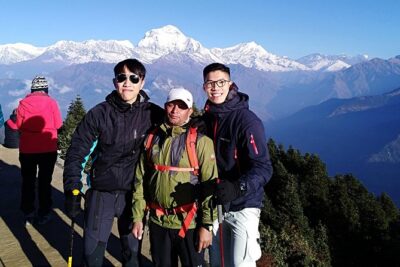
Trekking in Annapurna/Langtang/Everest/Upper Mustang regions
Read our review →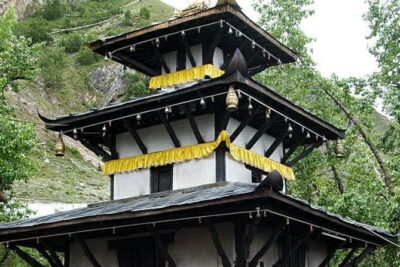
2-Day Scenic Mustang Tour: Pokhara to Jomsom, Kagbeni & Muktinath
Read our review →
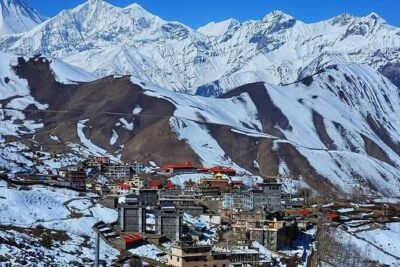
3 Day Lower Mustang Tour with 4WD Jeep from Pokhara
Read our review →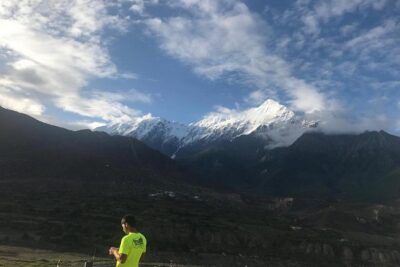
5 Days Adventures Lower Mustang Trip by 4WD Jeep
Read our review →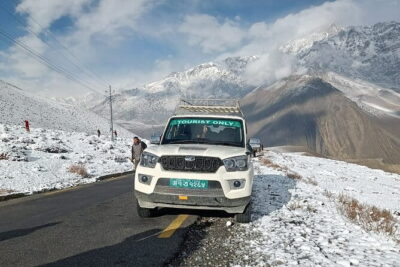
“Exclusive Round-Trip Transfer: Pokhara to Jomsom & Muktinath”
Read our review →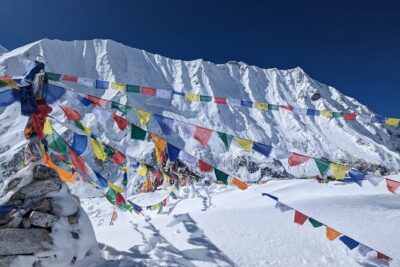
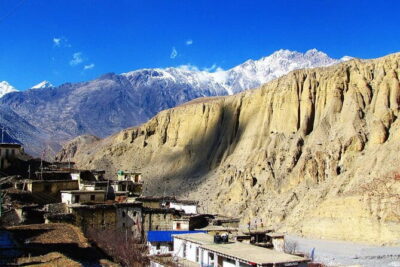
6 Day Upper Mustang Tour by 4WD Jeep from Pokhara
Read our review →Browse the lists this tour appears in