
Reviewed · ANNAPURNA BASE CAMP TREKS
Annapurna Base Camp Trek
The Himalayas reward steady feet. This 11-day Annapurna Base Camp Trek combines rhododendron forests, Gurung villages, mountain views, and a high point of 4,130 meters with a useful level of support. I like the carefully arranged transport and permits, and I like that meals, a guide, porter service, sleeping bag, and teahouse lodging are covered.
The main consideration is the word luxury. You receive 3-star hotels in Kathmandu and Pokhara, but trekking nights use the best available twin-sharing teahouses, and the long road journeys run by tourist bus. The advertised price of $240 per person is attractive for the inclusions, though you still need to budget for insurance, drinks, tips, visas, and some meals.
In This Review
- Key points to know before booking
- What the $240 price really buys you
- Kathmandu arrival: a soft landing at 1,400 meters
- The long road to Pokhara
- Ghandruk brings villages and mountain culture
- Ghandruk to Sinuwa: the first serious walking day
- Bamboo forests lead to Deurali
- Annapurna Base Camp at 4,130 meters
- The descent to Bamboo changes the pace
- Jhinu Danda offers a welcome lower-altitude stop
- A short walk returns you to Pokhara
- The second long bus ride to Kathmandu
- Departure day and practical arrangements
- Food, lodging, and comfort on the trail
- Who should book this Annapurna trek?
- Should you book it?
- FAQ
- How long is the Annapurna Base Camp Trek?
- What is the highest altitude reached?
- Is transportation from Kathmandu to Pokhara included?
- Are meals included during the trek?
- Is accommodation included?
- What is not included in the price?
Key points to know before booking
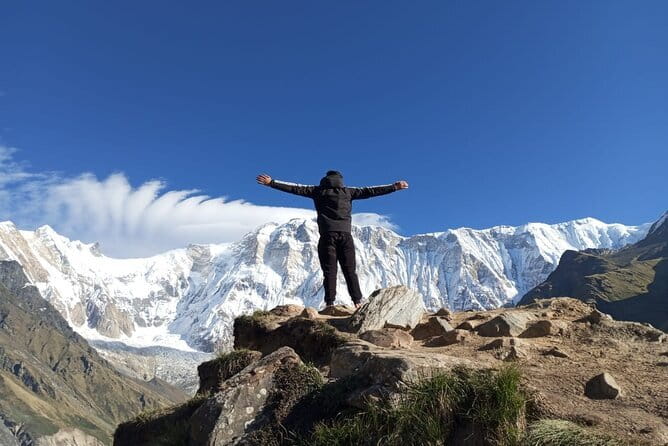
- 4,130-meter summit: Reach Annapurna Base Camp, with Machhapuchhre Base Camp on the route and major Himalayan views.
- A supported trek: An English-speaking, government-licensed guide leads the walk, with one porter for every two people.
- Food is mostly covered: Breakfast, lunch, dinner, and tea or coffee are included during the trekking days.
- Kathmandu to Pokhara by road: Expect two long drives of about seven to eight hours each, rather than domestic flights.
- Comfort has limits: Kathmandu and Pokhara use 3-star hotels, while the mountain nights are in teahouses and hot showers cost extra.
- A private group experience: Only your own group participates, with pickup available from Tribhuvan International Airport.
What the $240 price really buys you
At $240 per person, this trek is priced more like a practical guided package than a high-end luxury holiday. That is not a problem, but it is worth setting your expectations correctly. The price covers airport transfers, the Kathmandu to Pokhara tourist bus, trekking permits, hotel stays with breakfast, teahouse lodging, full-board meals during the trek, a licensed guide, porter support, taxes, a first aid kit, a duffel bag, and a sleeping bag.
That package removes several large planning tasks. You do not need to arrange the Annapurna Conservation Area Permit or TIMS card yourself. You also have help carrying gear, which matters on the long uphill sections between Ghandruk and Annapurna Base Camp.
The porter arrangement is one porter for two trekkers. That is common for a supported Himalayan trek, but it means you should pack sensibly and keep your daypack manageable. Your main bag may be carried, while you still need water, warm layers, rain protection, snacks, and personal items with you.
There are clear extra costs. International airfare, the Nepal entry visa, travel and rescue insurance, tips, laundry, phone calls, bottled water, alcoholic drinks, and other beverages are not included. Lunch and dinner in Kathmandu and Pokhara are also outside the package. Hot showers during the trek cost extra as well.
The word luxury can therefore be read as more support and better planning, not private mountain lodges or hotel-style facilities every night. If you want a polished trekking arrangement without paying for a premium expedition, the value is strong. If you expect upscale rooms in the mountains, you may find the description too generous.
More Annapurna Base Camp Treks:
- Annapurna base camp trek 5 Days
★ 5.0 · 252 reviews - Annapurna Base Camp Trek
★ 5.0 · 111 reviews - Kathmandu to Annapurna Base Camp (ABC) 5-Day Trek
★ 5.0 · 102 reviews
Kathmandu arrival: a soft landing at 1,400 meters
Your trip begins at Tribhuvan International Airport. A representative meets you and takes you to your Kathmandu hotel, a short drive of roughly 30 to 45 minutes. That airport pickup is a small but welcome convenience after an international flight, especially if this is your first visit to Nepal.
The first and final nights include hotel accommodation and breakfast. The schedule leaves some room to rest at the start, though the supplied plan does not describe a full sightseeing program in Kathmandu. I would treat this part as a practical arrival and departure base rather than a guided city tour.
You should also use this time to check your trekking gear, organize what goes into the porter’s duffel, and keep your essential items in your daypack. The provider supplies a duffel bag and sleeping bag, both of which must be returned at the end.
The long road to Pokhara
After breakfast on Day 2, you travel about 200 kilometers to Pokhara by tourist bus. The ride takes seven to eight hours, so this is not a quick transfer. It is a full travel day, with the reward of reaching Pokhara, a lake city at 822 meters.
This road journey gives the trip a more local, overland character than an itinerary built around flights. It also keeps the price down. The drawback is simple: road conditions and traffic can make a seven-hour estimate feel long, and you lose a day that could otherwise be spent walking.
Pokhara is the staging point for the trek. You stay in a 3-star hotel there, with breakfast included. Lunch and dinner are not covered in Pokhara, so plan for those meals separately.
Ghandruk brings villages and mountain culture
On Day 3, the group drives about 41 kilometers toward Nayapul, then walks roughly five kilometers to Ghandruk. The driving section takes around two to three hours, followed by three to four hours of trekking. Ghandruk sits at 1,940 meters and is one of the most appealing stops on the route.
The village is associated with Gurung culture, and the walk begins to show the changing character of the Annapurna region. You move from road travel into foot travel, with traditional settlements, forest paths, and wider mountain views replacing the bus window.
Breakfast, lunch, and dinner are included from this point during the trek. That full-board setup makes the daily budget easier to control, though bottled water and drinks remain extra.
The first walking day is not a gentle stroll. Five kilometers may sound modest, but the combination of vehicle transfer, uneven paths, and several hours on foot can make it feel substantial. A moderate level of fitness is required, as the provider states clearly.
More Treks and Hikes:
- Everest Base Camp Trek – 14 Days
★ 5.0 · 1,499 reviews - Everest Base Camp Trekking
★ 5.0 · 485 reviews - Nagarkot Sunrise View and Day Hiking from Kathmandu
★ 5.0 · 471 reviews - Annapurna Circuit Trek with Tilicho Lake
★ 5.0 · 368 reviews
Ghandruk to Sinuwa: the first serious walking day
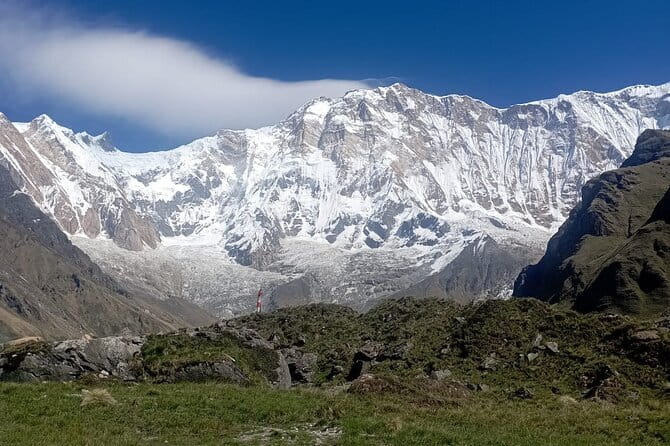
Day 4 covers about 12 kilometers in six to seven hours. The route descends toward the Kimrong Khola before climbing again to Sinuwa, at 2,340 meters. This repeated pattern of going down and then back up is typical of Himalayan trekking, and it can be harder than a route that simply rises at a steady angle.
Sinuwa is surrounded by forest, and the path begins to feel more remote. You are now gaining altitude in a serious way, so a patient pace matters. The guide’s role becomes especially useful here. The trip’s guide is described as an experienced, English-speaking, government-licensed professional, and the strongest praise in the available feedback focuses on organization, care, and helpful support from guides and porters.
There is no scheduled acclimatization day in the 11-day plan. The route does gain height gradually, but you should still tell your guide if you feel unwell. Travel and rescue insurance is not included, so arranging suitable cover before departure is essential.
Bamboo forests lead to Deurali
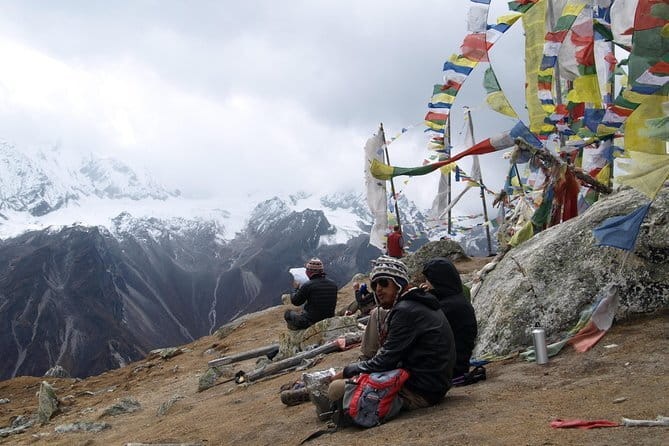
From Sinuwa, you walk 10 kilometers to Deurali on Day 5. The scheduled walking time is six to seven hours, and the overnight altitude rises to 3,200 meters. The route passes through bamboo forest and continues toward the higher part of the sanctuary.
This section has a different mood from the open views near the villages. The forest offers shade and a close, green setting, but it can also make the route feel enclosed. You should expect a steady climb, uneven surfaces, and a full day on your feet.
Deurali is an important staging point before Base Camp. The altitude is now high enough that the cold, thinner air, and effort can affect your sleep and appetite. Included hot meals and tea or coffee are useful comforts, but do not confuse a full meal plan with a restaurant experience. Teahouse food is practical, filling, and part of the mountain routine.
Annapurna Base Camp at 4,130 meters
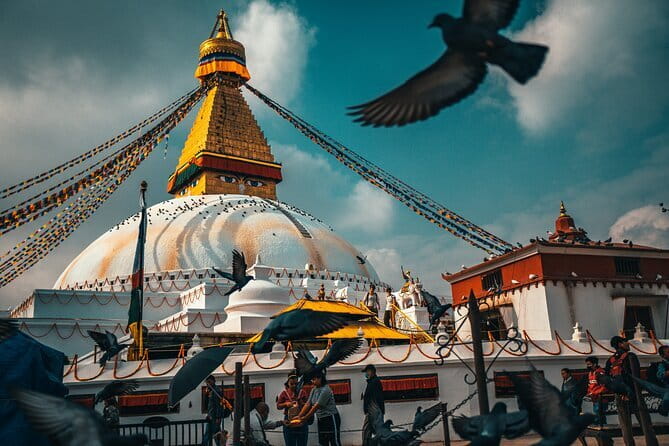
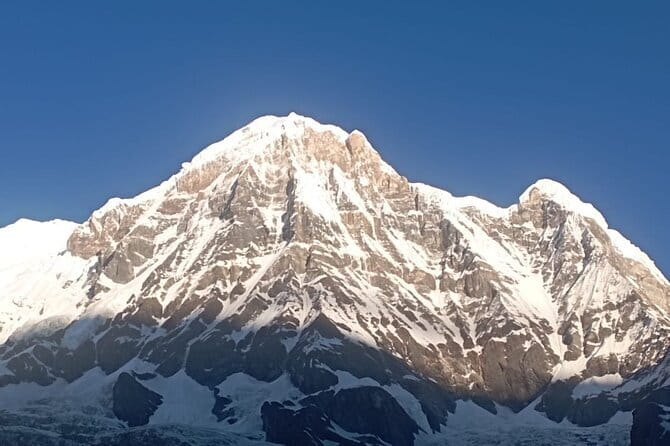
Day 6 is the high point of the trip. You walk about nine kilometers in six to seven hours, reaching Annapurna Base Camp at 4,130 meters, or 13,550 feet. The route also includes Machhapuchhre Base Camp, a major feature of this trek and a memorable approach to the final destination.
The reward is the close mountain setting and broad views of Annapurna and Machhapuchhre. This is the day that gives the trek its name, but it is not an easy victory lap. At more than 4,000 meters, the same distance feels more demanding than it would at sea level.
Take the high point slowly. Stay close to the group, follow the guide’s advice, and keep warm after reaching camp. The itinerary lists no separate rest day at Base Camp, so the schedule is efficient rather than leisurely.
This is also where the luxury promise feels most limited. You are staying in mountain teahouse accommodation, not a full-service hotel. The bedding support, supplied sleeping bag, meals, and guide service make the night more manageable, but hot showers are excluded and personal comfort remains basic.
The descent to Bamboo changes the pace
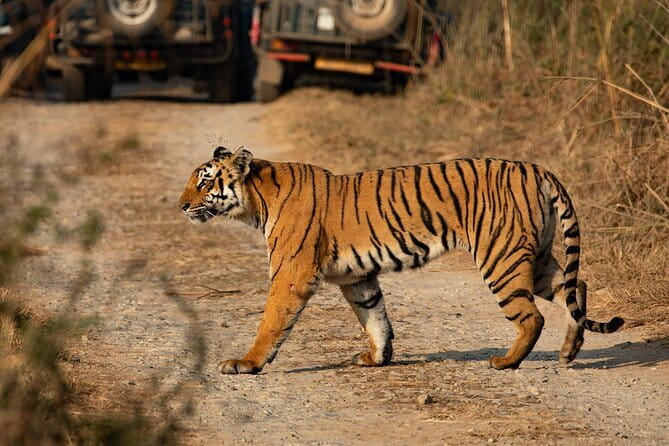
After a memorable morning at Base Camp, Day 7 begins the return journey. The route covers about 13 kilometers in six to seven hours and descends to Bamboo, at approximately 2,310 meters.
Downhill walking can be easier on your breathing but harder on tired knees. Trekking poles, careful foot placement, and a sensible pace are useful. The long descent also gives you a second chance to appreciate sections of the trail that looked different while climbing.
The schedule does not add a sightseeing detour here. This is a practical return stage, designed to bring you back to a lower altitude and prepare you for Jhinu Danda.
Jhinu Danda offers a welcome lower-altitude stop
Day 8 covers 11 kilometers in five to six hours, ending at Jhinu Danda at 1,780 meters. The lower altitude makes this feel like a relief after Base Camp, and the route passes through forest again.
Jhinu Danda is known as a relaxing stop on this trekking route, though the supplied details do not promise a specific hot-spring visit. Do not assume that an attraction is included unless your guide confirms it locally. The important benefit here is the change in elevation and the shorter walking time compared with the previous stages.
Meals remain included during the trek. Drinks, bottled water, and alcoholic beverages do not, so carry or purchase what you need along the way.
A short walk returns you to Pokhara
On Day 9, you walk about six kilometers before taking a two to three-hour drive back to Pokhara. The schedule describes this as a short and easy descent, ending the mountain portion of the trip.
This mixed walking and driving day is useful. You get one final stretch on the trail without adding another long mountain stage, then return to a hotel in Pokhara. After several nights in teahouses, a 3-star hotel and the city’s services can feel especially welcome.
Breakfast and lunch are included on this day. Dinner in Pokhara is not, so you can choose your own meal and absorb the transition from trekking to city travel.
The second long bus ride to Kathmandu
Day 10 repeats the 200-kilometer road journey from Pokhara to Kathmandu. Allow seven to eight hours, with breakfast included and dinner provided in Kathmandu.
This return by tourist bus is the least exciting logistical part of the experience, but it is also what keeps the package affordable. If you dislike long road rides, this is the clearest weakness in the schedule. The plan does not include a flight alternative.
Back in Kathmandu, you have a final night in the included hotel. A farewell dinner is also part of the package, giving the trip a proper closing meal before departure.
Departure day and practical arrangements
Day 11 includes breakfast and an airport transfer of roughly 30 to 45 minutes. Depending on your flight time, you may have some free time before leaving, but no detailed sightseeing plan is provided.
The tour is private, meaning only your own group participates. That is a useful feature if you want a more personal pace or prefer not to be folded into a large mixed party. Group discounts are available, and mobile ticketing and pickup are offered.
Confirmation is provided at booking, and the meeting point is Tribhuvan International Airport in Kathmandu. The cancellation policy allows a full refund if you cancel at least 24 hours before the local start time. Poor weather or failure to meet the minimum number of participants may lead to another date, another experience, or a full refund.
Food, lodging, and comfort on the trail
The meal plan is one of the package’s most useful features. During the trekking days, breakfast, lunch, dinner, and tea or coffee are covered. The schedule lists 11 breakfasts, eight dinners, and seven lunches, although the exact distribution reflects the hotel and travel days.
The available feedback gives special praise to the food, organization, and friendly help from guides and porters. One account describes the arrangements as well planned and the care as warm, while another praises the team’s professionalism and guidance. A Polish-language comment also highlights the guides and porters as kind, helpful, and ready to offer advice.
That praise matters because a trek’s success often depends on ordinary details: meals arriving on time, bags being handled properly, and someone noticing when you need help. Still, no package can remove the basic conditions of a high-altitude walk. Teahouses are simple, hot showers cost extra, and private expenses add up.
Who should book this Annapurna trek?
I would recommend this trip to someone who wants a guided Base Camp trek with a clear route and most major logistics handled. It suits people with moderate fitness who can manage six to seven hours of walking on several consecutive days.
It is also a good choice if you value support more than complete independence. The guide, porter arrangement, permits, meals, airport transfers, and supplied gear simplify the planning. A private group can make the experience feel more relaxed than a large shared departure.
I would hesitate to recommend it to someone seeking a truly high-end Himalayan holiday. The title suggests luxury, but the actual mountain experience is a supported teahouse trek. I would also think twice if long bus journeys are a deal-breaker, since both Kathmandu to Pokhara and the return take seven to eight hours.
Should you book it?
Book this Annapurna Base Camp Trek if you want strong value, practical support, and a private 11-day schedule that reaches 4,130 meters without requiring you to arrange every permit, meal, transfer, and porter yourself.
Before paying, confirm exactly what the operator means by premium or luxury lodging, ask about current road conditions, and budget separately for insurance, visa fees, drinks, showers, tips, and city meals. With those expectations in place, the package offers an efficient way to experience Gurung villages, rhododendron and bamboo forests, Machhapuchhre, Annapurna Base Camp, and Jhinu Danda in one well-supported journey.
FAQ
How long is the Annapurna Base Camp Trek?
The scheduled experience lasts 11 days, including arrival and departure transfers, the journeys between Kathmandu and Pokhara, and the trekking stages.
What is the highest altitude reached?
The highest point is Annapurna Base Camp at 4,130 meters, or 13,550 feet.
Is transportation from Kathmandu to Pokhara included?
Yes. The package includes tourist bus transportation from Kathmandu to Pokhara and back. Each journey is listed as about 200 kilometers and seven to eight hours.
Are meals included during the trek?
Yes. Breakfast, lunch, dinner, and tea or coffee are included during the trekking portion. Lunch and dinner in Kathmandu and Pokhara are not included.
Is accommodation included?
Yes. The package includes 3-star hotel accommodation in Kathmandu and Pokhara with breakfast, plus the best available twin-sharing teahouse accommodation during the trek.
What is not included in the price?
International airfare, the Nepal entry visa, travel and rescue insurance, personal expenses, bottled water, alcoholic drinks, other beverages, hot showers during the trek, tips, and lunch and dinner in Kathmandu and Pokhara are not included.
Just added around Kathmandu
- Private Shopping Tour in Kathmandu★ 5.0 · 3 reviews
- Nagarkot Sunrise With 7 UNESCO World Heritage Private Tour★ 5.0 · 3 reviews
- Mount Everest Scenic Flight 50 Minutes★ 5.0 · 3 reviews
- Kathmandu: Nightlife and Pub Crawl Tour★ 5.0 · 3 reviews
- Momo Cooking Class -The Art Of Making MoMo with Home Chef★ 5.0 · 3 reviews
- Kathmandu: Nagarkot, Bhaktapur, Doleswor & Sanga Statue Tour★ 5.0 · 3 reviews
- Makalu Base Camp Trek★ 5.0 · 3 reviews
- Everest Experience Trek 6 Day Hiking Adventure★ 5.0 · 3 reviews
Annapurna Base Camp Treks, compared.



Kathmandu to Annapurna Base Camp (ABC) 5-Day Trek
Read our review →

Browse the lists this tour appears in