
Reviewed · EVEREST BASE CAMP TREKS
Everest Base Camp Trek with Helicopter Return from Gorakshep to Lukla
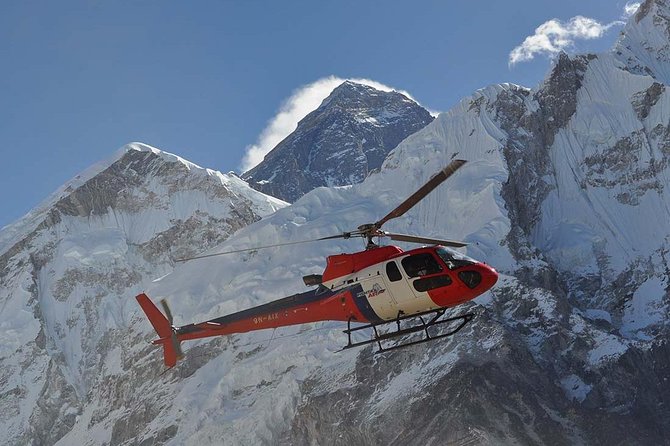
The mountain reward comes one hard step at a time. This 12-day Everest Base Camp trek combines classic Himalayan walking with a 20-minute helicopter flight from Gorakshep to Lukla, saving you the long return trek. I like the careful acclimatization stops at Namche and Dingboche, and I like that the package includes guides, porters, meals, permits, flights, and staff support. The main consideration is the altitude: this is a demanding trek, not a casual sightseeing trip.
You will cross prayer-flagged suspension bridges, pass monasteries and memorials, and reach Everest Base Camp at 5,365 meters. I also like the practical touches, including an oxygen saturation monitor, filtered trail water, seasonal fruit, and a porter for every two people. The price is high at $3,000 per person, but the included services cover many costly and important parts of a Himalayan trip.
In This Review
- Key points to know before you book
- What the 12-day Everest Base Camp trip really offers
- Kathmandu arrival and preparation on Day 1
- Day 2: The flight to Lukla and the walk to Phakding
- Day 3: Suspension bridges and Namche Bazaar
- Day 4: Acclimatization around Namche
- Day 5: Tengboche monastery at 3,860 meters
- Day 6: Pangboche and the climb to Dingboche
- Day 7: Nangkartshang Peak acclimatization hike
- Day 8: Memorial stones and Lobuche
- Day 9: Everest Base Camp at 5,365 meters
- Day 10: Kala Patthar at 5,555 meters
- The Gorakshep to Lukla helicopter return
- Day 11 and Day 12: Returning to Kathmandu and flying home
- Is the $3,000 price good value?
- Who should book this trek?
- Booking details and cancellation terms
- Should you book the Everest Base Camp trek with helicopter return?
- FAQ
- How long does the Everest Base Camp trek with helicopter return take?
- What is the helicopter route?
- Is Kathmandu airport pickup included?
- What accommodation is included?
- Are meals included?
- Do I need travel insurance?
- How many people can join the group?
Key points to know before you book
- Helicopter return from Gorakshep: A shared helicopter flight takes you back toward Lukla after the Base Camp section, replacing the usual long descent.
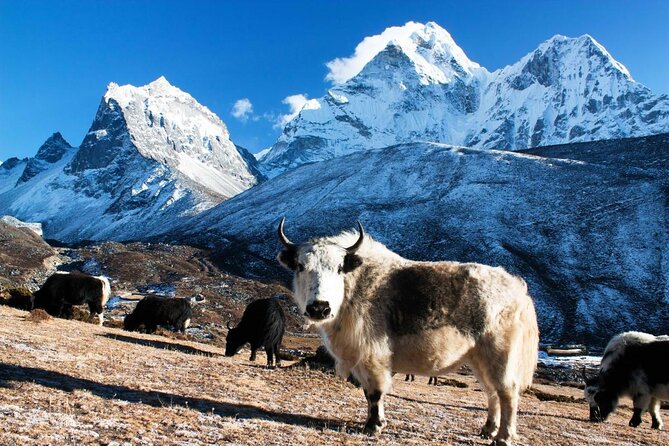
- Two acclimatization days: Namche Bazaar and Dingboche provide planned rest and altitude adjustment, with hikes rather than complete inactivity.
- Strong staff support: A licensed English-speaking guide, porters, staff insurance, first-aid supplies, and an oxygen monitor are included.
- Classic Everest route: You walk through Phakding, Namche, Tengboche, Dingboche, Lobuche, Everest Base Camp, and Kala Patthar.
- Small maximum group: The stated maximum is 14 people, with a minimum booking of two.
- Weather matters: Flights and the helicopter return depend on mountain weather, so the schedule can change.
What the 12-day Everest Base Camp trip really offers
This is a full-service trek for people who want the famous Everest route without arranging every piece themselves. The package begins and ends in Kathmandu, includes airport transfers, and provides accommodation, food, permits, domestic flights, guides, porters, and a helicopter return from Gorakshep to Lukla.
The helicopter is the headline feature, but it is not the reason to underestimate the walk. You still climb to more than 5,000 meters, spend several nights at high altitude, and tackle difficult days around Everest Base Camp and Kala Patthar.
I see this as a good middle ground between a standard round-trip trek and a luxury helicopter tour. You earn the mountain views on foot, then shorten the return. That saves time and reduces the strain of descending the same route.
More Everest Base Camp Treks:
- Everest Base Camp Trek – 14 Days
★ 5.0 · 1,499 reviews - Everest Base Camp Trekking
★ 5.0 · 485 reviews - Everest Base Camp Trekking – 13 Day
★ 5.0 · 365 reviews
Kathmandu arrival and preparation on Day 1
Your first day is intentionally easy. An official meets you at Tribhuvan International Airport and transfers you by private tourist vehicle to a three-star hotel in Kathmandu.
A pre-trip meeting follows, where you meet your guide and prepare for the route. You receive an Ace the Himalaya duffel bag, trekking map, and sun hat to keep. Kathmandu accommodation includes breakfast for two nights, but lunch and dinner in the city are not included.
This day matters because the trek begins early the next morning. Use the meeting to check your personal equipment, ask how luggage will be divided between your daypack and porter load, and confirm the flight plan. The package includes two people per porter, which lightens your walking load but does not remove the need for sensible packing.
Day 2: The flight to Lukla and the walk to Phakding
The morning begins at Kathmandu’s domestic airport with a scenic flight of about 35 minutes to Tenzing and Hillary Airport in Lukla, at 2,804 meters.
Lukla is the gateway to the Khumbu region. After landing, you meet the local trekking team and begin walking toward Phakding. This first route introduces you to the pace of the trek without taking you straight into the highest elevations.
Phakding is a useful first overnight stop because it lets your body begin adjusting before the harder climb to Namche. The day is long when transfers and walking are combined, so do not treat it as a warm-up in the usual holiday sense.
Accommodation in Lukla, Phakding, and Namche is described as twin-sharing guesthouse lodging with attached toilets. In other trek locations, the package simply specifies guesthouse accommodation, so comfort and bathroom arrangements may vary as the altitude rises.
Day 3: Suspension bridges and Namche Bazaar
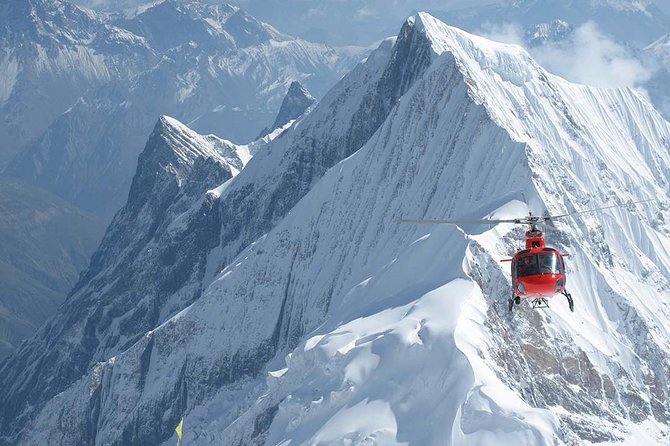
The walk from Phakding to Namche takes about six hours. You follow the Dudh Koshi, crossing the river several times on suspension bridges decorated with prayer flags.
The bridges are not just scenic photo stops. They mark the rhythm of the route, with steady walking, repeated climbs, and river crossings that make the approach to the high mountains feel gradual. You enter Sagarmatha National Park on this part of the trek, using the permits covered in the package.
Namche Bazaar is one of the most important settlements on the route. Its location makes it a natural stopping point before the trail climbs higher, and the next day is reserved for acclimatization.
More Helicopter Trips:
- Everest Base Camp Helicopter Tour landing at Everest View Hotel
★ 5.0 · 668 reviews - Everest Base Camp Helicopter Tour landing at Hotel Everest View
★ 5.0 · 218 reviews - Everest Base Camp helicopter tour with landing
★ 5.0 · 61 reviews - Everest Base Camp Helicopter Tour with Hotel Everest View Landing
★ 5.0 · 52 reviews
Day 4: Acclimatization around Namche
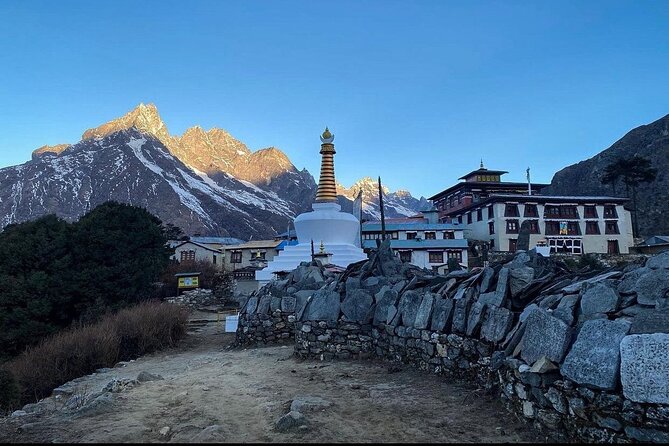
You do not simply sleep late in Namche. The plan includes a short hike around the town to help you adjust to thinner air, with an Everest View Point excursion and Himalayan views.
A sunrise outing is part of the appeal here. The itinerary also highlights views toward Everest and nearby peaks, giving you an early reward before the harder walking begins.
This is a day to move slowly, drink the filtered water provided on the trail, and pay attention to how your body feels. The trip includes a comprehensive first-aid kit and an oximeter for measuring oxygen saturation. That does not replace medical judgment, but it is a sensible safety measure on a high-altitude route.
Namche is also where the trip begins to feel less like a normal hike and more like a serious mountain journey. You are still far below Base Camp, yet the air and terrain already demand patience.
Day 5: Tengboche monastery at 3,860 meters
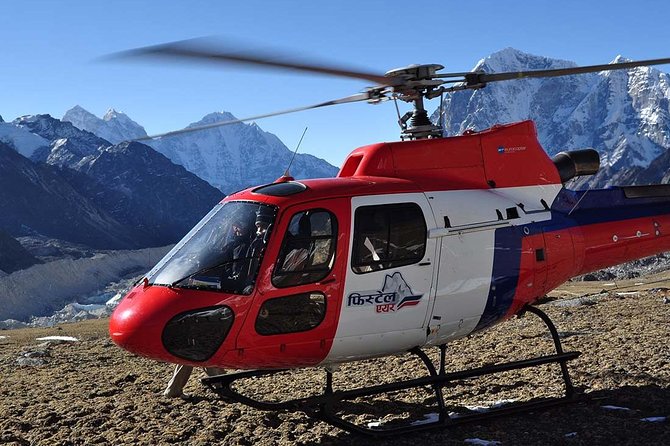
The trail follows the Dudh Koshi toward Tengboche, with glacial water and large mountain views along the way. You reach about 3,860 meters, a clear step up from Namche.
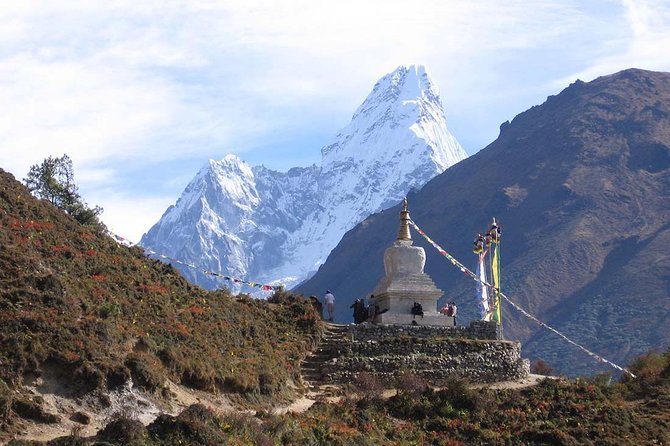
Tengboche is known for its monastery, and the visit adds a cultural layer to the trek. Inside, you can see religious artwork and prayer items, while the surrounding mountain setting gives the stop a powerful sense of place.
The route is not all uphill. It includes changes in elevation that can make the day feel longer than the distance suggests. Take care on the descents and save energy for the climb into Tengboche.
The package includes standard meals throughout the trek: breakfast, lunch, and dinner. That is valuable here because meal planning becomes difficult as settlements grow more remote and supplies cost more to carry.
Day 6: Pangboche and the climb to Dingboche
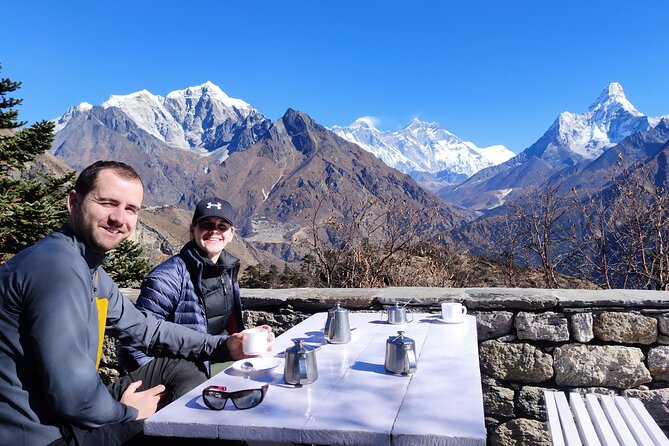
From Tengboche, the route drops to Debuche and crosses the Imja Khola on another suspension bridge. It then climbs to Pangboche, where mani stones line the trail.
Mani stones are carved stones connected with Buddhist practice. They are a quiet reminder that this is not only a route to a famous mountain, but also a lived cultural region with its own traditions and religious symbols.
The walk continues toward Dingboche, at a higher elevation. This is another long day, and you may feel the altitude more than the mileage. The pace set by your guide matters here, especially if you are still finding your breathing pattern.
Dingboche is the second major acclimatization point. The itinerary wisely avoids pushing directly from this village toward Base Camp.
Day 7: Nangkartshang Peak acclimatization hike
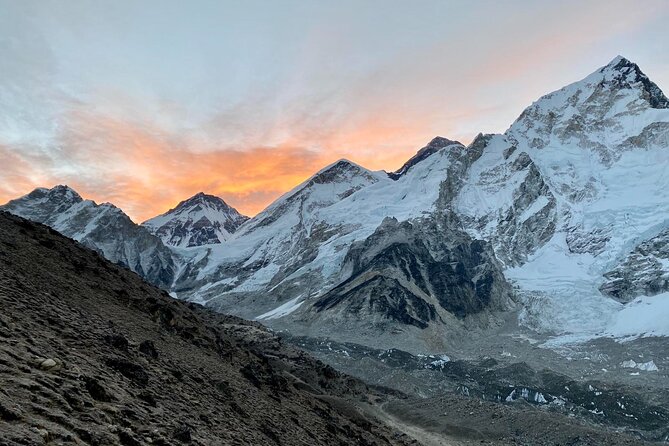
The Dingboche acclimatization day includes a hike to Nangkartshang Peak. You gain height during the day but return to Dingboche to sleep, which helps your body adjust without adding another overnight at the higher elevation.
Nangkartshang is described as an excellent viewpoint, especially for mountain panoramas. This is the sort of short-term effort that makes the following days safer and more manageable.
You should expect the hike to feel demanding. The point is not speed or distance. Walk slowly, keep warm, and listen closely to your guide’s advice.
The two planned acclimatization days are one of the trip’s strongest features. A rushed itinerary might look attractive on paper, but the high Khumbu route rewards a slower schedule.
Day 8: Memorial stones and Lobuche
The route continues beside the lateral moraine of the Khumbu Glacier on the way to Lobuche. You pass stone memorials dedicated to climbers who died on nearby peaks.
These memorials give the Everest route a serious tone. They remind you that the mountain is not simply a backdrop for photographs. Even on a guided trek, the altitude and terrain deserve respect.
Lobuche is a high settlement and a key staging point before Base Camp. By now, the trail has become more exposed and the walking days feel harder. You should keep your daypack light, protect yourself from the sun, and maintain a steady pace.
The company provides seasonal fruit and filtered water along the trail, both useful additions when your appetite and hydration needs change at altitude. Hot and cold drinks, however, are not included.
Day 9: Everest Base Camp at 5,365 meters
This is the big day. You walk beside and over the Khumbu Glacier area toward Everest Base Camp, reaching 5,365 meters.
The route is difficult because of the altitude and uneven glacier terrain. Base Camp itself is not a mountaintop viewpoint in the simple sense. During the climbing season, it can be an active staging area, while outside the season it may feel quieter. The itinerary specifically notes that spring can bring a busier Base Camp setting.
Reaching the camp is still a major achievement. You have walked from Lukla through forests, river valleys, villages, monasteries, and high glacial terrain. The reward is not only the sign or destination, but the entire change in surroundings along the way.
The day is listed as a full-day outing, so bring patience rather than a fixed expectation of speed. Your guide and support team are especially important here. Guides such as Raj, Ram, Madan, and Rajendra have been praised for motivation, care, and steady support, while porters including Bishal, Krishna, Probin, Girija, Pesal, Saman, Jit, and Sher have been singled out for making the trek easier.
Day 10: Kala Patthar at 5,555 meters
Kala Patthar is often the hardest and most rewarding part of this route. The summit reaches about 5,555 meters, higher than Everest Base Camp, and the ascent is demanding.
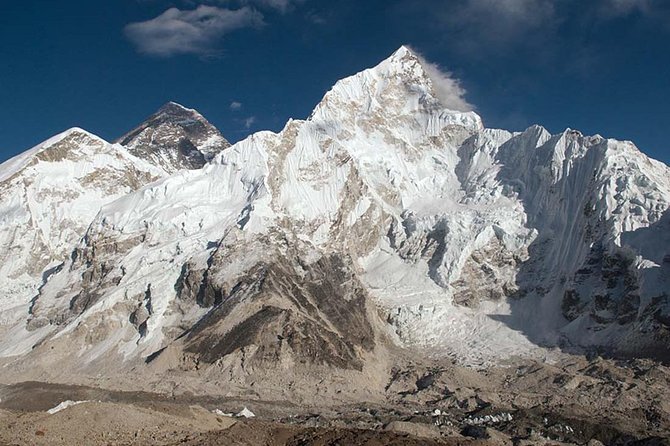
The payoff is the mountain view. The itinerary describes the panorama from Kala Patthar as the most magnificent of the trip, making this early climb a major reason to keep your energy in reserve.
This is not a casual viewpoint walk. You may find the thin air makes every step slow. Follow the guide’s pace, dress for cold conditions, and remember that reaching the top is not the only measure of a successful day.
After Kala Patthar, the helicopter return becomes especially useful. Instead of walking the entire route back down, you are scheduled to fly from Gorakshep to Lukla in a shared helicopter.
The Gorakshep to Lukla helicopter return
The included helicopter ride takes about 20 minutes and is one of the most memorable parts of the trip. From the air, you get a very different view of the valleys, ridges, and villages you crossed on foot.
It also changes the physical balance of the trek. You spend the effort on the ascent and the Base Camp experience, then avoid several days of retracing your steps. That is valuable if you have limited holiday time or want to reduce the wear of a long descent.
The flight is shared, not private. It also depends on suitable weather, as do the scheduled mountain flights. Poor conditions can lead to a different date or a full refund if the experience is canceled for that reason.
One important practical point: the supplied day-by-day description also mentions a 35-minute scenic flight back to Kathmandu on Day 11. Since the package specifically includes a shared helicopter from Gorakshep to Lukla, confirm the exact Day 11 routing and any onward flight arrangements before departure. The helicopter return is clear, but the written schedule is not perfectly consistent about the final flight.
Day 11 and Day 12: Returning to Kathmandu and flying home
The stated plan places you in Lukla on Day 11, followed by a scenic flight toward Kathmandu and a hotel transfer. The final day provides transfer to Tribhuvan International Airport.
The itinerary lists a farewell dinner on the last night, along with two nights of Kathmandu hotel accommodation and breakfast. Lunch and dinner in Kathmandu are your responsibility except for that farewell meal.
A minimum of two people is required to book, and the maximum group size is 14. That is large enough to provide social company but small enough for the guide team to manage without creating a huge walking line.
Is the $3,000 price good value?
At $3,000 per person, this is not a budget trek. But the price includes more than the walking itself:
- Private airport and hotel transfers
- Two nights in a three-star Kathmandu hotel with breakfast
- Trek accommodation
- A licensed English-speaking guide
- Porters, staff wages, insurance, equipment, and medicine
- National park and TIMS permits
- Kathmandu to Lukla airfare
- Shared helicopter transport from Gorakshep to Lukla
- All standard trek meals
- Filtered trail water and seasonal fruit
- Duffel bag, map, sun hat, and first-aid equipment
- Government taxes and administrative costs
The helicopter alone makes the comparison with a normal trek difficult. You are paying for logistics, staff, permits, food, air travel, and a premium return option. You still need to budget for international airfare, visa costs, travel insurance with emergency rescue and evacuation cover, personal gear, drinks, Kathmandu meals, and tips.
Tipping is expected, so include it in your real trip budget. You should also have insurance that specifically covers high-altitude trekking and emergency evacuation.
Who should book this trek?
This experience suits you if you want the classic Everest Base Camp route but prefer professional support and a shorter return. It is also a good fit if you value a planned acclimatization schedule, porters, included meals, and a guide who can monitor the group.
You need a moderate level of physical fitness, but that phrase should not fool you into expecting an easy walk. The route includes long days, thin air, steep climbs, uneven ground, and elevations above 5,000 meters.
You should think twice if you dislike basic guesthouse accommodation, fixed group schedules, high-altitude walking, or weather-related changes. You should also avoid booking without suitable rescue and evacuation insurance.
Booking details and cancellation terms
Confirmation is provided when you book. The meeting time is listed as 8:00 am, while the first airport pickup depends on your arrival details.
For a full refund, cancel at least six full days before the start time. A cancellation two to six full days before departure receives a 50 percent refund, while cancellation less than two full days before the start time is nonrefundable. Weather-related cancellation offers a different date or a full refund.
Should you book the Everest Base Camp trek with helicopter return?
I would recommend it if you want to walk the famous route, have only about 12 days, and appreciate the security of a staffed package. The strongest reasons are the two acclimatization days, the included porter system, the detailed support equipment, and the helicopter return after Kala Patthar.
I would not choose it simply because the helicopter sounds easy. The hard part comes first, and the altitude is real. Book this trip if the price fits your budget, you can prepare for demanding mountain days, and you want the classic Everest experience with a quicker way out.
FAQ
How long does the Everest Base Camp trek with helicopter return take?
The experience lasts approximately 12 days, including arrival and departure arrangements in Kathmandu.
What is the helicopter route?
The package includes a shared helicopter flight from Gorakshep to Lukla. The flight is described as taking about 20 minutes.
Is Kathmandu airport pickup included?
Yes. Airport, hotel, and airport transfers are provided by private tourist vehicle.
What accommodation is included?
You receive twin-sharing accommodation in a three-star Kathmandu hotel for two nights, with breakfast. During the trek, twin-sharing guesthouse accommodation is included, with attached toilets specifically stated for Lukla, Phakding, and Namche.
Are meals included?
Breakfast, lunch, and dinner are included during the trek, along with a farewell dinner on the last night. Lunch and dinner in Kathmandu are not included.
Do I need travel insurance?
Yes. Travel insurance is not included, and you are responsible for arranging insurance that covers emergency rescue and evacuation.
How many people can join the group?
A minimum booking of two people is required. The maximum group size is 14 people.
More Treks and Hikes
- Nagarkot Sunrise View and Day Hiking from Kathmandu
★ 5.0 · 471 reviews - Annapurna Circuit Trek with Tilicho Lake
★ 5.0 · 368 reviews - Everest Base Camp Trek -14 Days
★ 5.0 · 321 reviews - Annapurna base camp trek 5 Days
★ 5.0 · 252 reviews
Just added around Kathmandu
- Private Shopping Tour in Kathmandu★ 5.0 · 3 reviews
- Nagarkot Sunrise With 7 UNESCO World Heritage Private Tour★ 5.0 · 3 reviews
- Kathmandu: Nightlife and Pub Crawl Tour★ 5.0 · 3 reviews
- Mount Everest Scenic Flight 50 Minutes★ 5.0 · 3 reviews
- Momo Cooking Class -The Art Of Making MoMo with Home Chef★ 5.0 · 3 reviews
- Kathmandu: Nagarkot, Bhaktapur, Doleswor & Sanga Statue Tour★ 5.0 · 3 reviews
- Makalu Base Camp Trek★ 5.0 · 3 reviews
- Everest Experience Trek 6 Day Hiking Adventure★ 5.0 · 3 reviews
Everest Base Camp Treks, compared.





Browse the lists this tour appears in