
Reviewed · HIKING & TREKKING
Everest Three Pass Trek
Three high passes, one huge Himalayan challenge. The Everest Three Pass Trek links Kongma La, Cho La, and Renjo La with classic Khumbu stops such as Namche, Tengboche, Gokyo, and Kala Patthar. I like the smart route design, which uses Chhukung to shorten the approach to Kongma La, and I like that the $1,800 price includes flights, permits, meals, lodging, guide, porters, and trekking gear.
The catch is serious: this is not a gentle introduction to Nepal. You need strong physical fitness, comfort with rough and sometimes icy trails, and patience for weather delays on the Lukla flight. The itinerary also skips a separate acclimatization day in Dingboche, so the pace deserves careful thought before you book.
In This Review
- Key points to know before booking
- Why the Three Pass route is different
- Lukla flight and the first walk to Namche
- Namche acclimatization and the view from Everest View Hotel
- Tengboche and the approach to Dingboche
- Chhukung makes the first pass more manageable
- Kongma La at 5,535 meters
- Gorakshep and the high-altitude Kala Patthar sunrise
- Cho La and the route to Gokyo
- Gokyo Ri and a useful rest day
- Renjo La completes the three-pass challenge
- Returning through the Khumbu to Lukla
- What the $1,800 price really covers
- Who should book this trek?
- Should you book the Everest Three Pass Trek?
- FAQ
- How long is the Everest Three Pass Trek?
- Where does the trek start?
- Which mountain passes does the trek cross?
- Is the trek suitable for all fitness levels?
- Are meals included?
- Are flights from Kathmandu to Lukla included?
- What happens if bad weather cancels the trek?
Key points to know before booking
- Three high passes: Cross Kongma La at 5,535 meters, Cho La at 5,420 meters, and Renjo La at 5,360 meters.
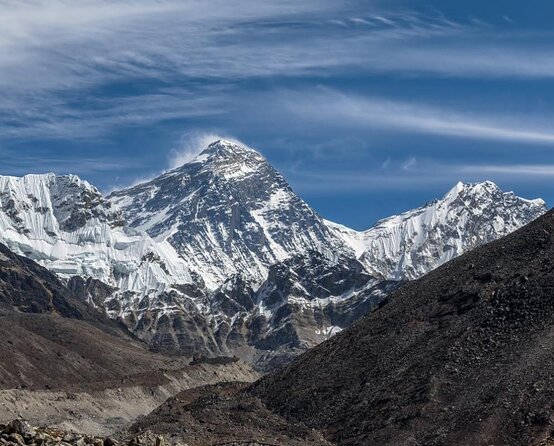
- Kala Patthar sunrise: Reach 5,550 meters for a dramatic view of Everest and the surrounding valleys.
- Gokyo lakes and Gokyo Ri: Enjoy one of the region’s finest viewpoints after crossing Cho La.
- Private group format: Only your party takes part, with a local English-speaking guide and porters.
- Extensive inclusions: Domestic flights, permits, meals, lodging, sleeping bag, down jacket, duffel bag, and staff costs are covered.
- Weather matters: The experience can be canceled because of poor weather, with a new date or full refund offered.
Why the Three Pass route is different
Most people know the Everest region for the route to Everest Base Camp. This trek takes a more demanding line through the Khumbu, adding three high passes and the Gokyo Valley to the usual approach through Namche and Tengboche.
That extra height changes the experience. You get broad views of the Mahalangur Himalayan Range, Everest, Lhotse, Nuptse, Ama Dablam, glaciers, and high valleys. You also get rougher trails, steeper climbs, snow or ice on some sections, and longer days when a pass is involved.
I see this as a route for someone who wants more than a famous destination. The passes are the main event. Reaching the top of each one gives you a clear sense of progress, but the price is physical effort and less room for casual sightseeing.
The trip lasts about 15 days and begins and ends in Kathmandu. It is a private activity, so you do not share the group with unrelated parties. That can make the walking pace and daily decisions more personal, although the guide still needs to balance safety, weather, and the abilities of everyone in your group.
More Treks and Hikes:
- Everest Base Camp Trek – 14 Days
★ 5.0 · 1,499 reviews - Everest Base Camp Trekking
★ 5.0 · 485 reviews - Nagarkot Sunrise View and Day Hiking from Kathmandu
★ 5.0 · 471 reviews
Lukla flight and the first walk to Namche
Your first day begins early, with a 6:15 am start in Kathmandu and a flight to Lukla. Tenzing-Hillary Airport is set among steep hills and Himalayan peaks, and the flight itself is part of the adventure. The route includes impressive views of green hills and snow-covered mountains, but weather can affect operations.
From Lukla, you meet the trekking team and begin walking toward the Dudh Koshi River. The trail crosses suspension bridges decorated with prayer flags, then enters Sagarmatha National Park. The early portion combines forest, river scenery, village paths, and the first clear signs that this will be a serious mountain trek.
The approach to Namche is not simply a warm-up stroll. You gain height, and the route becomes more demanding as you move into the Khumbu. Namche is an important stop because it gives you a useful base before the trail climbs farther above the tree line.
Namche acclimatization and the view from Everest View Hotel
Day three is set aside for acclimatization in Namche. That is valuable, not wasted time. At high altitude, a slower schedule gives your body a better chance to adjust before the pass crossings.
The planned outing climbs to Everest View Hotel. From there, you can see several major peaks, including Everest and Thamserku. The walk also gives you a look at Namche’s setting as a Sherpa town, with steep slopes and mountain paths running in every direction.
The itinerary does not list technical altitude advice, so you should follow your guide’s instructions closely. Keep the day easy, drink regularly, and do not treat the acclimatization walk as a test of speed. The hardest sections are still ahead.
The operator has received strong praise for organization and guides. Names connected with its past trekking service include Shiva, Jwala, Shree, Nabracht, Bhim, and Ram. Guide assignments can change, so do not assume one particular person will lead your trip, but the repeated praise for help, planning, and team support is encouraging.
Tengboche and the approach to Dingboche
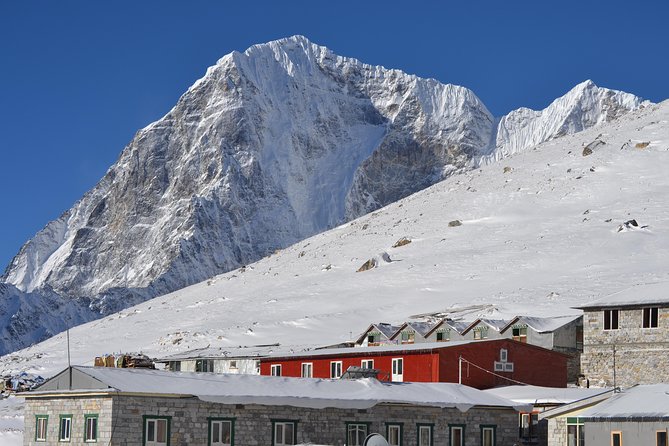
After Namche, the route follows the Dudh Koshi upstream toward Phunke Tenga. You then climb above the Imja Khola and reach Tengboche, one of the most memorable stops on the route.
Tengboche is known for its monastery, and the itinerary includes a brief visit. The setting is especially appealing because the monastery sits among views of the Himalayan peaks. This is a good place to pause and absorb the cultural side of the trek rather than treating every stop as a launch point for the next climb.
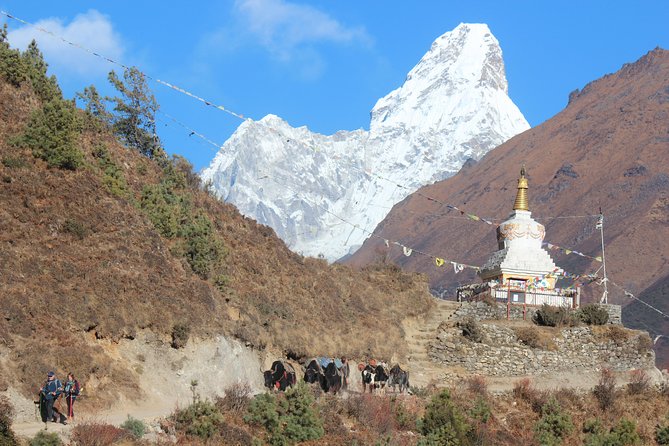
The following day leads toward Dingboche through rhododendron forest and past Pangboche. Ama Dablam, Lhotse, and Everest accompany the route, giving you a strong visual reward as the trail rises.
The scenery changes as you gain altitude. Forest becomes less dominant, and the sense of open mountain country grows. Dingboche is an important staging point, but this itinerary does not use an extra rest day here.
A few more trips worth weighing up before you book
- Private Kathmandu Sightseeing Tour | UNESCO World Heritage sites
★ 5.0 · 756 reviews - Everest Base Camp Helicopter Tour landing at Everest View Hotel
★ 5.0 · 668 reviews - Half day cooking class in Thamel kathmandu
★ 5.0 · 607 reviews - Kathmandu: Full Day 7 UNESCO Tour with Lunch – Private/Group
★ 5.0 · 415 reviews
Chhukung makes the first pass more manageable
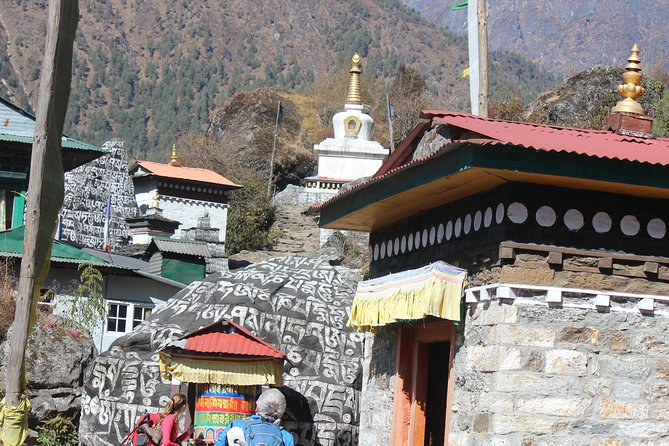
Instead of spending another night in Dingboche, you walk to Chhukung on day six. This is a short uphill day, and its practical purpose is clear: it reduces the distance you need to cover the next day while crossing Kongma La.
I like this adjustment because it uses the available time well. Chhukung places you closer to the first pass, which can make a demanding day more manageable. The trade-off is that the schedule gives you less time for passive acclimatization in Dingboche, so you need to be honest about how your body is responding.
The trail follows the Imja Valley and climbs toward Chhukung. You get mountain views and a quieter feeling before the route becomes more rugged. This is one of those days that may look easy on paper but still matters greatly to the next stage.
Kongma La at 5,535 meters
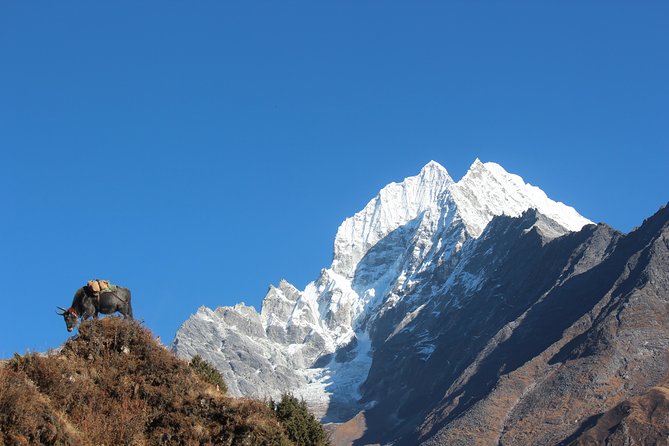
Day seven is the first major test. Kongma La rises to 5,535 meters, making it the highest of the three passes. The climb is steep, and the route can include rough ground, snow, and difficult footing.
The reward is a wide mountain panorama. From high on the pass, you can see the Mahalangur range, glaciers, and some of the region’s major peaks. The pass is not just a viewpoint. It is a physical threshold, and reaching it requires steady effort rather than a quick burst of energy.
You should expect this to be one of the toughest days of the trip. Start early, listen to your guide, and keep your pace controlled. The itinerary does not provide exact walking times, so daily duration can vary with weather, trail conditions, and the group’s pace.
Gorakshep and the high-altitude Kala Patthar sunrise
After Kongma La, the route continues toward Gorakshep. The trail is generally stony, and the walk remains demanding because you are operating at very high altitude. Snow-covered peaks and glaciers keep the scenery impressive, but the thin air can make even ordinary uphill sections feel slow.
The next morning brings an early climb to Kala Patthar at 5,550 meters. This is the highest point named in the route and one of its major highlights. From the summit, you watch the first sunlight reach Everest and look across the surrounding valleys.
Kala Patthar is often valued because it provides a direct, dramatic view of Everest. Here, the appeal is not only the mountain itself but also the changing light across the peaks. The early start may be uncomfortable, particularly after a hard day, but the timing is designed for the sunrise.
The itinerary then returns toward the route for Cho La. It does not clearly state that the group visits Everest Base Camp, so you should not book this trip expecting a separate Base Camp stop unless the operator confirms that detail.
Cho La and the route to Gokyo
Day ten is another difficult crossing. Cho La reaches 5,420 meters, and the trail climbs steeply over an ice-covered section. Conditions can make this pass feel more technical than the numbers alone suggest.
This is where solid fitness and careful footing matter most. You may need to move slowly, and the guide’s role becomes especially important when the surface is icy or snow-covered. The pass links the high route with the Gokyo Valley, creating one of the trek’s strongest changes of scenery.
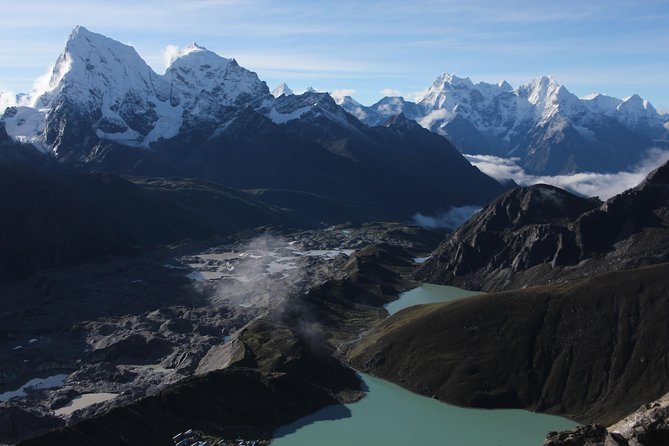
After the crossing, you reach the Gokyo lakes. The valley offers a welcome contrast after the rough pass and stony trails near Gorakshep. The combination of high water, snowy peaks, and glacial surroundings makes Gokyo a major reason to choose this route instead of a standard Everest itinerary.
Gokyo Ri and a useful rest day
Day eleven is planned as a rest day in Gokyo, with a morning hike to Gokyo Ri at 5,360 meters. Calling it a rest day requires a small explanation: you still climb, but the schedule gives you time to recover compared with a full pass-crossing day.
From Gokyo Ri, you look across the Gokyo Valley, its smaller lakes, and the surrounding mountains. The viewpoint adds another high summit to a trip already packed with altitude, but it also gives you a chance to enjoy the area without immediately racing onward.
I consider this one of the itinerary’s best-balanced days. It provides a major view while keeping the group in one place overnight. Still, if your body is struggling after Kongma La and Cho La, tell your guide. The schedule is ambitious, and not every planned viewpoint will feel equally sensible for every person.
Renjo La completes the three-pass challenge
The final pass comes early on day twelve. Renjo La rises to 5,360 meters, and the route climbs gradually along a snow-filled path. From the top, the views include Cho Oyu and other Himalayan peaks, along with the dramatic high country around the pass.
By this point, you will have crossed two major passes and climbed Gokyo Ri. Renjo La is still a serious effort, but completing it gives the trek a satisfying shape. You have crossed the three named high points rather than simply visiting one famous valley.
The descent leads toward the easier return route. Day thirteen takes you back to Namche on a more relaxed trail, with distant views of Everest and other mountains. After the intensity of the passes, this is a good day to enjoy the scenery at a more comfortable pace.
Returning through the Khumbu to Lukla
Day fourteen is the final walking day, from Namche to Lukla. You pass villages, forests, rivers, and suspension bridges before reaching the town where the journey began.
Lukla gives you time to rest and explore the market before the return flight. This is a practical finish, since the next morning begins early. Keep your packed bags ready and allow for the fact that mountain flights depend on weather.
On day fifteen, you fly back to Kathmandu over green hills and snow-capped peaks. The experience ends at the same Kathmandu meeting point, at Base Camp Adventure’s office on Tridevi Sadak.
What the $1,800 price really covers
At $1,800 per person, the cost is strong value if you would otherwise need to arrange the major parts yourself. It includes domestic airfare from Kathmandu to Lukla and back, airport tax, land transport, the national park entry permit, and the TIMS permit.
It also covers the trekking staff’s food, accommodation, salary, insurance, equipment, and transportation. Your package includes a licensed English-speaking guide, the required porters, a down jacket, sleeping bag, and duffel or kit bag. The borrowed equipment must be returned after the trek.
Meals are included throughout the 15-day schedule: 14 breakfasts, 14 lunches, and 14 dinners. Accommodation is in the best available guesthouses, mainly in twin-sharing rooms. That wording matters. You should expect practical mountain lodging, not hotel comfort.
You still pay for international flights, international departure tax, alcoholic drinks, hot and cold drinks, laundry, hot showers, personal trekking equipment, tips, and any item not listed as included. These extras can affect your final budget, so leave room for them.
Who should book this trek?
I would recommend it to fit trekkers who want a demanding route with major mountain views and who value having a private guide and porter team. It suits people who would rather cross three passes than spend the entire trip on the most familiar Everest route.
You should be comfortable with steep climbs, rough terrain, high altitude, early starts, and changing weather. A strong physical fitness level is specifically required, and mental patience matters just as much when a pass becomes slow or uncomfortable.
I would not choose this as a first serious high-altitude trek unless you already have a strong fitness base and understand the demands of altitude. The route is rewarding, but its 15-day schedule leaves little spare time if weather or acclimatization causes a problem.
The company’s strongest praise centers on organization, helpful guides, and full-team support. Past trips have highlighted guides such as Shiva and Jwala, along with Shree’s careful planning. That is useful reassurance, but ask for current guide details and confirm how the team handles changing conditions before departure.
You can cancel for a full refund up to 24 hours before the start time. Changes made inside that window are not accepted, and poor weather can lead to a new date or a full refund. Since the Lukla flights and high passes depend heavily on weather, this policy is worth noting.
Should you book the Everest Three Pass Trek?
Book it if you want the Khumbu’s big views with a genuine physical challenge. Kongma La, Cho La, Renjo La, Gokyo Ri, and Kala Patthar give the itinerary more range than a simple out-and-back route.
Skip it if you want a relaxed Himalayan holiday, dislike basic guesthouses, or need a flexible schedule with several spare acclimatization days. The best reason to choose this trek is its complete package: three high passes, strong viewpoints, guided support, permits, flights, food, and equipment for $1,800.
Before paying, confirm the current flight arrangements, guide assignment, room setup, equipment sizes, and whether an Everest Base Camp visit is part of your exact plan. If those details suit you and your fitness is ready, this is a demanding but well-organized way to see the Everest region from several remarkable angles.
FAQ
How long is the Everest Three Pass Trek?
The trek lasts approximately 15 days, beginning and ending in Kathmandu.
Where does the trek start?
The meeting point is Base Camp Adventure Pvt. Ltd. on Tridevi Sadak in Kathmandu. The stated start time is 6:15 am.
Which mountain passes does the trek cross?
The route crosses Kongma La at 5,535 meters, Cho La at 5,420 meters, and Renjo La at 5,360 meters.
Is the trek suitable for all fitness levels?
No. The experience requires a strong physical fitness level because it includes steep climbs, rough trails, high altitude, and snow or ice-covered sections.
Are meals included?
Yes. The package includes 14 breakfasts, 14 lunches, and 14 dinners.
Are flights from Kathmandu to Lukla included?
Yes. Domestic airfare between Kathmandu and Lukla, along with airport tax, is included.
What happens if bad weather cancels the trek?
If poor weather causes cancellation, you are offered a different date or a full refund. For personal cancellations, a full refund is available if you cancel at least 24 hours before the experience begins.
Just added around Kathmandu
- Nagarkot Sunrise With 7 UNESCO World Heritage Private Tour★ 5.0 · 3 reviews
- Private Shopping Tour in Kathmandu★ 5.0 · 3 reviews
- Mount Everest Scenic Flight 50 Minutes★ 5.0 · 3 reviews
- Kathmandu: Nightlife and Pub Crawl Tour★ 5.0 · 3 reviews
- Kathmandu: Nagarkot, Bhaktapur, Doleswor & Sanga Statue Tour★ 5.0 · 3 reviews
- Momo Cooking Class -The Art Of Making MoMo with Home Chef★ 5.0 · 3 reviews
- Kathmandu: Momo Making Class with a Local Chef★ 5.0 · 3 reviews
- Everest Experience Trek 6 Day Hiking Adventure★ 5.0 · 3 reviews
Hiking & Trekking, compared.


Nagarkot Sunrise View and Day Hiking from Kathmandu
Read our review →


