
Reviewed · MOMO MAKING CLASSES
MoMo or Dal Bhat Cooking Class at Aama Kitchen in Pokhara
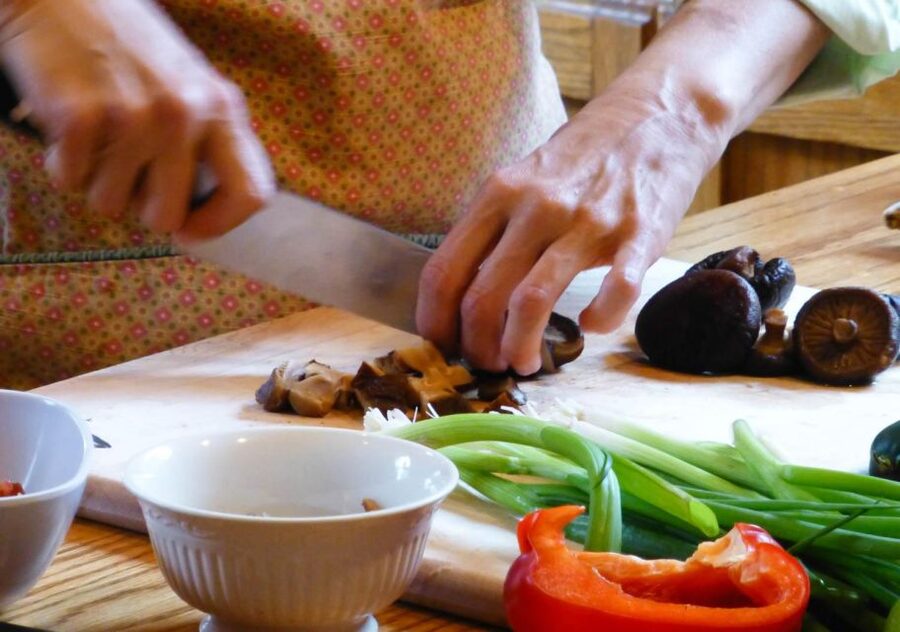
Your best Pokhara meal may start at home. This three-hour class takes you from Lakeside to Aama’s family kitchen, where you cook either momos or dal bhat with personal guidance. I like the private-group setting and the chance to learn from a Nepali mother in her own home, not from a polished cooking studio.
I also like that you eat what you make and take the recipe home. The main consideration is simple: this is a real cooking class, so you will chop, mix, shape, and cook. If food allergies are a concern, this activity is not suitable, and anyone expecting a restaurant-style demonstration should choose something else.
In This Review
- Key points at a glance
- From Lakeside to Aama’s kitchen
- Choosing between momos and dal bhat
- Momo class
- Dal bhat class
- Cooking beside a Nepali mother
- What the three hours look like
- Pickup and arrival
- Preparation
- Cooking and questions
- Eating your work
- Return to Lakeside
- What makes the home setting worthwhile
- Is $28 a fair price?
- Who should book this class?
- Practical tips for a better visit
- Should you book Aama Kitchen?
- FAQ
- How long does the Aama Kitchen cooking class last?
- Can I choose between momos and dal bhat?
- Is hotel pickup included?
- How far is Aama’s home from Lakeside?
- What languages does the instructor speak?
- Is this a private class?
- What should I bring?
- Is the class suitable for people with food allergies?
Key points at a glance
- Choose your dish: Select momos or dal bhat when booking, then focus on one Nepali staple instead of rushing through several recipes.
- Cook in a family home: Aama’s apartment offers a personal setting where you can ask questions and talk about food and culture.
- Hotel pickup is included: A driver collects you from hotels within Pokhara’s Lakeside area and takes you about 25 minutes to the home.
- Patient hands-on teaching: Hosts such as Shanta and Sadaha guide you through the preparation, including tricky momo folding.
- More than a recipe: You can learn about spices, vegetables, harvest seasons, festivals, and the role of food in Nepali life.
- Strong value for $28: The price includes transport, ingredients, equipment, instruction, the meal, and a return trip.
From Lakeside to Aama’s kitchen
The class begins with pickup from your hotel in Pokhara’s Lakeside area. You should wait in the lobby about 10 minutes before the scheduled time. From there, the drive to Aama’s home takes roughly 25 minutes.
That transfer matters. You do not have to find an unfamiliar apartment on your own, arrange a taxi, or worry about getting back after cooking. It also gives the class a clear change of setting. Lakeside is built for visitors, while this experience takes you into a family home where food is part of ordinary daily life.
The group is private, so the tone can be more relaxed than in a large class. You can ask about ingredients, cooking methods, or Nepalese customs without trying to catch a teacher’s attention across a crowded room. English and Hindi instruction are available.
The home setting is also the one point to understand before you book. This is a family apartment, not a commercial kitchen designed for sightseeing. Facilities are described as clean, but the space is likely to feel small and practical. That is part of the appeal for many people, though those who prefer a formal culinary school may find it too informal.
More Momo and Nepali Cooking Classes:
- Nepalese Momos or Dal Bhat Cooking Class (Cook with Delight)
★ 5.0 · 99 reviews - Nepalese Kitchen in Pokhara: Momos or Dal Bhat Cooking Class
★ 5.0 · 67 reviews - Pokhara: 3 Hour MoMo cooking class
★ 4.5 · 10 reviews
Choosing between momos and dal bhat
You choose one dish at the time of booking. Put your preference in the booking comment so the host can prepare the right ingredients and plan the lesson.
Momo class
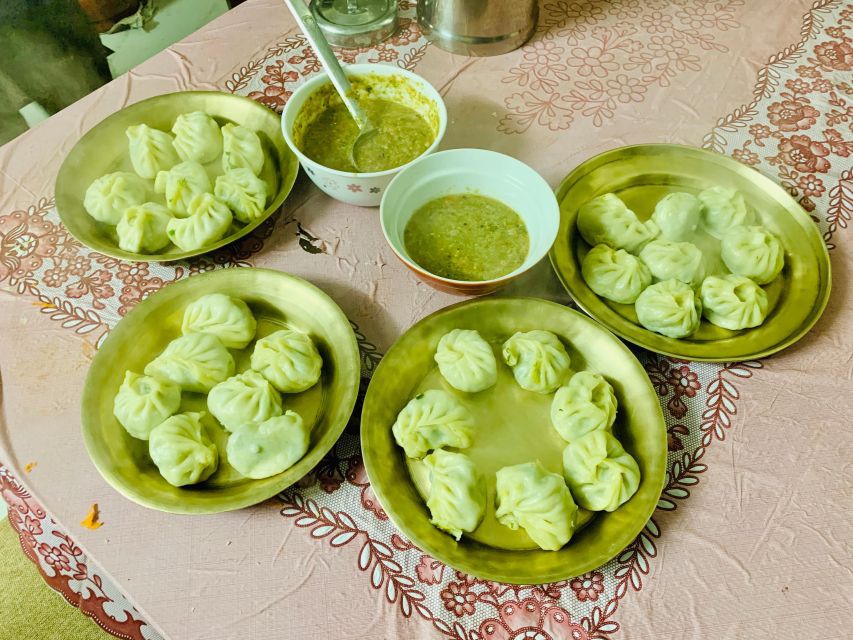
Momos are Nepal’s famous filled dumplings, and the class teaches you to make them from scratch. You work with the dough, filling, and folding process before cooking and eating the finished dumplings.
The folding is likely to be the most entertaining part. It looks easy until you try to create neat, even pleats. Kayla, who took the class alone, found the host patient and encouraging when her first folds went badly. That is useful to know: you do not need advanced cooking skills, and imperfect shapes still end up tasting good.
The lesson suits anyone who likes active cooking. You are not simply watching a cook prepare a plate. You use your hands and learn a technique you can repeat at home. Families may especially enjoy this option because shaping momos gives everyone a small task and a chance to compare results.
Dal bhat class
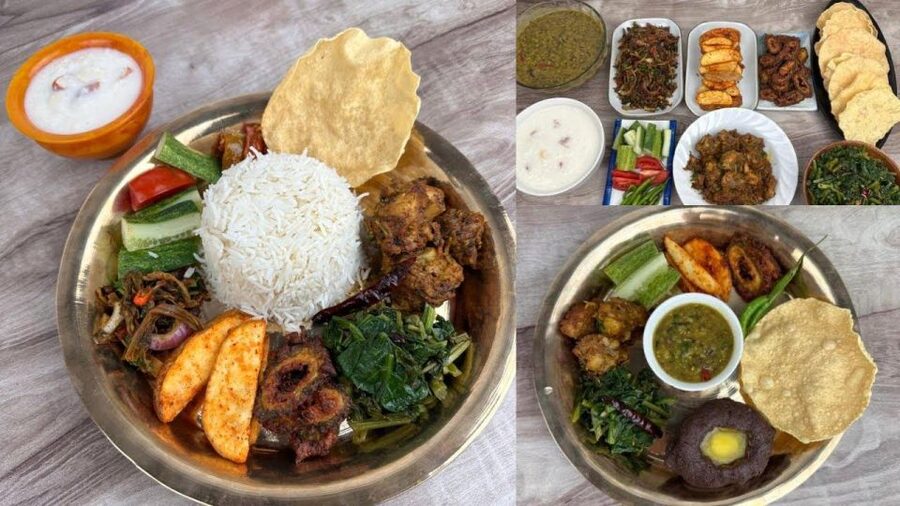
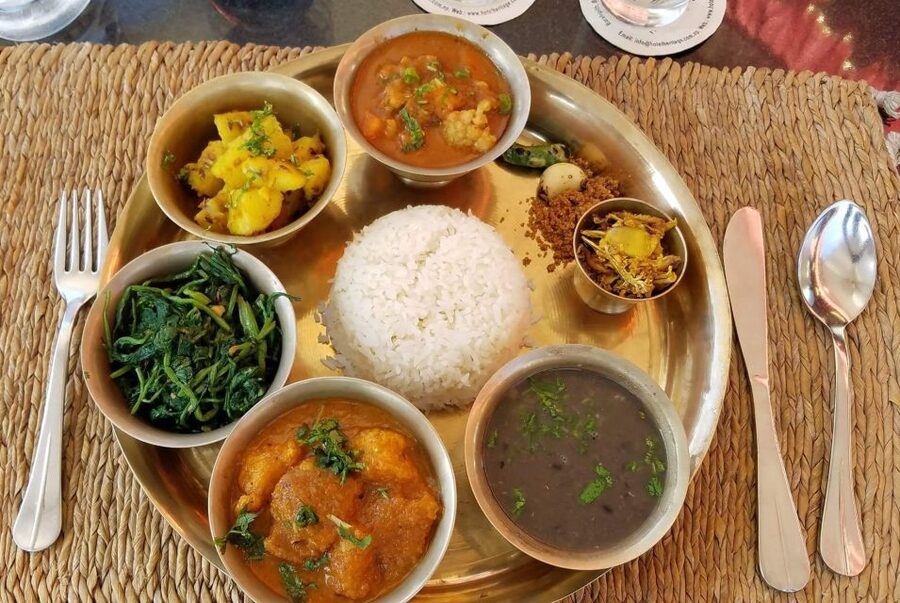
Dal bhat is Nepal’s everyday combination of lentil soup and rice, usually served with vegetable and curry elements. It may look less playful than momo folding, but it offers a broader look at Nepali home cooking.
The class can include attention to the spices, vegetables, and cooking methods used in the meal. Patrick learned about the origins of ingredients and their harvest times, along with the cultural meaning of the food. During a festival visit, he also received a tika and joined a small ceremony, showing how a cooking lesson can connect with the calendar and customs of the household.
Dal bhat is the better choice if you want to understand what people eat at home, not only the dish most often ordered in restaurants. It also gives you a recipe that can become a regular meal. Several people took notes with the intention of making it again after returning home.
More Cooking Classes:
- Pokhara: 3 Hour Authentic Nepali Thakali Dish Cooking Class
★ 5.0 · 10 reviews - Pokhara: Nepali Cooking Class and Momo Making Workshop
★ 5.0 · 6 reviews - Half day cooking class in Thamel kathmandu
★ 5.0 · 607 reviews - Kathmandu: Local Women-Led Nepali Cooking & Momo Class
★ 4.9 · 360 reviews
Cooking beside a Nepali mother
Aama means mother in Nepali, and the family head leads the class with years of practical cooking experience. The teaching style is home-based rather than scripted. You can watch, copy the technique, ask questions, and adjust as you go.
The hosts named in the feedback include Shanta and Sadaha. Shanta was praised for her cooking and for serving food that ranked among the best meals one person had eaten in Nepal. Sadaha led a dal bhat class that left a strong impression on a first-time participant.
The warmth of the hosts is one of the clearest strengths here. Solo participants are not treated as an extra seat at a large table. Evelien described feeling part of the family despite arriving alone. That does not mean every class will follow the same conversation or family interaction, but the format gives you a genuine chance to talk with the people who cook the food.
You also get a useful question-and-answer period. Ask about a spice you do not recognize, how a curry changes from home to home, or how to adapt a recipe in your own kitchen. The English and Hindi language options make those exchanges easier, though the depth of the conversation may depend on the host and the questions you bring.
What the three hours look like
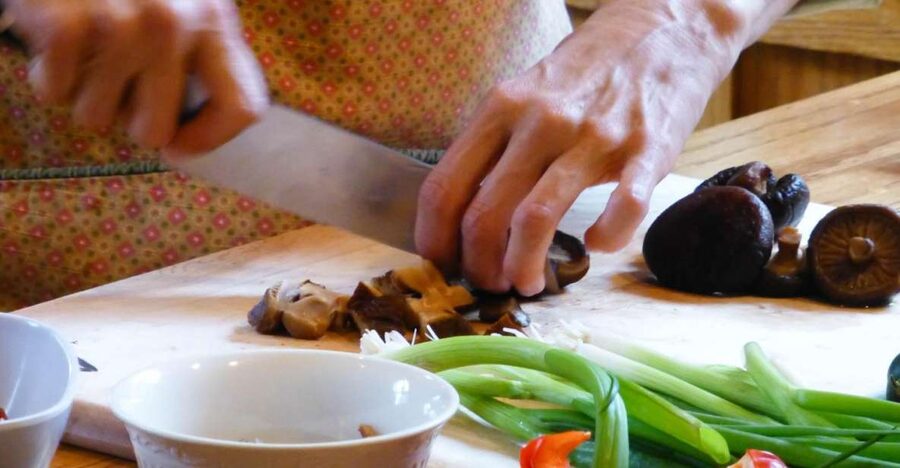
The exact order can change between the momo and dal bhat options, but the day follows a clear pattern.
Pickup and arrival
You meet the driver in your Lakeside hotel lobby and ride to the family home. Keep your bags small. Large luggage is not allowed, and comfortable clothes and shoes are the sensible choice for a cooking session.
After arriving, you settle into the home kitchen and meet the family. This introduction helps explain the character of the class. You are entering someone’s living space, so a respectful, flexible attitude is important.
Preparation
The host provides the ingredients and cooking equipment. You receive hands-on instruction as you prepare the selected dish. With momos, that means working through the dough, filling, and folding. With dal bhat, the work centers on the rice, lentils, vegetables, curry components, and spices.
The class is designed for participation. You should expect to do real kitchen work rather than stand back with a camera. Wear clothes you can move in, and avoid bringing anything you need to keep spotless.
Cooking and questions
As the food cooks, you can ask about the ingredients and their place in Nepali cooking. This is where the class gains value beyond a recipe card. Aama’s kitchen can explain how a meal is built, not just what each ingredient is called.
The cultural discussion may include food traditions, local produce, harvest timing, and festival customs. You should ask questions as they occur instead of waiting for a formal lecture. The homely format works best when you take part in the conversation.
Eating your work
The final reward is the meal you have helped prepare. Momo participants eat their dumplings, while dal bhat participants sit down to the complete meal they have made.
This is not a tasting menu with several unrelated dishes. You focus on one Nepali meal and learn how its parts fit together. That makes the class especially useful for anyone who wants to recreate the dish at home. You can take the recipe with you and keep experimenting after your trip.
Return to Lakeside
After the meal and questions, the driver takes you back to your hotel. The round-trip transfer is included, so the class does not end with the practical problem of arranging your own ride from an unfamiliar neighborhood.
What makes the home setting worthwhile
A restaurant can serve you a good momo. A cooking class lets you see the small decisions behind it.
At Aama Kitchen, you get the chance to observe how a family cook handles ingredients, seasoning, and preparation in a working home. The setting may lack the shine of a purpose-built studio, but it gives the meal a more personal context. You are not only learning a dish. You are meeting the people who prepare it as part of their life.
The family connection also makes the cultural side easier to understand. Food can lead naturally to questions about festivals, harvests, household routines, and regional habits. The festival experience described by Patrick, including tika and a small ceremony, shows the kind of personal exchange that can happen when the timing is right. It should not be treated as a guaranteed part of every booking, but it is a reminder that this is a family visit as well as a lesson.
Is $28 a fair price?
At $28 per person, the price is reasonable for a private, three-hour activity. You are paying for more than ingredients. The fee covers pickup and return within Lakeside, the drive to the home, equipment, food, personal instruction, the meal, and time for questions.
A cheaper restaurant meal would not give you the recipe or the cooking practice. A formal cooking school might offer more polished facilities, but could feel less personal. Here, the value comes from combining transport, instruction, food, and family contact in one outing.
The price makes the most sense if you take part fully. If you only want to watch someone cook, you may not feel you received the full value. If you want to learn a dish and eat it afterward, the package is stronger.
The transport score is also high, with 93 percent of participants giving it a perfect rating. That suggests the included ride is a useful part of the arrangement, especially for anyone unfamiliar with Pokhara’s neighborhoods.
Who should book this class?
I would recommend it to solo visitors, couples, families, and small private groups who want a personal food activity in Pokhara. It works particularly well for people who enjoy asking questions, trying unfamiliar kitchen tasks, and learning by doing.
The momo option is a good fit for first-time cooks because the process is social and hands-on. It is also fun for families, even if the folds come out uneven. The dal bhat option suits anyone who wants a stronger connection to everyday Nepali food and the ingredients behind it.
You should think twice if you have food allergies. The activity is specifically listed as unsuitable for people with allergies, and the class takes place in a family kitchen. You should also skip it if you dislike cooking, have very restrictive dietary needs, or want a polished studio with lots of personal space.
The activity is wheelchair accessible, but the home setting means it is sensible to confirm any specific access needs before booking. The provided information confirms accessibility, but does not describe the apartment layout in detail.
Practical tips for a better visit
- Choose momos if you want a playful, hand-focused lesson. Choose dal bhat if you want to understand a complete Nepali home meal.
- Write your dish choice in the booking comment.
- Wait in your hotel lobby 10 minutes before pickup.
- Wear comfortable clothes and shoes.
- Bring a notebook if you want to copy down spice combinations and cooking steps. The recipe is meant to go home with you, and taking notes can help.
- Leave large bags and luggage at your hotel.
- Arrive ready to participate. You will be involved in cooking, not simply watching.
- Ask about ingredients, spices, and festivals. The cultural information is one of the best reasons to choose a family kitchen.
- If you are traveling alone, do not assume the setting will feel awkward. The private format and welcoming hosts can make it easy to join the conversation.
Should you book Aama Kitchen?
Book it if you want a warm, practical introduction to Nepali food and like the idea of cooking in a real family home. The 4.9 rating from 28 ratings reflects very strong satisfaction, with special praise for the patient teaching, tasty food, clean facilities, and welcoming family atmosphere.
Choose the momo class for an enjoyable skill session with a good chance of laughter around the folding table. Choose dal bhat for a fuller look at Nepal’s everyday cooking and food customs.
I would not book it for a quick demonstration or a formal chef-led lesson. But if you want to leave Pokhara with a recipe, a full meal, and a personal connection to a Nepali family, $28 is a solid use of three hours.
FAQ
How long does the Aama Kitchen cooking class last?
The class lasts three hours, including the cooking activity, meal, questions, and transportation arrangements connected with the visit.
Can I choose between momos and dal bhat?
Yes. You can choose either a momo class or an authentic Nepali dal bhat class. Add your choice in the comment when booking.
Is hotel pickup included?
Yes. Round-trip pickup and return are included for hotels within the Lakeside area of Pokhara. You should wait in the hotel lobby 10 minutes before the scheduled pickup.
How far is Aama’s home from Lakeside?
The drive from Lakeside to the family home takes approximately 25 minutes.
What languages does the instructor speak?
Instruction is available in English and Hindi.
Is this a private class?
Yes. The activity is arranged as a private group experience.
What should I bring?
Wear comfortable clothes and comfortable shoes. A notebook can also be useful if you want to write down the recipe, though it is not listed as required.
Is the class suitable for people with food allergies?
No. The activity is listed as unsuitable for people with food allergies.
More Workshops
- Kathmandu: Local Lead Nepali Cooking & Momo-Making Class
★ 5.0 · 212 reviews - Knife (Khukuri) Making Workshop- Forge of the Gurkhas
★ 5.0 · 143 reviews - Local Women Lead Nepali Cooking Class
★ 5.0 · 125 reviews - The best Private Nepali Cooking Class in Kathmandu
★ 5.0 · 83 reviews
Just added around Pokhara
- Double Dare: Tandem Bungee Adventure★ 4.3 · 3 reviews
- Exhilarating Pokhara-Kathmandu Bus Journey Experience★ 3.5 · 3 reviews
- 3 Day Australian Camp Dhampus Ghandruk Easy Trek in Pokhara★ 3.5 · 3 reviews
- Paragliding in Pokhara★ 5.0 · 3 reviews
- Seti George and Thrilling Suspension Bridge Tour at Pokhara★ 4.5 · 3 reviews
- Overnight Dhampus Australian Camp Easy Hiking from Pokhara★ 5.0 · 3 reviews
- Full Day Entire Pokhara Tour by Car with Guide★ 4.5 · 3 reviews
- 5 Days Mardi Himal Trek.★ 5.0 · 3 reviews
Momo Making Classes, compared.




Nepalese Momos or Dal Bhat Cooking Class (Cook with Delight)
Read our review →
The best Private Nepali Cooking Class in Kathmandu
Read our review →
Nepalese Kitchen in Pokhara: Momos or Dal Bhat Cooking Class
Read our review →
Browse the lists this tour appears in