
Reviewed · MOMO MAKING CLASSES
Pokhara: 3 Hour MoMo cooking class
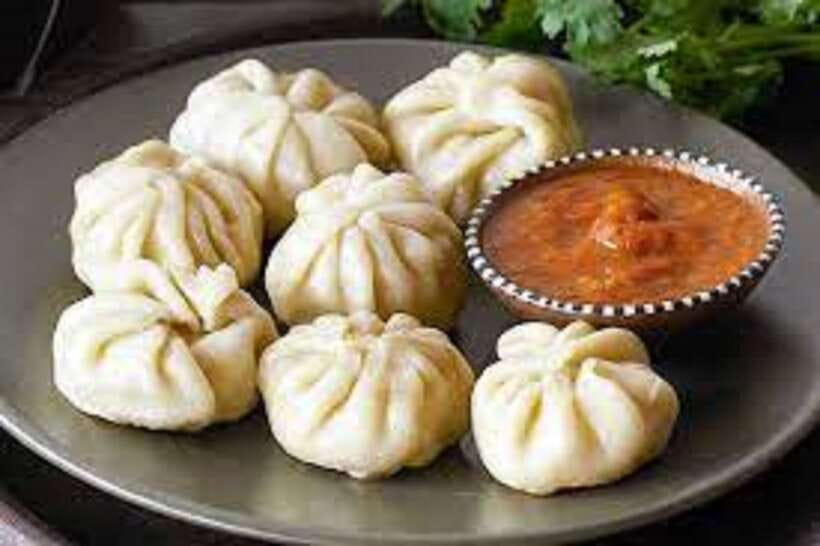
Fold a dumpling, taste Pokhara. This three-hour cooking class turns a familiar Nepali snack into a hands-on lesson, with your own filling, dough, wrappers, sauces, and final tasting. I like the private-group format and the chance to choose a vegetarian, chicken, or meat filling instead of simply watching a chef work.
I also like that the class teaches several folding styles, not just one basic pleat. The main drawback is practical: pickup is limited to the Lakeside area, and the activity is not suitable for people with mobility impairments. One participant also found the repeated requests for a rating annoying, though that did not affect the cooking itself.
In This Review
- Key points about the Pokhara momo class
- Why momos make a good Pokhara food class
- Hotel pickup and the walk to Cafe Nirvana
- Choosing the filling during the 40-minute preparation
- Kneading dough for wrappers that hold together
- Rolling wrappers and learning three folding styles
- Steaming the momos for 20 minutes
- Mixing spicy and mild dipping sauces
- Sitting down to eat your own momos
- The instructor and the tone of the afternoon
- Who should book this $29 activity?
- What to know before you reserve
- Should you book the Pokhara momo cooking class?
- FAQ
- How long does the momo cooking class last?
- Where does pickup take place?
- What fillings can I choose?
- Are cooking ingredients and equipment included?
- Is a drink included?
- What languages does the instructor speak?
- Can I cancel for a full refund?
- What should I bring to the class?
Key points about the Pokhara momo class
- Three hours from hotel pickup to drop-off: The experience begins and ends in Pokhara, with pickup included within the Lakeside area.
- You make the entire dish: Prepare the filling, knead the dough, roll the wrappers, fold the momos, steam them, and mix dipping sauces.
- Choice of filling: Vegetarian, chicken, or meat options are explained before you begin.
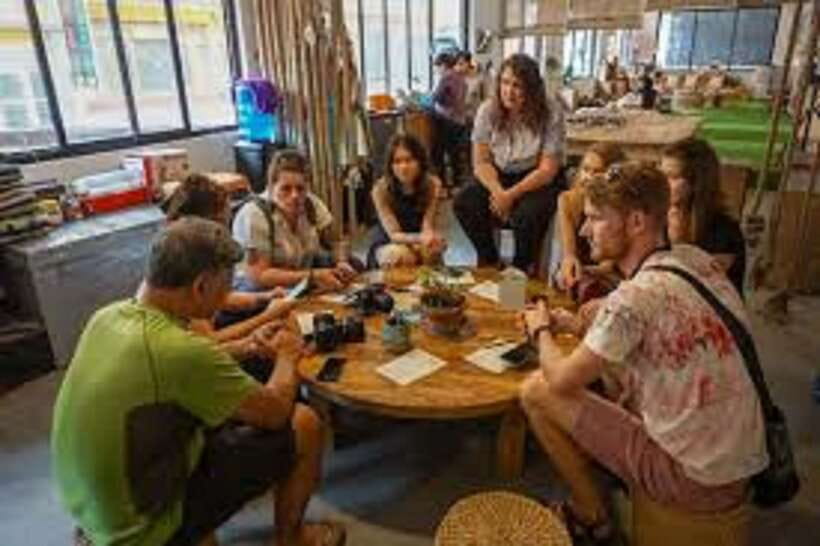
- Small private setting: The private-group setup allows you to work directly with the instructor rather than standing at the back of a large class.
- Three folding techniques: Traditional pleats and crescent-style shapes are among the forms taught.
- Good value at $29: Hotel transport, cooking materials, a cold drink, instruction, and tasting are included.
Why momos make a good Pokhara food class
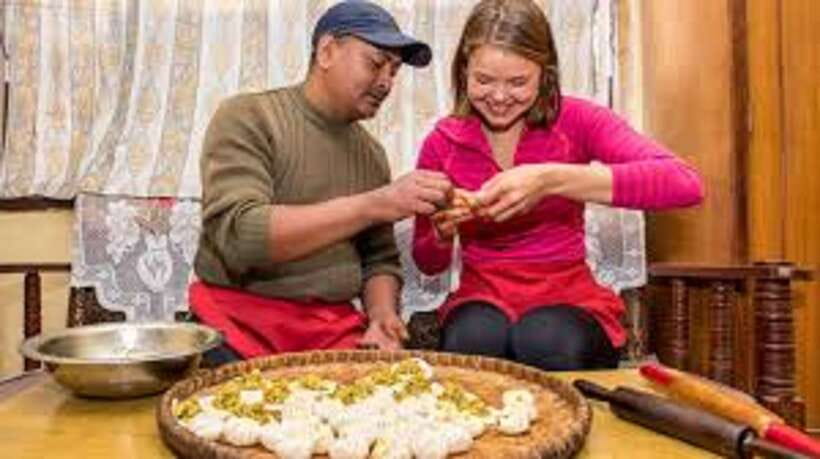
Momos are one of Nepal’s most recognizable foods, but their appeal is not just that they are tasty little dumplings. They bring together a few basic skills that are easy to understand and surprisingly hard to perfect: making elastic dough, rolling it thin, controlling the filling, and sealing each dumpling without tearing the wrapper.
That makes this a better cooking class than a simple food demonstration. You are not only shown a finished plate. You handle the ingredients and see how small changes affect the result.
The opening ten minutes provide a short introduction to momo culture, ingredients, and equipment. It is a useful start because you learn what each part of the dish is doing before your hands get busy.
The class takes place at a local café, identified in the experience details as Cafe Nirvana. The setting is practical rather than theatrical. You go there to cook, eat, and ask questions, not to watch a staged cultural performance.
For many people, momos are also an easy dish to recreate at home. The ingredient list is not presented as an exotic mystery, and the folding skills can be practiced with ordinary kitchen tools. You may not produce perfect dumplings on your first attempt, but you will leave knowing how to try again.
More Momo and Nepali Cooking Classes:
- Nepalese Momos or Dal Bhat Cooking Class (Cook with Delight)
★ 5.0 · 99 reviews - Nepalese Kitchen in Pokhara: Momos or Dal Bhat Cooking Class
★ 5.0 · 67 reviews - MoMo or Dal Bhat Cooking Class at Aama Kitchen in Pokhara
★ 4.9 · 28 reviews
Hotel pickup and the walk to Cafe Nirvana
Pickup is included from the Lakeside area of Pokhara, which removes one small travel headache. You do not need to arrange a taxi to an unfamiliar starting point, and the activity ends with a return to Pokhara.
The pickup window matters because the class itself lasts three hours. If you have a flight, long-distance bus, trek departure, or another timed activity afterward, leave extra space beyond the advertised duration.
One account describes being collected from a hotel and then walking to the restaurant. That suggests the final approach may involve a short walk rather than a vehicle stopping at the café door, so wear comfortable shoes and avoid bringing a large bag.
The provider asks you to bring a passport or ID card. Large luggage and oversized bags are not allowed, so this is best treated as a light outing from your hotel, not something to do while changing accommodation.
Choosing the filling during the 40-minute preparation
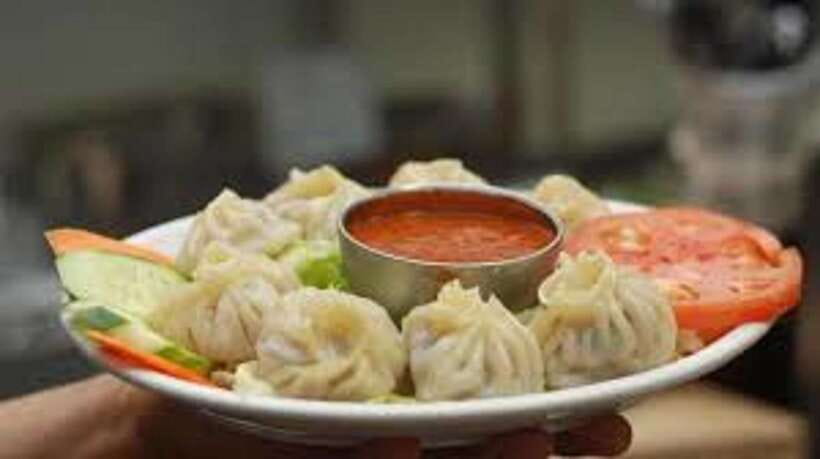
The filling section takes about 40 minutes and is one of the most useful parts of the class. You receive an explanation of the available choices, which include vegetarian, chicken, and meat fillings, then prepare your selected mixture yourself.
This choice gives the class some flexibility. Vegetarians can select a suitable filling, while meat eaters can focus on chicken or another meat option. The information does not specify the exact ingredients or whether every option is available at every session, so tell the instructor your preference early.
You will be guided through the preparation rather than left to guess. The instructor explains how the ingredients are combined and then lets you get to work.
I especially like this hands-on approach because filling is where home cooks often go wrong. Too much mixture makes sealing difficult. Too little leaves a disappointing pocket of dough. A guided session lets you see the right balance before you start producing a whole batch.
English and Hindi are the listed teaching languages. That is helpful for clear instructions during the practical stages, particularly when the instructor is showing hand movements for folding or explaining how wet or dry the filling should be.
Kneading dough for wrappers that hold together
After the filling comes the dough, with around 30 minutes set aside for mixing, kneading, and resting. You learn which ingredients are used and why the dough needs the right texture before it can become a wrapper.
This is a modest step, but it affects the whole plate. Dough that is too thick can overpower the filling. Dough that is rolled too thin may split when you add the mixture. The class gives you time to knead your own dough and let it rest briefly before rolling.
That pause is useful. You see that momo making is not simply a race from ingredients to steamer. The dough needs a little time before it becomes easier to shape.
The class is also forgiving in the right way. Folding is a skill, and uneven first attempts are part of the fun. One participant described some folds going better than others, with every dumpling still turning out well enough to cook and eat.
Do not expect your first momo to look like the instructor’s. The point is to learn the movement, not win a dumpling beauty contest. A slightly lopsided momo can still be delicious.
More Cooking Classes:
- Pokhara: 3 Hour Authentic Nepali Thakali Dish Cooking Class
★ 5.0 · 10 reviews - Pokhara: Nepali Cooking Class and Momo Making Workshop
★ 5.0 · 6 reviews - Half day cooking class in Thamel kathmandu
★ 5.0 · 607 reviews - Kathmandu: Local Women-Led Nepali Cooking & Momo Class
★ 4.9 · 360 reviews
Rolling wrappers and learning three folding styles
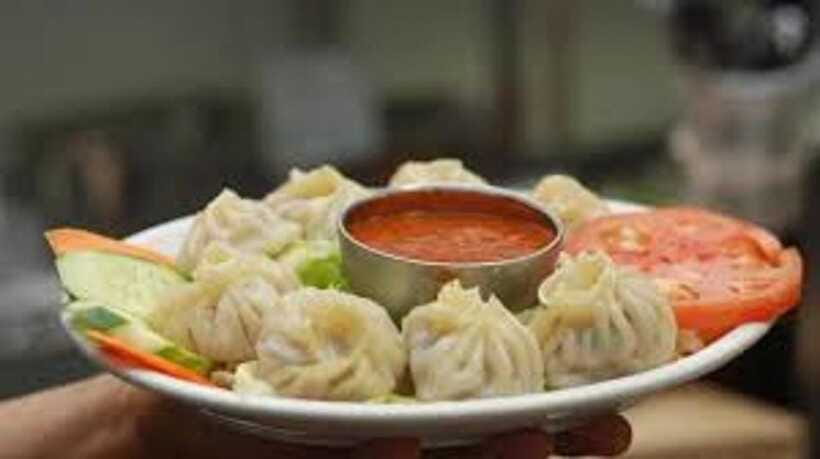
The 40-minute rolling and shaping session is likely the most entertaining part of the afternoon. The instructor demonstrates how to roll the dough to the right thickness, then shows different ways to shape the dumplings.
Traditional pleats and crescent-style forms are specifically included. A participant also described learning three folding techniques, which gives you more than one way to finish the wrapper.
The value here is repetition. You roll, add filling, fold, and try again. Each attempt gives you another chance to adjust the amount of filling and the pressure used to seal the edge.
This is where a private group helps. With fewer people around the table, you should have more direct access to the instructor. One reported session had only two participants and was described as especially interactive.
The class is a good match for curious beginners because the process is tactile and social. You do not need advanced cooking skills. You only need patience, a willingness to make imperfect shapes, and enough time to listen before rushing ahead.
If you care about presentation, pay attention to the instructor’s fingers. The final shape depends less on force than on a steady rhythm. Keep the wrapper from drying out, avoid overfilling, and seal the edge carefully.
Steaming the momos for 20 minutes
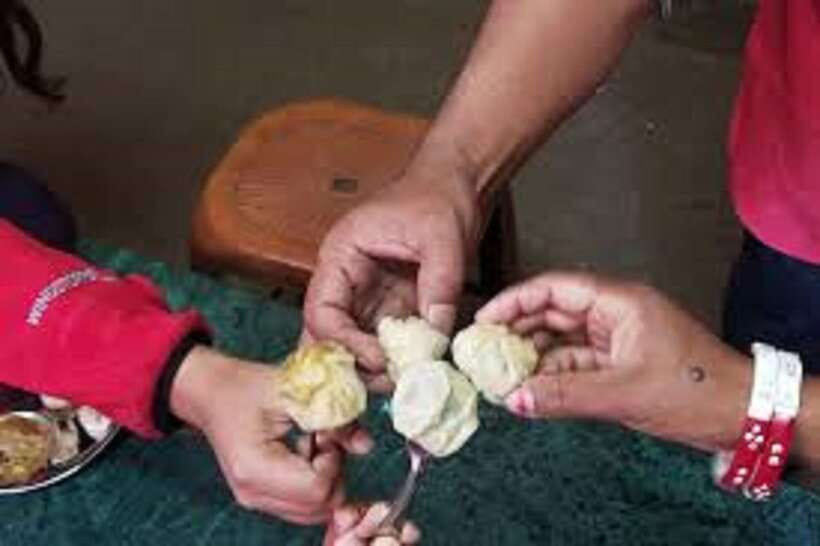
The steaming stage takes about 20 minutes. You learn how to set up the steamer, why steam cooks the dumplings gently, and how to tell when the wrappers are tender and fully cooked.
This is the point where your handwork gets tested. A poorly sealed momo may open. A thick wrapper may need more time. A well-made one should hold its filling while becoming soft and pleasant to bite.
The experience description centers on steaming, but one session also included some fried momos. Since the exact cooking method may vary, ask the instructor at the start if trying both steamed and fried versions matters to you.
Steamed momos are the natural focus for learning because they show whether your dough and folds work. They also keep the meal from becoming too heavy before you add sauces and taste everything.
The 20-minute wait is not dead time. It gives you a chance to ask questions, look over the shapes you made, and prepare the sauces. It also builds a little suspense. Your neatest dumpling and your most suspicious-looking one are going into the same steamer.
Mixing spicy and mild dipping sauces
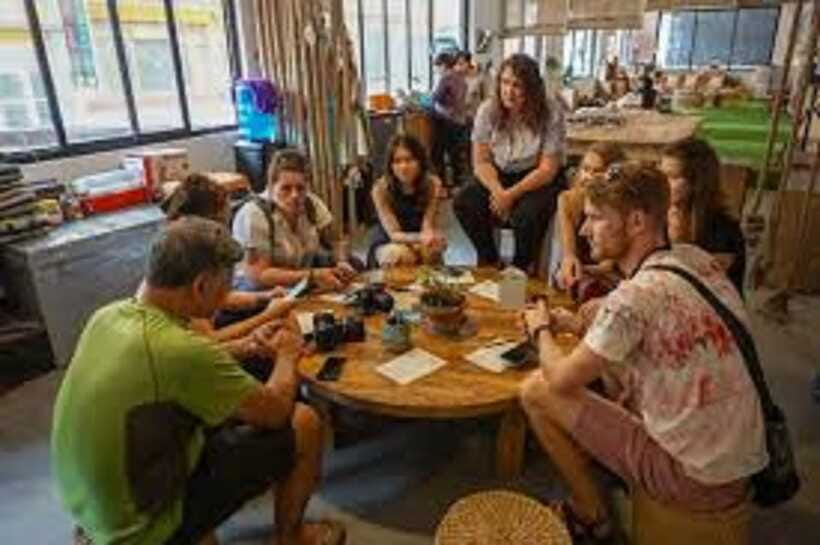
The sauce section lasts about 15 minutes and adds variety to the meal. You are introduced to several styles, including spicy, mild, and soy-based sauces, then prepare your own combinations.
This is a smart part of the class because sauce changes the character of the same momo. A mild dip lets you taste the filling and wrapper. A spicy option gives the dumpling more punch. A soy-based sauce offers another direction altogether.
The exact spice level is not fixed in the information provided, so explain your preference before mixing. If you are cautious with heat, start mild and add more rather than trying to rescue an overpowering sauce.
Preparing the sauces yourself also makes the meal feel more complete. You are not simply handed a plate with condiments already arranged. You learn how the final balance is built.
The class includes the cooking materials, so you do not need to bring utensils or ingredients. A glass of cold drink per person is also included, which is a welcome touch during an active cooking session.
Sitting down to eat your own momos
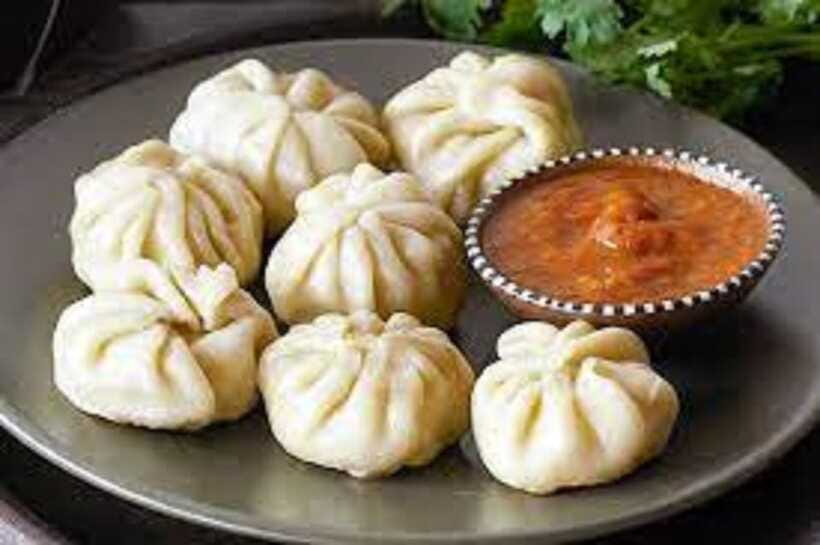
The tasting portion takes about 15 minutes. Everyone gathers to try the dumplings, sample the sauces, and receive feedback from the instructor.
This is the payoff, but it is also part of the lesson. You can compare shapes, see which folds held together, and notice how the filling tastes after steaming. The instructor answers questions and can help explain what went right or wrong.
The experience is not designed as a long restaurant meal. Fifteen minutes is enough to taste the food, but not enough for an unhurried feast. If you want additional food or drinks, those are available for purchase, and the included cold drink is separate from any extras.
The homemade result is the main value. At $29 per person, you are paying for transport, instruction, ingredients and equipment, the activity itself, and the chance to eat what you prepared. That is a fair package for a three-hour private cooking experience in Pokhara.
It is especially good value if you want an activity that combines food with a practical skill. If you only want a cheap plate of momos, a café meal will cost less and take less time. If you want to understand how the dish is made, this class earns its price more convincingly.
The instructor and the tone of the afternoon
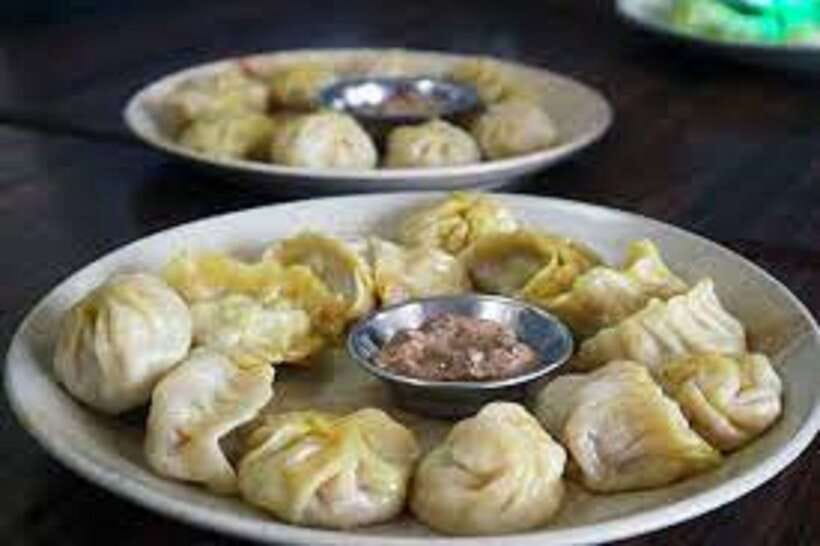
The instructors teach in English and Hindi. The available feedback describes the explanations as clear and friendly, with two female cooks praised for making the process easy to follow.
The tone appears relaxed and good-humored. You are encouraged to choose your filling, work with the ingredients, and try several shapes. That freedom matters because the class is not a rigid demonstration where everyone must copy the same movements at the same pace.
The private-group format can make the lesson feel personal. It also means the experience may be best for couples, families, friends, or solo visitors who like direct instruction.
A minor annoyance has been reported: repeated requests for a rating. This is worth knowing so it does not surprise you. It is not part of the cooking lesson, but it can interrupt an otherwise pleasant afternoon.
Who should book this $29 activity?
I would choose this class if you want a break from sightseeing and prefer doing something with your hands. It suits first-time cooks, food lovers, couples, small groups, and anyone who wants a Nepali dish that can be attempted again at home.
It is also a good choice for vegetarians because vegetarian filling is clearly offered. If you eat chicken or meat, those choices are available too, though you should confirm your preference when the class begins.
The activity may work well during a rainy day because it operates rain or shine and takes place indoors at a café. That makes it a useful backup when mountain views are hidden by clouds.
I would skip it if you dislike group cooking, have very limited time, need step-free access, or are carrying large luggage. The experience is not suitable for people with mobility impairments, and pickup is limited to the Lakeside area.
What to know before you reserve
Free cancellation is available up to 24 hours before the activity for a full refund. You can also reserve now and pay later, which helps if your Pokhara schedule may change.
Starting times depend on availability, so check the schedule before building the rest of your day. The listed duration is three hours, but allow additional time for pickup and return.
Bring your passport or ID card. Leave large bags and luggage at your accommodation, and wear clothing that lets you work comfortably at a café table.
The booking is operated by Adventure in Nepal. The group type is private, and hotel pickup and drop-off are included within the Lakeside area.
Should you book the Pokhara momo cooking class?
Book it if you want an interactive food experience, not just another restaurant meal. The strongest reasons are the private setup, the choice of fillings, instruction in several folding techniques, homemade sauces, and the chance to eat the final result.
At $29, the combination of transport, materials, teaching, cold drink, and tasting is sensible value. I would be less enthusiastic if you need a very polished culinary school setting or a long, relaxed meal, since the tasting period is short and the class is built around participation.
For most visitors staying around Lakeside, this is a friendly three-hour activity with a clear reward: a plate of momos you shaped yourself. Just confirm pickup, leave your luggage behind, and arrive ready to make a few imperfect dumplings before the good ones appear.
FAQ
How long does the momo cooking class last?
The class lasts three hours, including pickup and drop-off arrangements in Pokhara, the cooking lesson, tasting, and the final question period.
Where does pickup take place?
Pickup is included within the Lakeside area of Pokhara. The activity begins with pickup in Pokhara and returns you there afterward.
What fillings can I choose?
The class explains vegetarian, chicken, and meat filling options. You choose the filling you want to prepare during the session.
Are cooking ingredients and equipment included?
Yes. All momo cooking materials are included.
Is a drink included?
Each person receives one glass of cold drink. Additional food and drinks are available for purchase.
What languages does the instructor speak?
Instruction is available in English and Hindi.
Can I cancel for a full refund?
Yes. You can cancel up to 24 hours in advance for a full refund.
What should I bring to the class?
Bring a passport or ID card. Large bags and luggage are not allowed.
More 3-Hour Experiences
- Pick 2-Wonders of Kathmandu: A 3-Hour Heritage Hop
★ 5.0 · 22 reviews - Everest Base Camp: 3 Hour Helicopter Sightseeing Tour
★ 4.4 · 17 reviews - 3 Hours Night Pashupatinath Aarati Tour
★ 4.5 · 4 reviews - Kathmandu: About 3-hour Cooking Class Experience near Thamel
★ 5.0 · 3 reviews
More Workshops
- Kathmandu: Local Lead Nepali Cooking & Momo-Making Class
★ 5.0 · 212 reviews - Knife (Khukuri) Making Workshop- Forge of the Gurkhas
★ 5.0 · 143 reviews - Local Women Lead Nepali Cooking Class
★ 5.0 · 125 reviews - The best Private Nepali Cooking Class in Kathmandu
★ 5.0 · 83 reviews
Just added around Pokhara
- Double Dare: Tandem Bungee Adventure★ 4.3 · 3 reviews
- Exhilarating Pokhara-Kathmandu Bus Journey Experience★ 3.5 · 3 reviews
- 3 Day Australian Camp Dhampus Ghandruk Easy Trek in Pokhara★ 3.5 · 3 reviews
- Paragliding in Pokhara★ 5.0 · 3 reviews
- Seti George and Thrilling Suspension Bridge Tour at Pokhara★ 4.5 · 3 reviews
- Overnight Dhampus Australian Camp Easy Hiking from Pokhara★ 5.0 · 3 reviews
- Full Day Entire Pokhara Tour by Car with Guide★ 4.5 · 3 reviews
- 5 Days Mardi Himal Trek.★ 5.0 · 3 reviews
Momo Making Classes, compared.




Nepalese Momos or Dal Bhat Cooking Class (Cook with Delight)
Read our review →
The best Private Nepali Cooking Class in Kathmandu
Read our review →
Nepalese Kitchen in Pokhara: Momos or Dal Bhat Cooking Class
Read our review →
Browse the lists this tour appears in