
Reviewed · MOMO MAKING CLASSES
Pokhara: Nepali Cooking Class and Momo Making Workshop
Come hungry, leave with a new recipe. This three-hour Pokhara cooking class brings you into a local family kitchen, where an Aama chef teaches you to make momos, dal bhat, curry, and pickle using everyday Nepali methods. I like the small group limit of eight, and I especially like that the food you prepare becomes your meal rather than a quick demonstration you simply watch.
The included hotel pickup and drop-off make this easy to fit into a busy Pokhara schedule. The main consideration is food safety: the activity is not suitable for people with food allergies, and you should report dietary restrictions before the class. Also, the kitchen is a working home setting, so this is more personal and informal than a polished cooking studio.
In This Review
- Key details before you book
- Why a Pokhara kitchen class is worth three hours
- Starting with pickup and the local market
- Meeting the Aama chef in a family kitchen
- Making momos, Nepal’s beloved dumplings
- Choosing between dal bhat and momos
- Eating the meal you helped prepare
- The family welcome and Pokhara location
- What the $42 price includes
- Who should book this class?
- My verdict on the Pokhara momo workshop
- FAQ
- How long does the Pokhara cooking class last?
- Where does the activity take place?
- Is hotel pickup included?
- What dishes can I learn to cook?
- Is the food included?
- Is masala tea included?
- What language does the instructor speak?
- How many people can join the class?
- Can beginners join?
- Are food allergies allowed?
- What should I wear and bring?
- Is smoking allowed?
- Are alcoholic drinks included?
- Is the activity wheelchair accessible?
- What is the cancellation policy?
- Can I pay later?
Key details before you book
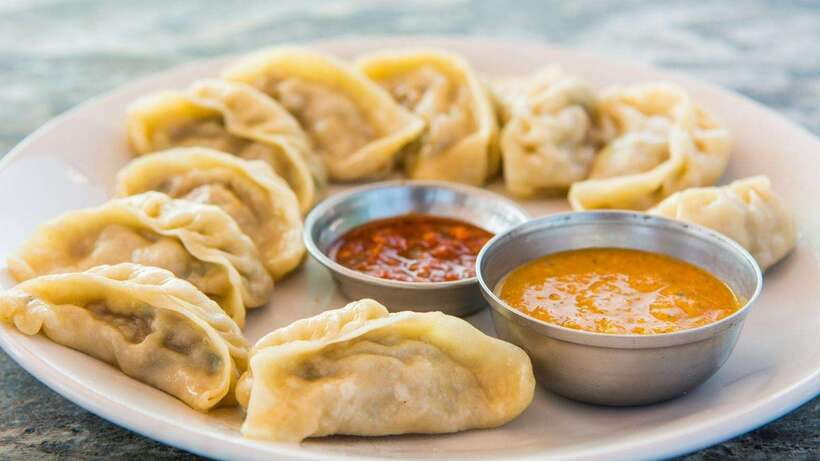
- Momos are made by hand: Choose chicken or vegetarian filling, then learn the local method for shaping and cooking these popular dumplings.
- The class begins with ingredients: You may visit a local market to select vegetables, spices, and meat for the meal.
- A local Aama leads the kitchen: You learn from a Nepali home cook, with step-by-step help in English.
- You eat what you prepare: The class includes a full tasting session and a meal of the dishes made during the lesson.
- The group stays small: Up to eight participants gives you a better chance to work directly with the instructor.
- Small cultural touches matter: Depending on the family hosting you, the welcome may include masala tea, a completion certificate, Tika, or a scarf.
Why a Pokhara kitchen class is worth three hours
Pokhara offers plenty of ways to admire Nepal. You can look toward the mountains, walk beside Phewa Lake, or set off on a trek. A cooking class gives you a different view of the country, one based on what people prepare and eat at home.
Nepali cooking is practical, layered, and social. Rice, lentils, vegetables, meat, spices, and pickles come together in ways that make sense at the family table. You are not just collecting a recipe. You are learning how a meal is assembled, how ingredients are chosen, and why dishes such as dal bhat and momo carry such a strong place in Nepali life.
I particularly like the balance between instruction and participation. You are expected to help with the work, not sit at a counter while someone else cooks. That makes the three hours pass quickly, especially if you enjoy working with your hands.
The class also suits people who are new to cooking. The instructions are given step by step, and the family hosts are described as patient and helpful. Experienced cooks should still find something useful in the local folding, seasoning, and preparation methods.
More Momo and Nepali Cooking Classes:
- Nepalese Momos or Dal Bhat Cooking Class (Cook with Delight)
★ 5.0 · 99 reviews - Nepalese Kitchen in Pokhara: Momos or Dal Bhat Cooking Class
★ 5.0 · 67 reviews - MoMo or Dal Bhat Cooking Class at Aama Kitchen in Pokhara
★ 4.9 · 28 reviews
Starting with pickup and the local market
Pickup is included from your Pokhara hotel. You should give clear accommodation details when booking and watch for a name card at pickup. This is a simple but useful service, particularly if you are staying away from the main Lakeside area or do not know Pokhara well yet.
The exact class start time varies, so you need to check availability for the date you want. Since the cooking portion lasts three hours, allow extra time around the activity for pickup and return.
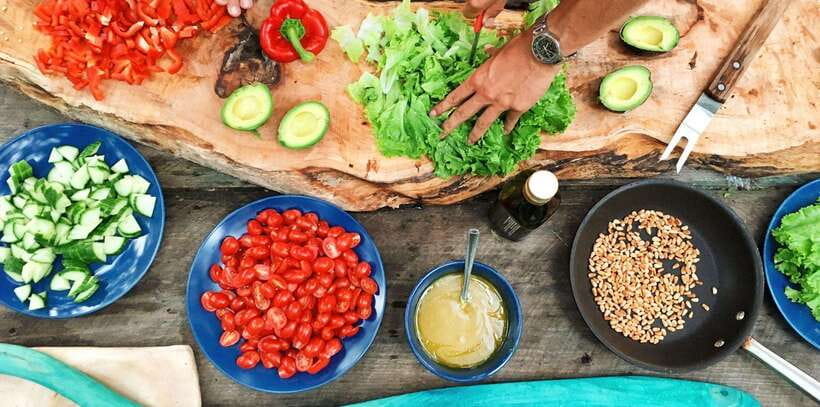
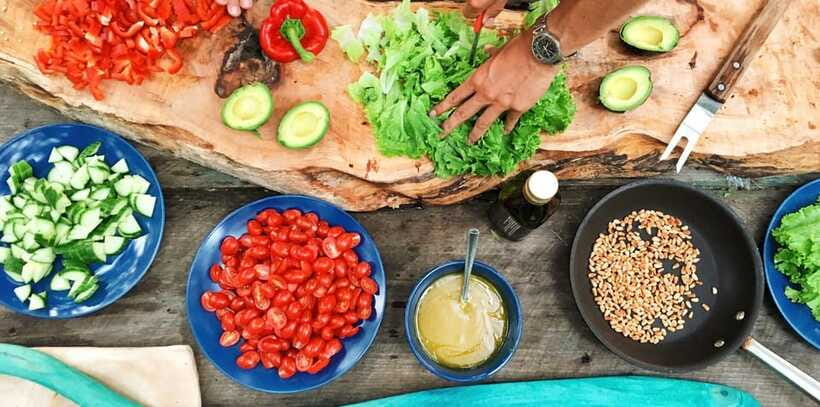
The program may include a visit to a local market to select vegetables, spices, and meat. This part adds useful context. Ingredients do not appear by magic on a kitchen counter, and choosing them helps you see the starting point of the meal.
You can ask about the ingredients as you shop. This is a good time to explain dietary restrictions or preferences again. The activity offers chicken or vegetarian momo fillings, and the meal may also include dal bhat and curry, but you should communicate your needs in advance rather than expect last-minute changes.
The market visit may be the least predictable part of the day. Shopping time can vary, and the main details of the class are clearer than the exact market route. I would treat it as a practical introduction to the meal, not as a separate sightseeing stop.
Meeting the Aama chef in a family kitchen
The heart of the activity is the home kitchen. You are welcomed by a local Aama, a respectful Nepali term for mother or grandmother, who acts as the lead instructor. The setting gives the class its character. You are learning in a place connected to ordinary household cooking rather than in a formal restaurant kitchen.
The family involvement is one of the strongest parts of the program. Previous participants describe being welcomed by the mother, father, and children, with everyone taking part. That does not mean every class will have the same family members present, but you can expect a warm home-based format rather than a single instructor working at a distance.
English is the stated teaching language. One host was praised for speaking very good English, which matters when cooking instructions involve small details. A clear explanation can make the difference between a dumpling that stays closed and one that opens in the pot.
The kitchen is also a social space. Nepali masala tea is included during the lesson, giving you a pause between tasks. This is a small detail, but it helps the class feel like an invitation into a home rather than a timed commercial demonstration.
You should wear comfortable clothes and shoes suitable for cooking. Smoking indoors is not allowed. Bring a camera if you want photographs, but keep your hands free while handling ingredients and cooking.
Making momos, Nepal’s beloved dumplings
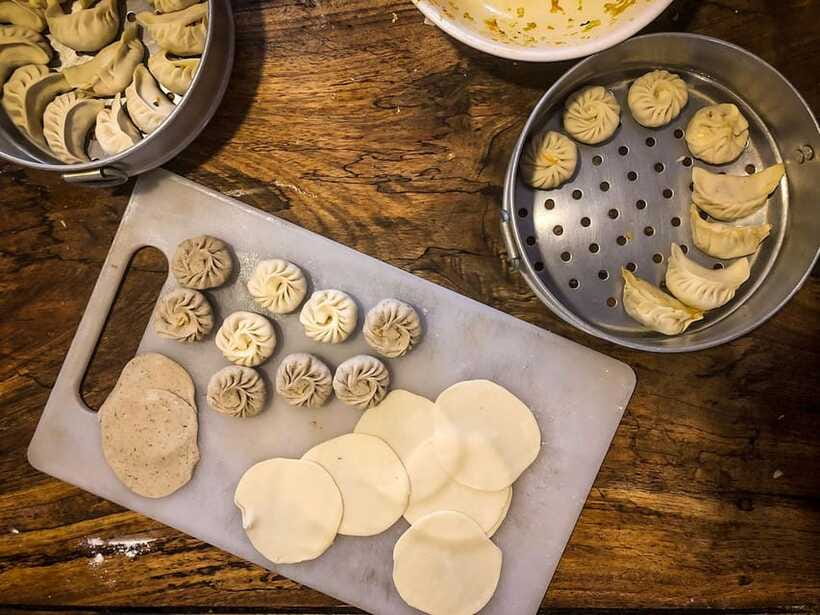
For many people, the momo lesson will be the main reason to book. You can choose a chicken or vegetarian filling, then follow the preparation from ingredients through shaping and cooking.
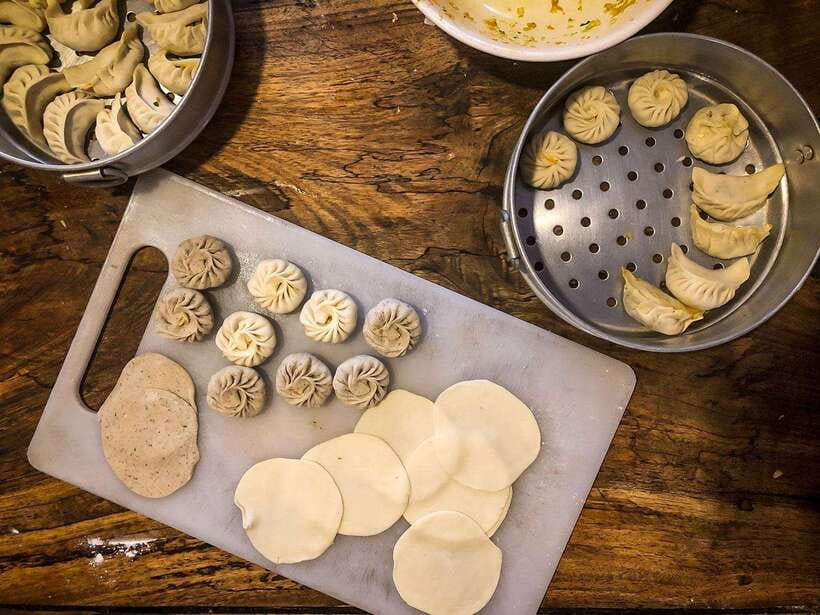
The folding technique is where this class earns its place on a Pokhara itinerary. Momo wrappers look simple, but forming neat dumplings takes practice. A local instructor can show you the hand movements directly and correct your technique as you work.
I like that the workshop does not stop at tasting a prepared momo. You make the dumplings yourself, which gives you a skill to take home. The method may become one of the most useful souvenirs from Nepal, since the ingredients and equipment are easier to find than a carved ornament or a packet of tea.
The meal may also include pickle, known locally as achar. One participant particularly praised the momo and pickle as the best they had eaten in Nepal. You should not treat that as a guarantee of a specific recipe, but it points to the importance of the accompanying pickle. It is not merely decoration. Its spice, acidity, and texture help balance the dumpling.
Momos can be fiddly for beginners. Do not worry if your first few look uneven. The point is to learn the method, not produce a restaurant display plate. Your cooking may also take longer than a professional cook’s, which is exactly why the hands-on format works best in a small group.
More Cooking Classes:
- Pokhara: 3 Hour MoMo cooking class
★ 4.5 · 10 reviews - Pokhara: 3 Hour Authentic Nepali Thakali Dish Cooking Class
★ 5.0 · 10 reviews - Half day cooking class in Thamel kathmandu
★ 5.0 · 607 reviews - Kathmandu: Local Women-Led Nepali Cooking & Momo Class
★ 4.9 · 360 reviews
Choosing between dal bhat and momos
The class offers a choice between dal bhat and momo, though the full meal may include other flavorful curries as well. If you want the most familiar cooking project, choose momos. They are tactile, social, and easy to understand as a workshop dish.
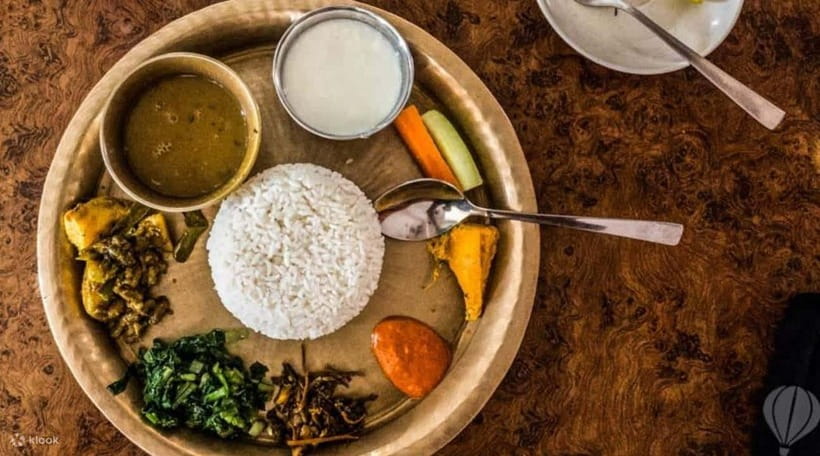
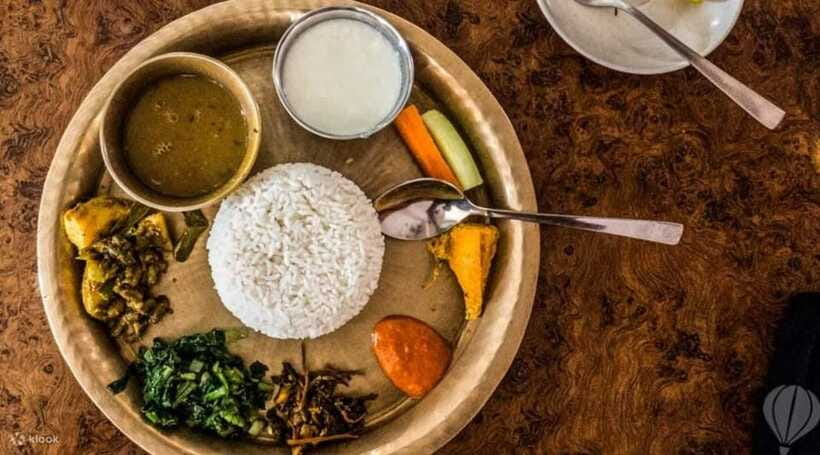
If you want a better sense of daily Nepali eating, dal bhat is the stronger choice. The meal combines rice and lentil soup with curry and other accompaniments. It is filling, adaptable, and central to Nepali dining.
One participant changed plans and switched to a dal bhat class. The change was handled smoothly, which suggests some flexibility, but you should still ask in advance if you want to change your selection. Availability may depend on the class schedule and ingredients.
The dal bhat option also gives you more insight into how a Nepali meal works as a set. You learn that the rice is only one part of the plate. Lentils, vegetables, curry, and pickle provide different flavors and textures, and the result is more varied than the short name might suggest.
You may also prepare additional curry dishes. The exact recipes are not specified, so I would not book expecting one particular curry. Book it for the chance to learn a typical Nepali meal using locally sourced ingredients and household techniques.
Eating the meal you helped prepare
At the end, you sit down to taste the food made during the class. The meal is included, along with the ingredients, equipment, tea, and cooking instruction. This is where the activity becomes more than a lesson.
I like the direct connection between effort and reward. You remember the folding, chopping, stirring, and seasoning because the finished meal is right in front of you. It also gives you a chance to compare your work with the instructor’s guidance and ask final questions.
The food is intended to be typical Nepali cooking, but spice levels and ingredients can vary. If you prefer mild food or have dietary restrictions, tell the host before cooking begins. The activity specifically warns that it is not suitable for people with food allergies, so anyone with a serious allergy should take that warning seriously.
Alcohol is not included. That is unlikely to matter for a daytime cooking class, but you should know that the included drink is Nepali masala tea, not an alcoholic beverage or a broad drinks package.
The family welcome and Pokhara location
The human side of this activity receives especially strong praise. The Dream family is described as welcoming, accommodating, and patient. One host even arranged tea and Coca-Cola for a participant, while another class ended with a printed certificate and Tika placed on the forehead.
Those touches are not guaranteed as a fixed part of the advertised inclusions. Still, they show the kind of personal welcome the family may offer. A certificate can feel like a small souvenir, while Tika gives the visit a distinct cultural note.
The location is useful if you are staying near Lakeside. One participant noted that the cooking location made it easy to walk through Lakeside afterward and stop at the lake. If your hotel is farther away, taxi transport back may be arranged, but you should rely on the included hotel pickup and drop-off rather than assume you can walk to the class.
This is not primarily a sightseeing tour. You will not spend the three hours touring Pokhara’s main landmarks. Its value comes from the kitchen, the food, and the contact with the family hosting you.
What the $42 price includes
At $42 per person, the class is not the cheapest way to eat momos in Pokhara. You can buy a plate of dumplings for far less. The comparison is not quite fair, though, because this price includes hotel transport, a small group, an instructor, ingredients, equipment, instruction, masala tea, and the meal you prepare.
The value is strongest if you would otherwise pay for a food tour, a cultural activity, and transport separately. You also leave with cooking techniques rather than only a full stomach. For a first visit to Nepal, that added context can make the price worthwhile.
The group limit of eight is important. A larger class might lower the cost, but you could spend more time watching than cooking. Here, you have a better chance to shape momos, handle ingredients, and ask questions.
The price may feel high if your only goal is lunch. It makes more sense if you want a personal cultural activity and enjoy cooking. Couples, families, and small groups of friends should get particularly good value from the format.
Who should book this class?
I would recommend it most strongly to:
- First-time visitors who want a gentle introduction to Nepali food
- People who enjoy cooking and want a practical skill to take home
- Families looking for an activity that works for beginners
- Couples and small groups who prefer a home setting
- Vegetarians who choose the vegetarian momo option
- Anyone staying in or near Lakeside who wants to combine the class with a lake walk
It is less suitable if you have serious food allergies, dislike shared home settings, or want a fast restaurant-style meal. It may also disappoint you if you expect a formal culinary school with precise professional instruction and a fixed menu.
The activity is wheelchair accessible, but you should still confirm the arrangements for your particular hotel and kitchen setup before booking. Accessibility is listed, yet home kitchens can have practical details that are worth checking.
Free cancellation is available up to 24 hours before the activity for a full refund, and you can reserve now and pay later. That helps if your Pokhara plans depend on trekking weather or changing transport times.
My verdict on the Pokhara momo workshop
I would book this class if I wanted one personal, food-focused afternoon in Pokhara. The strongest reasons are the small group, the hands-on momo work, the home-kitchen setting, and the chance to eat a Nepali meal prepared with help from an Aama chef.
The class also benefits from a family touch that many cooking demonstrations lack. Certificates, Tika, and extra refreshments may depend on the host, but the warm welcome and patient teaching are central to the format.
Choose dal bhat if you want to understand the everyday Nepali plate. Choose momos if you want the most playful and hands-on lesson. At $42, the activity is best judged as a cultural meal and cooking lesson with transport, not as a cheap lunch.
If you are comfortable cooking with ingredients selected for a shared meal, this is a friendly way to spend three hours. Bring comfortable clothes, tell the host about dietary needs early, and save room for the momos.
FAQ
How long does the Pokhara cooking class last?
The cooking class lasts three hours.
Where does the activity take place?
The activity takes place in Pokhara, in Nepal’s Pashchimanchal area of the Western Region.
Is hotel pickup included?
Yes. Hotel pickup and drop-off are included, and the provider says pickup is made with a name card.
What dishes can I learn to cook?
You can learn to prepare momos, dal bhat, and additional flavorful curries. The momo option includes a choice of chicken or vegetarian filling.
Is the food included?
Yes. Ingredients, cooking equipment, the tasting session, and a meal of the prepared dishes are included.
Is masala tea included?
Yes. Nepali masala tea is served during the lesson.
What language does the instructor speak?
The instructor teaches in English.
How many people can join the class?
The class is limited to eight participants.
Can beginners join?
Yes. The class is suitable for beginners as well as experienced cooks, with step-by-step instructions.
Are food allergies allowed?
The activity is not suitable for people with food allergies. You should inform the provider about dietary restrictions in advance.
What should I wear and bring?
Wear comfortable clothing and shoes suitable for cooking. A camera is recommended if you want to record the experience.
Is smoking allowed?
No. Smoking is not allowed indoors.
Are alcoholic drinks included?
No. Alcoholic beverages are not included.
Is the activity wheelchair accessible?
Yes. The activity is listed as wheelchair accessible.
What is the cancellation policy?
You can cancel up to 24 hours in advance for a full refund.
Can I pay later?
Yes. You can reserve your place and pay later, which keeps your plans flexible.
More Workshops
- Kathmandu: Local Lead Nepali Cooking & Momo-Making Class
★ 5.0 · 212 reviews - Knife (Khukuri) Making Workshop- Forge of the Gurkhas
★ 5.0 · 143 reviews - Local Women Lead Nepali Cooking Class
★ 5.0 · 125 reviews - The best Private Nepali Cooking Class in Kathmandu
★ 5.0 · 83 reviews
Just added around Pokhara
- Double Dare: Tandem Bungee Adventure★ 4.3 · 3 reviews
- Exhilarating Pokhara-Kathmandu Bus Journey Experience★ 3.5 · 3 reviews
- 3 Day Australian Camp Dhampus Ghandruk Easy Trek in Pokhara★ 3.5 · 3 reviews
- Paragliding in Pokhara★ 5.0 · 3 reviews
- Seti George and Thrilling Suspension Bridge Tour at Pokhara★ 4.5 · 3 reviews
- Overnight Dhampus Australian Camp Easy Hiking from Pokhara★ 5.0 · 3 reviews
- Full Day Entire Pokhara Tour by Car with Guide★ 4.5 · 3 reviews
- 5 Days Mardi Himal Trek.★ 5.0 · 3 reviews
Momo Making Classes, compared.




Nepalese Momos or Dal Bhat Cooking Class (Cook with Delight)
Read our review →
The best Private Nepali Cooking Class in Kathmandu
Read our review →
Nepalese Kitchen in Pokhara: Momos or Dal Bhat Cooking Class
Read our review →
Browse the lists this tour appears in