
Reviewed · MOMO MAKING CLASSES
Traditional Nepali Momo Making Classes
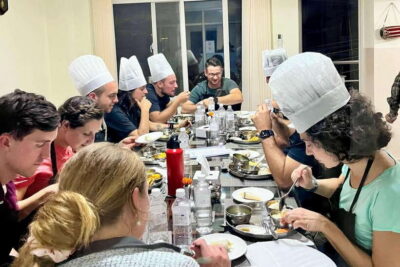
Momos are Nepal’s tastiest hands-on lesson. This 90-minute class in central Thamel combines a warm cup of masala chai with practical instruction in making one of Nepal’s favorite foods from scratch. I especially like the women-run setting and the school’s effort to use ingredients sourced from local farmers. I also like that you eat the meal you prepare, rather than simply watching a demonstration.
The main consideration is the short format. You will learn the basics of dough, filling, spices, and shaping, but this is not a long culinary course. The class also requires good weather and a minimum number of participants, so keep a little flexibility in your Kathmandu schedule.
In This Review
- Key Points at a Glance
- Why Momos Make Such a Good Kathmandu Cooking Class
- Arriving at Bhagwati Marg in Thamel
- Masala Chai and a Friendly Nepali Welcome
- Choosing Your Momo Menu
- Regional Spices Before the Dough
- Making the Dough and Filling by Hand
- Learning Several Ways to Shape Momos
- Eating the Momos You Prepared
- The Rooftop Setting and Atmosphere
- The Recipe Book and What You Take Home
- Who Should Book This 90-Minute Experience?
- Booking Details Worth Knowing
- Should You Book the Momo Class?
- FAQ
- Where does the momo-making class take place?
- What time does the class start?
- How long does the experience last?
- Is lunch included?
- What language is offered?
- How many people can join the class?
- Can I cancel for a full refund?
Key Points at a Glance
- Masala chai starts the class: Your welcome drink offers a friendly introduction to Nepali hospitality before the cooking begins.
- You make momos from scratch: The practical session covers dough, filling, and several ways to shape the dumplings.
- Women lead the experience: Sushila and Sabita have been praised for their patience, humor, warmth, and teaching style.
- The location is easy to reach: The school sits on Bhagwati Marg in the heart of Thamel, close to public transportation.
- Lunch is included: You eat the momos you prepare, making this both a lesson and a useful midday meal.
- You take home a recipe book: The booklet gives you a way to repeat the dishes after returning home.
Why Momos Make Such a Good Kathmandu Cooking Class
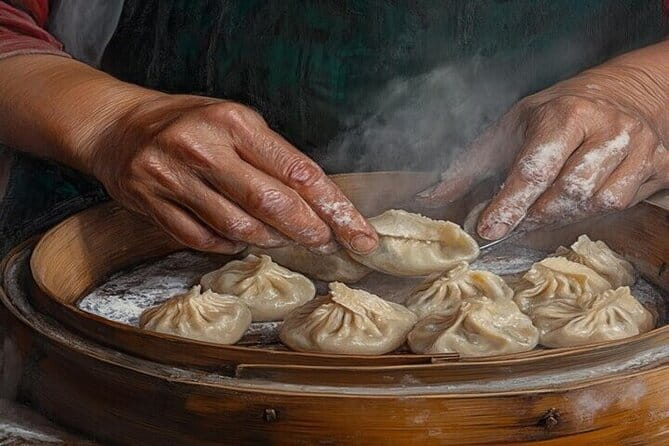
Momos are more than a quick snack in Nepal. These steamed dumplings are part of everyday eating, and they appear in many forms across the Himalayan region. Learning to make them gives you a small but useful window into local food culture.
The appeal is practical. You are not only hearing about Nepali cooking or watching someone else prepare it. You handle the dough, work with the filling, and practice shaping the momos yourself. That makes the meal easier to remember, and it helps explain why a simple plate of dumplings can take more care than it first appears.
I like the way the class connects food with local sourcing. Namaste Cooking School works with local farmers for its ingredients, with a stated aim of protecting indigenous Nepali cooking traditions. You will not get a full survey of every regional cuisine in 90 minutes, but you will get a focused lesson built around a dish that is closely linked to daily life in Nepal.
The price is $18 per person. In Kathmandu, that is a reasonable amount for a class that includes instruction, lunch, a welcome drink, and a recipe book. If you only want a cheap plate of momos, a restaurant will cost less. If you want to understand how the food is made and spend time with local instructors, the class offers better value.
More Momo and Nepali Cooking Classes:
- Kathmandu: Local Women-Led Nepali Cooking & Momo Class
★ 4.9 · 360 reviews - Kathmandu: Local Lead Nepali Cooking & Momo-Making Class
★ 5.0 · 212 reviews - Local Women Lead Nepali Cooking Class
★ 5.0 · 125 reviews
Arriving at Bhagwati Marg in Thamel
The meeting point is on Bhagwati Marg, Kathmandu 44600, right in Thamel. That central location matters. Thamel is one of the easiest areas in Kathmandu for visitors to reach, and the school is near public transportation.
The listed start time is 12:30 pm. That makes the class especially convenient for a midday plan. You can use the morning for sightseeing, then replace a routine restaurant lunch with a meal you prepare yourself.
The activity ends back at the meeting point. No separate transport is included or needed for the class itself. Since the school is in a busy visitor area, allow enough time to find Bhagwati Marg and arrive ready to begin at 12:30.
The group can include up to 16 people. That is small enough for a social class, but it is not guaranteed to feel private. If you prefer individual attention, ask about the session when booking. One couple described having a private class, but you should not assume every booking will be private.
Masala Chai and a Friendly Nepali Welcome
The class begins with a traditional cup of masala chai. This is a good choice for the opening ritual because it gives everyone a few minutes to settle in before handling food.
The chai itself received particularly warm praise. If you enjoy spiced tea, it becomes an early highlight. If you do not drink tea, one participant received ginger and lemon tea instead, suggesting that the instructors may be willing to accommodate a simple preference when asked.
The welcome also sets the tone for the rest of the session. Sushila and Sabita have been praised for being patient, funny, and hospitable. One particularly memorable account described Sushila and Sabita as talented teachers who also sang and danced, followed by an informal chat over a few beers after the class. Those extras may depend on the people leading your particular session, but they show the personal character of the school.
I would expect a relaxed, social atmosphere rather than a formal restaurant-school setting. That suits this kind of short class. You are there to learn a useful dish, not pass a culinary exam.
Choosing Your Momo Menu
After the welcome, you choose from the available menus for your momo session. The class also asks about dietary restrictions and allergies before cooking begins.
This step is important because momos can be prepared with different fillings. The available choices are not specified, so you should ask what is offered when you arrive. Several participants specifically enjoyed making vegetable momos, and the school’s ingredient-first approach should appeal to anyone who wants a fresh, plant-based meal.
Do not wait until the food is on the table to mention an allergy. Tell the instructors at the start so they can explain which ingredients are suitable. The class makes an effort to account for dietary needs, but the supplied information does not promise that every allergy or special diet can be handled.
Menu selection also gives the short class some flexibility. You are not simply repeating one fixed recipe without explanation. You get a chance to understand the type of momo you are preparing before the hands-on work begins.
More Workshops:
- Half day cooking class in Thamel kathmandu
★ 5.0 · 607 reviews - Knife (Khukuri) Making Workshop- Forge of the Gurkhas
★ 5.0 · 143 reviews - The best Private Nepali Cooking Class in Kathmandu
★ 5.0 · 83 reviews - Kathmandu: Traditional Momo Making Class & Pickup
★ 4.8 · 60 reviews
Regional Spices Before the Dough
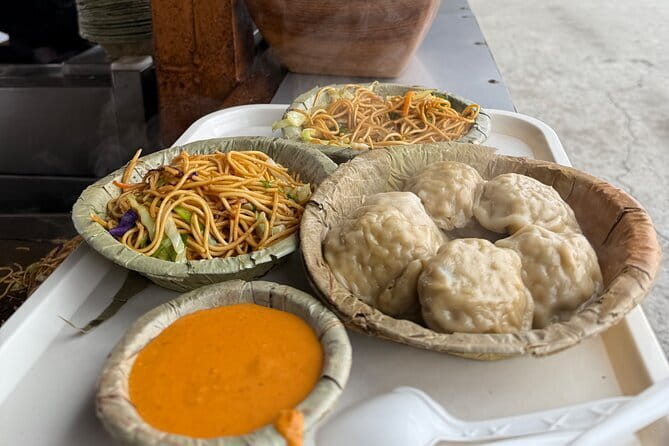
The instructors introduce the spices used in regional Nepali momo cooking. This is a small part of the experience, but it adds useful context.
Momos are often judged by their filling and sauce, yet the seasoning is what gives the dish its character. A spice introduction helps you notice the difference between a bland dumpling and one with a properly balanced filling. You also get a better sense of why local ingredients matter.
The session is not advertised as an advanced spice workshop. Expect a practical overview rather than a long lecture. That is suitable for a 90-minute class, especially if your main goal is to cook and eat.
I would pay attention to the instructors’ advice here and write down anything that is not included in the recipe book. Small tips about proportions, mixing, or seasoning may be more useful at home than a long list of unfamiliar ingredient names.
Making the Dough and Filling by Hand
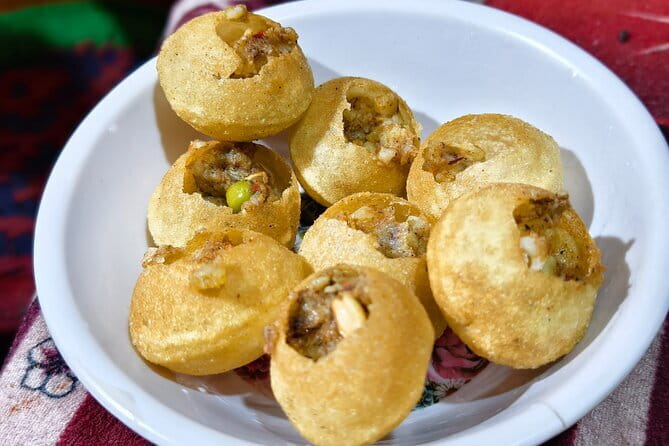
The central part of the class is hands-on cooking. You prepare the components of the momos with guidance, learning by doing rather than standing at the edge of a demonstration kitchen.
The dough is a key lesson. It needs to be workable enough to roll and shape, but sturdy enough to hold the filling. Making it yourself helps explain the texture of good momos and gives you a better chance of repeating the process later.
The filling is just as important. The class focuses on authentic Nepali preparation and uses ingredients linked to local farmers. You should get a clearer feel for how the filling comes together, how the spices are distributed, and how much mixture belongs inside each wrapper.
The instructors’ teaching style seems to be one of the strongest reasons to book. Sushila and Sabita have been described as especially patient, which matters when the first few wrappers look more like folded parcels than neat dumplings. You do not need advanced cooking skills. The point is to improve as you go.
The class also works well for families. One family found that even an eight-year-old who initially did not want to participate ended up enjoying the activity. That makes the experience a good option when you want a break from temples, markets, and long sightseeing walks.
Learning Several Ways to Shape Momos
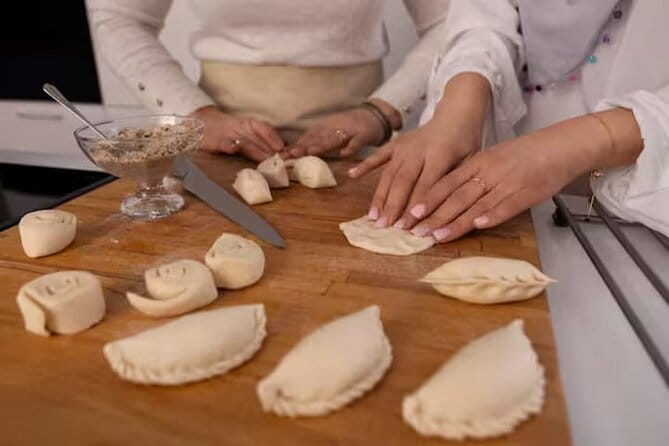
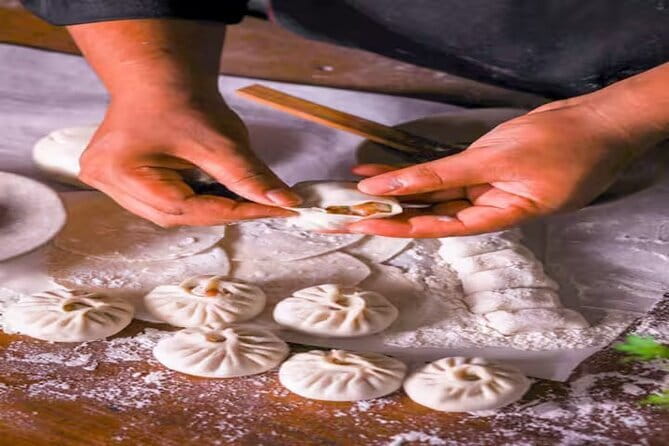
Shaping is where the class becomes playful. You learn different folding styles rather than producing a plate of identical dumplings.
The precise shapes taught can vary, but the basic lesson is the same: seal the dough properly, avoid overfilling it, and create a form that will hold during steaming. It takes more dexterity than you might expect. The first few attempts may be uneven, which is part of the fun.
This is also the most useful skill to practice at home. You can copy a filling recipe, but shaping improves only through repetition. The class gives you a chance to try several forms while an instructor can correct your technique.
If you are taking photographs, this is a natural point to do it. The prepared dough, fillings, and folded momos make clear visual stages. Still, keep your hands in the process. The class is most rewarding when you focus on making rather than documenting every step.
Eating the Momos You Prepared
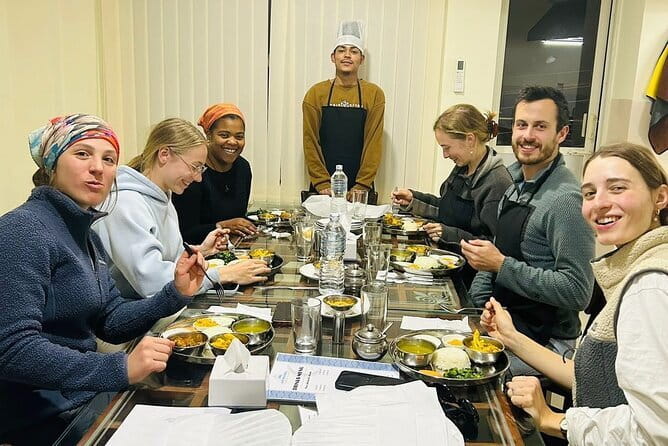
Once the cooking is complete, you eat the finished momos as lunch. That is a real advantage over a demonstration-only class. You can taste the result while the method is still fresh in your mind.
Several participants found the portions satisfying, with enough food to become full. The momos were repeatedly praised as fresh and delicious, but keep expectations sensible. The menu and portion size may depend on the filling and group arrangement.
The meal also gives you a chance to compare your own work with the instructors’ guidance. If a wrapper is thicker than expected or a filling is not seasoned quite right, you will notice it immediately. That kind of feedback is more useful than simply being told how the dish should taste.
For me, this is where the $18 price makes sense. You receive a cultural activity, a meal, and a skill you can use again. It is not the cheapest lunch in Thamel, but it is a fair price for combining all three.
The Rooftop Setting and Atmosphere
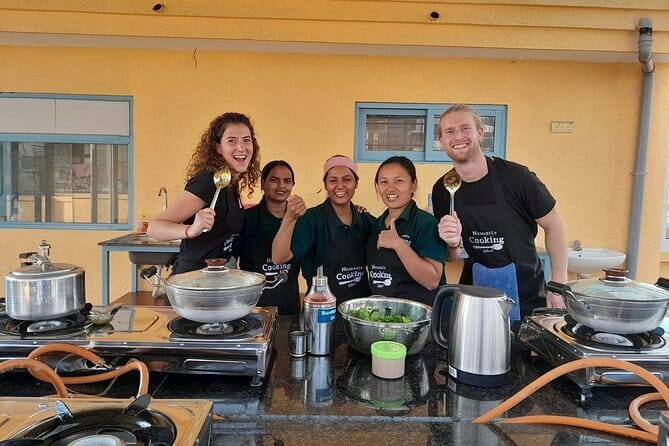
The school is located in Thamel, and one class was described as taking place in a clean rooftop kitchen with panoramic views of Kathmandu. Because the supplied details do not promise a rooftop setting for every session, treat that as a possible feature rather than a guarantee.
A rooftop kitchen would add extra appeal, particularly around lunchtime. Still, the food and instruction are the main reasons to book. Do not choose the class only for the view.
Cleanliness also matters in a cooking lesson. One participant specifically praised the kitchen as very clean. That is reassuring, though normal care is still wise: mention allergies early and follow the instructors’ food-preparation guidance.
The maximum group size is 16. In a full session, you may share the work area and receive less one-on-one time than you would in a private class. The positive comments about patient instruction suggest the teachers handle beginners well, but anyone seeking a highly personalized culinary lesson should ask about group size in advance.
The Recipe Book and What You Take Home
At the end, you receive a Namaste Cooking School recipe book. This is a modest but useful souvenir. A food memory is much easier to recreate when you have written instructions in front of you.
The book also gives the class a longer life. After returning home, you can try the dough, filling, and shaping methods again. Expect a starting point rather than a full Nepali cookbook, since the class centers on momos and the related cooking experience.
I would keep the recipe book with your travel notes and record any changes you make while cooking at home. Write down which filling you selected, how spicy you found it, and which shape was easiest. Those small notes will help you improve the next time.
Who Should Book This 90-Minute Experience?
This class suits you if you want a short, social activity in central Kathmandu. It fits neatly into a sightseeing day and gives you a proper lunch without requiring a half-day commitment.
It is particularly good for:
- First-time visitors who want a direct connection with Nepali food
- Couples looking for an interactive activity
- Families with children who can take part in simple kitchen tasks
- Vegetarian diners, subject to the menu available that day
- Anyone who enjoys learning a dish they can repeat at home
- People staying in or near Thamel who want an easy meeting point
It may be less suitable if you want a serious professional cooking course, a long discussion of Nepal’s regional cuisines, or guaranteed private instruction. The format is friendly and focused, not extensive.
The average booking lead time is eight days. That suggests you should reserve ahead if your Kathmandu dates are fixed, particularly if you want the 12:30 pm slot.
Booking Details Worth Knowing
The price is $18 per person, and mobile tickets are accepted. English is the listed teaching language. The activity starts and finishes at Bhagwati Marg in Kathmandu.
Confirmation is provided at booking. The experience offers free cancellation if you cancel at least 24 hours before the local start time. Cancellations or changes made less than 24 hours before the start are not refunded or accepted.
The class requires good weather and a minimum number of participants. If poor weather or low enrollment cancels the session, you will be offered another date or experience, or a full refund.
Should You Book the Momo Class?
Yes, if you want an affordable food experience that is practical, local, and easy to fit into a Kathmandu itinerary. The strongest reasons are the warm women-led instruction, the chance to make momos from scratch, the included lunch, and the recipe book you take home.
I would book it as a relaxed midday activity rather than as a major culinary tour. You will not master every Nepali dish in 90 minutes, and a full group may limit personal attention. But for $18, this is a friendly way to turn lunch into a useful cultural exchange, especially if you like cooking, enjoy dumplings, or want a break from sightseeing.
FAQ
Where does the momo-making class take place?
The class takes place at Namaste Cooking School on Bhagwati Marg in Kathmandu 44600, in the heart of Thamel.
What time does the class start?
The listed start time is 12:30 pm.
How long does the experience last?
The class lasts approximately 1 hour and 30 minutes.
Is lunch included?
Yes. Lunch is included, and you eat the momos prepared during the class.
What language is offered?
English is the listed language for the experience.
How many people can join the class?
The activity has a maximum group size of 16 people. A private class has also been available for some bookings, but private instruction is not guaranteed.
Can I cancel for a full refund?
Yes. You can cancel for a full refund up to 24 hours before the experience start time. Cancellations or changes made less than 24 hours before the start are not refunded or accepted.
Just added around Kathmandu
- Private Shopping Tour in Kathmandu★ 5.0 · 3 reviews
- Nagarkot Sunrise With 7 UNESCO World Heritage Private Tour★ 5.0 · 3 reviews
- Kathmandu: Nightlife and Pub Crawl Tour★ 5.0 · 3 reviews
- Mount Everest Scenic Flight 50 Minutes★ 5.0 · 3 reviews
- Momo Cooking Class -The Art Of Making MoMo with Home Chef★ 5.0 · 3 reviews
- Kathmandu: Nagarkot, Bhaktapur, Doleswor & Sanga Statue Tour★ 5.0 · 3 reviews
- Makalu Base Camp Trek★ 5.0 · 3 reviews
- Kathmandu: Momo Making Class with a Local Chef★ 5.0 · 3 reviews
Momo Making Classes, compared.




Nepalese Momos or Dal Bhat Cooking Class (Cook with Delight)
Read our review →
The best Private Nepali Cooking Class in Kathmandu
Read our review →
Nepalese Kitchen in Pokhara: Momos or Dal Bhat Cooking Class
Read our review →
Browse the lists this tour appears in