
Reviewed · MOMO MAKING CLASSES
Kathmandu: Traditional Momo Making Class & Pickup
Momos are Nepal’s edible calling card. I like that this two-hour cooking class gets you working with dough, fillings, and steamers instead of simply placing a plate in front of you. I also like the small-group format, with no more than 10 people, plus the choice of veggie, vegan, or chicken momos. The main thing to consider is timing: the class begins at 1 PM and may run from 1.5 to 2 hours, so it is best treated as an afternoon activity rather than a quick lunch stop.
The $4 price is remarkably low for a hands-on class that includes ingredients, equipment, tasting, masala tea, and optional pickup within Kathmandu Valley. Instructors such as Bikram and Birfan have earned praise for patience and clear teaching. Still, you should tell the academy about allergies or dietary needs before booking, especially if you want vegan food or need to avoid particular ingredients.
In This Review
- Key Things to Know Before You Book
- Why Momo Making Belongs on a Kathmandu Schedule
- Meeting at Kathmandu Cooking Academy Near Thamel
- Choosing Ingredients on the Market Visit
- Preparing Dough, Filling, and Momo Shapes
- A Choice of Veggie, Vegan, Chicken, and Soup Momo
- Tasting Momos With Nepali Masala Tea
- Teaching Quality and Group Size
- Is the $4 Price Good Value?
- Practical Tips for a Better Class
- Who Should Book This Kathmandu Cooking Class?
- Should You Book It?
- FAQ
- Where does the momo class take place?
- What time does the class start?
- Can I choose a vegan or vegetarian momo?
- Is hotel pickup available?
- How many people can join the class?
- What is included in the price?
Key Things to Know Before You Book
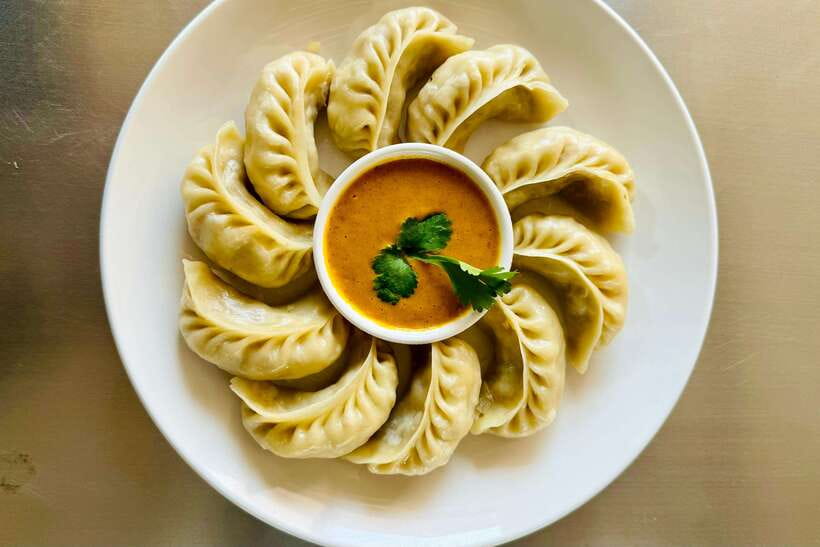
- You make the momos from scratch: Learn the dough, filling, folding, and steaming rather than watching a cooking demonstration.
- The market visit adds local context: Choose fresh ingredients for veggie or chicken momos before entering the kitchen.
- You have filling and style choices: Pick veggie, vegan, or chicken filling, then make regular momos or try soup momo.
- The class stays small: Up to 10 participants means more chances to ask questions and get help with tricky folds.
- Your food becomes the meal: The session ends with a tasting of the momos you prepared, served with Nepali masala tea.
- Pickup is optional: You can walk from Thamel in about 10 to 15 minutes or arrange hotel pickup anywhere in Kathmandu Valley.
Why Momo Making Belongs on a Kathmandu Schedule
A momo is a dumpling, but that plain description misses much of its appeal. In Kathmandu, momos appear everywhere, from modest snack shops to restaurant menus, and the small parcels are one of the easiest ways to connect with everyday Nepali food.
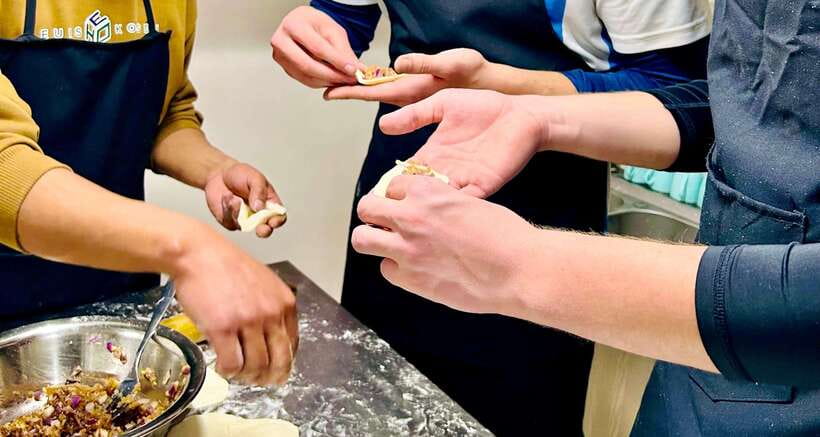
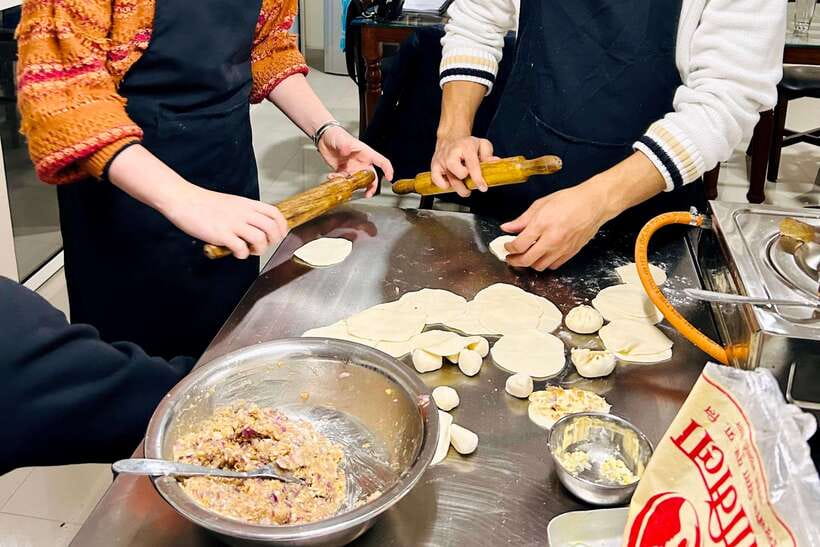
This class gives you the useful part of that connection: you learn how the dish comes together. You prepare the dough, season the filling, shape each dumpling, and steam it. The work is simple enough for a beginner, but folding the momo neatly takes practice. That is where a local instructor earns the fee.
I like cooking classes that leave you with a skill you can repeat at home. Here, you can take away more than a full stomach. You can remember the feel of the dough, the amount of filling that fits, and the method used to seal the edges. One participant who had never made momos before said the instruction made the process feel possible at home. That is a good sign for first-time cooks.
The class is also social without requiring a long commitment. At roughly two hours, it fits well between sightseeing in Kathmandu and an evening meal. You should not expect an all-day food tour. You should expect a focused introduction to one of Nepal’s most loved dishes.
More Momo and Nepali Cooking Classes:
- Kathmandu: Local Women-Led Nepali Cooking & Momo Class
★ 4.9 · 360 reviews - Kathmandu: Local Lead Nepali Cooking & Momo-Making Class
★ 5.0 · 212 reviews - Local Women Lead Nepali Cooking Class
★ 5.0 · 125 reviews
Meeting at Kathmandu Cooking Academy Near Thamel
The class takes place at Kathmandu Cooking Academy, in an area that is easy to reach from Thamel. If you are staying nearby, the walk takes about 10 to 15 minutes. Look for the academy signboard outside the building, then enter and check in with the staff.
This meeting point is useful because Thamel is a common base for visitors to Kathmandu. You do not need to arrange a long cross-city ride if your hotel is in or near the neighborhood. If you are staying elsewhere in Kathmandu Valley, optional hotel pickup and drop-off can make the outing simpler.
Pickup is not automatic, so select it when booking and provide your hotel details in advance. That matters in Kathmandu, where a short distance on the map can take longer than expected depending on traffic. If you prefer to make your own way, arriving directly at the academy is also an option.
The official start time is 1 PM. The activity is described as lasting two hours, while the practical class timing is given as 1.5 to 2 hours. Allow the full two hours so you do not feel rushed, particularly if you are new to folding dumplings.
Choosing Ingredients on the Market Visit
Before cooking begins, you take part in a market or shop visit to select fresh ingredients. This is a small but important part of the class. It shows you what goes into the filling and gives the lesson a local food-shopping angle instead of keeping you inside a kitchen from start to finish.
The ingredient selection is guided by the filling you choose. Options include vegetarian, vegan, and chicken momos. The provided details specifically describe the market selection as being for vegetable or chicken ingredients, so if you need a strictly vegan preparation, mention it before booking and confirm the arrangements with the academy.
I like this stop because it turns an unfamiliar recipe into a practical one. You see the raw components before they are chopped and mixed. Your instructor can also explain how the ingredients fit together, although the exact market route and shopping details may vary.
Do not expect a major sightseeing stop or a long food market expedition. The purpose is to gather what the class needs. That keeps the activity moving and leaves enough time for the hands-on cooking.
Preparing Dough, Filling, and Momo Shapes
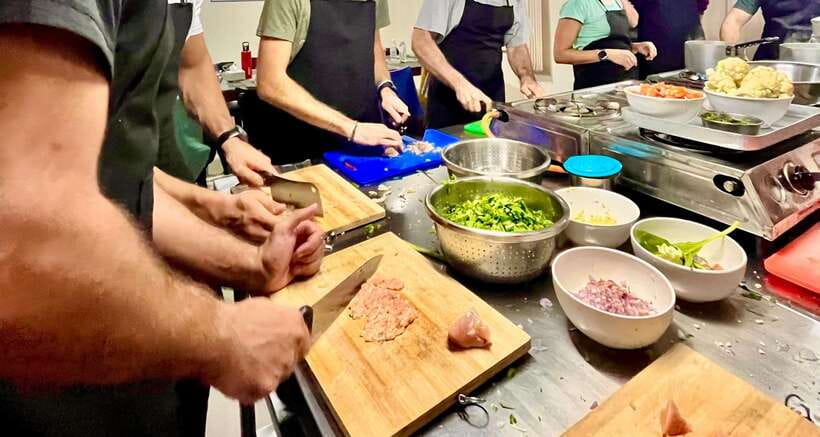
Back at the academy, the instructor takes you through the recipe step by step. The class covers preparing the dough, making the filling, shaping the dumplings, and steaming them.
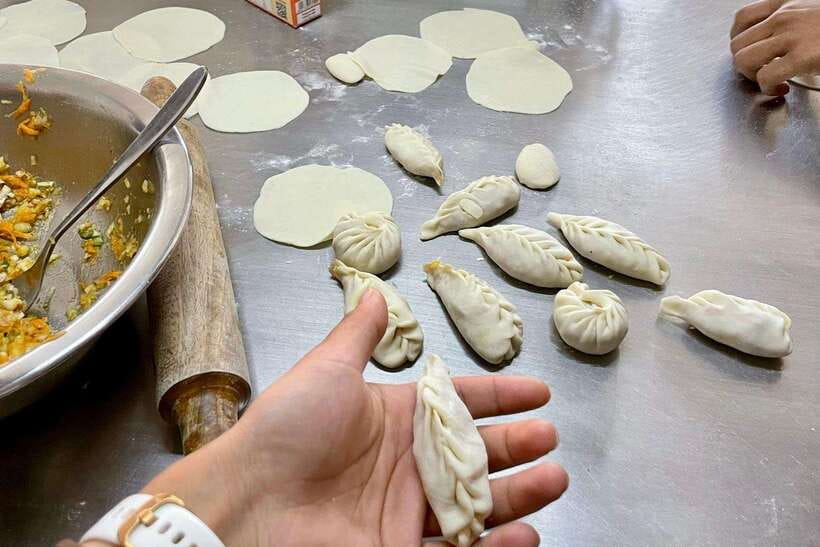
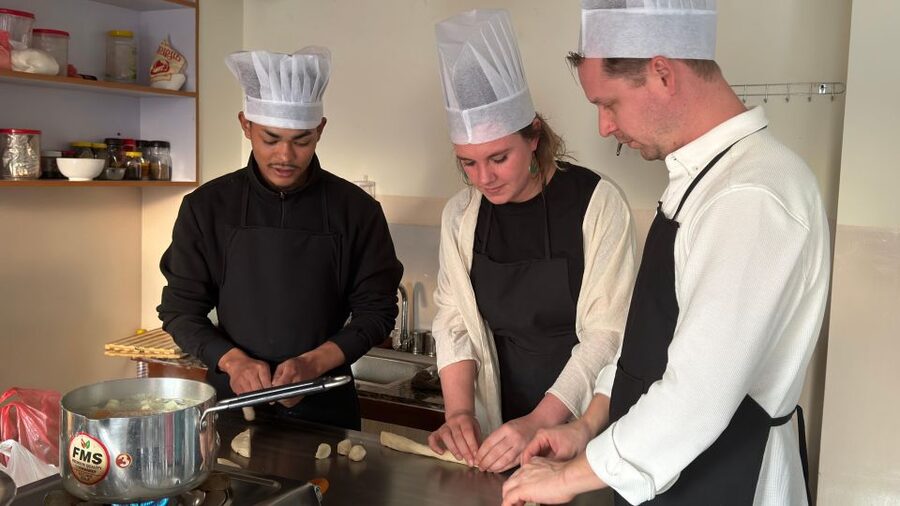
The shaping stage is usually where beginners need the most help. You need enough dough to form a thin wrapper, enough filling to make a satisfying dumpling, and a firm seal that will hold during steaming. The instructors have been praised for patience, especially with first-time cooks. One instructor, described as a young chef, encouraged a beginner to keep practicing and offered praise while she learned the shape.
That personal help matters in a class of this type. A recipe alone cannot show you how much pressure to use or how tightly to close the top. With a group capped at 10, you should have a reasonable chance to get assistance instead of being left behind.
The kitchen provides the cooking equipment and accessories, so you do not need to bring specialist tools. Bring a camera if you like recording the process, but the essential supplies are covered. Wear something comfortable for an afternoon of chopping, mixing, rolling, and shaping.
The class may also introduce different momo styles. Regular momos are the straightforward choice. Soup momo gives you a chance to try a version with liquid inside, which requires a different approach and careful sealing. If you are especially interested in soup momo, tell the instructor early so there is time to include it.
More Workshops:
- Half day cooking class in Thamel kathmandu
★ 5.0 · 607 reviews - Knife (Khukuri) Making Workshop- Forge of the Gurkhas
★ 5.0 · 143 reviews - The best Private Nepali Cooking Class in Kathmandu
★ 5.0 · 83 reviews - Traditional Nepali Momo Making Classes
★ 5.0 · 53 reviews
A Choice of Veggie, Vegan, Chicken, and Soup Momo
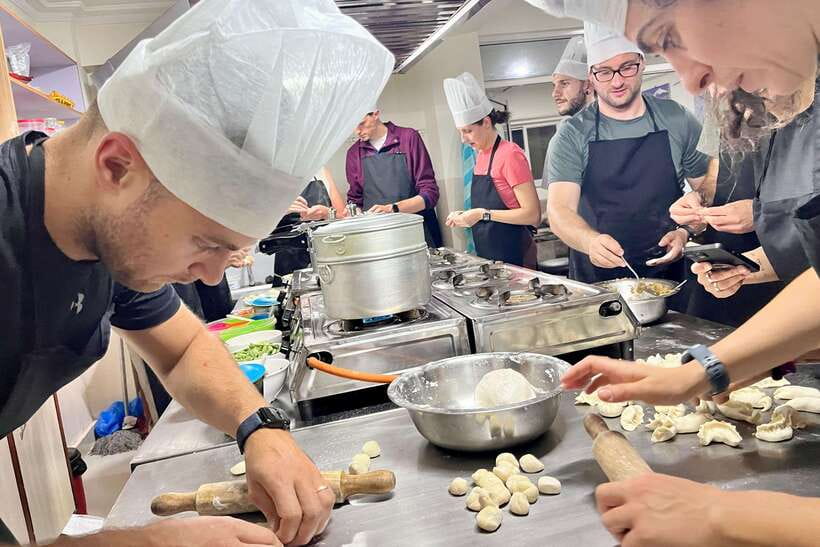
The menu offers useful flexibility. Chicken is a popular option, and several participants singled out the finished chicken momos as delicious. Vegetarian and vegan choices make the class more accessible to people who do not eat meat, but dietary needs should be reported before arrival.
The distinction between vegetarian and vegan matters in a cooking class. You should not assume every dough, sauce, or side ingredient is vegan unless the academy confirms it. The same advice applies to allergies. Send the information ahead of time rather than waiting until you are standing at the chopping board.
You can also use the class to compare styles. Some sessions may include more than one variation, and one enthusiastic participant enjoyed trying different types of momo along with tea. The core promise, however, is the hands-on momo lesson, so the precise number of variations can depend on the class setup and the choices made by the group.
The food is not only a teaching prop. You eat what you prepare at the end. That gives the cooking a clear reward, and it lets you judge the texture and seasoning while the process is still fresh in your mind.
Tasting Momos With Nepali Masala Tea
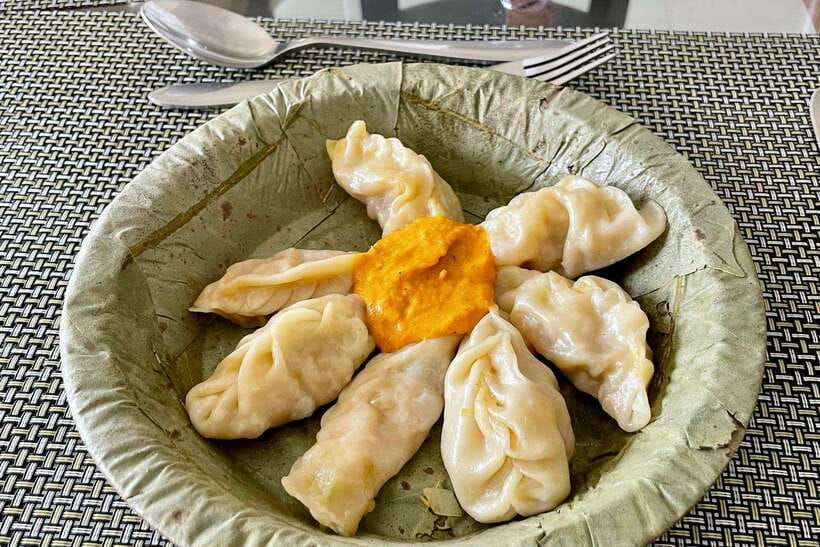
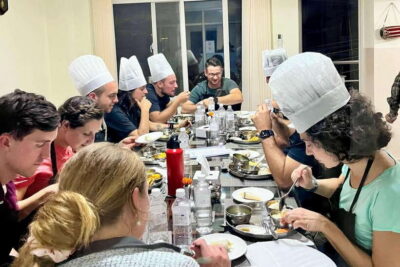
The final tasting session is the satisfying close to the class. You sit down with the momos you have made and enjoy them with a complimentary cup of Nepali masala tea.
This is where the lesson becomes a meal. You can see how your folding affected the shape and how steaming changed the dough. If some dumplings look uneven, that is part of the fun. The first momo is rarely the prettiest one, but it can still taste good.
Masala tea adds a pleasant Nepali touch and rounds out the session. Specialty drinks and alcohol are not included, so plan on paying separately if you want something beyond the provided tea.
The food receives the strongest praise from the experience. Participants repeatedly describe the momos as delicious, and one group enjoyed several dishes and tea during its afternoon. Another cooking session included additional Nepali foods such as aloo chop, thukpa soup, and yomari, but these should not be treated as guaranteed inclusions in this specific two-hour momo class. Ask ahead if you are hoping to add other dishes.
Teaching Quality and Group Size
The instructors are the heart of this activity. Birfan is specifically praised for being professional, while Bikram is praised not only as a cook but as a teacher who kept a large mixed-age group involved.
The language of instruction is English. That makes the class accessible to English-speaking visitors, and the teaching style appears suited to beginners. You should still expect a practical lesson rather than a formal culinary-school course. The aim is to help you make good momos and understand the basic process.
The advertised maximum is 10 participants. That is small enough to support hands-on help, though the actual atmosphere can depend on who attends that day. A small group is especially useful during folding, when everyone needs a little attention at the same time.
The experience has also worked for family groups with a wide age range. One party included children and adults ranging from age 7 to 75, with the instructors adjusting well to the group. The official restriction says children under 5 are not suitable, and people over 95 are not suitable. For other ages, the practical question is comfort with standing, food preparation, and following kitchen instructions.
Is the $4 Price Good Value?
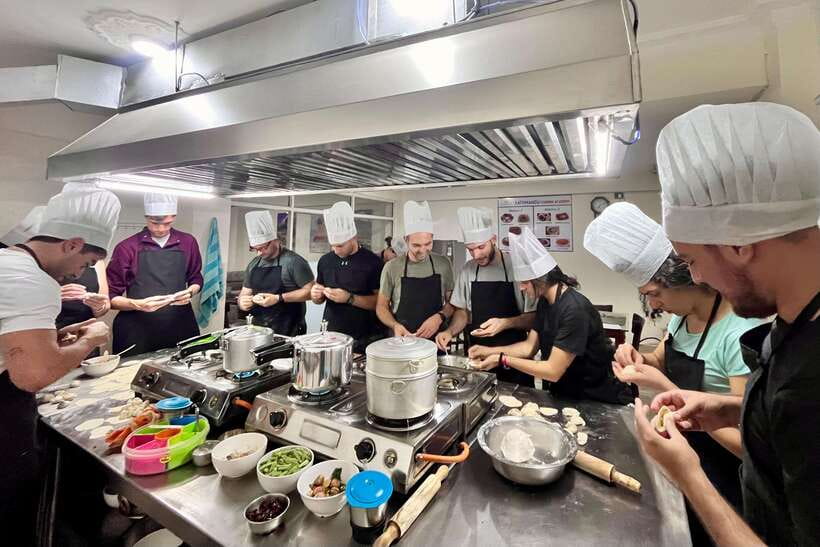
At $4 per person, this is unusually inexpensive. You receive instruction, ingredients, equipment, a market visit, the meal you prepare, and masala tea. Optional hotel pickup and drop-off within Kathmandu Valley add convenience, though the information provided does not state a separate pickup charge.
The value is strongest if you want participation rather than a restaurant meal. A plate of momos may be quicker, but it will not teach you how to make the dough or fold the dumplings. This class also gives you a structured afternoon activity at a very low cost.
You should keep your expectations sensible. A two-hour class cannot cover every part of Nepali cuisine in depth. The market visit is focused on ingredients, and the central lesson is momo making. If your main goal is an extensive cooking course with several guaranteed dishes, you may find the format limited.
For most people, though, the price makes the limitations easy to accept. You get a local food lesson, a meal, and a recipe skill for less than many ordinary sightseeing activities.
Practical Tips for a Better Class
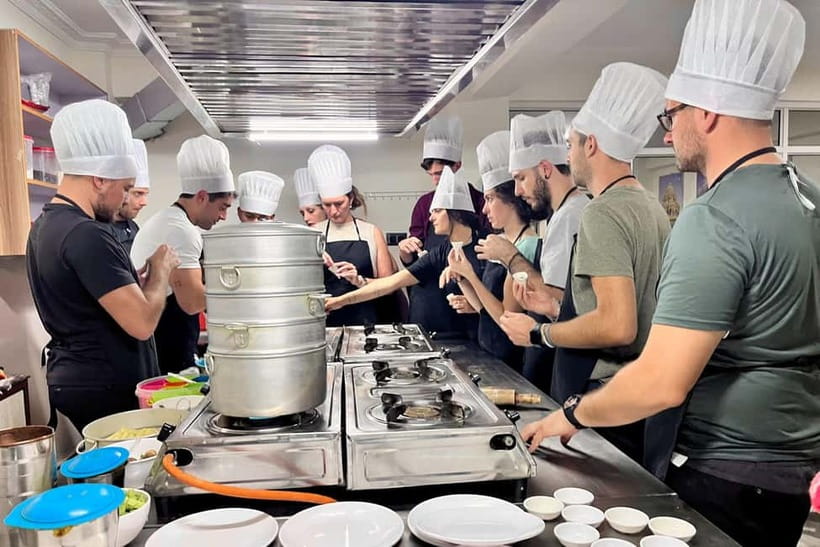
Tell the academy about allergies, dietary restrictions, and special requests before booking. This is especially important for vegan participants and anyone choosing between vegetable and chicken preparation.
Arrive with enough time to find the signboard and check in. The academy is walkable from Thamel, but Kathmandu traffic can make pickup or a cross-valley journey less predictable.
Keep your afternoon open until at least 3 PM. The class starts at 1 PM and may last the full two hours. If you are using hotel pickup, provide complete hotel details in advance.
Bring a camera, as suggested, but also pay attention during the folding lesson. One useful tip from a participant is to take notes because the printed recipe may not include every ingredient used in the class. If you hope to host a momo meal at home, write down the details while the instructor is explaining them.
Finally, do not judge your first dumplings too harshly. Folding is a learned motion. The instructors are there to help, and repeated practice is part of the afternoon.
Who Should Book This Kathmandu Cooking Class?
I would recommend this class to first-time visitors who want a direct introduction to Nepali food. It also suits people who enjoy cooking, families with children over 5, couples, and solo visitors who like a small-group setting.
It is a particularly good choice if you are staying near Thamel and want an activity that does not consume a full day. The low price also makes it easy to add to a Kathmandu schedule without making a major financial commitment.
You may want to skip it if you dislike hands-on food preparation, need a fully private class, or want a broad survey of Nepali cuisine. The focus is momos, and the timing is fixed at 1 PM. Anyone with allergies or strict dietary requirements should confirm the arrangements before paying.
Free cancellation is available up to 24 hours in advance, and the reserve-now, pay-later option gives you some flexibility when your Kathmandu plans are still changing.
Should You Book It?
Yes, if you want to learn a practical Nepali dish in a friendly, low-cost setting. The combination of a short market visit, step-by-step instruction, small group, tasting, and masala tea gives the afternoon real substance.
Book it with the right expectations: this is a focused momo class, not a full culinary tour. Choose your filling in advance, report dietary needs early, allow two hours, and be ready to make a few imperfect folds before you produce a plate worth eating. At $4, that is a very easy mistake to afford.
FAQ
Where does the momo class take place?
The class takes place at Kathmandu Cooking Academy in Kathmandu. The academy is about a 10 to 15 minute walk from Thamel and has a signboard outside the building.
What time does the class start?
The class starts at 1 PM. It lasts about 1.5 to 2 hours, so you should allow the full two-hour period.
Can I choose a vegan or vegetarian momo?
Yes. The available filling choices include veggie, vegan, and chicken. Tell the academy about dietary restrictions or special requests before booking.
Is hotel pickup available?
Yes. Optional hotel pickup and drop-off are available from locations within Kathmandu Valley. Provide your hotel details in advance if you select this service.
How many people can join the class?
The class is limited to 10 participants, making it a small-group activity with opportunities for hands-on help.
What is included in the price?
The class includes local instruction, a guided market visit for ingredients, cooking equipment, the tasting session, Nepali masala tea, and optional hotel pickup and drop-off within Kathmandu Valley. Specialty drinks and alcoholic drinks are not included.
Just added around Kathmandu
- Private Shopping Tour in Kathmandu★ 5.0 · 3 reviews
- Nagarkot Sunrise With 7 UNESCO World Heritage Private Tour★ 5.0 · 3 reviews
- Kathmandu: Nightlife and Pub Crawl Tour★ 5.0 · 3 reviews
- Mount Everest Scenic Flight 50 Minutes★ 5.0 · 3 reviews
- Momo Cooking Class -The Art Of Making MoMo with Home Chef★ 5.0 · 3 reviews
- Kathmandu: Nagarkot, Bhaktapur, Doleswor & Sanga Statue Tour★ 5.0 · 3 reviews
- Makalu Base Camp Trek★ 5.0 · 3 reviews
- Kathmandu: Momo Making Class with a Local Chef★ 5.0 · 3 reviews
Momo Making Classes, compared.




Nepalese Momos or Dal Bhat Cooking Class (Cook with Delight)
Read our review →
The best Private Nepali Cooking Class in Kathmandu
Read our review →
Nepalese Kitchen in Pokhara: Momos or Dal Bhat Cooking Class
Read our review →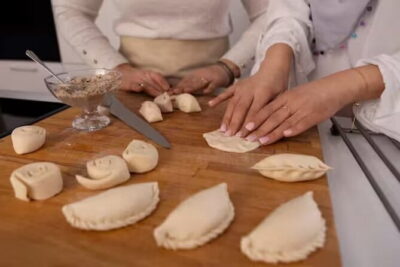
Browse the lists this tour appears in