
Reviewed · WALKING TOURS
Oldest Local Market Walking Tour With Living Goddess Kumari
A goddess lives in Kathmandu. This two-hour walk links Ason market with Kathmandu Durbar Square and the Kumari, Nepal’s living goddess. I like the way it joins ordinary city life with sacred tradition, and I like the chance to see both Hindu and Buddhist customs in one compact outing. The main drawback is that the pace is short and focused, with the Kathmandu Durbar Square entry fee of NPR 1,000 added to the $39 tour price.
You meet at Chhaya Devi Complex in Thamel, then walk with an English-speaking guide toward Ason and the old royal square. Guide Santos has earned particular praise for clear explanations and friendly communication, which matters here because the sights make far more sense with local context. Keep your expectations respectful and realistic: seeing Kumari depends on the customs and circumstances at the Kumari Ghar.
In This Review
- Key Points At A Glance
- Why This Short Walk Works
- Starting At Chhaya Devi Complex In Thamel
- Reading Ason Through Its Market Life
- Meeting The Kumari Of Kathmandu
- Exploring Kathmandu Durbar Square
- Hindu And Buddhist Kathmandu In Two Hours
- What The $39 Price Really Covers
- Who Should Book This Experience
- Practical Tips For A Better Visit
- Should You Book The Ason And Kumari Walk?
- FAQ
- How long does the Oldest Local Market Walking Tour With Living Goddess Kumari last?
- Where does the tour begin?
- Where does the tour finish?
- Is an English-speaking guide included?
- Is Kathmandu Durbar Square admission included?
- Is food or drink included?
- Can I cancel the booking for a refund?
Key Points At A Glance
- Ason’s old market streets: See a working Kathmandu market where spices, textiles, household goods, and souvenirs share space with traditional buildings.
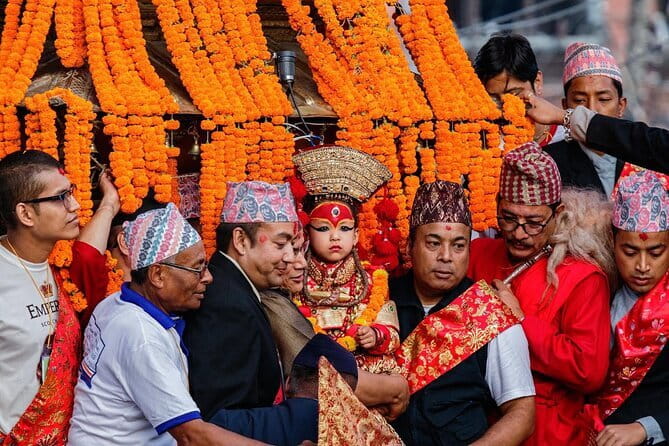
- Kumari Ghar and the living goddess: Learn about the prepubescent girl regarded as the living form of Taleju, a central figure in Kathmandu’s religious life.
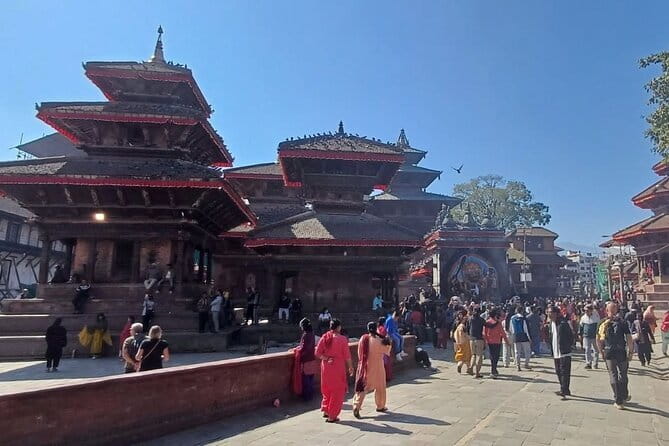
- Kathmandu Durbar Square: Visit a historic royal center filled with temples, courtyards, and palace buildings.
- Hindu and Buddhist traditions together: The walk helps explain how these two faiths appear side by side in Kathmandu.
- A compact two-hour route: This is a useful introduction if you want cultural context without giving up half a day.
- Water and guiding included: You receive bottled mineral water, government taxes, and an English-speaking guide, but not meals or the square’s entry ticket.
Why This Short Walk Works
Kathmandu can feel like a lot at once. Sacred courtyards, shop signs, shrines, traffic, incense, and market calls all compete for your attention. A guide gives the city a useful frame, so you are not simply wandering from one attractive building to the next.
The appeal of this tour is its contrast. Ason is a place of daily business, while Kathmandu Durbar Square reflects royal ceremony and religious practice. The Kumari tradition adds another layer, linking the city’s political past with living belief.
At $39 per person, the price is fair if you value interpretation rather than only sightseeing. You are paying for a private cultural service in the form of a guided walk, not transportation or a meal. The extra NPR 1,000 for Kathmandu Durbar Square should be part of your budget from the start.
The tour received a perfect rating from eight bookings, with special praise for its explanations, its friendly guide service, and the emotional impact of seeing Kumari. That does not remove the practical limits. The tour is only two hours, and the published plan does not give a detailed minute-by-minute schedule or group size.
More Walking Tours in Kathmandu
- Kathmandu Food and Drink Walking Tour
★ 5.0 · 266 reviews - Kathmandu: Food and Drink Walking Tour
★ 4.9 · 119 reviews - Walking Street Food Tour in Kathmandu
★ 5.0 · 111 reviews
Starting At Chhaya Devi Complex In Thamel
The meeting point is the main gate side of Chhaya Devi Complex in Thamel. This is a practical starting place because Thamel is one of Kathmandu’s main visitor districts, but you should identify the exact gate before setting out. The complex name is more useful than simply asking for Thamel, which covers a broad area.
The walk returns to the same general meeting point after the visit to Kathmandu Durbar Square. That makes the outing easier to fit around other plans. You are not left arranging a separate ride from the square, at least according to the stated route.
Bring comfortable shoes and a small amount of patience. The experience is built around walking through old streets and market areas, not riding between attractions. Bottled mineral water is included, a small but welcome touch in a city where you may want to keep drinking regularly.
Because the meeting time can vary, check availability before booking. The activity lists several possible starting times rather than one fixed departure for every day.
Reading Ason Through Its Market Life
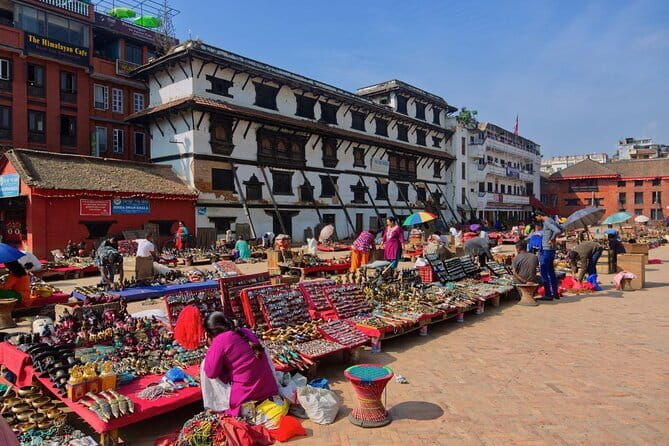
Ason is the first major reason to choose this walk. It is described as one of Kathmandu’s oldest local market areas, and its appeal comes from seeing a part of the city used for ordinary trade rather than presented only as a monument.
You might find spices, textiles, household items, and souvenirs along the route. The point is not simply to shop. A market like Ason shows how Kathmandu works at street level, with commerce taking place among old architecture and religious details.
I would treat this as a cultural walk first and a shopping trip second. The two-hour schedule does not promise long browsing sessions or time for serious bargaining. If you see something you want, ask your guide about the item and allow enough time to make a purchase without losing the group.
Ason also helps you understand why a guide is useful. A stall, shrine, or building can appear ordinary until someone explains its place in local life. The guide can help you notice details you might otherwise pass without understanding.
Do not expect a quiet museum visit. A market is active by nature, and the appeal comes partly from its everyday use. You should be prepared for close streets, changing activity, and the need to stay with the walking group.
Meeting The Kumari Of Kathmandu
The Kumari is the tour’s most distinctive feature. In Nepalese tradition, the Kumari is a prepubescent girl regarded as the living embodiment of Taleju, and she resides in the Kumari Ghar.
This is not a performance staged for visitors. The tradition is religious and cultural, so your visit calls for restraint. Follow your guide’s instructions, keep your voice low, and treat the Kumari and the building with respect. The experience may be brief, and you should not assume you will receive a long interaction or a posed photograph.
One particularly strong reaction to the visit described the Kumari’s gaze as impressive and the meeting as an honor. That response explains the attraction better than a checklist can. The moment is powerful because it presents a living religious tradition, not merely an old object behind glass.
At the same time, I would avoid booking this tour only because you expect a guaranteed dramatic encounter. The experience depends on tradition and circumstance. The published details promise the opportunity to witness the living goddess, but they do not promise a particular length of appearance or personal exchange.
Your guide’s explanations matter here. Without context, you might see a young girl in an ornate setting and miss the meaning of the Kumari’s role. With context, the visit becomes a window into the way Kathmandu connects religion, royalty, and public life.
A different sort of day from Kathmandu:
- Everest Base Camp Trek – 14 Days
★ 5.0 · 1,499 reviews - Private Kathmandu Sightseeing Tour | UNESCO World Heritage sites
★ 5.0 · 756 reviews - Everest Base Camp Helicopter Tour landing at Everest View Hotel
★ 5.0 · 668 reviews - Half day cooking class in Thamel kathmandu
★ 5.0 · 607 reviews
Exploring Kathmandu Durbar Square
Kathmandu Durbar Square is the main historical stop and the central guided portion of the outing. It lies in the heart of Kathmandu and includes palaces, temples, courtyards, and other buildings tied to the Kathmandu Valley’s past.
The square is valuable because it brings several types of history together in one place. Royal buildings show the former power of the city’s rulers. Temples reveal the importance of Hindu worship. Buddhist elements add to the layered character of the area.
The tour gives you a guided visit lasting about two hours overall, including the market and the Kumari experience. That means you should expect an introduction rather than an exhaustive architectural study. If you have a strong interest in Nepalese art, palace design, or temple construction, you may want to return on your own with more time.
The entry ticket is not included and costs NPR 1,000. This is the most important extra expense to note. The guide and taxes are covered, but admission to the square is paid separately, along with any meals, drinks, or personal purchases.
The square is best understood with a storyteller beside you. Names, religious symbols, and royal connections can be hard to sort out when you are seeing them for the first time. The available feedback gives strong weight to detailed explanations, and that is exactly where this tour can provide value.
Hindu And Buddhist Kathmandu In Two Hours
One of the tour’s most useful goals is showing Hinduism and Buddhism together. Kathmandu is not neatly divided into one religious quarter and another. Beliefs, buildings, ceremonies, and daily customs often appear close together.
You will not become an expert in either faith during a two-hour walk. You can, however, gain a starting point for understanding the symbols and practices you see during the rest of your time in Nepal.
This context is especially helpful at the Kumari Ghar and Kathmandu Durbar Square. The Kumari tradition connects to Hindu belief through Taleju, while the wider city also includes strong Buddhist traditions. The tour presents these ideas as part of Kathmandu’s cultural setting rather than treating each sight as an isolated stop.
The quality of the explanation is important. One perfect-score comment specifically praised the guide for explaining everything in detail, while another called the tour very informative. Santos was singled out for excellent communication and strong subject knowledge. If your guide is Santos, you can reasonably expect a guide-led experience rather than a simple walk between locations. Still, guide assignments can change, so do not book on the assumption that he will always lead your departure.
What The $39 Price Really Covers
The $39 fee is easiest to judge by separating included services from extra costs. Your price covers an English-speaking guide, government taxes and VAT, and one bottle of mineral water.
It does not cover:
- Kathmandu Durbar Square admission, listed as NPR 1,000
- Meals
- Beverages beyond the included water
- Personal expenses
- Market purchases
For a short tour, $39 is not the lowest-cost way to see the area. You could walk through parts of Ason and the square independently. The value comes from having someone explain the Kumari tradition, connect Hindu and Buddhist customs, and give meaning to the market and royal buildings.
I would recommend the price to first-time visitors who want a reliable cultural introduction. It is less attractive if you already know Kathmandu well, have visited the square before, or prefer to explore markets at your own speed.
The tour also offers reserve-now and pay-later booking, plus free cancellation up to 24 hours before the start for a full refund. Those terms are useful if your Nepal schedule is still shifting, but they do not change the basic cost calculation.
Who Should Book This Experience

This walk suits you if you want a short cultural outing from Thamel and prefer explanation to independent wandering. It is also a good fit if the Kumari is high on your Kathmandu list and you want the tradition placed in its historical and religious setting.
First-time visitors will get the most from it. The route introduces a market, a royal square, and a living religious tradition without requiring a full day.
It may also suit families and mixed-interest groups, because the stops vary. One person can focus on shopping and street life, another on architecture, and another on religious customs.
I would be more cautious if you want a long market visit, extensive photography, a meal, or a slow architectural tour. None of those is promised. The tour is focused and short, which is its strength and its limit.
The perfect rating from eight bookings is encouraging, especially because the praise is specific. The strongest points are clear communication, detailed explanations, and the moving Kumari visit. Those are the elements I would use to judge the tour, not the expectation of a large number of stops.
Practical Tips For A Better Visit
Arrive at the main gate side of Chhaya Devi Complex with enough time to locate the meeting point. Since the stated location is specific but the available start times vary, confirm the departure time and exact meeting instructions before you leave your hotel.
Wear shoes suitable for a city walk. The experience moves through a market and historic square, so you should be ready to walk rather than treat it as a vehicle-based sightseeing trip.
Keep some Nepalese rupees available. You need NPR 1,000 for the Kathmandu Durbar Square entry fee, and you may want money for food, drinks, or market goods.
Carry water beyond the included bottle if you prefer to drink often. The tour supplies one mineral water bottle, but meals and other beverages are your responsibility.
Most important, approach the Kumari visit with respect. Listen to the guide, follow local instructions, and keep your expectations modest. A short glimpse can still be meaningful when you understand what you are seeing.
Should You Book The Ason And Kumari Walk?
Book it if you want an efficient first look at Kathmandu’s market culture, royal center, and living religious traditions. The strongest case for the tour is the guide: clear explanations can turn a fast walk into a meaningful introduction, and Santos has received especially warm praise for communication and detail.
At $39, plus the NPR 1,000 square entry fee, it is a reasonable value for a guided cultural experience, but not a bargain sightseeing stroll. Choose it for context, not for shopping time or a guaranteed long meeting with Kumari.
If you have only a short stay in Kathmandu, this is a sensible way to begin. If you have several days and prefer slow exploration, use the tour as an orientation, then return to Ason or Kathmandu Durbar Square independently.
FAQ
How long does the Oldest Local Market Walking Tour With Living Goddess Kumari last?
The tour lasts two hours.
Where does the tour begin?
You meet at the main gate side of Chhaya Devi Complex at Thamel in Kathmandu.
Where does the tour finish?
The tour returns to Chhaya Devi Complex.
Is an English-speaking guide included?
Yes. An English-speaking live tour guide is included.
Is Kathmandu Durbar Square admission included?
No. The entry fee is listed separately as 1,000 Nepalese rupees.
Is food or drink included?
Meals and beverages are not included. One bottle of mineral water is included.
Can I cancel the booking for a refund?
Yes. You can cancel up to 24 hours in advance for a full refund. The activity also allows you to reserve now and pay later.
More Shopping Tours
- Kathmandu Food & Drink and Shopping Rickshaw Tour
★ 5.0 · 48 reviews - Kathmandu Food Crawl & Market Tour
★ 5.0 · 8 reviews - Kathmandu: Food, Drink and Shopping Rickshaw Tour
★ 4.7 · 7 reviews - Half Day Cooking Class in Thamel with Local Market Visit
★ 4.5 · 6 reviews
More Markets
- Kathmandu Secret Food Crawl & Local Market Tour
★ 4.7 · 54 reviews - Kathmandu Food Crawl & Market Tour
★ 5.0 · 26 reviews - Best Nepali Cooking Class in Thamel with Local Market Trip
★ 5.0 · 26 reviews - Oldest Local Market Walking Tour with Living Goddess Kumari
★ 5.0 · 8 reviews
Just added around Kathmandu
- Private Shopping Tour in Kathmandu★ 5.0 · 3 reviews
- Nagarkot Sunrise With 7 UNESCO World Heritage Private Tour★ 5.0 · 3 reviews
- Kathmandu: Nightlife and Pub Crawl Tour★ 5.0 · 3 reviews
- Mount Everest Scenic Flight 50 Minutes★ 5.0 · 3 reviews
- Momo Cooking Class -The Art Of Making MoMo with Home Chef★ 5.0 · 3 reviews
- Kathmandu: Nagarkot, Bhaktapur, Doleswor & Sanga Statue Tour★ 5.0 · 3 reviews
- Makalu Base Camp Trek★ 5.0 · 3 reviews
- Everest Experience Trek 6 Day Hiking Adventure★ 5.0 · 3 reviews
Walking Tours, compared.


Walking Food Tour in Hidden Local Eateries of Kathmandu
Read our review →
Old Kathmandu Walking Tour, Historic World Heritage Durbar Square
Read our review →
Browse the lists this tour appears in