
Reviewed · MOMO MAKING CLASSES
Best Nepali Cooking Class in Thamel with Local Market Trip
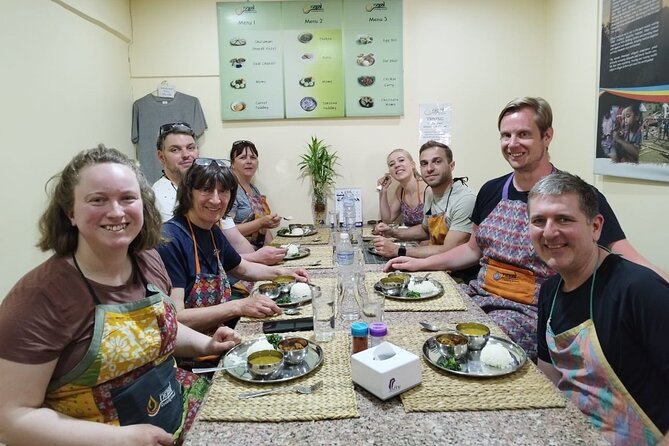
Fresh food makes Kathmandu easier to understand. This three-hour class pairs a guided market visit with hands-on Nepali cooking, so you get more than a meal. I like the local market shopping and the chance to cook with Nepali cooks, then eat what you prepare. At $30, with ingredients, snacks, and a meal included, it offers solid value.
The small group limit of eight should keep the class personal, and vegetarian or vegan food is available if you request it. The main caution is the kitchen size: one group of four found it cramped and a little rushed, with more ingredient assembly than formal teaching.
In This Review
- Key points at a glance
- Why this Thamel cooking class is worth your morning
- Starting with Nepali ingredients and spices
- The local market visit adds real context
- A small kitchen means more contact, but less room
- Hands-on cooking, with plenty to eat
- Vegetarian and vegan participants can request options
- What the experience is really like in three hours
- Pickup, location, and group planning
- What the $30 price does and does not cover
- Who should book this experience
- Booking advice and cancellation terms
- Should you book the Nepali cooking class?
- FAQ
- How long does the Nepali cooking class last?
- Where does the cooking class take place?
- Is a local market visit included?
- Are ingredients included in the price?
- Is a meal included?
- Are vegetarian and vegan options available?
- How many people can join the class?
- Can I cancel for a full refund?
Key points at a glance
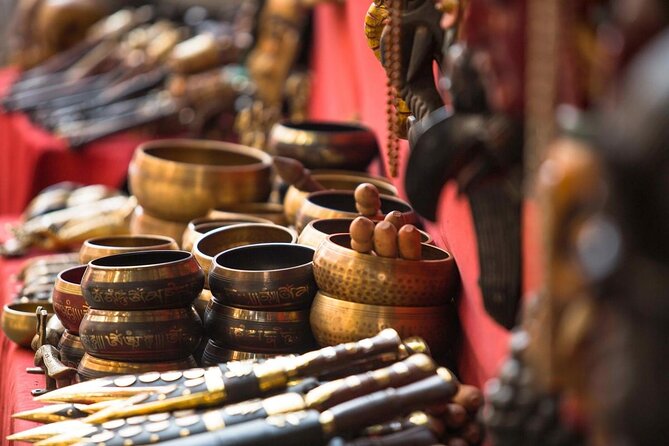
- Market-to-table format: You help gather fresh ingredients before learning how they fit into Nepali food.
- Three hours of food and culture: The class combines local ingredients, cooking methods, conversation, and a shared meal.
- $30 includes the food: Ingredients, market shopping, snacks, and a meal are covered in the listed price.
- Small group setting: The maximum is eight people, though the cooking area may feel tight even with fewer participants.
- Flexible food choices: Vegetarian and vegan options are available when requested in advance.
- Easy Thamel location: Pickup is offered, and the class is near public transportation, but private transport is not included.
Why this Thamel cooking class is worth your morning
Food is one of the quickest ways to get past the surface of a place. Kathmandu can feel noisy, crowded, and hard to read at first. A cooking class gives you a slower way to understand daily life, through the ingredients people buy and the dishes they prepare at home.
This experience begins with a look at local ingredients, spices, and cooking methods. You then use what you have gathered to prepare several Nepali dishes. The exact menu is not specified, so you should ask what you will make when booking if a particular dish matters to you.
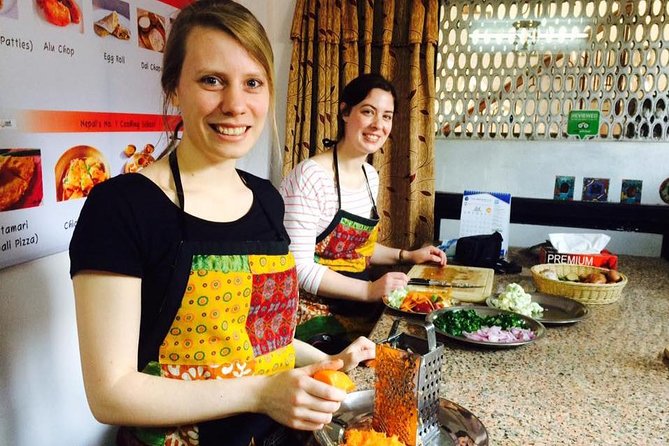
I like the simple market-to-meal setup. You do not just sit in a classroom and watch someone cook food that appeared from nowhere. You take part in the ingredient-shopping process, then see how those ingredients become lunch or dinner.
The class also gives you something useful to take home: recipes. That matters more than a quick meal. You can try to recreate part of the experience later, although finding the same ingredients and spice blends may require some adjustment outside Nepal.
More Cooking Classes in Kathmandu
- Half day cooking class in Thamel kathmandu
★ 5.0 · 607 reviews - Kathmandu: Local Women-Led Nepali Cooking & Momo Class
★ 4.9 · 360 reviews - Kathmandu: Local Lead Nepali Cooking & Momo-Making Class
★ 5.0 · 212 reviews
Starting with Nepali ingredients and spices
The cooking session typically starts with an introduction to the ingredients and cooking techniques used in the area. This first stage helps put the food in context. Instead of treating spices as mysterious powders, you learn how they function in ordinary Nepali cooking.
The material provided does not name the cooks or list the dishes. That means you should not book this expecting a fixed menu unless the provider confirms one. The useful promise is broader: you will work with local ingredients and learn several cooking methods from Nepali cooks.
That open format can be a plus. It lets the class respond to available produce and the group’s food needs. It can also mean that the lesson feels less like a formal cooking school and more like a guided kitchen activity.
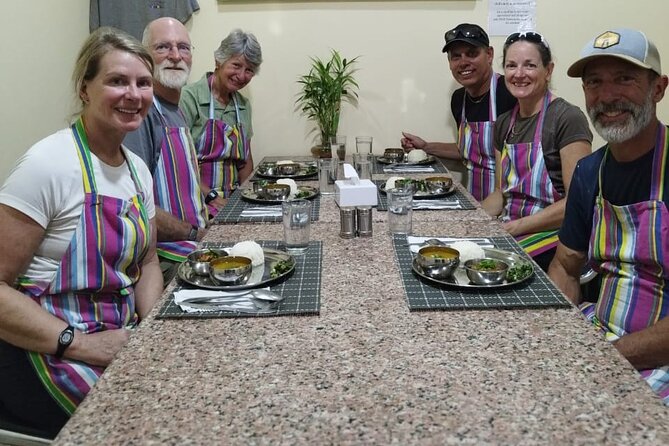
One person described the experience as hands-on, with plenty of food and a friendly atmosphere. That is a good fit if you want to chop, mix, and prepare food rather than sit quietly with a notebook.
The local market visit adds real context
The market portion is one of the strongest reasons to choose this class. You are guided through a local market or grocery area to purchase the ingredients used in the meal. This turns an ordinary shopping stop into part of the lesson.
You get a better sense of what Nepali cooks work with every day. You can look at produce, spices, and other food items before they are cleaned, cut, and cooked. Even if the market visit is brief, it gives you a useful link between Kathmandu’s food stalls and the kitchen.
The experience description does not give a fixed market route or a separate length for the shopping stop. Do not expect a full market tour with detailed commentary on every stall. Think of it as practical food shopping with guidance, not a major sightseeing excursion.
That distinction is important. If you want a long cultural walk through Kathmandu’s markets, this may feel too short. If you want to understand the ingredients in your meal and take part in buying them, it should fit nicely into the three-hour schedule.
A small kitchen means more contact, but less room
The group maximum is eight people. That is a sensible limit for a cooking class, since everyone needs some access to the ingredients and work area. A smaller group also makes it easier to ask questions and meet people who share an interest in local food.
Still, the physical kitchen may be tighter than the group limit suggests. A group of four found there was not much room for more people. That is the clearest practical warning attached to this experience.
A compact kitchen can create a friendly, close setting, but it can also make the work feel crowded. You may spend some time waiting for a cutting board, stove space, or a turn at a particular task. If you prefer a polished culinary studio with plenty of personal workspace, adjust your expectations.
The same person also found the class a little stressful and felt it was closer to putting ingredients together than attending a traditional cooking school. I would take that as a useful caution, not a deal breaker. You are paying for a social, practical introduction to Nepali food, not a professional chef-training session.
More Momo and Nepali Cooking Classes:
- Local Women Lead Nepali Cooking Class
★ 5.0 · 125 reviews - The best Private Nepali Cooking Class in Kathmandu
★ 5.0 · 83 reviews - Kathmandu: Traditional Momo Making Class & Pickup
★ 4.8 · 60 reviews - Traditional Nepali Momo Making Classes
★ 5.0 · 53 reviews
Hands-on cooking, with plenty to eat
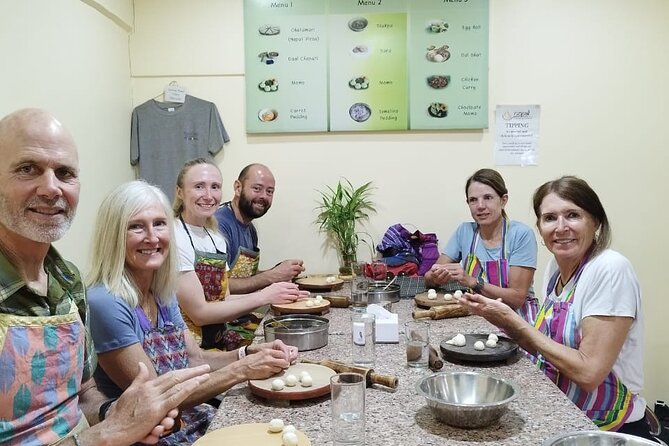
The strongest praise centers on the amount of participation and food. You are expected to help prepare the dishes, and the meal is served after the cooking is finished. One practical tip is simple: arrive hungry.
The included food is listed as all food according to the menu, along with snacks and a meal. Lunch, dinner, and breakfast are also shown among the inclusions, but the class lasts about three hours, so you should confirm which meal applies to your start time and menu.
This is useful for anyone watching a daily travel budget. At $30 per person, you are not paying only for instruction. The price covers ingredient shopping, the food you prepare, snacks, and the meal itself. It also includes the cultural value of seeing how local ingredients are selected and used.
Still, value depends on what you want from a cooking lesson. If your priority is a detailed, technical class with precise instruction at every stage, you may find the experience too informal. If you care more about getting involved, eating well, and meeting people, the price is easier to justify.
Vegetarian and vegan participants can request options
Vegetarian and vegan choices are available on request. You should make that request when booking rather than waiting until the class begins. The supplied details do not specify the exact dishes or how ingredients are substituted.
This option makes the class suitable for a wider range of diets, but do not assume every possible dietary restriction is covered. Only vegetarian and vegan alternatives are specifically stated. If you have allergies or need to avoid particular ingredients, contact the provider before committing.
Because the class is based on local food and shared preparation, it is also worth asking how much of the menu can be adjusted. You may find that some dishes are naturally vegetarian, while others need a change in preparation.
What the experience is really like in three hours
The schedule is compact. You begin with the food itself, including an introduction to local ingredients, spices, and cooking methods. The market visit then gives you a practical look at those ingredients before you return to the cooking space.
The preparation follows, with the group working through the menu. The experience is described as hands-on, so you should expect to take part rather than simply watch a demonstration. The class ends with eating what you have made and receiving recipes to take home.
The listing identifies Nepal Cooking School as the stop, with a typical 30-minute introduction and market-related beginning. The full activity is about three hours, so the rest of the time is taken up by shopping, preparation, cooking, and the shared meal.
Because the menu and detailed timing are not fixed in the information provided, build in a little flexibility. This is not an experience I would schedule immediately before a flight, a long bus ride, or a timed sightseeing visit. A relaxed morning or afternoon works better.
Pickup, location, and group planning
Pickup is offered, but private transportation is not included. That wording leaves an important detail open: confirm whether pickup is complimentary, where it is available, and what meeting instructions apply to your accommodation.
The class is near public transportation, which helps if you are staying in or around Thamel. You should still allow time to reach the meeting point, especially if you are walking through busy streets or relying on a local ride.
Confirmation is received at booking. The experience is available to most people, and the group can include up to eight participants. Those details make it fairly easy to fit into a Kathmandu stay, but the small kitchen is a reason to book ahead if you want a quieter group.
It is booked, on average, 13 days in advance. That does not guarantee every date will sell out, but it is a useful planning signal. If your Kathmandu schedule is short, reserve early rather than hoping to find a place at the last minute.
What the $30 price does and does not cover
The $30 price is strong when you count the separate parts. You receive guided ingredient shopping, food for the menu, snacks, cooking instruction, a shared meal, and recipes. For a visitor who would otherwise pay separately for lunch and a market activity, the package makes sense.
Private transportation is not included. Pickup may be offered, but you should clarify the terms before booking so there is no surprise transfer charge.
The price also does not promise a private class. You may share the kitchen with other participants, up to a total of eight. That can be part of the fun, particularly if you want to meet people from other places, but it reduces control over the pace and menu.
The rating is 4.9 from 26 ratings, with 100 percent recommending it. That is a strong signal, though the specific comments show why it is wise to read the experience accurately. Most of the value comes from participation, food, and contact with local cooks, not from a large teaching space or formal culinary curriculum.
Who should book this experience
I would recommend it to you if you want a practical cultural activity in Kathmandu. It works especially well for people who enjoy food, small groups, and informal contact with local cooks.
It also suits solo visitors and couples who want an easy way to meet other people. The group format encourages conversation, and the shared meal gives you a natural ending rather than a quick goodbye at the kitchen door.
Families and older participants may also find it suitable, since most people can participate. The main question is comfort in a small kitchen. If limited space or standing for food preparation is a concern, ask the provider for more details before booking.
I would be more cautious if you are a serious home cook looking for advanced instruction. The class may be enjoyable, but the available information does not promise professional techniques, a detailed lesson plan, or a spacious work station.
Booking advice and cancellation terms
Request vegetarian or vegan food at the time of booking. Ask which dishes are planned, which meal is included for your start time, and how the pickup arrangement works.
Free cancellation is available if you cancel at least 24 hours before the local start time. Inside that window, you receive no refund, and changes made less than 24 hours before the start are not accepted. That policy is fairly standard, but Kathmandu plans can shift, so leave some room in your schedule.
Should you book the Nepali cooking class?
Yes, if you want an affordable, food-focused way to connect with Kathmandu life. The local market visit, hands-on preparation, recipes, and included meal give the experience more substance than a simple restaurant meal.
Book it with the right expectations. You may work in a cramped kitchen, and the teaching can feel informal or rushed rather than like a full cooking-school course. For $30, though, the combination of market shopping, local cooks, plentiful food, and a small group makes this a sensible pick for curious eaters who value participation over polish.
FAQ
How long does the Nepali cooking class last?
The experience lasts approximately three hours.
Where does the cooking class take place?
The class takes place at Nepal Cooking School in Kathmandu, near public transportation.
Is a local market visit included?
Yes. You are guided to a local market or grocery area to shop for the ingredients used in the class.
Are ingredients included in the price?
Yes. All food according to the menu and the market shopping for ingredients are included.
Is a meal included?
Yes. The inclusions list snacks, dinner, lunch, and breakfast. Confirm which meal applies to your scheduled class and menu.
Are vegetarian and vegan options available?
Yes. Vegetarian and vegan options are available when requested.
How many people can join the class?
The maximum group size is eight people.
Can I cancel for a full refund?
Yes. You can cancel at least 24 hours before the local start time for a full refund. Cancellations or changes made within 24 hours are not accepted for a refund.
More Shopping Tours
- Kathmandu Food & Drink and Shopping Rickshaw Tour
★ 5.0 · 48 reviews - Kathmandu Food Crawl & Market Tour
★ 5.0 · 8 reviews - Kathmandu: Food, Drink and Shopping Rickshaw Tour
★ 4.7 · 7 reviews - Half Day Cooking Class in Thamel with Local Market Visit
★ 4.5 · 6 reviews
More Markets
- Kathmandu Secret Food Crawl & Local Market Tour
★ 4.7 · 54 reviews - Kathmandu Food Crawl & Market Tour
★ 5.0 · 26 reviews - Oldest Local Market Walking Tour With Living Goddess Kumari
★ 5.0 · 8 reviews - Oldest Local Market Walking Tour with Living Goddess Kumari
★ 5.0 · 8 reviews
Just added around Kathmandu
- Private Shopping Tour in Kathmandu★ 5.0 · 3 reviews
- Nagarkot Sunrise With 7 UNESCO World Heritage Private Tour★ 5.0 · 3 reviews
- Mount Everest Scenic Flight 50 Minutes★ 5.0 · 3 reviews
- Kathmandu: Nightlife and Pub Crawl Tour★ 5.0 · 3 reviews
- Kathmandu: Nagarkot, Bhaktapur, Doleswor & Sanga Statue Tour★ 5.0 · 3 reviews
- Momo Cooking Class -The Art Of Making MoMo with Home Chef★ 5.0 · 3 reviews
- Makalu Base Camp Trek★ 5.0 · 3 reviews
- Kathmandu: Momo Making Class with a Local Chef★ 5.0 · 3 reviews
Momo Making Classes, compared.




Nepalese Momos or Dal Bhat Cooking Class (Cook with Delight)
Read our review →
The best Private Nepali Cooking Class in Kathmandu
Read our review →
Nepalese Kitchen in Pokhara: Momos or Dal Bhat Cooking Class
Read our review →
Browse the lists this tour appears in