
Reviewed · HIKING & TREKKING
Pikey Peak Trek
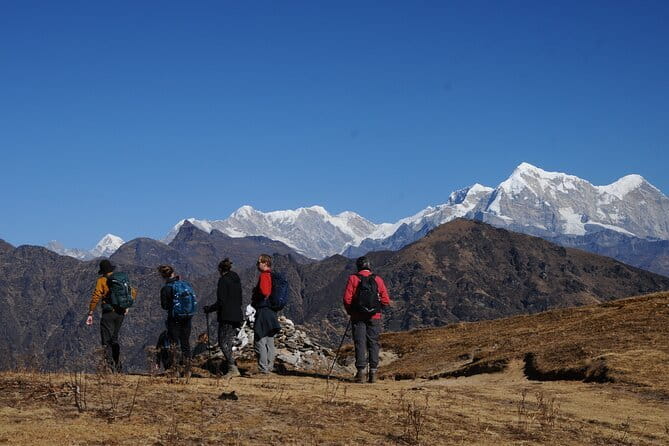
Quiet trails, huge Himalayan views, and no Lukla flight make the Pikey Peak Trek an appealing alternative to Nepal’s better-known routes. I like the sunrise from Pikey Peak, where you can see seven of the world’s highest mountains, and the chance to visit Tupten Choling Monastery. The main tradeoff is the long road journey from Kathmandu, especially the roughly 10-hour return drive from Phaplu.
This seven-day route suits families, older hikers, and beginners who want a real Himalayan trek without the crowds and higher demands of Everest Base Camp. I also like that it follows part of the historic Hillary Trail and uses local tea houses, though comfort and road conditions can vary.
In This Review
- Key points to know before booking
- Why Pikey Peak is a smart alternative to Everest Base Camp
- Day 1: Kathmandu to Dhap beside the Sunkoshi River
- Day 2: Dhap to Jhapre and the first mountain morning
- Day 3: The uphill route to Pikey Peak Base Camp
- Day 4: The one-hour sunrise climb to Pikey Peak
- Day 5: Down toward Junbesi through quieter country
- Day 6: Junbesi and Tupten Choling Monastery
- Day 7: The long drive from Phaplu to Kathmandu
- Tea houses, meals, and daily comfort
- What the $899 price really offers
- Who will enjoy this seven-day trek most
- Final booking advice
- FAQ
- How long is the Pikey Peak Trek?
- Where does the trek start?
- How high is Pikey Peak?
- Can I see Mount Everest on this trek?
- Does the trek include a Lukla flight?
- Is Tupten Choling Monastery included?
- What is included in the $899 price?
Key points to know before booking
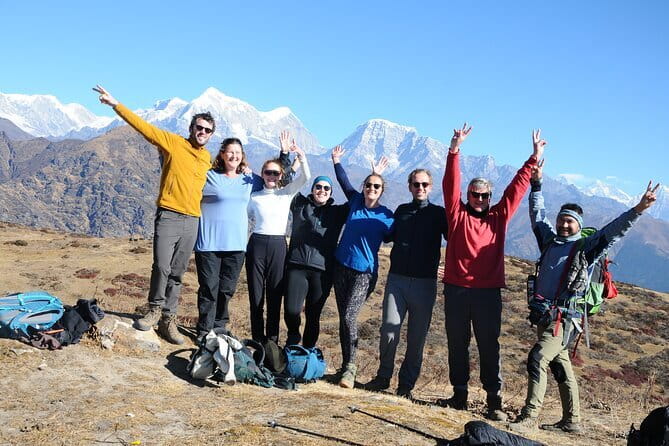
- Pikey Peak reaches about 4,066 meters, with a sunrise panorama of Mount Everest and other Himalayan peaks.
- The route avoids Lukla, so your trip begins and ends by road from Kathmandu.
- Quiet walking is a major attraction, with stretches where you may see very few other people.
- Tupten Choling Monastery adds a cultural stop, not just another mountain viewpoint.
- The $899 price includes meals and onboard WiFi, but a fuel surcharge is not included.
- The group can have up to 20 people, with a 6:15 am start from Breeze Adventure in Thamel.
Why Pikey Peak is a smart alternative to Everest Base Camp
Pikey Peak gives you a taste of the Everest region without sending you onto the packed trail to Everest Base Camp. You still get Himalayan views, mountain villages, tea houses, rhododendron forests, and a high viewpoint, but the route feels quieter and less commercial.
The appeal is simple: you can see Mount Everest without flying to Lukla. That matters if you dislike small-plane flights, want to keep costs more predictable, or prefer a road-based start. It also makes the trek easier to plan for families and older people.
I would not call this a completely effortless holiday. You walk for about five to six hours on most trekking days, and Day 3 includes a mainly uphill route to Pikey Peak Base Camp. The altitude is lower than on the Everest Base Camp route, but 4,066 meters is still high enough to take seriously.
The trip is also not a pure wilderness experience. Some sections use a newly built road, and the drive from Phaplu back to Kathmandu takes about 10 hours. You trade some road time for quieter trails and a less crowded mountain experience.
More Treks and Hikes:
- Everest Base Camp Trek – 14 Days
★ 5.0 · 1,499 reviews - Everest Base Camp Trekking
★ 5.0 · 485 reviews - Nagarkot Sunrise View and Day Hiking from Kathmandu
★ 5.0 · 471 reviews
Day 1: Kathmandu to Dhap beside the Sunkoshi River
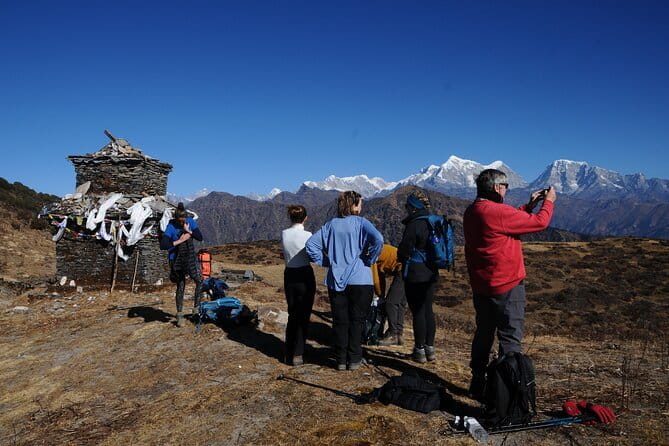
The trip begins at 6:15 am from Breeze Adventure Pvt. Ltd. on Thamel Marg in Kathmandu. From there, you drive toward Dhap, a journey of about five hours.
The road trip is part of the experience. You get views of Himalayan peaks, passing villages, and glimpses of traditional local life along the way. The route also brings you toward the Sunkoshi River, giving the first day a scenic rather than purely practical feel.
This is a useful opening day because you move out of Kathmandu and reach the trekking area without spending the first night on the trail. Still, five hours in a vehicle can feel long after an early start. If you prefer a trip with immediate walking, this may test your patience.
Lunch and dinner are included during the trek, and breakfast is also provided each day. The package includes seven lunches, six dinners, and seven breakfasts, though the supplied details do not spell out precisely which meals are served during every transfer.
Day 2: Dhap to Jhapre and the first mountain morning
Day 2 starts with a sunrise view of the Himalayas, followed by breakfast and a trek to Jhapre. The walking time is about five hours.
This is described as an easier trekking day, with much of the route following a newly constructed road. That makes it a gentler introduction for people who are new to multi-day hiking, and it may suit seniors who want time to settle into the rhythm of the route.
The downside is that a road section lacks the feel of a narrow mountain path. You should choose this trek for the views, local contact, and quieter setting, not because every step takes place on an old foot trail.
Jhapre gives you a village stop with mountain scenery and a chance to enjoy the simple rhythm of a tea-house route. Accommodation is similar to what you find on other Nepal trekking routes. Expect practical lodging rather than hotel-style comfort.
Day 3: The uphill route to Pikey Peak Base Camp
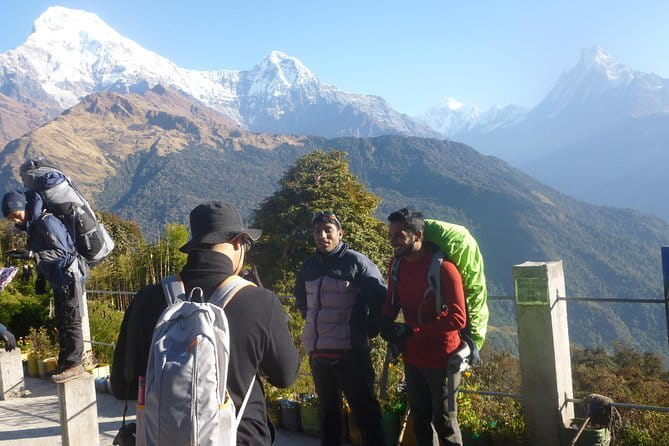
After another early mountain morning and breakfast, you set out toward Pikey Peak Base Camp. This day lasts about six hours and is mainly uphill, with some downhill sections along the way.
This is the day when the trek begins to feel more demanding. The climb is not described as extreme, but you should keep your pace steady and listen to your guide. The route takes you higher into the mountains, and the changing views become one of the rewards for the effort.
Rhododendron forest is a special feature here. During bloom season, the trail can pass through vivid displays of flowers, adding color to a route that is otherwise dominated by rock, grass, sky, and distant snow peaks.
The tea houses provide basic shelter and meals, and the people along the route are known for warm hospitality. Food is part of the value of this trip, but you should keep your expectations practical. This is mountain lodging, not a luxury lodge circuit.
A few more trips worth weighing up before you book
- Private Kathmandu Sightseeing Tour | UNESCO World Heritage sites
★ 5.0 · 756 reviews - Everest Base Camp Helicopter Tour landing at Everest View Hotel
★ 5.0 · 668 reviews - Half day cooking class in Thamel kathmandu
★ 5.0 · 607 reviews - Kathmandu: Full Day 7 UNESCO Tour with Lunch – Private/Group
★ 5.0 · 415 reviews
Day 4: The one-hour sunrise climb to Pikey Peak
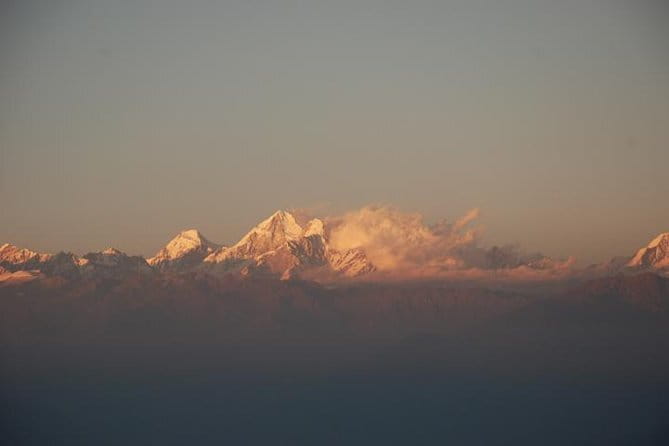
Day 4 is the high point of the trek in every sense. You wake early and hike for about one hour to Pikey Peak for sunrise.
The summit viewpoint reaches about 4,066 meters and offers panoramic views of seven of the world’s highest mountains. Mount Everest is the headline view, but the wider Himalayan panorama is what makes the early start worthwhile.
The timing matters. You are not simply walking to a high point during the middle of the day. You are climbing in darkness or low light so the mountains appear as the sun rises. Bring warm layers and be ready for a chilly start, since the experience depends on being outside before breakfast or very early in the morning.
The summit climb is short compared with the previous day’s ascent, but altitude can make even a one-hour walk feel harder. Your guide should help you judge your pace and condition. One guide named Raj was praised for speaking English well and paying close attention to physical condition, while Sabin was described as energetic and professional. Guide assignments can change, so treat these names as examples rather than a guarantee.
After the viewpoint, you continue through the mountain area. This is the part of the route I would consider the trip’s strongest selling point: a high Himalayan sunrise without the crowds associated with the major Everest routes.
Day 5: Down toward Junbesi through quieter country
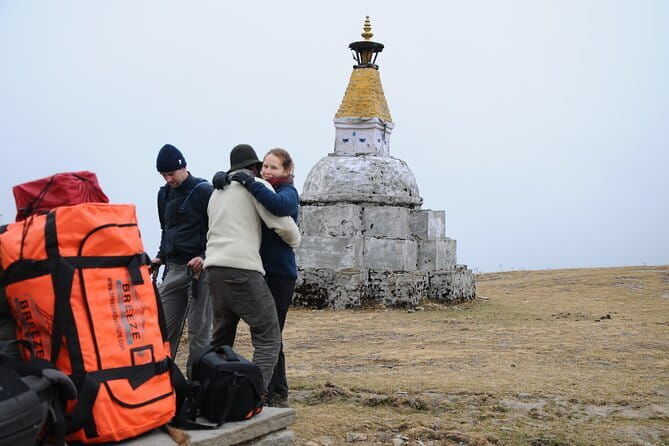
You leave the high point behind and trek toward Junbesi, with about five hours of walking planned.
If you spend the previous night at Jasmane Bhanjyang, the route first heads to Taktor, which takes about three and a half hours. From there, you continue toward Junbesi. The details of the overnight stop can vary, so confirm the exact lodging plan with Breeze Adventure before departure.
The direction of travel now gives your legs a different kind of work. Instead of focusing on a long climb, you spend more time descending and crossing mountain terrain toward a well-known Sherpa area. The route also includes the historic Hillary Trail, linking the trek to the wider story of early Everest exploration.
I like this day because it slows the trip down after the summit morning. You get more time to notice forest, village life, and the changing shape of the route. The lack of crowds is a real benefit, but it also means the path can feel quiet and remote. Some people will find that peaceful. Others may want more activity and more facilities.
Day 6: Junbesi and Tupten Choling Monastery
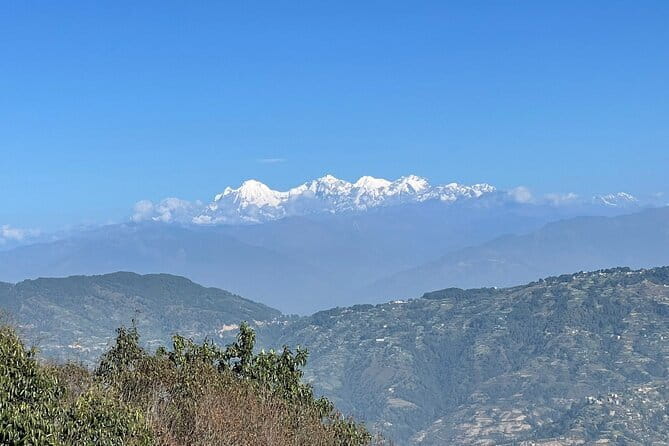
After breakfast, you head to Tupten Choling Monastery near Phaplu. The day lasts about six hours.
Tupten Choling is one of the largest nun’s monasteries in the region. Located at the foot of a mountain, it is home to around 20 nuns. The visit adds something important to the trek because you are not only looking at mountains. You are also seeing a working religious community and a place tied to local life.
The monastery is especially worthwhile for people who want cultural context along with scenery. Keep your behavior respectful, follow your guide’s instructions, and remember that this is a religious place rather than a staged attraction.
The day ends near Phaplu Airport, but this does not mean you fly out. One advantage of the route is that you avoid the Lukla flight altogether. Phaplu functions here as the end point before the road journey back to Kathmandu.
Day 7: The long drive from Phaplu to Kathmandu
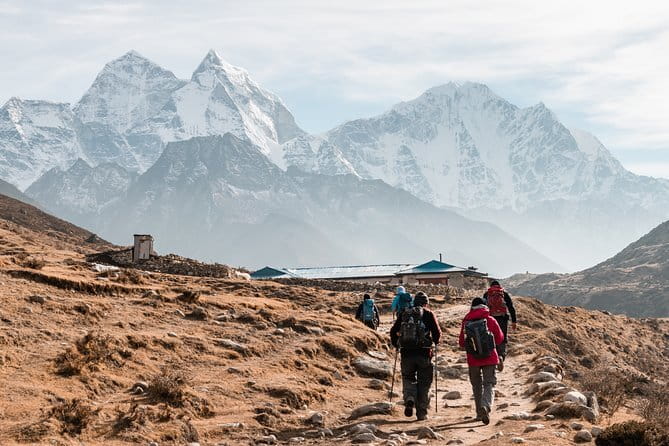
The final day begins early because the drive back to Kathmandu takes about 10 hours. After roughly two hours on the road, you stop at Dhap Thade for breakfast and a mountain view.
This is the least active day, but it is also the most tiring in a different way. A long road journey after several days of walking can feel tedious. At the same time, it keeps the trip organized and avoids adding a flight to the schedule.
The experience ends back at the Breeze Adventure meeting point in Kathmandu. Since the return drive is long, I would avoid booking an important evening connection or fixed appointment unless you have plenty of extra time.
Tea houses, meals, and daily comfort
Accommodation on this route is similar to that found on other Nepal trekking routes. You should expect basic tea-house lodging and local hospitality, with comfort varying from stop to stop.
The included meals are a strong part of the $899 package. You receive breakfast each day, seven lunches, and six dinners. That reduces the need to budget separately for most meals and keeps the group moving without constant restaurant decisions.
WiFi on board is also included. That wording suggests the service relates to the vehicle rather than guaranteed internet at every tea house, so do not assume you will have a strong connection throughout the trek.
The local welcome is one of the route’s quiet strengths. The people along the trail are known for being friendly and calm, and that tone fits the trek. It feels more personal than a high-volume route where lodges fill quickly and groups pass one another all day.
What the $899 price really offers
At $899 per person, this is not the cheapest way to see Nepal, but the price can be reasonable for a seven-day guided trek with transport, meals, accommodation arrangements, and support.
The value is strongest if you want a packaged experience. You are paying for the road transfers from Kathmandu, the mountain itinerary, a guide, local logistics, and meals. The group size can reach 20 people, which is worth checking before you book. A group of that size may make the price attractive, but it can also mean a slower pace and less personal attention.
The fuel surcharge is not included. Ask Breeze Adventure how much this adds and when it is collected. Also confirm exactly what is included for tea-house rooms, porter support, permits, and any equipment, since those details are not specified in the supplied information.
The package includes a mobile ticket and confirmation at booking. Free cancellation is available if you cancel at least 24 hours before the 6:15 am start time. Cancellations or changes inside that window are not accepted for a refund.
Who will enjoy this seven-day trek most
I would recommend Pikey Peak to you if you want:
- Everest views without flying to Lukla
- A shorter route than Everest Base Camp
- A quieter trail with fewer people
- A guided trip with meals arranged
- A cultural stop at a monastery
- A trek suitable for families, beginners, and many older hikers
You should think twice if you dislike long road transfers, want hotel-level accommodation, or prefer a trek with a busy social scene. The route is accessible, but it still includes several five to six-hour walking days and a summit above 4,000 meters.
The guide matters here. Kishwor handled office coordination and was praised for prompt answers, while guides including Sabin and Raj were noted for professionalism, energy, English ability, and attention to physical condition. A porter named Amrit was also singled out for helpful service. Ask who will lead your departure and what support staff are included.
Final booking advice
I would book the Pikey Peak Trek if your priority is a peaceful Himalayan route with a superb sunrise, local tea houses, and no Lukla flight. The combination of Pikey Peak, the Hillary Trail, rhododendron forest, and Tupten Choling Monastery gives the week more variety than a simple viewpoint hike.
I would skip it if the 10-hour return drive sounds unbearable or if you want a high-altitude challenge closer to the scale of Everest Base Camp. For everyone else, this is a strong-value choice at $899, provided you confirm the fuel surcharge, accommodation details, group size, and guide before paying.
FAQ
How long is the Pikey Peak Trek?
The trek lasts approximately seven days, including the drives from Kathmandu to Dhap and from Phaplu back to Kathmandu.
Where does the trek start?
The meeting point is Breeze Adventure Pvt. Ltd. on Thamel Marg in Kathmandu. The start time is 6:15 am.
How high is Pikey Peak?
Pikey Peak is approximately 4,066 meters high.
Can I see Mount Everest on this trek?
Yes. The Pikey Peak viewpoint offers views of Mount Everest and seven of the world’s highest mountains.
Does the trek include a Lukla flight?
No. The route travels by road from Kathmandu to Dhap and returns by road from Phaplu, so no Lukla flight is required.
Is Tupten Choling Monastery included?
Yes. The sixth day includes a visit to Tupten Choling Monastery, one of the largest nun’s monasteries in the region.
What is included in the $899 price?
The package includes WiFi on board, seven breakfasts, seven lunches, and six dinners. A fuel surcharge is not included.
Just added around Kathmandu
- Nagarkot Sunrise With 7 UNESCO World Heritage Private Tour★ 5.0 · 3 reviews
- Private Shopping Tour in Kathmandu★ 5.0 · 3 reviews
- Mount Everest Scenic Flight 50 Minutes★ 5.0 · 3 reviews
- Kathmandu: Nightlife and Pub Crawl Tour★ 5.0 · 3 reviews
- Kathmandu: Nagarkot, Bhaktapur, Doleswor & Sanga Statue Tour★ 5.0 · 3 reviews
- Momo Cooking Class -The Art Of Making MoMo with Home Chef★ 5.0 · 3 reviews
- Kathmandu: Momo Making Class with a Local Chef★ 5.0 · 3 reviews
- Everest Experience Trek 6 Day Hiking Adventure★ 5.0 · 3 reviews
Hiking & Trekking, compared.


Nagarkot Sunrise View and Day Hiking from Kathmandu
Read our review →


