
Reviewed · ANNAPURNA BASE CAMP TREKS
Pokhara: 5-Day Trek to Annapurna Base Camp and Hot Springs
The mountains are the main event here. This five-day trek from Pokhara combines Annapurna Base Camp views with rivers, waterfalls, villages, forest trails, and a soak at Jhinu’s hot springs. I especially like the efficient route from Sinuwa to base camp, and the return through Jhinu Danda gives your tired legs a proper reward.
The price of $206 per person is appealing for a guided Himalayan trek that includes permits, hotel transfers, lodge accommodation, a registered guide, and shared jeeps. The main catch is the option structure: meals and a porter are included only with the all-inclusive choice, so you need to check exactly what your selected package covers before paying.
In This Review
- Key points to know before booking
- What this Annapurna trek really offers
- Day 1: Pokhara to Samrung, then Sinuwa at 2,200 meters
- Day 2: Upper Sinuwa to Deurali at 3,230 meters
- Day 3: Deurali to Annapurna Base Camp at 4,120 meters
- Day 4: The long descent from base camp to Sinuwa
- Day 5: Sinuwa to Jhinu hot springs and back to Pokhara
- Guides, pace, and the human side of the trek
- What to pack for five demanding days
- Who should book this trek?
- Is $206 good value?
- Should you book the Annapurna Base Camp trek?
- FAQ
- How long is the Annapurna Base Camp trek?
- What is the highest point on the trek?
- Is hotel pickup included?
- Are meals and a porter included?
- Is the hot spring visit included in the route?
- What should I bring?
Key points to know before booking
- A demanding high-altitude finish: Annapurna Base Camp sits at 4,120 meters, with the final approach from Deurali taking about five to six hours.
- A sensible road transfer: Shared jeeps cut out some long road walking and take you toward Jhinu, the last road access on the route.
- A memorable natural circuit: You follow the Modi Khola River, pass waterfalls and streams, walk through forest, and enter the Annapurna Sanctuary.
- Jhinu’s hot springs are part of the payoff: The baths offer a welcome rest after the long descent from base camp.
- Guide quality matters here: Past visitors gave especially high marks to attentive guides, including Tanka, who adjusted the pace and watched group members closely.
- The five-day schedule is brisk: You spend one night at base camp and then make a long descent, so this suits people ready for full trekking days.
What this Annapurna trek really offers
This is not a gentle sightseeing trip with a short walk each morning. You will hike for several hours each day, sleep in basic tourist-standard lodges, and gain enough height to require sensible pacing. In exchange, you get a compact route into one of Nepal’s best-known mountain sanctuaries without committing to a two-week trek.
The route is popular for good reason. It gives you a little of everything: local villages, stone paths, suspension crossings, forest, open mountain views, glacial rivers, waterfalls, and a close look at the peaks around Annapurna Base Camp. The scenery changes often, which helps keep the walking interesting.
The $206 starting price makes the trip good value if your package includes the full set of services you need. Your permits, TIMS registration, conservation paperwork, hotel pickup and return, guide costs, and accommodation are covered. A shared jeep also saves you from arranging separate transport to and from the trail.
Still, read the meal and porter conditions carefully. The budget option does not include meals or a porter. Drinks are not included, and you should budget for water, showers, phone calls, laundry, battery charging, bar bills, and personal expenses. Travel and rescue insurance is strongly recommended, and it should be treated as an essential cost rather than an optional extra.
More Annapurna Base Camp Treks:
- Kathmandu/Pokhara: 5-Day Annapurna Base Camp (ABC) Trek
★ 4.9 · 72 reviews - Private 7 – Day Annapurna Base Camp Trekking
★ 5.0 · 50 reviews - Annapurna Base Camp Trek (8 days)
★ 5.0 · 45 reviews
Day 1: Pokhara to Samrung, then Sinuwa at 2,200 meters
Your day starts with a hotel pickup in Lakeside Pokhara or from the airport. You are asked to wait in the hotel lobby or at the entrance of your apartment five to ten minutes before pickup, which is useful in a city where traffic and exact meeting points can cause confusion.
The shared jeep takes you from Pokhara toward Samrung, near the road’s end for this version of the route. The drive takes about three hours. Sharing the vehicle keeps the price down, but you should expect less space and less control over departure timing than with a private car.
From Samrung, you begin walking toward Sinuwa. The trek takes about four hours. The route follows the Modi Khola River and passes small villages, with the river providing a steady sense of direction as you move farther from Pokhara.
You will cross the river and continue toward Jhinu Danda before reaching your accommodation. The supplied schedule places the night at Sinuwa, while the longer route description also refers to Jhinu on the first night. That mismatch matters. Ask the operator to confirm your exact first-night lodge and walking endpoint before departure, especially if you are planning meals or arranging your own luggage.
The first day is not the highest or hardest, but the drive followed by four hours on foot makes it a proper opening day. Wear your hiking shoes from the start, keep your daypack light, and carry water and sun protection where you can reach them.
Day 2: Upper Sinuwa to Deurali at 3,230 meters
Day two takes you from Upper Sinuwa to Deurali. Expect six to seven hours of walking. This is where the route begins to feel more serious, with sustained uphill sections and a gradual move into higher country.
The trail runs through dense forest, giving you shade and a different mood from the open river sections. You will pass streams and changing vegetation as the route heads toward Deurali. The forest also breaks up the long climb, although the day can still feel demanding if your legs are not used to repeated uphill steps.
Chhomrong is one of the largest villages on the route and an important point in the trek. The wider route description places an uphill walk through Chhomrong early in the journey, while the five-day timetable begins from Sinuwa. Either way, Chhomrong is a key village to understand on this trek. It is one of the last larger settlements before the trail becomes more remote and mountain-focused.
By Deurali, you are at 3,230 meters. That is high enough for you to pay attention to how you feel. Walk steadily rather than racing ahead, drink regularly, and tell your guide about headaches, nausea, unusual tiredness, or breathing trouble. A good guide should adjust the pace, and past feedback praised Tanka for doing exactly that while keeping an eye on safety and health.
Accommodation is in a tourist-standard lodge. Conditions are practical rather than luxurious, so bring toiletries, a change of clothes, and clothing that can handle cool evenings.
Day 3: Deurali to Annapurna Base Camp at 4,120 meters
This is the day you came for, but it is not a free scenic stroll. The trek from Deurali to Annapurna Base Camp takes about five to six hours and brings you to 4,120 meters.
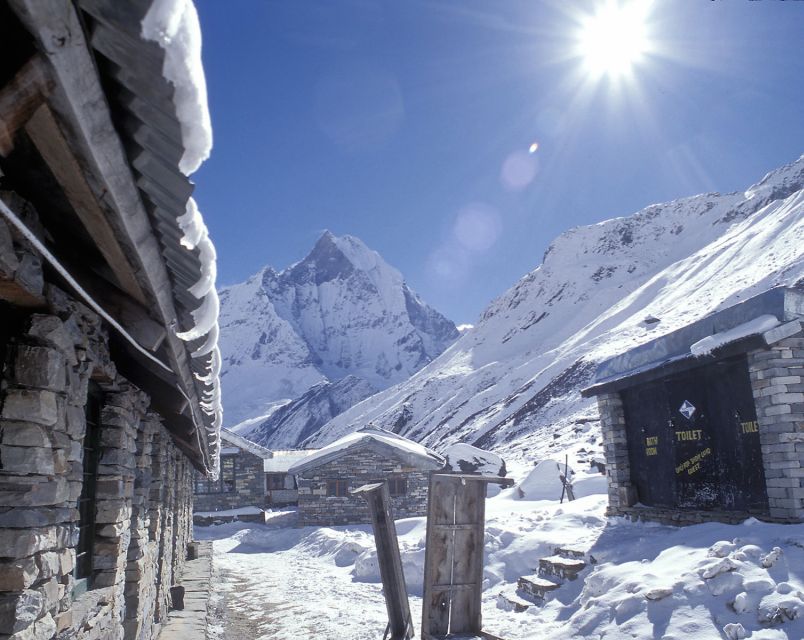
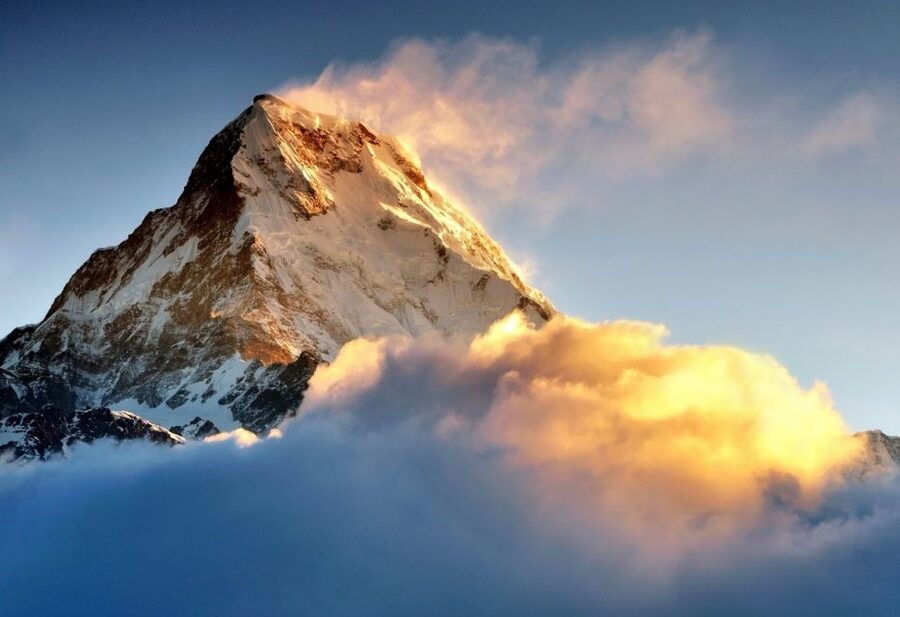
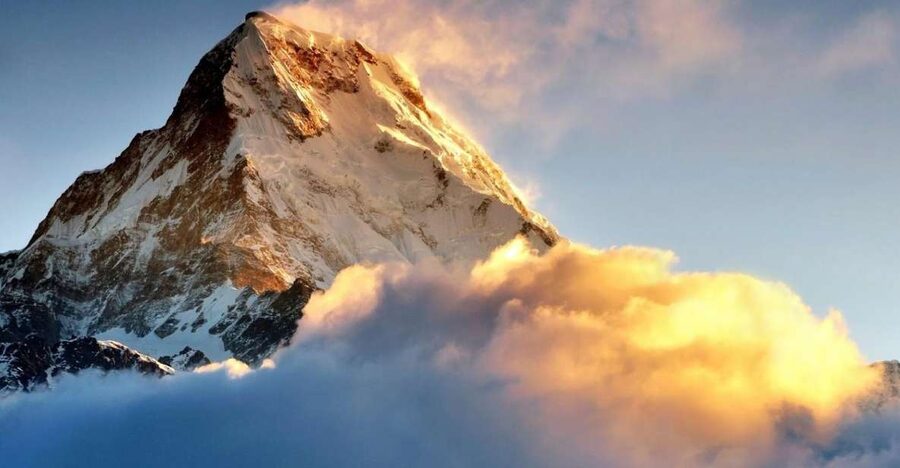
The route crosses several streams and heads toward Machhapuchhare Base Camp. Machhapuchhare, also known as Fishtail, is one of the defining peaks in the Pokhara region. The mountain views grow larger as you move into the high valley, and the sense of enclosure changes as you enter the Annapurna Sanctuary.
The final approach includes Ablation Valley, described as a hollow corridor between the glacier and the mountain. This is one of the most unusual parts of the route. Instead of simply climbing toward a viewpoint, you move through a tight mountain corridor before crossing the hills toward Annapurna Base Camp.
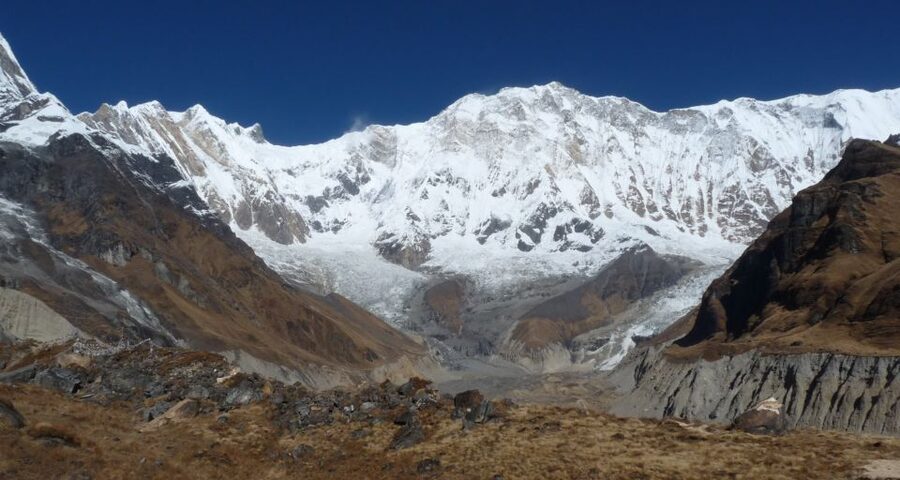
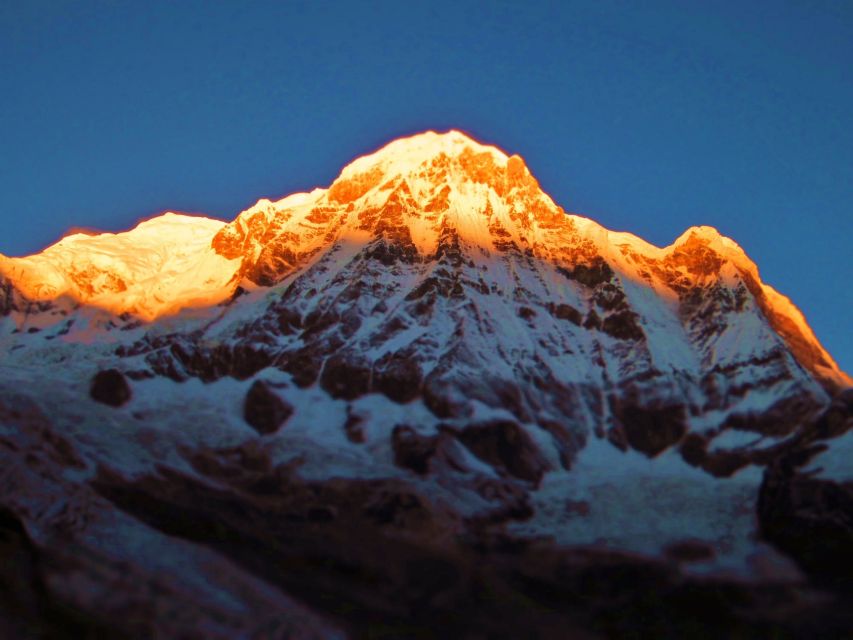
The setting at base camp is the reward for the effort. You are surrounded by high peaks, glacial features, and a broad, dramatic mountain bowl. The base camp sits at high altitude, so your time there may feel physically different from the lower sections of the trek. Keep the evening simple, stay warm, and follow your guide’s advice.
You spend the night at Annapurna Base Camp. This is valuable because you do not have to rush up, take a quick photograph, and immediately descend. It gives you time to absorb the setting, although the overnight stay also means a colder and more basic lodge night at the highest point of the trip.
More Spa Experiences:
- From Pokhara: 5-Day Annapurna Basecamp Trek with Hot Springs
★ 4.9 · 26 reviews - Pokhara: 7-Day Annapurna Base Camp Trek & Natural Hot Spring
★ 5.0 · 11 reviews - Whole Day Massage & Spa With Lunch
★ 5.0 · 54 reviews - Shirodhara and Sound Healing Spa Experience in Kathmandu
★ 5.0 · 52 reviews
Day 4: The long descent from base camp to Sinuwa
Day four is the test for your knees. The route drops from Annapurna Base Camp to Sinuwa, with an estimated walking time of seven to eight hours. Sinuwa is about 2,350 meters, so the descent covers a major change in altitude in one day.
The route follows the only practical way out of the Annapurna Sanctuary and heads down toward Bamboo. Bamboo sits about 1,600 meters lower than Annapurna Base Camp. That figure explains why this day can feel harder than the ascent, even though you are going downhill.
Long descents bring their own problems. Your knees and ankles take repeated impact, and tired feet can make uneven steps feel much worse. Trekking poles, if you use them, would be useful here, although they are not listed among the included items. At a minimum, make sure your footwear has good grip and that your daypack is not overloaded.
The scenery continues to shift as you leave the high mountain bowl and return to forest and river country. You will have panoramic views during parts of the descent, but the main focus is managing your pace and arriving safely at Sinuwa.
This is also where a porter can make a real difference. The porter is an extra charge in the budget option, while the all-inclusive option includes one. If you are carrying a large bag, paying for porter support may be worth more than saving the fee, particularly on this long downhill day.
Day 5: Sinuwa to Jhinu hot springs and back to Pokhara
The last day combines another four hours of trekking with about three hours in a shared jeep. You descend toward Jhinu Danda, passing farmland around the river before reaching the hot springs.
Jhinu is one of the best features of this trip because it gives the route a clear physical ending. After the high pass-like conditions around base camp and the long descent through Bamboo, a hot spring soak offers a simple pleasure. Do not expect a spa treatment. Think of it as a natural bath and a chance to rest before the road journey back.
From Jhinu, the shared jeep returns you toward Lakeside Pokhara. The drive can feel long after the morning walk, but it is much better than extending the trek along the road. Your hotel or airport drop-off is included within the stated pickup and drop-off area.
The supplied information contains a timing problem worth flagging. One longer description refers to a six or seven-day version, including an extra night and additional walking, while the detailed timetable clearly sets out five days: Pokhara to Sinuwa, Sinuwa to Deurali, Deurali to base camp, base camp to Sinuwa, then Sinuwa to Pokhara via Jhinu. Confirm that you are booking the five-day schedule, not a longer variation.
Guides, pace, and the human side of the trek
A registered English-speaking guide is included, along with the guide’s salary, accommodation, and meals. That is important on a route where the best pace is not always the fastest pace.
The strongest praise for the guiding comes from a German couple who trekked with Tanka and a porter named Chhabi. Tanka was described as punctual, careful about safety, willing to adjust the day’s walking to the group’s ability, and ready to answer questions about animals, nature, and local culture. Those are exactly the qualities I would want at altitude.
Chhabi was praised for his quiet, kind manner and physical strength. A good porter can change the whole feel of a trek by taking the heavy load while you concentrate on footing, breathing, and scenery. If you choose the budget option, decide honestly how much you can carry for five full days.
Another strong point was the guide’s ability to offer different choices near the end of the route. A village finish was preferred over returning directly to the city because it offered a more memorable ending. That kind of small judgment can matter. Ask your guide what options are available, but do not assume an alternate route is included unless it is confirmed.
What to pack for five demanding days
Keep your daypack small enough that you can carry it comfortably for seven or eight hours. The required list is sensible:
- Passport or identity card
- Comfortable shoes and proper hiking shoes
- Sunglasses and a sun hat
- Sunscreen and insect repellent
- A change of clothes
- Toiletries
- A daypack
You should also bring funds for personal costs. Drinks, bottled or boiled water, showers, phone calls, laundry, bar bills, battery charging, and extra porter service are specifically mentioned as possible expenses.
The route reaches 4,120 meters, so bring clothing for changing conditions. The supplied information does not specify a gear-rental package, despite one description referring to getting equipped at the start. Ask what equipment, if any, is supplied. Do not assume that warm layers, sleeping gear, or trekking poles are included.
Who should book this trek?
I would recommend this trip to a reasonably fit person who wants a short, organized route to Annapurna Base Camp from Pokhara. It is a good match if you value a registered guide, included permits, hotel transfers, lodge accommodation, and a clear five-day plan.
It also suits you if you enjoy varied scenery rather than one long climb. The combination of river valleys, forest, villages, mountain corridors, glacial features, and hot springs gives the trip plenty of visual change.
This is not suitable for pregnant women or people with heart problems. More broadly, you should think twice if you dislike long walking days, basic accommodation, shared transport, or steep descents. The descent from base camp to Sinuwa is the day most likely to challenge your body.
The trip is also less suitable if you want total flexibility. Shared jeeps, fixed lodge stops, and a five-day schedule keep things efficient but leave less room for delays or a slow pace. If you need more time to acclimatize, ask about a longer version instead of forcing yourself through the compact schedule.
Is $206 good value?
At $206 per person, this is a competitive price for the services listed. Permits and TIMS registration alone require planning, and the package also includes a government-registered guide, guide expenses, hotel transfers, shared transport, tourist-standard lodge accommodation, and taxes.
The value depends heavily on the option you choose. With the all-inclusive package, meals and a porter are included, which makes budgeting easier and reduces the physical burden. With the budget option, you must pay for meals and porter service separately, so the headline price will not be your final cost.
Drinks and personal expenses are excluded in both cases. Add insurance and a rescue policy before you compare this with other treks. A low initial price is not a bargain if it leaves you without proper protection in the mountains.
Should you book the Annapurna Base Camp trek?
Book it if you want a fast, well-supported route from Pokhara to 4,120 meters, and you are comfortable with long walking days and a hard descent. The guide service, permits, transfers, and Jhinu hot springs give the trip a strong mix of practical support and memorable moments.
Before booking, confirm three details: your exact first-night stop, the meals and porter conditions attached to your chosen package, and that you are receiving the five-day itinerary rather than the longer version described elsewhere. If those points are clear, this is a well-priced way to reach Annapurna Base Camp without organizing every detail yourself.
FAQ
How long is the Annapurna Base Camp trek?
The advertised duration is five days. The detailed schedule runs from Pokhara to Sinuwa, Sinuwa to Deurali, Deurali to Annapurna Base Camp, base camp to Sinuwa, and Sinuwa back to Pokhara via Jhinu Danda.
What is the highest point on the trek?
Annapurna Base Camp is the highest point listed, at 4,120 meters.
Is hotel pickup included?
Yes. Pickup and drop-off are included from hotels in Lakeside Pokhara or from the airport by car. You should wait in the hotel lobby or at the entrance of your apartment five to ten minutes before pickup.
Are meals and a porter included?
Meals and a porter are included if you select the all-inclusive option. They are not included with the budget option. Drinks are not included.
Is the hot spring visit included in the route?
Yes. The final day includes a trek through Jhinu Danda and time to rest in one of the hot spring baths before returning toward Pokhara.
What should I bring?
Bring your passport or identity card, comfortable and hiking shoes, sunglasses, a sun hat, sunscreen, insect repellent, toiletries, a change of clothes, and a daypack. You should also bring money for personal expenses and arrange travel and rescue insurance.
More 5-Day Experiences
- Mardi Himal Trek 5 Days
★ 5.0 · 23 reviews - Ghorepani Poonhill Trek 5 Days from Pokhara
★ 5.0 · 14 reviews - 5 Days Adventures Lower Mustang Trip by 4WD Jeep
★ 5.0 · 12 reviews - From Pokhara: 5-Day Mardi Himal Base Camp Trek
★ 5.0 · 10 reviews
More Treks and Hikes
- Poon hill Trek 3 days
★ 5.0 · 176 reviews - Trekking in Annapurna/Langtang/Everest/Upper Mustang regions
★ 5.0 · 161 reviews - Pokhara: 4-Day Ghorepani, Poonhill & Ghandruk Mountain Trek
★ 5.0 · 132 reviews - Ghorepani – Poon Hill Trek 3N-4D
★ 5.0 · 125 reviews
Just added around Pokhara
- Double Dare: Tandem Bungee Adventure★ 4.3 · 3 reviews
- Exhilarating Pokhara-Kathmandu Bus Journey Experience★ 3.5 · 3 reviews
- 3 Day Australian Camp Dhampus Ghandruk Easy Trek in Pokhara★ 3.5 · 3 reviews
- Paragliding in Pokhara★ 5.0 · 3 reviews
- Seti George and Thrilling Suspension Bridge Tour at Pokhara★ 4.5 · 3 reviews
- Overnight Dhampus Australian Camp Easy Hiking from Pokhara★ 5.0 · 3 reviews
- Full Day Entire Pokhara Tour by Car with Guide★ 4.5 · 3 reviews
- 5 Days Mardi Himal Trek.★ 5.0 · 3 reviews
Annapurna Base Camp Treks, compared.



Kathmandu to Annapurna Base Camp (ABC) 5-Day Trek
Read our review →

Browse the lists this tour appears in