
Reviewed · EVEREST BASE CAMP TREKS
12 Days Everest Base Camp Trekking
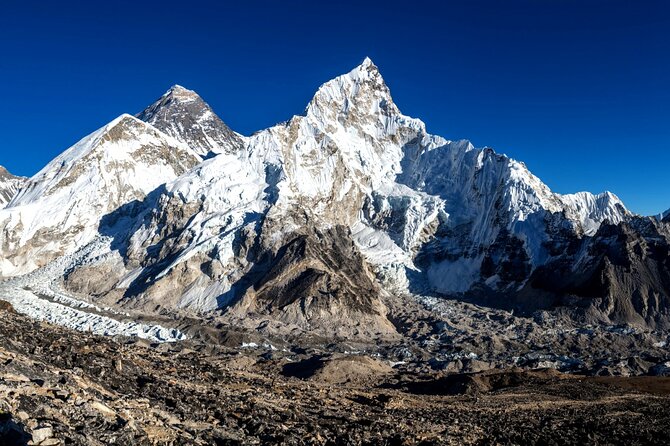
Feel the Himalayas grow around you. This 12-day Everest Base Camp trek combines the classic Khumbu route with organized transport, teahouse stays, meals, permits, and an experienced English-speaking guide. I like the built-in acclimatization days in Namche and Dingboche, and I like that the $1,399 price includes round-trip flights to Lukla, which can otherwise add a major cost.
The trek is demanding, not a casual mountain walk. I also like that Blissful Himalayas has operated since 2011 and provides airport transfers, a first aid kit, and a pulse oximeter. The main consideration is the pace: reaching Base Camp and Kala Patthar in a 12-day schedule requires good fitness, steady walking, and comfort with basic teahouse living.
In This Review
- Key points to know before you book
- What the 12-day Everest Base Camp trek is really like
- Day 1: Kathmandu to Lukla and the short walk to Phakding
- Day 2: Suspension bridges and the climb to Namche Bazaar
- Day 3: Namche acclimatization and the Everest View Hotel option
- Day 4: Sagarmatha National Park and the route toward Tengboche
- Day 5: Dingboche and the first truly alpine-feeling day
- Day 6: A second acclimatization day at Dingboche
- Day 7: Khumbu Glacier and the approach to Lobuche
- Day 8: Gorak Shep and the walk to Everest Base Camp
- Day 9: Sunrise at Kala Patthar
- Day 10: Descending through Sagarmatha National Park
- Day 11: The final trekking day and a well-earned celebration
- Day 12: Flight back to Kathmandu and time to recover
- What the $1,399 price includes
- The guide service and personal attention
- Who should book this trek?
- Should you book the 12-day Everest Base Camp trek?
- FAQ
- How long is the Everest Base Camp trek?
- What is included in the $1,399 price?
- Are porters included?
- Are flights from Kathmandu to Lukla included?
- Do I need travel insurance?
- Can I cancel for a full refund?
Key points to know before you book
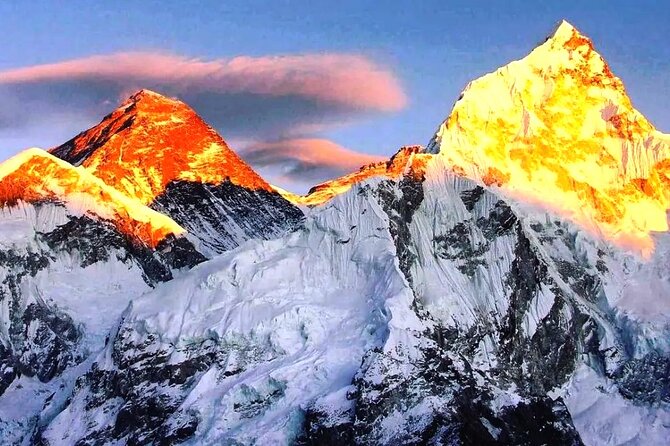
- Lukla flights begin the adventure: Your mountain journey starts with an early flight from Kathmandu, or from Ramechhap during peak season, to Lukla at about 2,800 meters.
- Two acclimatization days are included: Namche Bazaar and Dingboche provide useful pauses before you climb higher.
- Base Camp and Kala Patthar are separate goals: You visit Everest Base Camp on Day 8, then hike to Kala Patthar for sunrise on Day 9.
- Meals and teahouses are covered: Twin-sharing local teahouse rooms and breakfast, lunch, and dinner during the trek are included.
- The $1,399 price covers major costs: Flights, permits, guide services, meals, accommodation, and ground transfers are part of the package.
- Porters and insurance cost extra: You must arrange your own travel and medical insurance, and porter service is available only on request.
What the 12-day Everest Base Camp trek is really like
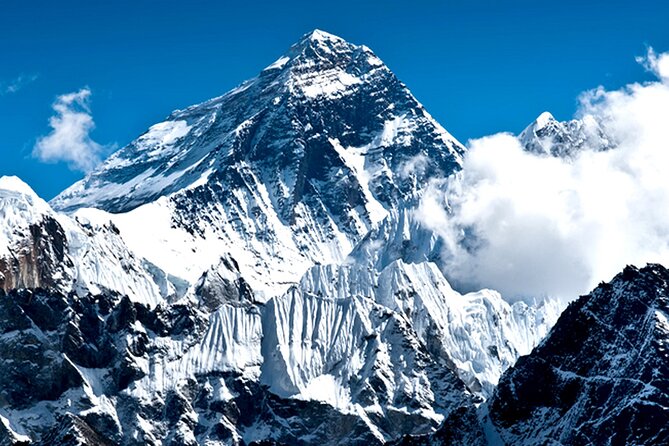
The Everest Base Camp route is famous for good reason, but fame does not make it easy. You walk for roughly six to nine hours on most trekking days, with repeated climbs, steep stone sections, suspension bridges, rocky ground, and thin air at altitude.
This package is designed to remove many of the awkward details. Blissful Himalayas handles airport pickup and drop-off, domestic air tickets, permits, meals, teahouse accommodation, and guide services. That lets you concentrate on walking and acclimatizing instead of sorting out each night’s bed or finding your way through the Khumbu.
Still, the package does not remove the physical work. The tour requires a moderate level of fitness, and that description should be taken seriously. You should be ready for long days, early starts, cold conditions, and a gradual loss of comfort as the route climbs.
More Everest Base Camp Treks:
- Everest Base Camp Trek – 14 Days
★ 5.0 · 1,499 reviews - Everest Base Camp Trekking
★ 5.0 · 485 reviews - Everest Base Camp Trekking – 13 Day
★ 5.0 · 365 reviews
Day 1: Kathmandu to Lukla and the short walk to Phakding
Your guide collects you from your hotel and takes you to the airport for an early flight to Lukla. At around 2,800 meters, Lukla is already high enough to make the mountain setting feel real, and the airstrip provides an immediate change from Kathmandu’s urban pace.
From Lukla, you begin walking toward Phakding. The first day is relatively short compared with the higher sections, but the full day can still reach about eight hours when flights, airport transfers, and trail time are counted.
This opening day is useful because it gives you a gentle introduction to the rhythm of the trek. You are not yet trying to reach a major altitude landmark. Instead, you are getting used to walking with a pack, following the guide, and sleeping in a local teahouse.
The flight schedule is one point to keep in mind. Mountain weather can affect operations, and the experience specifically requires good weather. If poor weather causes cancellation, you are offered another date or a full refund.
Day 2: Suspension bridges and the climb to Namche Bazaar
After breakfast, you walk from Phakding toward Namche Bazaar, the main trading center of the Khumbu region. The route includes several suspension bridges and a gradual but sustained ascent.
Namche is more than a stopping point. It is the practical gateway to the higher valleys, and reaching it feels like a major step in the trek. The route becomes more rugged, the mountain views grow stronger, and the effects of altitude begin to matter.
The walking time is listed at about seven hours. That is a useful warning for your legs. Even if the distance does not sound extreme, climbing at altitude takes longer and demands a slower pace.
I like the way this schedule places Namche early in the route and gives you the following day to adjust. Arriving in Namche and immediately pushing higher would make the trek less sensible.
Day 3: Namche acclimatization and the Everest View Hotel option
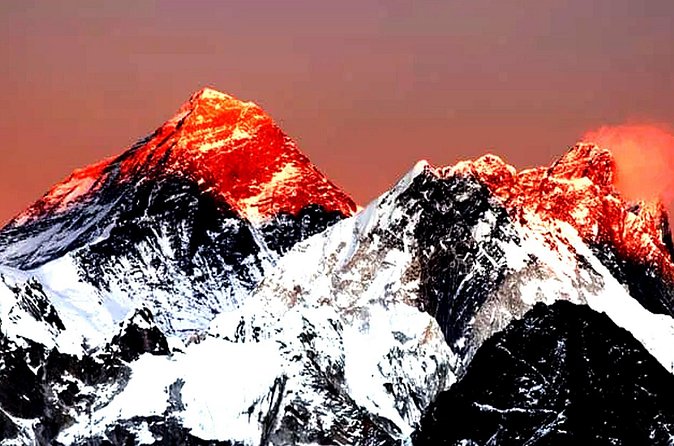
Day 3 is an acclimatization day in Namche Bazaar. You remain at the same sleeping altitude rather than climbing to a new overnight stop, giving your body time to adjust.
An optional hike to the Everest View Hotel provides wide views of Everest and the surrounding peaks. This is a good use of an acclimatization day because you gain height during the walk, then return to Namche to sleep.
The schedule allows about eight hours, although the precise amount of walking depends on the optional outing and your group’s pace. You should not treat this as a day off in the usual sense. It is still a mountain day, but the slower pattern helps prepare you for the climb ahead.
The guide’s role matters here. A licensed, experienced English-speaking guide is included, along with salary, meals, accommodation, equipment, and insurance for the guide. The first aid kit and pulse oximeter also provide useful support as the altitude increases.
More Treks and Hikes:
- Nagarkot Sunrise View and Day Hiking from Kathmandu
★ 5.0 · 471 reviews - Annapurna Circuit Trek with Tilicho Lake
★ 5.0 · 368 reviews - Everest Base Camp Trek -14 Days
★ 5.0 · 321 reviews - Annapurna base camp trek 5 Days
★ 5.0 · 252 reviews
Day 4: Sagarmatha National Park and the route toward Tengboche
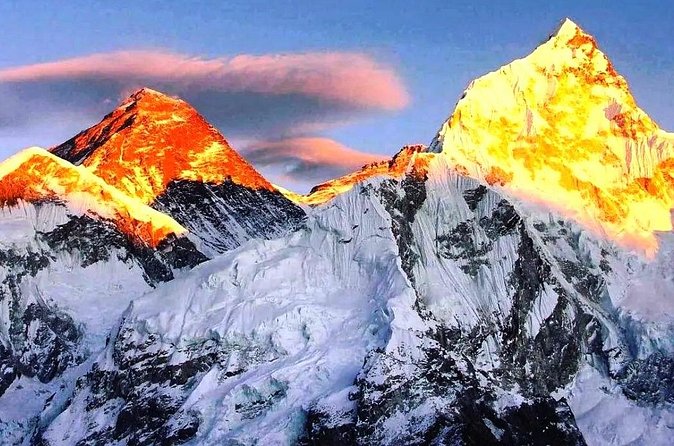
The trail continues through Sagarmatha National Park, with views of Everest, Nuptse, and Ama Dablam along the way. The route first drops through rhododendron forest for about two hours before climbing again toward the higher villages.
This rise and fall can surprise you. On a map, a destination may appear close, but mountain routes are shaped by ridges, rivers, and valleys rather than straight lines. You lose height, then pay for it with another climb.
The forested sections offer a welcome change from the more exposed ground later in the trek. The views also become more dramatic, especially around Ama Dablam, a peak with a particularly striking profile.
The day is planned for about eight hours. Your guide helps set the pace, but you still need to manage your energy. Small, steady steps are more useful here than trying to walk quickly and then stopping often.
Day 5: Dingboche and the first truly alpine-feeling day
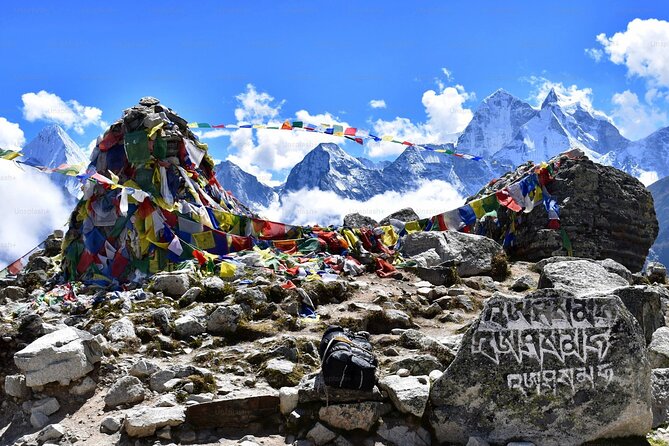
You continue toward Dingboche, a village in the Khumbu Valley with views of Island Peak and other Himalayan summits. The trail moves from alpine forest into more barren terrain as the elevation rises.
This is an important change in the feel of the trek. Trees become less dominant, the air is thinner, and the scenery becomes more open and rocky. You will likely notice that ordinary tasks, such as climbing a short slope or adjusting your bag, take more effort.
The walking day is expected to last about eight hours. Dingboche is a key overnight stop because it places you within reach of the high route while leaving room for another acclimatization day.
The included teahouse accommodation is twin-sharing. This is a practical arrangement rather than a luxury stay. Local teahouses give you a place to sleep and eat, but personal expenses such as hot showers, laundry, Wi-Fi, snacks, and extra drinks are not included.
Day 6: A second acclimatization day at Dingboche
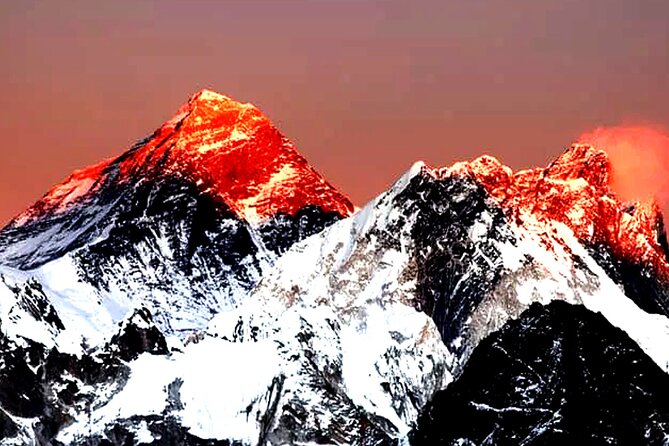
You spend another day at Dingboche to help your body adjust before the route climbs toward Lobuche and Gorak Shep. Optional hikes include Nagarjun Hill or Chukhung.
This is one of the strongest features of the schedule. The trek does not simply race from Lukla to Base Camp. It pauses at both Namche and Dingboche, which gives you two important chances to adapt.
You should use this day sensibly. The optional hike can provide excellent views and useful climbing practice, but it is not a contest. If you feel unwell, tell your guide. The included pulse oximeter can help monitor oxygen levels, but it does not replace medical judgment or travel insurance.
Travel and medical insurance are not included, and they are highly recommended. At this altitude, that is not a minor paperwork issue. You should arrange suitable cover before you leave home.
Day 7: Khumbu Glacier and the approach to Lobuche
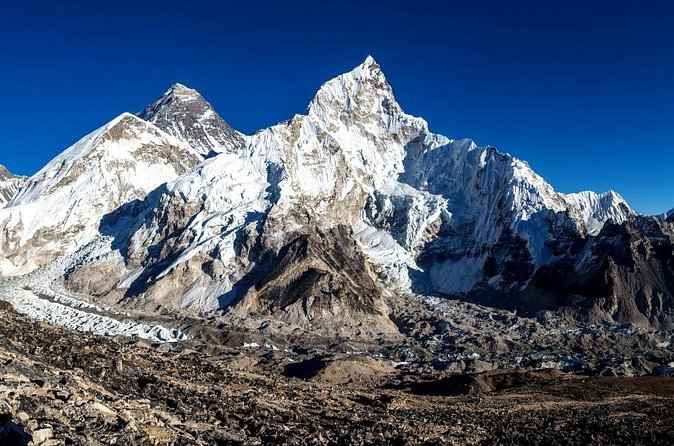
The route crosses the Khumbu River and climbs through rocky ground and glacial moraines. You get views of the Khumbu Glacier and the peaks around it.
This is a more austere section of the trek. The forest has largely disappeared, and the route feels exposed and high. The glacier scenery gives the day its character, but rocky moraine paths can be uneven and tiring.
The planned walking time is about eight hours. You will want to keep your pace controlled because Day 8 is one of the hardest and most important days of the trip.
Accommodation and meals remain included. Breakfast comes with tea or coffee, while breakfast, lunch, and dinner are provided throughout the trek. The package lists 11 breakfasts, 11 lunches, and 12 dinners, so it is sensible to confirm the exact meal schedule when booking, particularly around the flight and hotel nights.
Day 8: Gorak Shep and the walk to Everest Base Camp
You leave Lobuche for Gorak Shep, the final settlement before Everest Base Camp. After reaching Gorak Shep, you have lunch, settle your bags, and continue toward Base Camp.
This is a long day, listed at about nine hours. The route is not difficult because of technical climbing, but the altitude, uneven ground, and length make it demanding. You need to keep enough energy for the return to Gorak Shep after reaching the base camp area.
Everest Base Camp is the emotional high point for many people on this route. You are not climbing Mount Everest from here, and the camp changes with the climbing season, but reaching the site connects the walk to the great expeditions that use the Khumbu route.
The package includes admission tickets for the Base Camp portion, as well as the required Sagarmatha National Park permit and TIMS card. Those permits are already handled for you, which is one less task at a busy point in the journey.
Day 9: Sunrise at Kala Patthar
An early morning hike takes you to Kala Patthar, widely regarded as one of the best viewpoints for Everest. From the high ridge, you can see Everest, Lhotse, and other peaks in the first light.
This day is listed at about eight hours and combines a very early climb with a return to Gorak Shep, breakfast, and further descent. The coldest part of the trek may be this morning start, so you should keep warm clothing accessible rather than buried at the bottom of your bag.
Kala Patthar and Everest Base Camp offer different rewards. Base Camp is the famous destination, while Kala Patthar provides the stronger mountain panorama. If you want the clearest view of Everest itself, the sunrise hike is the moment to protect your energy for.
The day also marks the practical turning point. After Kala Patthar, the route begins to lose altitude, and the walking often feels easier from a breathing point of view, even though your knees may complain.
Day 10: Descending through Sagarmatha National Park
The return route continues through Sagarmatha National Park. Descending can feel easier than climbing, but the guide specifically stresses careful foot placement and balance.
That advice is worth following. Tired legs and downhill stone paths are a poor combination, especially after the long high-altitude days. Trekking poles, if you use them, may be helpful, though personal equipment is not described as included in the package.
You can enjoy the changing scenery as the route drops toward lower elevations. The return is not simply a repeat of the outward journey. Your body feels different, you understand the trail better, and you can give more attention to the villages, bridges, and mountain views.
The scheduled walking time is about eight hours. Do not assume that descent means a short day. The route still covers substantial ground.
Day 11: The final trekking day and a well-earned celebration
The final trekking day is shorter, at around six hours. You complete the route and have an evening to celebrate with your guide, porters, and fellow group members.
Porter service is not included automatically, so this wording matters. Porters can be requested, but you should arrange that in advance if you do not want to carry your own main bag. Tips and gratuities for guides, porters, and support staff are also not included, though they are customary and appreciated.
The end of the walk can feel surprisingly social. A trek that began with airport transfers and unfamiliar faces has become a shared effort. The farewell evening gives you time to recognize the people who helped make the route possible.
Day 12: Flight back to Kathmandu and time to recover
You take an early morning flight back to Kathmandu and transfer to your hotel. The package includes one night in a deluxe Kathmandu hotel with breakfast, along with airport transfers.
The rest of the day is free for relaxing or exploring. A foot or body massage is suggested, but any such treatment is a personal expense. After nearly two weeks of walking, a quiet afternoon may be more appealing than another packed sightseeing schedule.
A farewell dinner is also planned. The final day is listed at about three hours, which leaves a useful buffer for rest and recovery.
What the $1,399 price includes
At $1,399 per person, this package offers solid value if you want the main costs bundled together. The round-trip Kathmandu to Lukla airfare alone can be a substantial part of a Nepal trek budget, especially when mountain flights and seasonal routing are involved.
You also receive:
- Airport pickup and drop-off, plus other ground transport
- One deluxe hotel night in Kathmandu with breakfast
- Twin-sharing teahouse accommodation during the trek
- Breakfast, lunch, and dinner during the trekking period
- Tea or coffee with breakfast
- A licensed English-speaking guide
- Guide salary, food, lodging, equipment, and insurance
- Sagarmatha National Park and TIMS permits
- A basic first aid kit and pulse oximeter
- Government taxes and official service charges
You still need to budget for international flights, a Nepal entry visa, insurance, snacks, drinks, laundry, Wi-Fi, hot showers, tips, and possible porter service. Group discounts are offered, and the activity is private, meaning only your own group participates.
That private format may suit you if you want a more personal pace than a large departure can offer. It is worth asking how the walking pace and daily schedule can be adjusted before you commit, since the published plan is full and physically demanding.
The guide service and personal attention
The strongest praise attached to this experience focuses on organization, support, and customization. One first-time trekker singled out guide Ramchandra and described feeling supported from the beginning. Another successful trek was completed by a very small group of two people with a guide, with the company handling the arrangements throughout.
Guide names in the feedback include Ramchandra and Ram. They may not be the guide assigned to your departure, so you should confirm that directly, but the details suggest that guide quality is an important part of the company’s service.
The inclusion of guide insurance, equipment, meals, and accommodation is also meaningful. It indicates that the price is built around a proper support arrangement rather than only a set of hotel bookings and a route outline.
Who should book this trek?
I would recommend it to you if you want the classic Everest Base Camp route but prefer a package that handles transport, permits, food, accommodation, and guiding. It suits a fit first-time trekker who wants structure without joining a large shared departure.
You should think twice if you dislike basic rooms, long walking days, shared accommodation, or early starts. The route is not presented as an easy holiday, and porter service is not included by default.
The two acclimatization days make the schedule more responsible, but they do not guarantee that you will avoid altitude sickness. Listen to your guide, take symptoms seriously, and carry the insurance the company recommends.
Should you book the 12-day Everest Base Camp trek?
Book this trek if you want a carefully arranged route with the major costs visible from the start. The strongest reasons are the included Lukla flights, permits, meals, guide support, acclimatization days, and private group format.
Before paying, confirm the flight departure airport during peak season, the exact guide assigned, porter availability, meal counts, and what happens if weather disrupts the Lukla flight. I would also ask for the recommended personal gear list and arrange travel and medical insurance.
For a fit person who wants Everest Base Camp without planning every mountain detail alone, this is a practical choice. For anyone seeking a relaxed vacation, it is the wrong trip. The Himalayas offer magnificent rewards, but they expect patience, stamina, and a willingness to trade comfort for the view.
FAQ
How long is the Everest Base Camp trek?
The experience lasts approximately 12 days, including the flights between Kathmandu and Lukla, the trek to Everest Base Camp and Kala Patthar, the return walk, and the flight back to Kathmandu.
What is included in the $1,399 price?
The price includes ground transportation, one deluxe Kathmandu hotel night with breakfast, round-trip domestic airfare, twin-sharing teahouse accommodation, trekking meals, an English-speaking guide, required permits, a first aid kit, a pulse oximeter, taxes, and official service charges.
Are porters included?
No. Porter service is available upon request but is not included in the stated package price.
Are flights from Kathmandu to Lukla included?
Yes. Round-trip domestic airfare between Kathmandu and Lukla is included. During peak season, flights may operate between Ramechhap and Lukla instead.
Do I need travel insurance?
Yes. Travel and medical insurance are not included, and the experience highly recommends arranging suitable coverage.
Can I cancel for a full refund?
You can cancel at least 24 hours before the experience start time for a full refund. Cancellations or changes made less than 24 hours in advance are not accepted for a refund. If poor weather cancels the experience, you are offered another date or a full refund.
Just added around Kathmandu
- Private Shopping Tour in Kathmandu★ 5.0 · 3 reviews
- Nagarkot Sunrise With 7 UNESCO World Heritage Private Tour★ 5.0 · 3 reviews
- Kathmandu: Nightlife and Pub Crawl Tour★ 5.0 · 3 reviews
- Mount Everest Scenic Flight 50 Minutes★ 5.0 · 3 reviews
- Momo Cooking Class -The Art Of Making MoMo with Home Chef★ 5.0 · 3 reviews
- Kathmandu: Nagarkot, Bhaktapur, Doleswor & Sanga Statue Tour★ 5.0 · 3 reviews
- Makalu Base Camp Trek★ 5.0 · 3 reviews
- Everest Experience Trek 6 Day Hiking Adventure★ 5.0 · 3 reviews
Everest Base Camp Treks, compared.






Everest Base Camp Trek with Helicopter Return from Gorakshep to Lukla
Read our review →Browse the lists this tour appears in