
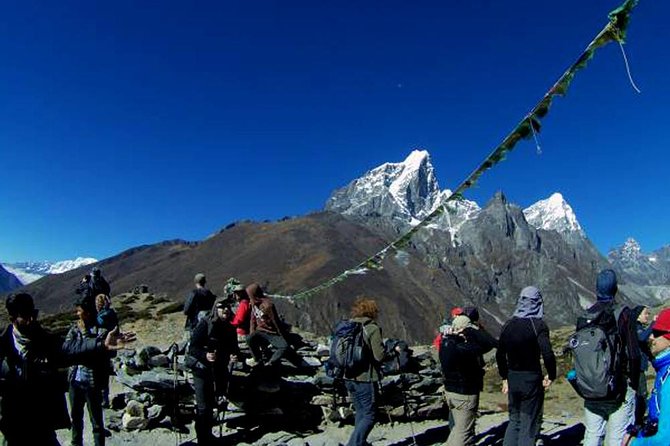
Reviewed · EVEREST BASE CAMP TREKS
Everest Base Camp Trek
Big mountains demand small details. This 12-day Everest Base Camp trek from Kathmandu handles the permits, domestic flights, lodging, meals, and daily route planning, leaving you to focus on walking and staying healthy at altitude. The package costs $1,300 per person and accepts groups of up to 14 people.
I like the included Kathmandu to Lukla flights and the two acclimatization days, since both are important to the trek’s rhythm. I also like the practical equipment package, which includes a sleeping bag, down jacket, duffle bag, and trekking map. The main drawback is a confusing porter policy: the tour summary says guides and porters are included, while the detailed costs say a porter is optional at $20 per day, or $220 for the trek. Confirm this before paying.
The itinerary is physically demanding, with long days, thin air, cold nights, and basic tea-house accommodation. Still, the careful ascent through Namche Bazaar, Dingboche, Lobuche, and Gorakshep gives you a sensible route to Everest Base Camp, followed by a memorable view from Kala Patthar.
In This Review
- Five Things to Know Before You Book
- What the $1,300 Price Really Covers
- Day 1: Kathmandu to Lukla, Then a Gentle Start
- Day 2: The Long Climb to Namche Bazaar
- Day 3: A Necessary Acclimatization Day at Namche
- Day 4: Namche to Tyangboche at 3,867 Meters
- Day 5: Tyangboche to Dingboche
- Day 6: Another Acclimatization Day at Dingboche
- Day 7: Dingboche to Lobuche
- Day 8: Gorakshep and Everest Base Camp
- Day 9: Kala Patthar, Then Down to Pheriche
- Days 10 and 11: Returning Through Namche to Lukla
- Day 12: Flying Back to Kathmandu
- Guides, Porters, and the Human Side of the Trek
- What You Should Budget Beyond the Headline Price
- Who Will Get the Most From This Trek?
- Should You Book the Everest Base Camp Trek?
- FAQ
- How long does the Everest Base Camp Trek take?
- Where does the trek start?
- What is the highest point on the itinerary?
- Are domestic flights included?
- Are meals included during the trek?
- Is a porter included?
- Do I need travel insurance?
- Can I cancel for a refund?
Five Things to Know Before You Book
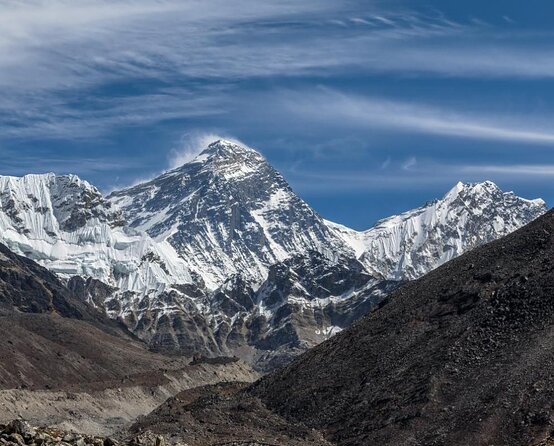
- The highest point is Kala Patthar at 5,545 meters, not Everest Base Camp itself, and the viewpoint day is one of the hardest on the schedule.
- Two full acclimatization days are built in, one at Namche Bazaar and one at Dingboche.
- Domestic flights are included, but the trek begins early, with a 6:15 a.m. meeting at Tribhuvan Airport in Kathmandu.
- The package covers breakfast, lunch, and dinner during the trek, but drinks, snacks, hot showers, charging, and bottled water cost extra.
- The group maximum is 14 people, giving you the structure of a group trek without a huge crowd.
- Emergency helicopter arrangements are included, but your travel insurance must pay the bill.
What the $1,300 Price Really Covers
At $1,300, this is not just a guided walk. The fee includes Kathmandu airport and hotel transfers by private vehicle, the round-trip Kathmandu to Lukla flight, domestic airport tax, tea-house or lodge accommodation during the trek, meals on the trail, government taxes, VAT, and service charges.
Your guide’s salary, food, drinks, lodging, transport, and insurance are also covered. That matters because a guide is not simply someone who points toward the next village. On a high-altitude trek, a good guide helps manage pace, rest, route decisions, and the daily logistics that become tiring when you are short of breath.
The equipment loan adds real value. You receive a sleeping bag, down jacket, duffle bag, and trekking map, then return them after the trek. That can save money if you do not already own cold-weather trekking gear.
The package does not cover Nepal’s entry visa, international flights, travel insurance, Kathmandu meals and hotel costs, personal expenses, drinks, snacks, hot showers, charging, or drinking water. The listed visa price is $40 for one month, and the entry process requires two passport-size photos.
There is also a listed $40 Everest Base Camp entrance fee. If you need a porter, the stated cost is $20 per day, or $220 per person for the trek. Since the main description and detailed inclusions do not match on this point, ask Outfitter Nepal exactly what your quoted price includes. This is the one cost question I would settle in writing.
More Everest Base Camp Treks:
- Everest Base Camp Trek – 14 Days
★ 5.0 · 1,499 reviews - Everest Base Camp Trekking
★ 5.0 · 485 reviews - Everest Base Camp Trekking – 13 Day
★ 5.0 · 365 reviews
Day 1: Kathmandu to Lukla, Then a Gentle Start
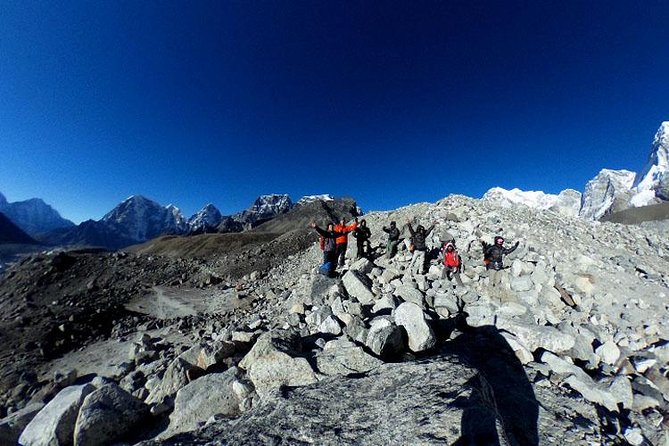
The trek begins with a flight from Kathmandu to Lukla at an elevation of 2,886 meters. The meeting time is 6:15 a.m. at Tribhuvan Airport, so you need to be organized the night before.
After landing in Lukla, the route continues on foot to Phakding at 2,610 meters. The walking time is about four hours, with lunch and dinner included. This first day is useful because it gets you moving without immediately forcing you into a huge climb.
Lukla is the gateway to the Khumbu region, while Phakding gives your body a first chance to adjust to mountain conditions. Do not treat this as a throwaway day. Keep your pace easy, drink regularly, and avoid trying to prove your fitness at the start.
The flight is also one of the practical uncertainties of the trip. The cancellation terms say that poor weather can force a change of date or a full refund, but flight disruption can still affect your schedule. Keep some flexibility around the beginning and end of the trek if possible.
Day 2: The Long Climb to Namche Bazaar
The walk from Phakding to Namche Bazaar takes about six hours and reaches 3,440 meters. This is where the route begins to feel like a serious Himalayan trek.
Namche Bazaar is the main settlement in the early part of the route and serves as an important stopping point before higher ground. You gain elevation, and the walking becomes more demanding. Your guide’s role becomes more useful here, especially in setting a steady pace rather than letting the fastest person dictate the day.
The six-hour estimate is a guide, not a guarantee. Rest stops, trail conditions, group pace, and altitude can all affect the timing. You should keep your day bag light and make sure anything you may need during the walk is easy to reach.
Day 3: A Necessary Acclimatization Day at Namche
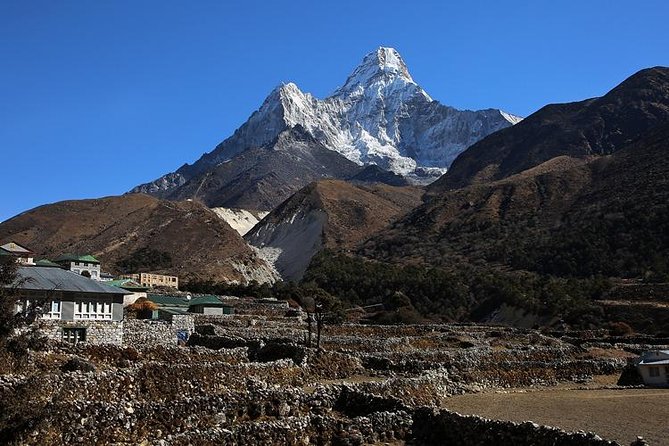
The third day is set aside for acclimatization at 3,440 meters. This is one of the strongest parts of the schedule. The trek does not simply race upward, sleep, and race onward.
You still need to follow the guide’s instructions on this day. Rest is part of the work, but the purpose is to help your body adjust before the route climbs higher. The schedule does not specify a particular excursion or side walk, so ask your guide what the day’s plan will be.
Namche is also a useful place to check your gear, sort your duffle bag, and make sure your sleeping bag and down jacket are ready for colder nights. Personal supplies become more important as the route continues, since snacks, drinks, showers, and battery charging are not included.
More Treks and Hikes:
- Nagarkot Sunrise View and Day Hiking from Kathmandu
★ 5.0 · 471 reviews - Annapurna Circuit Trek with Tilicho Lake
★ 5.0 · 368 reviews - Everest Base Camp Trek -14 Days
★ 5.0 · 321 reviews - Annapurna base camp trek 5 Days
★ 5.0 · 252 reviews
Day 4: Namche to Tyangboche at 3,867 Meters
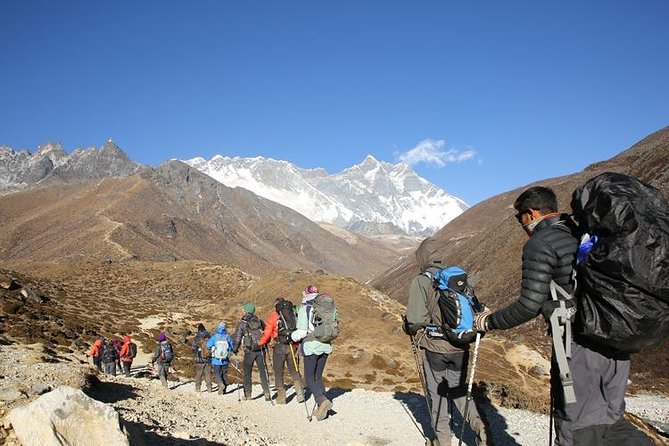
The walk to Tyangboche takes about five hours and reaches 3,867 meters. The shorter walking time does not mean an easy day. The steady rise in elevation is the real challenge.
Tyangboche is a memorable stop because it places you deeper in the mountain region and higher above the starting point. The itinerary gives you a lodge stay and full meals, so you can settle in without hunting for accommodation after a tiring walk.
Cold-weather preparation matters more now. Your provided down jacket and sleeping bag should be treated as useful parts of the package, not optional extras. Pack layers that you can add or remove as your effort changes.
Day 5: Tyangboche to Dingboche
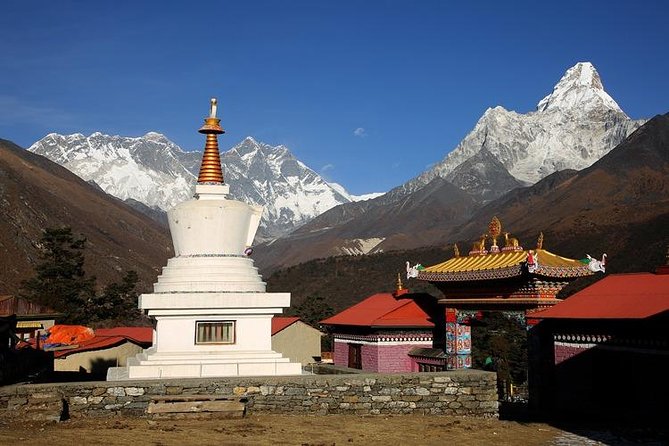
The route continues from Tyangboche to Dingboche at 4,260 meters, with about five hours of walking. Dingboche is another major pause point because the air is thinner and the next stages become much more demanding.
You will notice that this itinerary builds altitude in steps rather than making one giant jump. That is a good reason to respect the schedule, even if you feel strong. Altitude problems do not always arrive when you expect them.
The guide and group size matter here. With a maximum of 14 people, the pace may not suit everyone equally, but the group remains small enough for the guide to keep track of individual needs. Be direct if you feel unwell. Quietly suffering is not a badge of honor at high altitude.
Day 6: Another Acclimatization Day at Dingboche
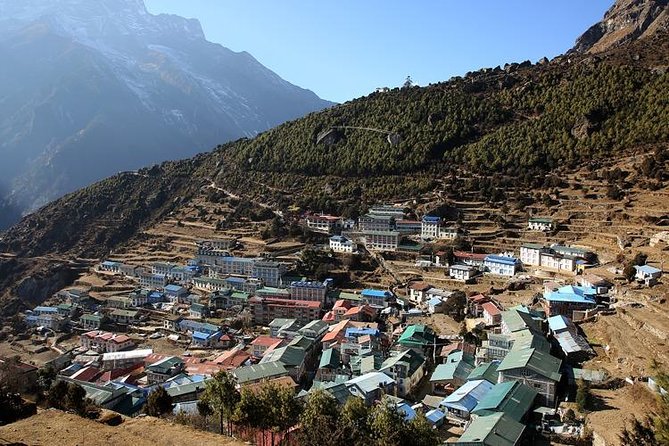
The second acclimatization day takes place at 4,260 meters. This pause is even more valuable than the first because the route is now well above the lower mountain settlements.
The schedule does not give a detailed activity for the day, so you should confirm whether the guide plans a particular walk or mainly rest. Either way, use the time to eat, sleep, organize clothing, and inspect your feet.
The included breakfast, lunch, and dinner make this part simpler, but drinks are extra. Budget for water and hot beverages, and carry snacks if you rely on chocolate or other quick energy. Chocolate bars and similar sweets are specifically excluded.
Day 7: Dingboche to Lobuche
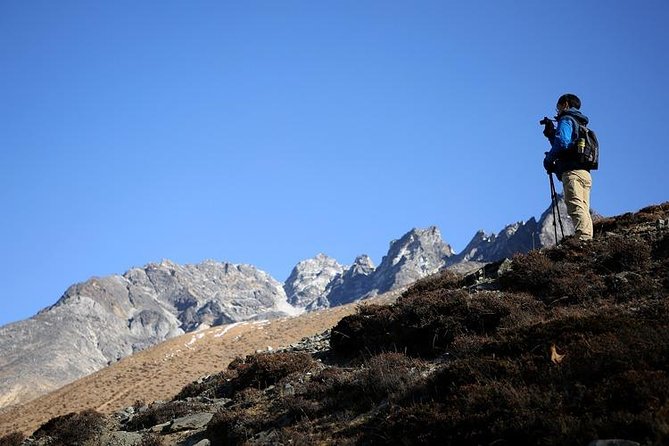
The walk from Dingboche to Lobuche takes about five hours and reaches 4,930 meters. This is a major altitude day, even though the walking time looks manageable on paper.
At Lobuche, the combination of cold, basic accommodation, and thin air can make a short walk feel long. The guide should help you keep the day controlled. You should also expect less comfort than in Kathmandu, since tea-house lodging is practical rather than luxurious.
The package includes the night’s accommodation and meals, but not hot showers or battery charging. Those services may be available for an extra charge, but the provided information does not promise them. Bring spare power capacity and plan to live without every modern convenience.
Day 8: Gorakshep and Everest Base Camp
Day eight is the big approach. You walk from Lobuche to Gorakshep and continue to Everest Base Camp, with a total walking time of about six to seven hours.
Gorakshep is the high stopping point before the base camp visit. The route is demanding because you are walking at great altitude, not because the distance alone sounds extreme. Take the day slowly and let the group’s pace remain measured.
Everest Base Camp is the central goal, but it is worth understanding what this means. You reach the base camp area used by expeditions, then return to Gorakshep for the night. This is not a summit attempt, and you should not expect a comfortable tourist attraction with easy access and polished facilities. It is a high mountain destination reached by your own legs.
The schedule lists breakfast, lunch, and dinner, which removes much of the day’s meal planning. Keep personal snacks close, though, since sweets are not included and the long day may leave you wanting extra food.
Day 9: Kala Patthar, Then Down to Pheriche
The day begins with a climb from Gorakshep to Kala Patthar at 5,545 meters, followed by a descent to Pheriche at 4,243 meters. The total walking time is about seven hours.
Kala Patthar is the highest point on the route and the place to focus on if you want a broad view toward Mount Everest. Reaching this elevation is a serious physical effort. The descent to Pheriche is welcome, but descending does not make the day easy. Tired legs and uneven ground still demand care.
This may be the toughest day of the trip. Your preparation should include regular walking or hiking before arrival, but the package only states that you need a moderate level of physical fitness. That description should not be mistaken for an easy standard. You need to be comfortable walking for several hours on mountain trails and managing repeated days of exertion.
Days 10 and 11: Returning Through Namche to Lukla
Day ten takes you from Pheriche back to Namche Bazaar, about six hours of walking. Returning through familiar ground can feel easier mentally, but your body may be tired after the high point and the long descent.
Day eleven continues from Namche to Lukla, also about six hours. This is your final full walking day, and it gives you time to appreciate the route without the pressure of reaching Base Camp ahead.
The return route is not just a formality. You still need to watch your footing, manage your pack, and keep enough energy for the last day. If you hire a porter, settle the arrangements before the trek begins, since the listed porter fee is separate from the core package.
Day 12: Flying Back to Kathmandu
The final day includes the Lukla to Kathmandu flight and a transfer to your hotel. Breakfast is included.
The tour information says that four nights in Kathmandu are included, while the detailed inclusions say hotel and food in Kathmandu are not covered. That is another point to clarify before booking. The safest approach is to ask whether the four nights refer to included accommodation and whether meals remain your responsibility.
The private airport and hotel transfers are useful at the end of a demanding trek. You will not need to negotiate ground transport immediately after landing, and the provider can handle the airport connection.
Guides, Porters, and the Human Side of the Trek
The guide is one of the most important parts of this experience. Outfitter Nepal has been praised for patient, caring staff, including guides named Kiran, Dinish, and Arjun.
One guide was singled out for helping a group cope after monsoon damage disrupted roads and stranded people. That detail matters because mountain travel rarely runs with perfect timing. Clear communication and calm decisions can be worth more than a fancy lodge.
Dinish was praised for personal help during a 10-day trek, while Arjun was remembered for patience, clear expectations, and even bringing fresh fruit for dessert. Small gestures such as fresh fruit can make a basic tea-house night feel much better.
The porter question needs careful attention. The tour description presents guides and porters as included, but the cost section says porters are optional. A porter can make a major difference by carrying the duffle bag while you walk with a smaller day pack, but do not assume one is assigned unless the company confirms it.
What You Should Budget Beyond the Headline Price
Bring money for the following items:
- Nepal entry visa, listed at $40 for one month
- The $40 Everest Base Camp entrance fee
- Travel insurance, which is compulsory
- Kathmandu hotel and food, if not covered by your booking
- Drinks and drinking water during the trek
- Chocolate bars and other snacks
- Hot showers and battery charging
- Tips for the guide and staff
- A porter, listed at $220 if required
- International airfare and airport departure tax
Travel insurance deserves special attention. Emergency helicopter arrangements can be made, but the cost is to be paid by your insurance company. Do not treat that line as free helicopter transport. You need a policy that covers high-altitude trekking and emergency evacuation.
The cancellation policy is strict. The experience is non-refundable and cannot be changed for any reason after cancellation or amendment. If poor weather or insufficient numbers force the provider to cancel, you are offered another date or a full refund.
Who Will Get the Most From This Trek?
I would choose this trip if you want Everest Base Camp organized as a group experience rather than a self-planned expedition. The package removes much of the paperwork and includes the main transport, lodges, meals, guide services, and loan equipment.
It suits someone with moderate physical fitness who is ready for long days at altitude. You do not need to be an elite athlete based on the stated requirements, but you do need patience, stamina, and a willingness to accept basic conditions.
I would be cautious about booking if you need fixed schedules, private comfort, or a generous refund policy. The Lukla flights depend on weather, the accommodation is in tea houses, and many everyday comforts cost extra.
Should You Book the Everest Base Camp Trek?
Book it if you value logistics handled by a local operator, two acclimatization days, included meals, and a small group capped at 14 people. The $1,300 price can be good value once you account for flights, permits, guide costs, lodging, meals, transfers, and loan equipment.
Before paying, get written confirmation on three points: whether a porter is included, whether four Kathmandu nights are included, and whether the $40 entrance fee is already part of the price. If those items are clear and you have suitable insurance, Outfitter Nepal’s patient guiding style and strong individual care make this a sensible way to tackle a demanding route.
FAQ
How long does the Everest Base Camp Trek take?
The trek lasts approximately 12 days, including the flights from Kathmandu to Lukla and from Lukla back to Kathmandu.
Where does the trek start?
The experience starts at Tribhuvan Airport in Kathmandu, Nepal. The stated meeting time is 6:15 a.m.
What is the highest point on the itinerary?
Kala Patthar is the highest point, at 5,545 meters. Everest Base Camp is visited the day before.
Are domestic flights included?
Yes. The Kathmandu to Lukla and Lukla to Kathmandu flights, including domestic airport tax, are included.
Are meals included during the trek?
Breakfast, lunch, and dinner are included during the trekking portion. Food in Kathmandu is not included.
Is a porter included?
The tour information is inconsistent. The summary says guides and porters are included, but the detailed cost information lists a porter as an optional $20 per day service, or $220 per person. Confirm this with Outfitter Nepal before booking.
Do I need travel insurance?
Yes. Travel insurance is compulsory. Emergency helicopter arrangements can be made, but the cost must be paid by your travel insurance company.
Can I cancel for a refund?
The experience is non-refundable and cannot be changed for any reason. If the provider cancels because of poor weather or because the minimum number of participants is not met, you will be offered another date or a full refund.
Just added around Kathmandu
- Private Shopping Tour in Kathmandu★ 5.0 · 3 reviews
- Nagarkot Sunrise With 7 UNESCO World Heritage Private Tour★ 5.0 · 3 reviews
- Kathmandu: Nightlife and Pub Crawl Tour★ 5.0 · 3 reviews
- Mount Everest Scenic Flight 50 Minutes★ 5.0 · 3 reviews
- Momo Cooking Class -The Art Of Making MoMo with Home Chef★ 5.0 · 3 reviews
- Kathmandu: Nagarkot, Bhaktapur, Doleswor & Sanga Statue Tour★ 5.0 · 3 reviews
- Makalu Base Camp Trek★ 5.0 · 3 reviews
- Everest Experience Trek 6 Day Hiking Adventure★ 5.0 · 3 reviews
Everest Base Camp Treks, compared.






Everest Base Camp Trek with Helicopter Return from Gorakshep to Lukla
Read our review →Browse the lists this tour appears in