
Reviewed · EVEREST BASE CAMP TREKS
Everest Base Camp Trek
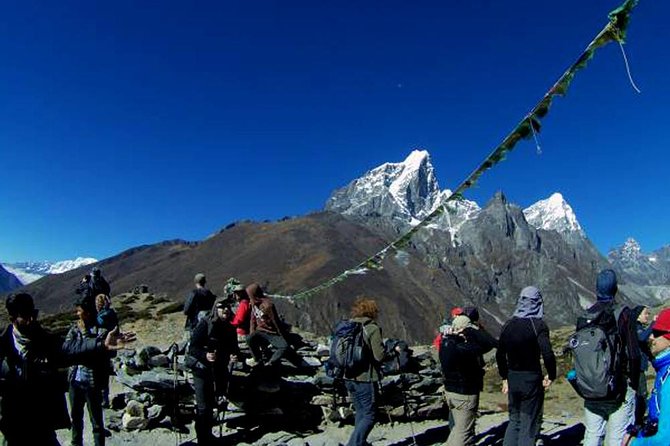
Everest is closer than it looks. This 12-day trek from Kathmandu combines a famous Himalayan route with teahouse lodging, meals, porters, and a private guide, which keeps the planning fairly simple. I like the built-in acclimatization day in Namche Bazaar, and I like that the route includes both Everest Base Camp and Kala Patthar, the best viewpoint on this schedule. The main concern is the demanding altitude gain, especially on the short schedule from Lukla to Gorakshep.
You begin with a 25-minute flight to Lukla, then walk through Sagarmatha National Park, Sherpa villages, monasteries, rhododendron forests, suspension bridges, and the Khumbu mountain region. The $2,500 price covers a useful package, but not international flights, Nepal’s visa, personal expenses, or your own rescue insurance. You need moderate physical fitness and a willingness to accept basic mountain comforts.
In This Review
- Key points to know before booking
- What the $2,500 Everest Base Camp package really gives you
- Day 1: Lukla to Phakding begins with a jolt
- Day 2: Phakding to Namche Bazaar and the first serious climb
- Day 3: Namche acclimatization with useful choices
- Day 4: Namche to Tengboche and its monastery
- Day 5: Tengboche to Dingboche at 4,400 meters
- Day 6: Dingboche to Lobuche and the high route
- Day 7: Gorakshep and the walk to Everest Base Camp
- Day 8: Kala Patthar provides the best mountain view
- Days 9 to 11: The return through Tengboche, Namche, and Monjo
- Day 12: Lukla to Kathmandu and a soft landing
- Food, lodging, porters, and the daily reality
- Who should book this Everest route
- Final booking advice
- FAQ
- Where does the Everest Base Camp Trek start?
- How long is the trek?
- How long is the flight from Kathmandu to Lukla?
- How high is Everest Base Camp?
- How high is Kala Patthar?
- Is there an acclimatization day?
- Is accommodation included?
- Are meals included?
- Is porter service included?
- Is travel insurance included?
- Can I cancel for a full refund?
Key points to know before booking
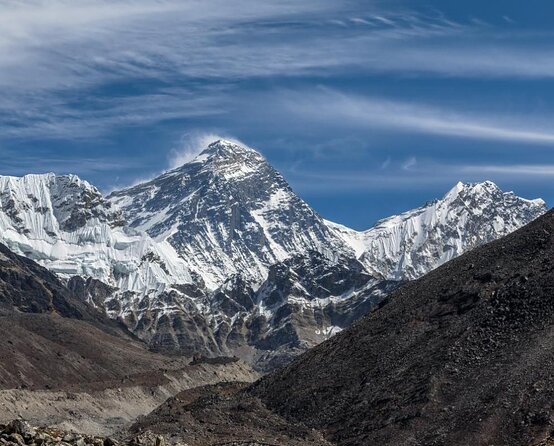
- Kala Patthar is the visual high point: The early hike gives you the scheduled trip’s strongest view of Mount Everest.
- The route reaches 5,364 meters: Everest Base Camp is not a casual sightseeing stop, and the altitude deserves serious preparation.
- Namche includes an acclimatization day: You can explore the market, nearby viewpoints, and the Sagarmatha National Park museum before going higher.
- The package covers daily basics: Teahouse accommodation, three meals, hot soup at high elevations, a guide, and porter service are included.
- Two trekkers share one porter: Pack carefully and confirm the baggage arrangement before setting out.
- Lukla flights shape the schedule: The domestic flight takes about 25 minutes, but your first and final trekking days depend on those flights.
What the $2,500 Everest Base Camp package really gives you
At $2,500, this is not simply a walking route with a guide added on. The price includes airport pickup and drop-off for both international and domestic flights, transport listed in the schedule, teahouse accommodation, three daily meals during the trek, and a professional guide.
You also get porter service at a stated ratio of one porter for every two trekkers. Guide and porter insurance, government and local taxes, a trekking map, a company T-shirt, a trip completion certificate, and a farewell dinner in Kathmandu are included.
That collection has real value. Organizing a high-altitude trek means arranging more than beds and meals. You need permits and local taxes handled, food ordered along the route, transport coordinated, and luggage moved between villages. This package takes much of that work off your hands.
Still, read the exclusions closely. You pay for Nepal’s visa, international flights, travel and rescue insurance, hot showers, battery charging, bar bills, laundry, drinking water, tips, and extra Kathmandu accommodation if the schedule changes. At altitude, small personal expenses can add up quickly, so keep a separate budget beyond the headline price.
The package is described as a private tour, meaning only your group participates. That is useful if you want a pace shaped around your own party rather than a large mixed group. It also makes the guide relationship more important. The company has received especially warm praise for attentive guiding, including a report that guide Ajay looked after a parent and daughter from airport pickup through their return. Jangbu was also praised for steady support on a demanding Three Passes route. Those comments concern other Himalayan trips, not this exact 12-day route, so treat them as a positive sign about the operator rather than a promise about your assigned guide.
More Everest Base Camp Treks:
- Everest Base Camp Trek – 14 Days
★ 5.0 · 1,499 reviews - Everest Base Camp Trekking
★ 5.0 · 485 reviews - Everest Base Camp Trekking – 13 Day
★ 5.0 · 365 reviews
Day 1: Lukla to Phakding begins with a jolt
Your day starts early, with a stated meeting time of 5:15 am at Tribhuvan Airport in Kathmandu. The flight to Lukla takes about 25 minutes. It is a short hop, but the description rightly calls it nerve-racking. You get your first broad hints of the Everest region before your boots even touch the trail.
From Lukla, you walk for about three hours to Phakding at 2,650 meters. The route passes through forest, Buddhist monasteries, and local settlements. If skies are clear, Kanguru Peak may appear along the way.
This is a sensible first walking day because it is not the hardest stretch on the program. You still need to take it seriously. After an early flight and the excitement of arriving in Lukla, it is easy to walk too fast. Keep your pace calm and use the day to settle into the rhythm of trekking.
Day 2: Phakding to Namche Bazaar and the first serious climb
The six-hour walk to Namche Bazaar follows rivers, waterfalls, villages, and suspension bridges. Lunch is planned around Monje or Jorsalle. The route brings you into Sagarmatha National Park, where the scenery begins to feel more distinctly Himalayan.
Namche sits at 3,440 meters. Near the town, Top Danda offers a view of Mount Everest when conditions cooperate. Reaching Namche is a major step in the trek, but it is also where the altitude begins to matter more.
Namche Bazaar is more than an overnight stop. It is the region’s key trading and resting center, and the program gives you a full acclimatization day here. That pause is one of the trip’s strongest design choices. A rest day does not mean doing nothing. It gives your body time to adjust while allowing you to walk to nearby sights.
Day 3: Namche acclimatization with useful choices
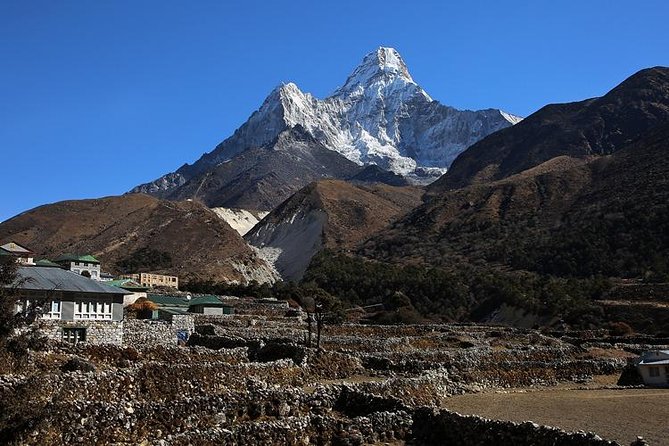
You can explore Namche Bazaar, shop for souvenirs, and visit the Sagarmatha National Park museum. Nearby hikes offer views toward Kusum Kanguru, Taboche Peak, Khonde Peak, and an Everest viewpoint.
The practical value of this day is simple: you gain altitude more gradually. The route then takes you above 4,000 meters, so using this day for a measured outing is wiser than treating Namche as a sleep-in stop followed by no movement.
The schedule gives several possible nearby sights rather than one fixed excursion. Ask your guide which option fits your energy and the weather. Since the tour is private, your group may have more room to adjust the day than a large organized party.
More Treks and Hikes:
- Nagarkot Sunrise View and Day Hiking from Kathmandu
★ 5.0 · 471 reviews - Annapurna Circuit Trek with Tilicho Lake
★ 5.0 · 368 reviews - Everest Base Camp Trek -14 Days
★ 5.0 · 321 reviews - Annapurna base camp trek 5 Days
★ 5.0 · 252 reviews
Day 4: Namche to Tengboche and its monastery
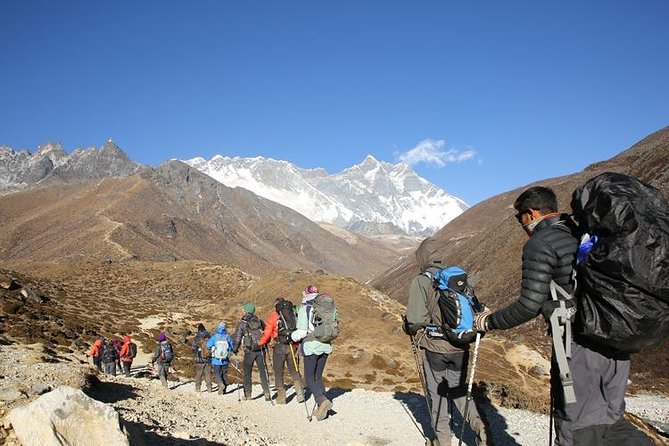
The five-hour walk to Tengboche crosses rhododendron forest and follows rivers near the trail. Tengboche is at 3,860 meters, so the day adds altitude without the long mileage of the previous climb.
The main cultural stop is Tengboche Monastery. You can see monks and local people following old Buddhist rituals and traditions. This is an important part of the route because Everest Base Camp is not only about mountain views. The villages and monasteries give the journey its human character.
You should allow your visit to the monastery to be respectful and unhurried. The schedule lists it as a stop, but it does not promise a particular ceremony or extended tour. The night at Tengboche is another chance to notice how much colder and more basic the high route becomes.
Day 5: Tengboche to Dingboche at 4,400 meters
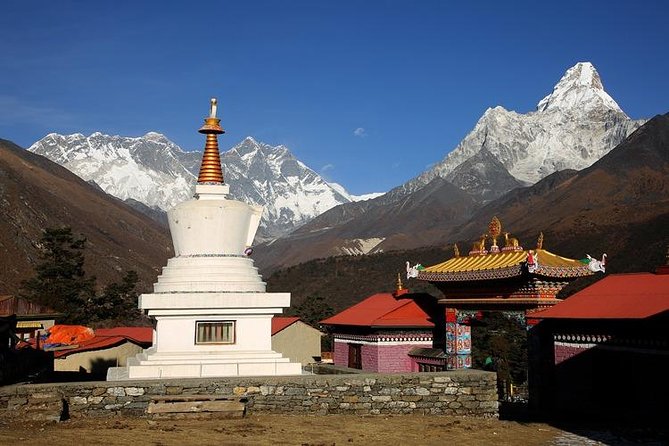
The trail takes about five hours to Dingboche. Breakfast is planned at Tengboche, lunch around Pangboche or Somare, and dinner in Dingboche. These meal arrangements show how the trip is paced around the villages available on the route.
Dingboche sits at 4,400 meters. From here, altitude is no longer a minor detail. You may feel the effect in a slower walking rhythm, and the schedule becomes more demanding even when the hours on foot look manageable.
The surrounding Khumbu region provides a changing mix of mountain views and high settlements. You are moving away from the thicker lower forest and toward the more open upper route. Pay attention to how your body feels, and tell your guide about headaches, unusual tiredness, or other concerns rather than trying to prove toughness.
Day 6: Dingboche to Lobuche and the high route
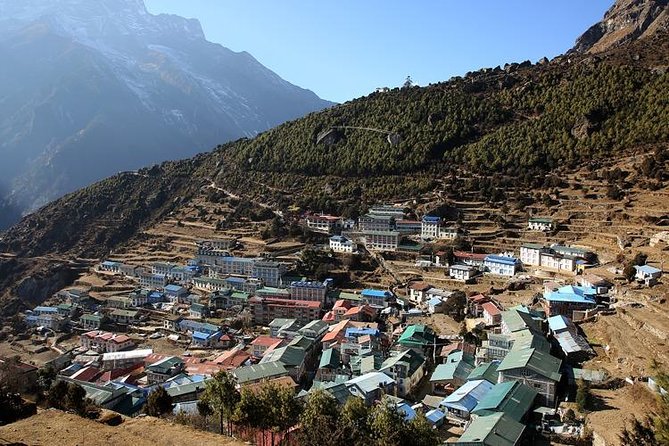
The program lists four to five hours for the walk to Lobuche, depending on the section of the schedule you follow. Lobuche is at 4,910 meters, a substantial gain from Dingboche.
The route offers views of Nuptse, Island Peak, Lobuche Peak, and Taboche Peak. These names become more than map labels as you see them rising around the trail. The scenery is a major reward, but the thin air can make this shorter day feel long.
Lobuche is a functional overnight stop before the push to Gorakshep. Do not expect the conveniences of Kathmandu. Hot showers and battery charging are specifically excluded, and water is also your own expense. Bring enough cash for these personal needs and plan to keep electronics use modest.
Day 7: Gorakshep and the walk to Everest Base Camp
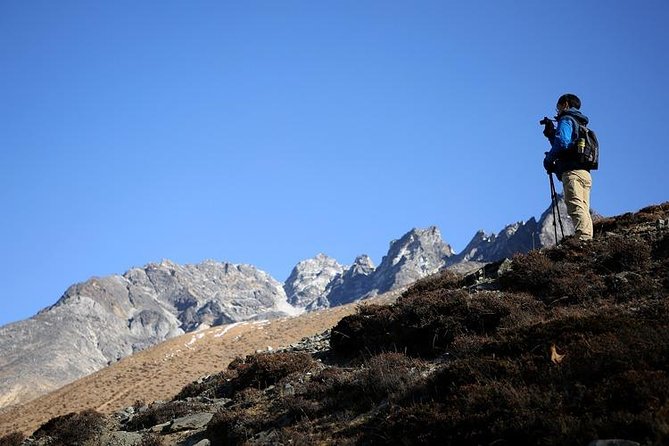
The trail from Lobuche to Gorakshep takes about three and a half hours and includes a steep section. Gorakshep sits at 5,150 meters, so every part of this day calls for patience.
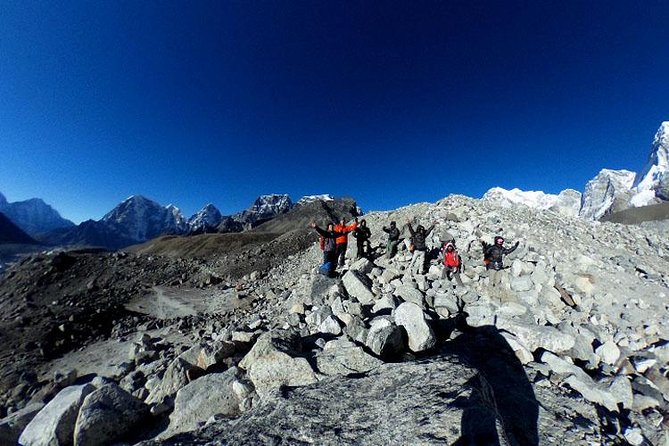
You see the Khumbu Glacier, described as Nepal’s biggest glacier, along with Kala Patthar and Everest. After lunch at Gorakshep, you continue across a small glacier and past a lake toward Everest Base Camp at 5,364 meters.
Reaching Base Camp is the emotional center of the trek. You can take photos and mark the moment, but keep your expectations practical. Base Camp is a staging area for Everest expeditions, not the summit itself, and the exact appearance of the site can vary with the season and expedition activity. The important achievement is getting there on foot at a very high elevation.
You return to Gorakshep for the night. This is one of the toughest days, since you gain altitude and then continue walking after reaching your overnight village. The early start, steady pace, and close communication with your guide matter here.
Day 8: Kala Patthar provides the best mountain view
The early climb to Kala Patthar takes about three hours. This viewpoint is the visual prize of the route, offering especially strong views of Mount Everest and the surrounding peaks.
Going early is useful because the schedule aims to catch the mountain panorama before the day progresses. The climb is short on paper, but Kala Patthar sits high and the slope feels serious at that elevation. Take warm clothing and move at a pace you can sustain.
After descending to Gorakshep for breakfast, you continue to Lobuche, a walk of about two and a half hours. This return to lower ground is welcome, though the day still includes a climb, a descent, breakfast, and another trek. Kala Patthar may be the best viewpoint, but it is not a free extra.
Days 9 to 11: The return through Tengboche, Namche, and Monjo
Day 9 retraces the trail from Lobuche to Tengboche in about five and a half hours. You can stop for lunch at Pangboche or Deboche and see monasteries, stupas, bridges, and rivers along the way.
The downhill direction is generally easier on breathing, but it can be hard on knees and feet. Good footwear matters throughout the trip, especially on long descents. The scenery also changes as you return toward the forests.
On Day 10, you walk from Tengboche to Monjo in about six hours, passing through rhododendron forest and Namche Bazaar. Lunch is planned in Namche, followed by the route through Jorsalle to Monjo.
Day 11 takes about five hours from Monjo to Lukla. You pass Phakding, cross the Dudh Koshi River on a suspension bridge, and continue alongside the river before reaching Lukla. This is not merely a transfer day. It is your final full walk, and the route gives you time to recognize places that felt difficult on the way up.
You spend the night in Lukla before the flight back. Keeping this overnight is helpful because the flight is scheduled for Day 12, not immediately after the final walking hours.
Day 12: Lukla to Kathmandu and a soft landing
The flight to Kathmandu takes about 25 minutes. An agent from Himalayan Holyland Treks and Expeditions is scheduled to escort you to a hotel by private car.
You can refresh and explore Thamel after arrival, according to the provided plan. The farewell dinner is included, while any extra Kathmandu night caused by a change to the itinerary is not. That distinction matters because flights in mountain regions can affect plans, and this package does not cover additional city accommodation outside the stated schedule.
Food, lodging, porters, and the daily reality
Teahouse accommodation gives you a direct connection to the mountain villages. You are not staying in conventional city hotels, and comfort becomes more basic as the route climbs. Three meals a day are included, along with hot soup in high places.
Water is excluded, as are hot showers, charging, laundry, and bar bills. These are ordinary personal costs on a trek, but they are easy to overlook when comparing tour prices. Ask the provider how much luggage the porter arrangement covers, since the stated ratio is one porter for two trekkers but no weight limit is provided.
The guide leads the trek and also handles sightseeing. Insurance for the guide and porters is included, but your own travel and rescue insurance is not. That is a serious gap to address before departure, given the altitude and remote setting.
Who should book this Everest route
I would consider this trip for someone who wants the classic Everest Base Camp route with a guide, porter support, organized meals, and a private group. It suits a fit first-time Himalayan trekker who prefers a planned schedule over arranging each village and transfer independently.
The trip is less suitable if you want a relaxed mountain holiday. The program reaches 5,364 meters in seven days from Lukla, includes several five- to six-hour walking days, and has demanding early-morning and high-altitude sections. Moderate physical fitness is required, but the schedule also calls for realistic expectations about altitude.
I especially like the combination of Base Camp and Kala Patthar. Some programs focus only on the destination, but Kala Patthar supplies the viewpoint that many people picture when they imagine Everest. The acclimatization day in Namche is another strong point.
Final booking advice
Book this trek if you want the famous Everest route and value having transport, food, lodging, a guide, and porter service arranged in one package. The private group format and the company’s positive comments about attentive guides, including Ajay and Jangbu on other trips, add appeal.
Before paying, confirm the exact flight arrangements, what porter baggage allowance applies, the expected group size, and how the operator handles changes to the schedule. Buy your own travel and rescue insurance, budget for water and personal services, and plan for tips.
For $2,500, the package offers a solid set of inclusions, but it is not an all-in price. You should book it for organization and support, not for luxury. If you are ready for long walking days, basic teahouses, cold nights, and high altitude, this is a strong way to reach Everest Base Camp and see the mountain from Kala Patthar.
FAQ
Where does the Everest Base Camp Trek start?
The experience starts at Tribhuvan Airport in Kathmandu, Nepal. The stated meeting time is 5:15 am.
How long is the trek?
The itinerary lasts approximately 12 days, including the flights between Kathmandu and Lukla.
How long is the flight from Kathmandu to Lukla?
The flight takes about 25 minutes in each direction.
How high is Everest Base Camp?
Everest Base Camp is listed at 5,364 meters.
How high is Kala Patthar?
The provided itinerary describes Kala Patthar as the main viewpoint but does not give its elevation.
Is there an acclimatization day?
Yes. Day 3 is an acclimatization day in Namche Bazaar, with options to explore nearby viewpoints, local sights, shops, and the Sagarmatha National Park museum.
Is accommodation included?
Yes. Teahouse accommodation during the trek is included.
Are meals included?
Yes. Three meals a day during the trek are included, along with hot soup in high places.
Is porter service included?
Yes. Porter service is included at a stated ratio of one porter for every two trekkers.
Is travel insurance included?
No. Your own travel and rescue insurance is not included. Insurance for the guide and porters is included.
Can I cancel for a full refund?
You can cancel at least 24 hours before the experience start time for a full refund. Cancellations or changes made less than 24 hours before the start time are not accepted for a refund.
Just added around Kathmandu
- Private Shopping Tour in Kathmandu★ 5.0 · 3 reviews
- Nagarkot Sunrise With 7 UNESCO World Heritage Private Tour★ 5.0 · 3 reviews
- Mount Everest Scenic Flight 50 Minutes★ 5.0 · 3 reviews
- Kathmandu: Nightlife and Pub Crawl Tour★ 5.0 · 3 reviews
- Kathmandu: Nagarkot, Bhaktapur, Doleswor & Sanga Statue Tour★ 5.0 · 3 reviews
- Momo Cooking Class -The Art Of Making MoMo with Home Chef★ 5.0 · 3 reviews
- Makalu Base Camp Trek★ 5.0 · 3 reviews
- Everest Experience Trek 6 Day Hiking Adventure★ 5.0 · 3 reviews
Everest Base Camp Treks, compared.






Everest Base Camp Trek with Helicopter Return from Gorakshep to Lukla
Read our review →Browse the lists this tour appears in