
Reviewed · EVEREST BASE CAMP TREKS
Everest Base Camp Trek and Kathmandu Tour: 15 Days
The world’s highest trail starts with a small plane. This 15-day Nepal journey combines Kathmandu’s sacred sites with the classic Everest Base Camp route, and I like the Lukla flight and Sherpa village setting as much as the close views of Everest, Lhotse, Ama Dablam, and the Khumbu Glacier. I also like that meals, permits, lodging, airport transfers, a licensed guide, and porter support are included. The main caution is altitude: this is a serious trek, not a sightseeing stroll, and the schedule leaves little room if weather disrupts the flights.
The plan also gives you a useful acclimatization day in Namche Bazaar and keeps the group to a maximum of 15 people. Past guests have praised the organization and guide support, including a mountain guide named Rajan and a kind, strong porter. Still, you should bring proper trekking gear, arrange insurance, and confirm exactly how the Kala Patthar and Everest Base Camp days are scheduled before paying the nonrefundable $1,799 price.
In This Review
- Key points at a glance
- What the $1,799 price really covers
- Kathmandu begins with temples, art, and smoke from the Bagmati
- The Lukla flight is part of the adventure
- Namche Bazaar gives your body time to adjust
- Tengboche brings mountain views and a famous monastery
- Lobuche and Gorak Shep make the route tougher
- Kala Patthar is the visual high point
- The return route is faster, but not effortless
- Guides, porters, and group size
- What to pack and what to arrange yourself
- Who should book this 15-day Nepal trip?
- Should you book it?
- FAQ
- How long is the Everest Base Camp and Kathmandu tour?
- What is the price per person?
- Is airport pickup included?
- Are flights to Lukla included?
- What meals are included?
- Is a guide provided?
- Is porter service included?
- Are trekking equipment and insurance included?
Key points at a glance
- Lukla by mountain flight: You fly from Kathmandu or Ramechhap to Lukla, then begin walking toward Manjo.
- Four Kathmandu heritage sites: Swayambhunath, Patan Durbar Square, Pashupatinath Temple, and Boudhanath Stupa fill your second day.
- Namche acclimatization day: The schedule gives you a needed pause at high altitude rather than pushing uphill every day.
- Everest Base Camp and Kala Patthar: The route includes the famous base camp and a summit at Kala Patthar, listed at 5,644 meters.
- Most meals and key transport included: The price covers domestic flights, park permits, 13 breakfasts, 11 lunches, 11 dinners, hotels in Kathmandu, and airport transfers.
- Small-group format: The maximum group size is 15, with one porter assigned for every two people.
What the $1,799 price really covers
At $1,799 per person, this is a substantial trip, but the price includes many costs that quickly add up in Nepal. You receive airport arrival and departure transfers, three hotel nights in Kathmandu with breakfast, the Kathmandu UNESCO site tour, the Everest National Park permit, flights to and from Lukla, a government-licensed trekking guide, and porter service.
Food coverage is also strong. The package includes 13 breakfasts, 11 lunches, and 11 dinners. You still pay for drinks beyond one cup of tea per day, so keep some cash available for water, soft drinks, coffee, and other beverages.
The exclusions matter. Travel insurance, trekking equipment, a Nepal visa, and Kathmandu heritage-site entrance fees are not covered. The listed entrance fee is $20 per person. You should also ask about any extra cost if flights operate from Ramechhap instead of Kathmandu, since the itinerary allows for either airport.
I see the biggest value in the logistics. Everest Base Camp trips involve remote air travel, altitude changes, multiple lodges, and long walking days. Having transport, food, permits, a guide, and porter support arranged in advance removes a lot of work. The value is weaker if you already own trekking equipment and prefer to arrange every detail yourself.
More Everest Base Camp Treks:
- Everest Base Camp Trek – 14 Days
★ 5.0 · 1,499 reviews - Everest Base Camp Trekking
★ 5.0 · 485 reviews - Everest Base Camp Trekking – 13 Day
★ 5.0 · 365 reviews
Kathmandu begins with temples, art, and smoke from the Bagmati
Your first day is deliberately light. After landing at Tribhuvan International Airport, a representative meets you and takes you to the hotel. The transfer is listed at about 30 minutes, followed by check-in and rest.
That pause matters. Kathmandu arrivals can be tiring, and the next day includes four major sites. You do not need to force sightseeing into your arrival afternoon.
Day two begins at Swayambhunath, better known as the Monkey Temple. You have about an hour here. The stop gives you an early look at Kathmandu’s Buddhist and Hindu traditions, with temple activity and city views forming a lively introduction to Nepal.
Patan Durbar Square follows. Patan is known for fine arts, and the square contains temples and monuments that reward a slower look. The entrance fee is not included, so plan for the listed $20 heritage-site charge.
At Pashupatinath Temple, the focus shifts to Hindu worship and the sacred Bagmati River. The itinerary notes that you may see an open cremation ceremony along the riverbank. This is a place to behave quietly and respectfully. It is not a staged cultural show, and the ceremony can be emotionally confronting.
The final stop is Boudhanath Stupa, described as Nepal’s biggest Buddhist temple and the second biggest in the world. The four stops create a strong cultural day, but each receives only about an hour. If you prefer long visits and quiet photography, the pace may feel brisk.
The Lukla flight is part of the adventure
Day three takes you from Kathmandu or Ramechhap to Lukla. The flight is described as a roller-coaster mountain flight with a dramatic landing, so the journey itself becomes part of the story.
From Lukla, you trek to Manjo. The listed walking time for the day is only about 30 minutes in the condensed schedule, but the description says you begin the route toward Manjo. I would ask the operator to confirm the exact walking distance, elevation change, and overnight village before departure. It is useful to know what your first day on foot actually involves.
Flight conditions can affect the timetable. The cancellation terms state that poor weather may lead to a new date or a full refund, but you should still avoid arranging a tight international connection immediately after the scheduled return flight. The itinerary also includes an overnight in Lukla on day 14 before the flight back, which gives the plan some protection against a delayed departure.
Namche Bazaar gives your body time to adjust
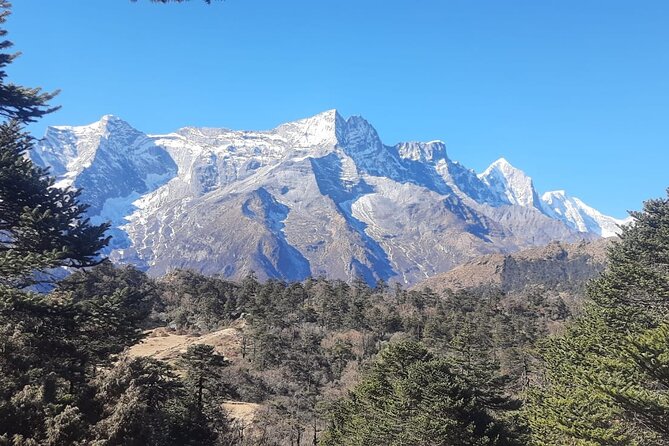
Day four follows forests of rhododendron, magnolia, and fir trees. You cross bridges and walk toward Namche Bazaar, with about four hours of trekking listed.
Namche is more than a stop for a meal. It sits in a large bowl-shaped area and serves as the route’s main high-altitude rest point. Day five is set aside for acclimatization, with about two hours of activity.
Use this day sensibly. The plan refers to an Everest View Point and Hotel Everest View as highlights of the wider route, and Namche is the natural place for that kind of outing. You should not treat the rest day as a chance to race up and down every nearby trail. Its main purpose is to help you handle the altitude before the trail climbs higher.
This is one of the strongest design choices in the itinerary. The schedule does not simply push you toward base camp as fast as possible. You get time in Namche before moving onward, which is important on a trek that reaches above 5,000 meters.
More Treks and Hikes:
- Nagarkot Sunrise View and Day Hiking from Kathmandu
★ 5.0 · 471 reviews - Annapurna Circuit Trek with Tilicho Lake
★ 5.0 · 368 reviews - Everest Base Camp Trek -14 Days
★ 5.0 · 321 reviews - Annapurna base camp trek 5 Days
★ 5.0 · 252 reviews
Tengboche brings mountain views and a famous monastery
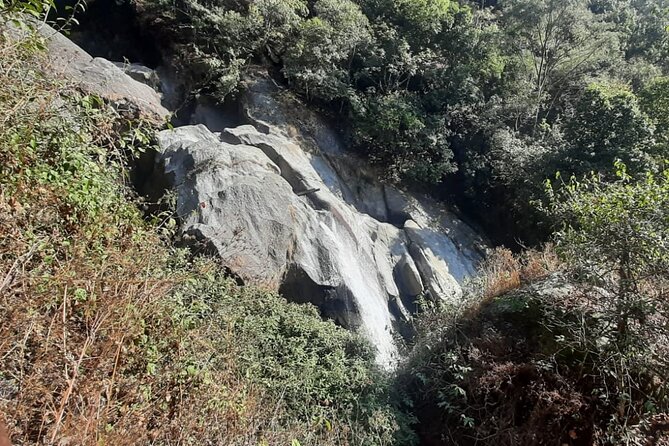
On day six, the route passes Phunki before climbing toward Tengboche. The lower section is described as an easier walk, while the ascent to the village makes the day about six hours long.
Tengboche Monastery is the key cultural stop. It is described as the largest monastery in the Everest region. The setting also brings views of major Himalayan peaks, giving you a change from forest paths to a more open mountain setting.
Day seven continues toward Dingboche. The trail passes birch and rhododendron woodland, and the itinerary highlights views of Everest, Lhotse, and Ama Dablam. The walking time is about five hours.
Dingboche marks a noticeable change in the trek. The air is thinner, the walking becomes more demanding, and the route feels less sheltered than the lower valleys. The schedule does not list a separate acclimatization day here, so ask how the guide handles pace, rest stops, and altitude symptoms.
Lobuche and Gorak Shep make the route tougher
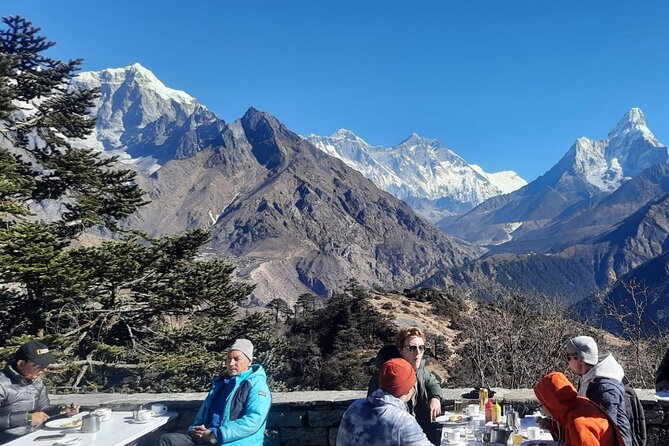
Day eight goes to Lobuche after a hard climb to the top of a steep hill near Dungla. Memorial stupas along the trail provide a solemn reminder of the risks connected with high-altitude mountaineering.
The five-hour estimate may sound manageable, but altitude changes the meaning of every hour. You will likely need a steady pace, warm clothing, water, and patience. This is where basic fitness becomes especially important.
Day nine continues to Gorak Shep and then toward Everest Base Camp. The trail includes glacier ground, rough sections, ascents, and descents. The route is not presented as a smooth path, and you should expect uneven footing.
The approach to base camp is one of the emotional high points of the trip. You are near the Khumbu Glacier and Khumbu Icefall, with a close view of the terrain used by Everest expeditions. The base camp itself is not the summit, of course, but reaching it gives you a direct connection with the mountain’s climbing history and scale.
Kala Patthar is the visual high point
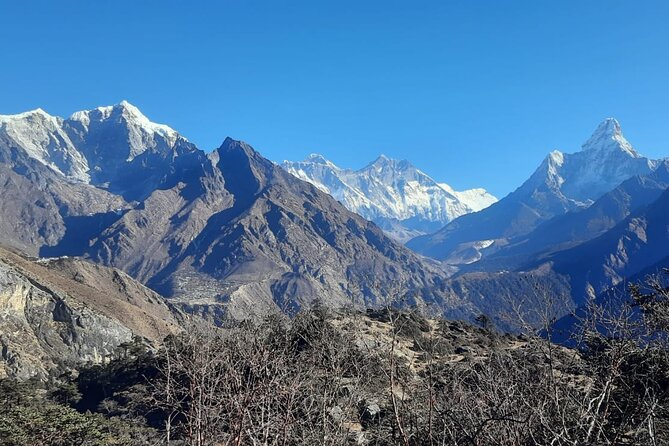
The schedule places Everest Base Camp on day 10 and includes a fairly steep walk to Kala Patthar. The listed summit height is 5,644 meters. From the route, you can see Lingtren, Khumbutse, and Changtse, with the upper mountain views described as outstanding.
The plan also mentions a morning hike to Kala Patthar on day 11 for sunrise. Since the itinerary describes Kala Patthar on both days, I would confirm whether this means an afternoon ascent followed by a sunrise repeat, or whether the day descriptions overlap. That is not a minor detail, since sunrise timing and the cold at this altitude affect the experience.
Kala Patthar is often the best place on this route for a broad Everest view. Base Camp puts you close to the glacier and expedition route, but Kala Patthar gives you the higher viewpoint. The sunrise description is especially appealing, with light appearing behind the Everest massif and turning the peaks golden.
You should also understand that the summit is physically demanding. The listing asks for moderate physical fitness, but the elevation makes this more than a routine hike. Your guide’s pacing and your willingness to turn back if you feel unwell are more important than reaching a particular photo spot.
The return route is faster, but not effortless
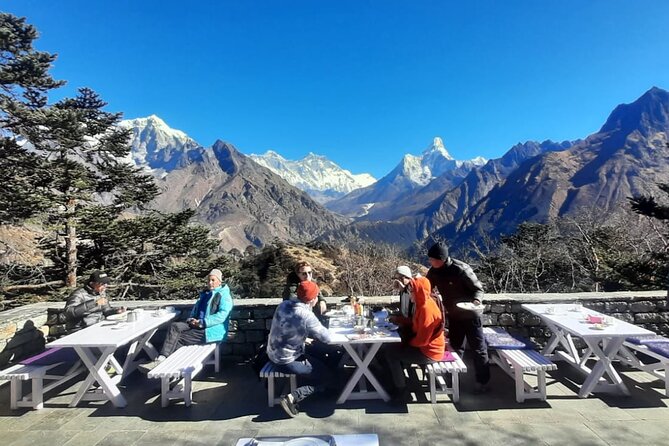
After the high point, day 11 includes Pheriche, with about five hours of walking. The route then returns toward Namche on day 12, losing nearly 2,000 feet in altitude and crossing the Dudh Koshi River.
Going downhill is usually easier on breathing, but it can be harder on knees and tired legs. The trail still has many ups and downs, so do not imagine a simple downhill walk all the way to Lukla.
Day 13 takes you back to Lukla in about four hours. You cross suspension bridges, follow rocky sections, and eventually reach a surfaced path. The warmer air should feel welcome after the high valleys, and this night in Lukla is practical because the return flight is scheduled early on day 14.
Once back in Kathmandu, the afternoon is open for further exploration if time remains. A farewell dinner is also included. The final day provides airport drop-off, with a recommendation to leave for the airport at least three hours before your scheduled flight.
Guides, porters, and group size
The trip includes a government-licensed trekking guide and one porter for every two people. That arrangement gives you support with route finding and baggage, while keeping you responsible for a daypack containing essentials.
The strongest personal praise connected with this trip concerns guide Rajan, described as experienced in the mountains, along with a kind and strong porter. Another account praised the company for staying in contact, arriving on time, and coordinating transfers. Those details are useful because reliability matters as much as scenery on a trek with domestic flights and changing mountain conditions.
The group maximum is 15 people. That is small enough to feel manageable, though not necessarily intimate. Ask before departure how many people are actually booked and how luggage weight is handled. The supplied information confirms porter support but does not state a baggage limit.
What to pack and what to arrange yourself
You are required to bring your own trekking equipment. The exact equipment list is not provided, so ask for one before you go. At minimum, you should clarify requirements for cold-weather clothing, walking shoes, sleeping arrangements, a daypack, and protection from sun and weather.
You also need travel insurance. Because the route reaches Kala Patthar at 5,644 meters and depends on domestic flights, check that your policy covers trekking at the stated altitude and delays caused by weather.
Nepal visa costs are not included. Drinks are also extra apart from one cup of tea per day. Kathmandu heritage-site admission is excluded as well, with $20 per person listed. These are manageable expenses, but they should be part of your budget rather than surprises.
Who should book this 15-day Nepal trip?
I would recommend it to a fit first-time Himalayan trekker who wants a packaged route rather than a fully independent journey. The plan combines four major Kathmandu sites with the main Everest Base Camp trail, so you get both Nepal’s religious culture and its mountain villages.
It also suits you if you value practical support. Flights, permits, meals, hotels, transfers, guide service, and porters are arranged. The maximum group of 15 gives you a reasonable chance of meeting other trekkers without joining a huge expedition.
I would hesitate if you want a relaxed holiday, dislike long uphill walks, or have not prepared for altitude. The trek includes rough glacier paths, steep sections, high passes of effort, and a summit above 5,600 meters. The nonrefundable policy is another reason to check your fitness, insurance, equipment, and schedule carefully before booking.
The displayed rating is 4.7 from three submitted ratings, and the strongest praise focuses on organization, punctual transfers, and helpful mountain staff. That is encouraging, but the small number of ratings means you should still ask direct questions about the current guide, flight plan, porter arrangements, and the Kala Patthar schedule.
Should you book it?
Book this tour if you want the classic Everest Base Camp experience with Kathmandu culture built in and most major costs collected in one price. I especially like the Namche acclimatization day, the support of a licensed guide and porter, and the inclusion of both base camp and Kala Patthar.
Before you commit, confirm the precise day-by-day walking times, the airport used for the Lukla flight, baggage rules, trekking equipment expectations, and how weather delays are handled. If those answers suit you and you are ready for a demanding high-altitude trek, $1,799 can be fair value. If you need flexible cancellation or a slower pace, choose a different plan.
FAQ
How long is the Everest Base Camp and Kathmandu tour?
The tour lasts approximately 15 days.
What is the price per person?
The listed price is $1,799 per person.
Is airport pickup included?
Yes. Airport arrival and departure transfers are included.
Are flights to Lukla included?
Yes. The package includes a return flight from Kathmandu or Ramechhap to Lukla.
What meals are included?
The package includes 13 breakfasts, 11 lunches, and 11 dinners. Drinks are not included except for one cup of tea per day.
Is a guide provided?
Yes. A government-licensed trekking guide is included.
Is porter service included?
Yes. One porter is provided for every two people to carry baggage.
Are trekking equipment and insurance included?
No. You must bring your own trekking equipment, and travel insurance is not included.
Just added around Kathmandu
- Private Shopping Tour in Kathmandu★ 5.0 · 3 reviews
- Nagarkot Sunrise With 7 UNESCO World Heritage Private Tour★ 5.0 · 3 reviews
- Kathmandu: Nightlife and Pub Crawl Tour★ 5.0 · 3 reviews
- Mount Everest Scenic Flight 50 Minutes★ 5.0 · 3 reviews
- Momo Cooking Class -The Art Of Making MoMo with Home Chef★ 5.0 · 3 reviews
- Kathmandu: Nagarkot, Bhaktapur, Doleswor & Sanga Statue Tour★ 5.0 · 3 reviews
- Makalu Base Camp Trek★ 5.0 · 3 reviews
- Everest Experience Trek 6 Day Hiking Adventure★ 5.0 · 3 reviews
Everest Base Camp Treks, compared.






Everest Base Camp Trek with Helicopter Return from Gorakshep to Lukla
Read our review →Browse the lists this tour appears in