
Reviewed · EVEREST BASE CAMP TREKS
Everest Base Camp Trek from Kathmandu 12 Days
Dream views require steady legs. This 12-day Everest Base Camp trek combines Kathmandu support, flights to Lukla, experienced Sherpa-led guiding, and time to adjust to high altitude. I especially like the private format, since only your own group takes part, and the built-in acclimatization days in Namche Bazaar and Dingboche. The route also gives you more than mountain scenery, with monasteries and Sherpa villages along the way.
I also like that the $1,350 price includes the return Kathmandu to Lukla flights, trekking permits, a TIMS card, lodging, guide, airport transfers, and a first aid kit. That is a useful package for a demanding trek. The main concern is the pace: this is a serious high-altitude journey with several long walking days, and the operator requires a strong level of physical fitness.
In This Review
- Key points to know before booking
- What the $1,350 package really covers
- Day 1: Flying from Kathmandu to Lukla, then walking to Phakding
- Day 2: Suspension bridges and the climb to Namche Bazaar
- Day 3: Using Namche Bazaar for acclimatization
- Day 4: Tengboche and its important monastery
- Day 5: From Tengboche through Pangboche to Dingboche
- Day 6: A second acclimatization day in Dingboche
- Day 7: The rocky route to Lobuche
- Day 8: Gorakshep and the walk to Everest Base Camp
- Day 9: Early morning at Kala Patthar, then down to Pheriche
- Days 10 and 11: Retracing the trail through Namche and Lukla
- Day 12: Returning by air to Kathmandu
- Guides, guesthouses, and the private format
- Who should book this Everest trek?
- Booking, cancellation, and useful preparation
- Should you book the 12-day Everest Base Camp Trek?
- FAQ
- How long is the Everest Base Camp Trek from Kathmandu?
- Is transportation from Kathmandu to Lukla included?
- Is the trek private?
- Are trekking permits included?
- What level of fitness is required?
- Are accommodation and a guide included?
- Are personal expenses included?
- What is the cancellation policy?
Key points to know before booking
- Lukla flights are included: The package covers round-trip domestic flights between Kathmandu and Lukla, saving you one of the largest extra costs.
- Two acclimatization days are built in: You stay in Namche Bazaar and Dingboche, with short hikes or local exploration rather than simply resting.
- The main goal arrives on Day 8: You walk from Gorakshep to Everest Base Camp, then return to Gorakshep for the night.
- Kala Patthar adds the best mountain viewpoint: The early morning climb on Day 9 is designed for dramatic views of Everest and nearby peaks.
- Sherpa culture is part of the route: Tengboche Monastery, Namche Bazaar, Pangboche, Dingboche, and other villages give the walk a strong cultural side.
- The trip is private: Only your group participates, and group discounts are listed, though the discount terms are not specified.
What the $1,350 package really covers
At $1,350 per person, this trek offers solid value if you want the major arrangements handled in one booking. You get hotel pickup and drop-off, both Lukla flights, trekking permits, a TIMS card, guesthouse accommodation, an English-speaking trekking guide, and a first aid kit carried by the guide.
Flights matter here. The Lukla route is the practical gateway for this itinerary, and buying the flights separately would add a significant cost. The package also removes the need for you to arrange permits and airport transfers on your own, which is useful when your schedule is tight.
The trip is private, not a large mixed group. That can make a real difference on a difficult route. You can walk at your group’s pace, ask more questions, and discuss how you are feeling with the guide. The listing also mentions group discounts, but it does not give the exact rules or savings, so you should ask for those details before paying.
Personal expenses are not included. The supplied information does not spell out every daily cost, so you should confirm what you will need to pay directly during the trek. The accommodation is described as guesthouse lodging, which points to a practical mountain stay rather than a high-comfort hotel experience.
More Everest Base Camp Treks:
- Everest Base Camp Trek – 14 Days
★ 5.0 · 1,499 reviews - Everest Base Camp Trekking
★ 5.0 · 485 reviews - Everest Base Camp Trekking – 13 Day
★ 5.0 · 365 reviews
Day 1: Flying from Kathmandu to Lukla, then walking to Phakding
The trip begins with a transfer to Kathmandu’s domestic terminal for a scheduled morning flight to Lukla. The flight is listed as about one hour, and the first walking section takes you onward to Phakding in roughly four hours.
This is a sensible opening day. You do not begin with an exhausting march, giving your body time to adjust to the change in routine and altitude. After meeting your guide in Lukla, you start along the trail and reach Phakding for the night.
The practical point is simple: do not treat Day 1 as a warm-up you can rush. The first day sets your pace for the entire route. The guide’s role begins immediately, from airport coordination to keeping the walk controlled. The supplied comments give particular praise to guides Milan and Bikram for organization, care, and calm support.
Day 2: Suspension bridges and the climb to Namche Bazaar
Day 2 is longer, at about six hours, and follows the Dudh Koshi River through pine forest. You cross several suspension bridges before climbing toward Namche Bazaar, the best-known settlement on the route.
This is one of the first days when the trek feels properly Himalayan. The bridges, river corridor, forest, and rising mountain walls create a varied walk instead of a simple uphill slog. Namche is also an important place to pause because the itinerary gives you another day there.
The climb into Namche can feel demanding, especially after the first flight and walking day. You should expect a gradual change in effort rather than a quick arrival. The guide’s experience with the trail is valuable here, particularly when deciding how slowly to walk and when to stop.
Day 3: Using Namche Bazaar for acclimatization
The third day remains in Namche Bazaar, but it is not intended as a day spent motionless in a guesthouse. The plan allows for a day hike to Thame, a visit to Khunde, or time exploring Namche itself.
I like this structure. A rest day that includes gentle movement gives you a chance to adjust while still seeing more of the area. You can use the time to learn about the Sherpa communities, take in the views, and prepare for the higher sections ahead.
The exact activity is flexible, which is helpful in a private trip. You can discuss the options with your guide and choose the outing that fits your group’s condition. Do not mistake this for a free sightseeing day with no physical demands. It is part of the trek’s altitude plan, and the itinerary lists about five hours of activity.
More Treks and Hikes:
- Nagarkot Sunrise View and Day Hiking from Kathmandu
★ 5.0 · 471 reviews - Annapurna Circuit Trek with Tilicho Lake
★ 5.0 · 368 reviews - Everest Base Camp Trek -14 Days
★ 5.0 · 321 reviews - Annapurna base camp trek 5 Days
★ 5.0 · 252 reviews
Day 4: Tengboche and its important monastery
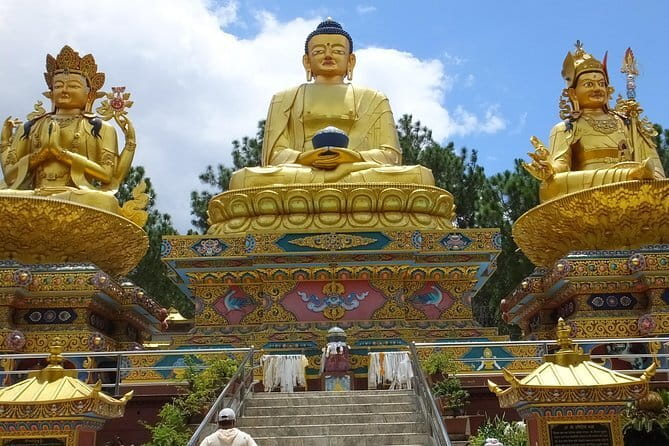
The walk to Tengboche takes about six hours. The trail is described as dusty and winding, with some climbs and descents but no constant steep ascent. The reward is the broad mountain view from Tengboche Monastery.
This stop gives the trek one of its strongest cultural moments. The monastery is not just a scenic photo stop. It helps you understand that the route passes through a living Buddhist region, not an empty corridor of peaks.
The road to Tengboche may test your patience more than your strength. Dust and winding trail sections are part of the day, and the scenery changes as you gain height. Bring patience, protect your camera from dust, and leave room in your schedule for the monastery and views.
Day 5: From Tengboche through Pangboche to Dingboche
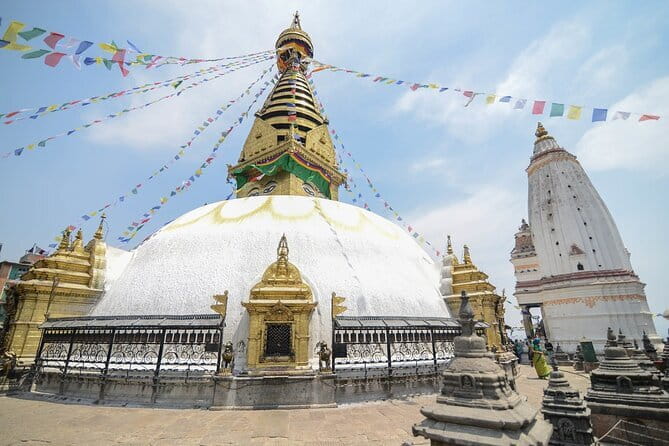
Day 5 is one of the longer sections, listed at about seven hours. It begins with a visit to the area’s oldest Buddhist monastery, then continues through alpine woods toward Upper Pangboche, Shomare, Orsho, and Dingboche.
Pangboche is a substantial Sherpa settlement, and this part of the route offers a closer look at village life in the Khumbu region. You are not simply moving from one scenic point to another. You are passing through places where local communities live and work along the trail.
By Dingboche, the altitude and walking time begin to matter more. The day combines cultural stops with a long route, so your fitness level becomes important. The guide’s support is especially useful when deciding how to manage breaks and how much energy to save for the following days.
Day 6: A second acclimatization day in Dingboche
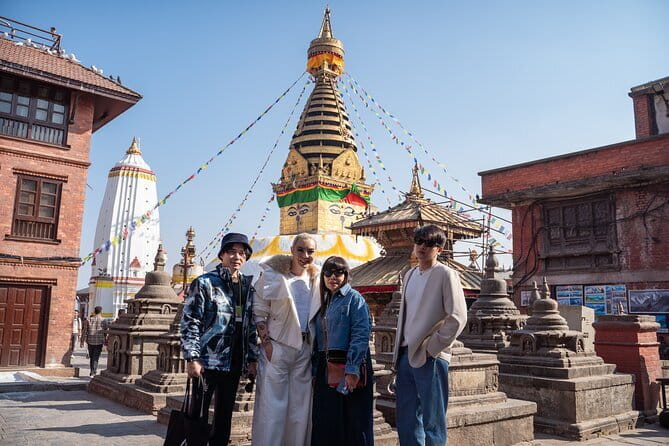
Dingboche receives its own acclimatization day, with around five hours of possible activity. You might explore Dingboche and nearby villages or take a short hike for mountain views.
This is one of the best design choices in the itinerary. The final approach to Everest Base Camp is not a place to discover that you have been walking too fast. A second adjustment day gives you time to see how your body is responding before the route reaches its highest and most demanding sections.
The plan is flexible rather than overly programmed. You can use the day to walk, look around, and rest as needed. Since the tour requires strong physical fitness, you should arrive prepared for repeated days of walking, not just one memorable climb.
Day 7: The rocky route to Lobuche
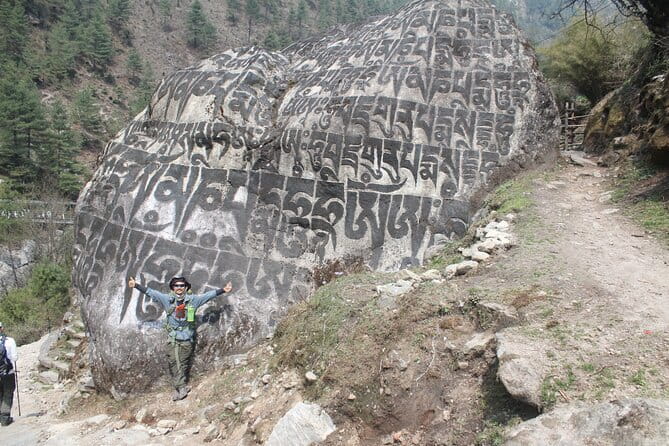
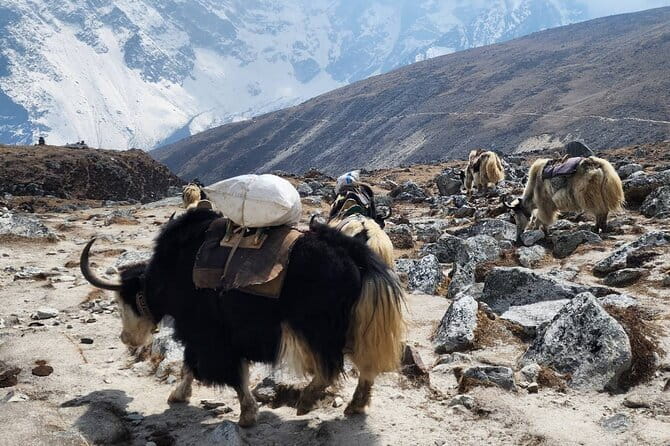
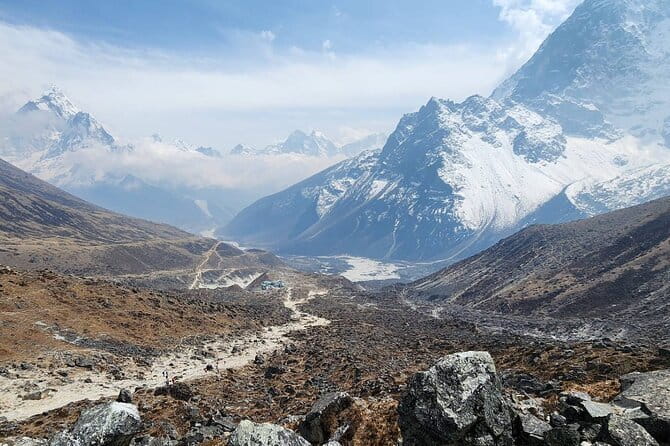
The trail leaves Dingboche and follows the Khumbu Khola valley toward Duglha and Lobuche. The walk takes about seven hours and becomes rougher, with large boulders, a narrowing valley, and mountain yaks sharing the route.
This is a day when the trek’s physical character changes. Earlier sections include forests, bridges, and villages. Here, the route feels more exposed and stony, and the distance can seem longer because the scenery is more severe.
The mention of yaks is not a small detail. They are part of the working life of this mountain route, carrying supplies toward the higher settlements. Give them room on the trail and follow your guide’s instructions. At this point, strong boots, controlled steps, and a sensible pace matter more than speed.
Day 8: Gorakshep and the walk to Everest Base Camp
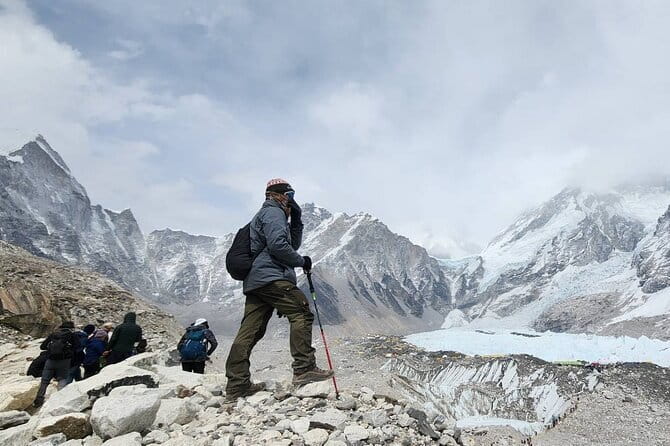
Day 8 is divided into three stages. You walk from Lobuche to Gorakshep in about three hours, follow the side of the Khumbu Glacier, and pass the pyramid signpost before reaching a viewpoint near Thangma Riju. From Gorakshep, the walk to Everest Base Camp takes about two hours, followed by about two hours back to Gorakshep.
This is the emotional center of the trip. Everest Base Camp is the destination you have been working toward since Lukla, and the route delivers the close-up experience of the Khumbu Glacier, rocky high country, and enormous surrounding peaks.
Keep expectations realistic. Base Camp is a major mountaineering waypoint, but the clearest views of Everest are associated with the surrounding viewpoints and route rather than one single base camp photo. The experience is still rewarding because you reach the famous starting point for Everest expeditions and spend time among the region’s great mountains.
You return to Gorakshep the same day and sleep there. That makes Day 8 a long, demanding outing even though the first section to Gorakshep is relatively short. Save energy, follow the guide’s pace, and do not rush the final approach simply because the destination is close.
Day 9: Early morning at Kala Patthar, then down to Pheriche
The itinerary begins early for the climb to Kala Patthar, listed at about three hours. This viewpoint is considered one of the finest on the Everest Base Camp route, offering dramatic views of Everest and nearby peaks. Afterward, you descend to Gorakshep, rest, and continue down to Pheriche in about four hours.
For many people, Kala Patthar is the visual high point of the trek. The listed mountain views include Everest at 8,848 meters, Lhotse at 8,516 meters, Nuptse at 7,861 meters, and Makalu at 8,485 meters. Clear conditions are never guaranteed, but the early start is meant to give you the best chance at memorable morning scenery.
The descent is welcome, but it is not effortless. After Base Camp and Kala Patthar, your legs may feel tired, and the rocky ground still demands attention. Pheriche gives you a lower overnight stop and begins the return phase of the journey.
Days 10 and 11: Retracing the trail through Namche and Lukla
Day 10 takes about six hours and follows the route back through Pheriche, Orsho, the Dughla area, and the broad Khumbu Khola valley before reaching Namche Bazaar. You see familiar places from a different direction, with the downhill route changing how the river valleys and villages feel.
Day 11 is split between Namche to Phakding, about three hours, and Phakding to Lukla, another three hours. The trail descends steeply in places, and the itinerary specifically warns that tired legs must handle rocky ground carefully.
This is a good reminder that the return is not just a quick walk back. Descending can be hard on your knees and balance, especially after many days on the trail. The final approach to Lukla passes through pine and rhododendron forest before the overnight stay.
The guides and porters receive strong praise in the supplied comments. Milan is described as caring and experienced, while Bikram is praised for organization, safety, encouragement, and handling teahouse arrangements. Those qualities matter most on long return days, when a little patience and practical help go a long way.
Day 12: Returning by air to Kathmandu
The final day begins with the flight from Lukla to Kathmandu, listed at about 35 minutes in the itinerary. After arriving at Tribhuvan International Airport, you are transferred to Thamel.
The flight is short, but it closes a long mountain journey. One useful detail from the comments is that flights were on time during one trip, though you should not treat that as a guarantee for every departure. The itinerary depends on domestic air travel, so keep your final day reasonably flexible if your onward plans are important.
Guides, guesthouses, and the private format
The operator provides an English-speaking guide, and most guides are described as Sherpas with strong familiarity with the route, local culture, history, and wildlife. The individual names receiving the warmest praise are Milan, Bikram, Bishnu, and Sagar, with Sagar also noted for organizing arrangements.
The comments repeatedly point to three practical strengths: careful organization, personal attention, and safety. One account specifically praises the handling of tea house stays and acclimatization planning. Another describes the accommodation as basic but suitable, which is the right expectation for guesthouse lodging on a high mountain route.
A private trip can be a good fit if you want flexibility or prefer not to adjust your pace to strangers. It may be less appealing if you enjoy meeting a larger group every day. Since only your own group participates, ask how the group size affects the price and how the listed group discount works.
Who should book this Everest trek?
I would consider this trip best suited to someone who wants a structured route to Base Camp without arranging flights, permits, lodging, transfers, and a guide separately. It also suits people who value Sherpa culture and monastery visits as much as famous mountain views.
You need strong physical fitness. The itinerary includes several six- and seven-hour walking days, rough ground, steep descents, and high-altitude stops. If you want a relaxed sightseeing holiday, this is the wrong choice. If you are ready for a demanding trek with a clear plan and built-in acclimatization, it offers a practical route to one of Nepal’s most famous destinations.
You should also be comfortable with basic guesthouse accommodation and personal expenses not being included. Ask the operator for a current list of exclusions before booking, especially if you prefer to plan every daily cost in advance.
Booking, cancellation, and useful preparation
Confirmation is provided when you book, and the operator needs your passport details plus a photo, with a selfie accepted, to issue the trekking permit. That requirement is ordinary for the permit process, but have the information ready so preparations do not slow down.
You can cancel for a full refund up to three full days before the experience begins. Cancellations or changes made less than three full days before the start time are not accepted for a refund, and the cutoff follows local time.
The most useful preparation is physical rather than technical. Train for repeated walking days, include uphill and downhill practice, and arrive ready to follow a steady pace. Your guide can explain the route and help with planning, but you still need to manage your own effort.
Should you book the 12-day Everest Base Camp Trek?
I would book this trek if you want a private, organized route with flights and permits included, and if your main goals are Everest scenery, Sherpa villages, monasteries, and reaching Base Camp. The $1,350 price looks reasonable for the listed inclusions, especially the return Lukla flights and guide service.
I would pause before booking if you are unsure about your fitness, dislike basic lodging, or need a highly flexible final travel day. For the right person, the combination of Kala Patthar, Everest Base Camp, Namche, Tengboche, Dingboche, and experienced guides such as Milan or Bikram makes this a strong value-focused Himalayan trek.
FAQ
How long is the Everest Base Camp Trek from Kathmandu?
The experience lasts approximately 12 days, including flights between Kathmandu and Lukla, the trek to Everest Base Camp, and the return journey.
Is transportation from Kathmandu to Lukla included?
Yes. The package includes round-trip flight tickets between Kathmandu and Lukla, along with hotel pickup and drop-off.
Is the trek private?
Yes. Only your group participates in the activity.
Are trekking permits included?
Yes. The package includes a trekking permit and a TIMS card.
What level of fitness is required?
The operator states that you should have a strong physical fitness level. The itinerary includes multiple walking days of six or seven hours, rocky sections, steep descents, and high-altitude trekking.
Are accommodation and a guide included?
Yes. Guesthouse accommodation and an English-speaking trekking guide are included. A first aid kit is also carried by the guide.
Are personal expenses included?
No. Personal expenses are not included in the price.
What is the cancellation policy?
You can receive a full refund if you cancel at least three full days before the experience start time. Cancellations or changes made less than three full days before the start time are not accepted.
Just added around Kathmandu
- Private Shopping Tour in Kathmandu★ 5.0 · 3 reviews
- Nagarkot Sunrise With 7 UNESCO World Heritage Private Tour★ 5.0 · 3 reviews
- Kathmandu: Nightlife and Pub Crawl Tour★ 5.0 · 3 reviews
- Mount Everest Scenic Flight 50 Minutes★ 5.0 · 3 reviews
- Kathmandu: Nagarkot, Bhaktapur, Doleswor & Sanga Statue Tour★ 5.0 · 3 reviews
- Momo Cooking Class -The Art Of Making MoMo with Home Chef★ 5.0 · 3 reviews
- Makalu Base Camp Trek★ 5.0 · 3 reviews
- Everest Experience Trek 6 Day Hiking Adventure★ 5.0 · 3 reviews
Everest Base Camp Treks, compared.






Everest Base Camp Trek with Helicopter Return from Gorakshep to Lukla
Read our review →Browse the lists this tour appears in