
Reviewed · EVEREST BASE CAMP TREKS
Everest Base Camp Trek with Helicopter Flight Back
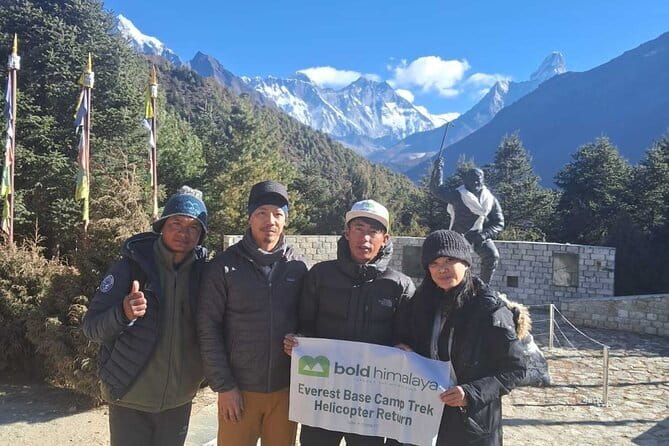
The best shortcut comes after the hardest miles. This 10-day Everest Base Camp trek gives you the full approach on foot, then replaces the long return walk with a scenic helicopter flight to Kathmandu. I especially like the acclimatization day in Dingboche and the early hike to Kala Patthar, two smart features for handling high altitude and big mountain views.
I also like the practical support: airport pickup, an experienced guide, park fees, meals, sleeping bag, down jacket, poles, and a duffle bag are included. The main catch is important: the helicopter flight from Gorak Shep to Kathmandu costs extra, so the listed $446.50 price is not the final trip cost.
In This Review
- Key points at a glance
- Why the helicopter return changes the Everest Base Camp trek
- Day 1 in Kathmandu: a useful soft landing
- Day 2: Lukla to Phakding and the first walking hours
- Day 3: suspension bridges and the climb to Namche Bazaar
- Day 4: Namche rest day and Everest View Hotel
- Day 5: Tyangboche, mountain views, and a famous monastery
- Day 6: Pangboche, Somare, and Dingboche
- Day 7: Dingboche acclimatization and Nagarjun Peak
- Day 8: Thukla Pass and the memorials at Lobuche
- Day 9: Everest Base Camp and a night at Gorak Shep
- Day 10: Kala Patthar at sunrise, then the flight south
- What the $446.50 price really covers
- Care and flexibility from Bold Himalaya
- Who should book this trek
- Should you book it?
- FAQ
- How long is the Everest Base Camp trek with helicopter return?
- Is the helicopter flight included in the $446.50 price?
- Where does the experience begin?
- Is the domestic flight to Lukla included?
- Is this a private tour?
- What level of fitness is needed?
- Are meals included?
- What happens if bad weather prevents the trip or helicopter flight?
Key points at a glance
- Walk up, fly back: You get the classic route to Everest Base Camp without trekking all the way down again.
- Two high-view highlights: Kala Patthar reaches 5,550 meters, while Everest View Hotel offers a gentler panorama from Namche Bazaar.
- Useful altitude break: A full preparation day in Dingboche includes a possible hike to Nagarjun Peak.
- Small private format: Only your own group takes part, rather than joining a large shared departure.
- Strong practical inclusions: Park fees, TIMS, meals, guide costs, a sleeping bag, down jacket, poles, and airport transfers are covered.
- A well-liked support team: Guide Surendra, porter Doma Ghale, and manager Sobit are praised for care, attention, and safety.
Why the helicopter return changes the Everest Base Camp trek
The usual Everest Base Camp route requires you to walk back down the same valley after reaching the goal. That return takes several more days and can feel tough on tired knees. Here, you still complete the demanding climb toward Base Camp, but you leave the high country by helicopter after visiting Kala Patthar.
That makes the trip appealing if you have enough time for the approach but do not want a two-week walking holiday. It also gives you a second way to see the Khumbu region. On the way up, you notice the trail, villages, bridges, monasteries, and changing vegetation at walking pace. On the return, weather permitting, you get a high view of the route you have just covered.
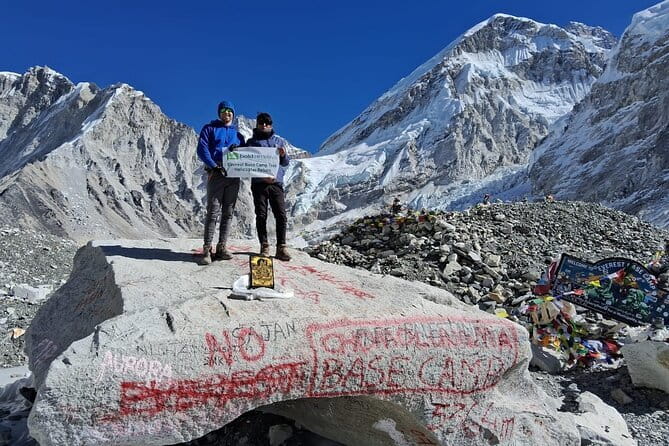
The saving in time does not make the trek easy. You still reach Gorak Shep at about 5,170 meters and Everest Base Camp at 5,364 meters. Kala Patthar rises to about 5,550 meters, higher than Base Camp and often the most demanding part of the trip. You need a moderate level of fitness and a sensible attitude toward altitude.
The helicopter is also not included in the advertised price. That is the first question I would ask Bold Himalaya before paying: what is the current Gorak Shep to Kathmandu helicopter charge, and can weather or flight availability change the plan? The tour requires good weather, and a poor forecast can lead to a new date or a full refund.
More Everest Base Camp Treks:
- Everest Base Camp Trek – 14 Days
★ 5.0 · 1,499 reviews - Everest Base Camp Trekking
★ 5.0 · 485 reviews - Everest Base Camp Trekking – 13 Day
★ 5.0 · 365 reviews
Day 1 in Kathmandu: a useful soft landing
Your trip begins with pickup at Tribhuvan Airport in Kathmandu and transfer to a hotel. You get one night at Hotel Thrive or a similar property, with breakfast included.
The evening briefing matters more than it may sound. This is when you can go over the walking schedule, gear, flight arrangements, and altitude concerns with your guide. You also have time to prepare before leaving for the mountains.
The package includes a cultural show and dinner program in Kathmandu. That gives you a pleasant introduction to Nepal before the physical work begins, though you should treat this evening as preparation time rather than a late night out. You will want sleep before the early mountain flight.
Day 2: Lukla to Phakding and the first walking hours
The route starts with a domestic flight from Kathmandu to Lukla, or from Ramechhap to Lukla when flight operations require it. The flight itself offers Himalayan views and lands at Lukla Airport, the gateway for this trek.
From Lukla, you walk downhill through alpine forest to Phakding. The walking time is listed at about four hours, making this a relatively gentle opening day. That is helpful because your body is adjusting to both the trail and the altitude.
The first day also shows why you should not judge the entire trek by the opening miles. You begin among forest and river scenery, but the route soon becomes higher, colder, and more demanding. Your guide’s job is not just to lead the way. It is to help set a pace you can maintain for the next week.
Day 3: suspension bridges and the climb to Namche Bazaar
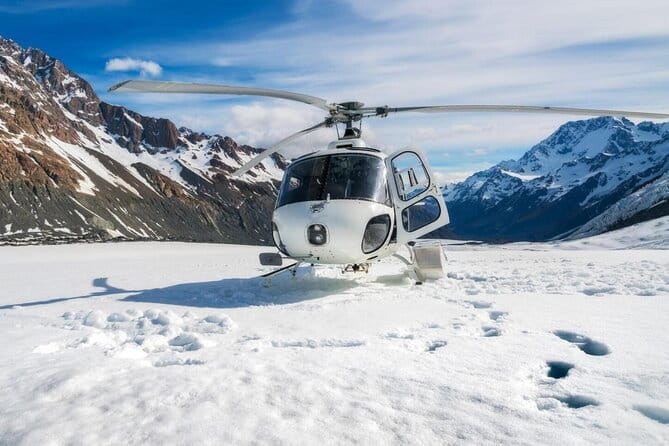
The walk from Phakding to Namche Bazaar takes about six hours. You cross the Dudh Koshi River on suspension bridges and pass through Sherpa villages, with forest and mountain views along the way.
Namche is one of the key stops because the route begins gaining serious altitude here. The town is also a practical place to rest, check supplies, and adjust to the mountain environment. You are no longer simply walking through a river valley. You are entering the high Khumbu.
The bridges are a memorable part of the day, but they may test your nerves if you dislike height or movement underfoot. Take your time, keep your hands free, and follow your guide’s pace. The trail is not a race, and arriving exhausted in Namche helps nobody.
More Helicopter Trips:
- Everest Base Camp Helicopter Tour landing at Everest View Hotel
★ 5.0 · 668 reviews - Everest Base Camp Helicopter Tour landing at Hotel Everest View
★ 5.0 · 218 reviews - Everest Base Camp Trek with Helicopter Return from Gorakshep to Lukla
★ 5.0 · 161 reviews - Everest Base Camp helicopter tour with landing
★ 5.0 · 61 reviews
Day 4: Namche rest day and Everest View Hotel
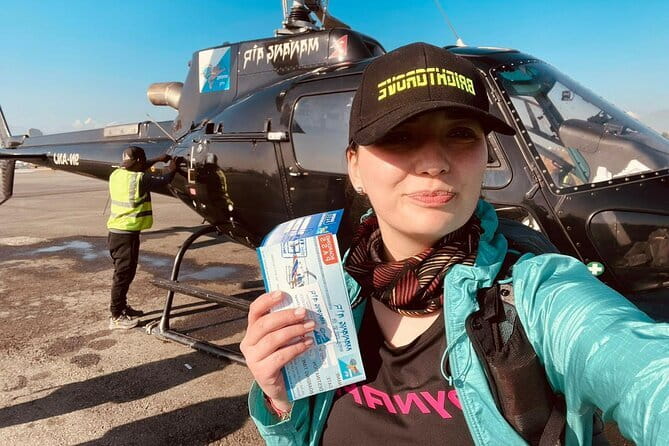
The schedule allows about five hours for exploring Namche and hiking to Everest View Hotel. This is an excellent use of an acclimatization day because you gain altitude during the day, then return to sleep lower in Namche.
You can visit the Sherpa Museum, learn about local culture and mountaineering history, and walk through town. The hike to Everest View Hotel gives you a broad mountain panorama, including Everest and surrounding peaks, without forcing you to carry your overnight pack to a new lodge.
I like this day because it balances scenery with recovery. You are active, but not pushing toward a distant overnight stop. If you feel unwell, the plan also gives you room to rest instead of treating every listed activity as compulsory.
Day 5: Tyangboche, mountain views, and a famous monastery
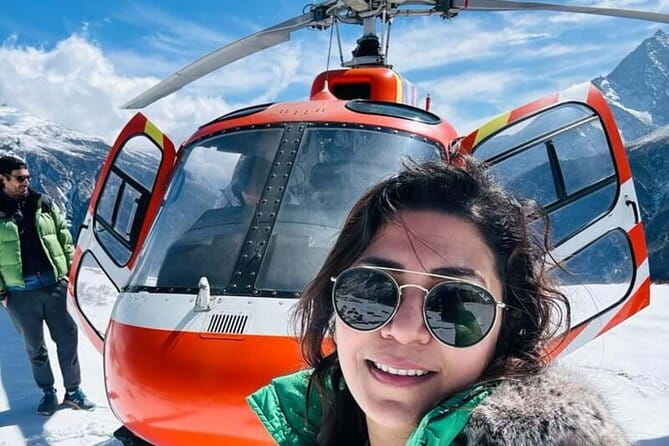
The route continues to Tyangboche, with about six hours of walking. You stop for lunch at Phungi Thanga before continuing uphill toward the village and monastery.
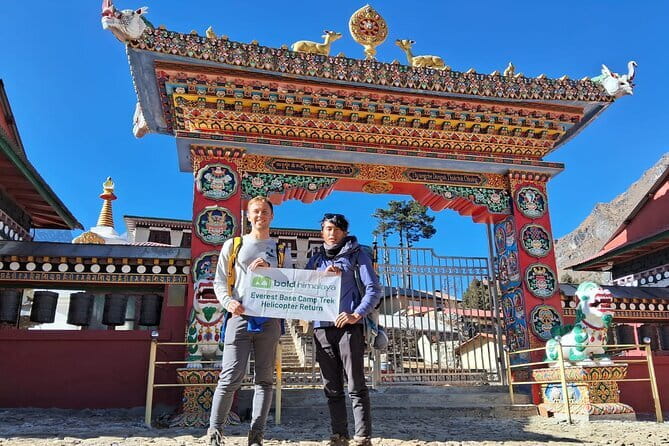
This section is known for its views of Everest, Lhotse, and the surrounding peaks. Tyangboche Monastery adds a cultural reason to pause, not just another overnight bed. The mix of mountain scenery and Sherpa Buddhist tradition is one of the strongest parts of the route.
The day includes a climb after lunch, so you should not expect a relaxed afternoon stroll. Your reward is the setting around Tyangboche and the chance to visit the renowned monastery. Your guide can help you understand how to behave respectfully at the site.
Day 6: Pangboche, Somare, and Dingboche
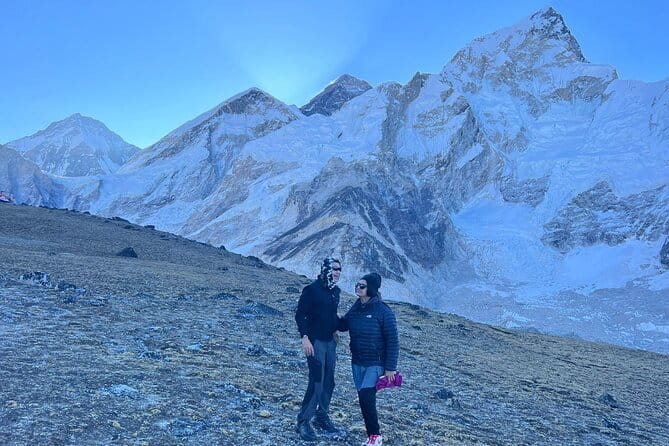
You cross a suspension bridge over the Imja Khola and continue through rhododendron forest and villages including Pangboche and Somare. The walking time is about six hours before reaching Dingboche.
Dingboche marks another clear change in the route. The air is thinner, the vegetation becomes less dense, and the surrounding peaks feel closer and more severe. The walk through the villages helps break up the long day and gives you a look at how settlements continue at high altitude.
This is a day to pay attention to your body. Headache, unusual fatigue, nausea, or trouble sleeping should be reported to your guide. The schedule includes another day in Dingboche, which is valuable precisely because rushing higher can turn a memorable trek into a medical problem.
Day 7: Dingboche acclimatization and Nagarjun Peak
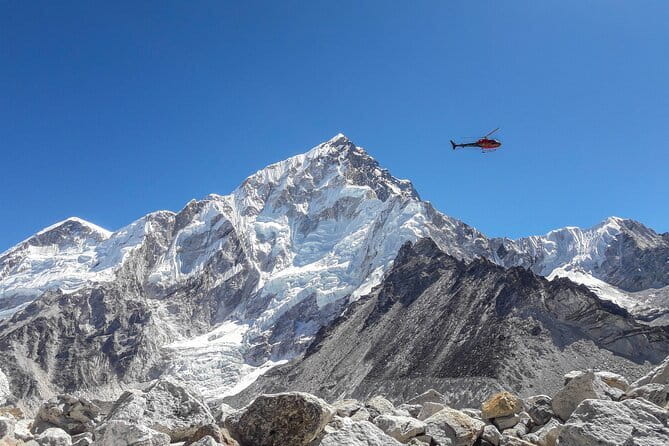
You spend a second night in Dingboche and use the day to explore the valley and hike toward Nagarjun Peak. The walk is listed at about five hours, with the climb intended to help your body adjust to higher altitude.
The views from the higher ground are described as 360-degree mountain scenery. Even if you do not feel strong enough to push to the highest point, the day still serves its main purpose: you walk high and sleep at the same elevation rather than gaining altitude too quickly.
I consider this one of the most important parts of the schedule. The helicopter return saves time at the end, but there is no shortcut around acclimatization on the way up. The Dingboche rest day gives you a better chance of reaching Base Camp safely and enjoying the experience rather than merely enduring it.
Day 8: Thukla Pass and the memorials at Lobuche
The trek to Lobuche takes roughly six hours and finishes at about 4,940 meters. You pass through Thukla Pass, where memorials honor climbers who died on Everest and other Himalayan peaks.
This is a serious and moving section of the trail. The memorials give the mountain a human scale. Everest is not just a dramatic backdrop for photographs. It is a difficult and dangerous place, and the memorial stones make that clear.
The final approach to Lobuche brings you close to glaciers and high mountain terrain. Accommodation at this altitude is likely to feel basic, and your sleep may be less comfortable than in Kathmandu or lower villages. The support package includes your guide’s accommodation and meals, but it does not promise luxury in the high lodges.
Day 9: Everest Base Camp and a night at Gorak Shep
You walk to Gorak Shep, around 5,170 meters, and leave your gear before continuing to Everest Base Camp. The full day takes about seven hours, including the return to Gorak Shep.
Base Camp itself is the emotional goal, but the route there is not a simple walk to a viewpoint. At this height, the trail can feel slow and tiring. The Khumbu Icefall provides the main visual drama, with a reminder that the climbing route above is far more serious than a trekking path.
You return to Gorak Shep for the night. Leaving your heavier gear behind for the Base Camp section is a sensible detail, but you still need warm clothing, water, and whatever personal essentials your guide recommends. The included sleeping bag and down jacket can be especially useful here, since temperatures and comfort at altitude are very different from Kathmandu.
Day 10: Kala Patthar at sunrise, then the flight south
The final morning begins before sunrise with a hike to Kala Patthar. At approximately 5,550 meters, it is higher than Everest Base Camp and gives panoramic views across the Himalayan peaks.
This early start is demanding, but the timing is the point. Sunrise can bring changing light across Everest and the surrounding mountains. I would treat Kala Patthar as a separate achievement, not merely an optional add-on after Base Camp.
You return to Gorak Shep and board a helicopter to Kathmandu, followed by transfer to your hotel or the appropriate drop-off point. The listed activity time is about three hours, but weather and flight conditions matter. Since the helicopter fee is excluded, confirm the price before departure and ask what happens if the flight cannot operate that day.
What the $446.50 price really covers
At $446.50 per person, the package has good value for the services included, but you must add the helicopter cost and other personal expenses. The price covers an experienced trekking guide, including salary, insurance, food, and accommodation, along with private transportation.
It also includes the Kathmandu to Lukla domestic flight, or the Ramechhap to Lukla flight when applicable. National park entry, the Pasang Lhamu Rural Municipality entrance fee, and TIMS are covered, so you are not left paying several major permit costs separately.
Food is included for most of the trek: nine breakfasts, eight lunches, and eight dinners. You also receive seasonal fruit and dry nuts, plus a sleeping bag, down jacket, trekking poles, duffle bag, cap, and trip certificate. Those gear inclusions can save a fair amount, especially if you do not already own cold-weather trekking equipment.
The weak point is the porters. Porter service is not included, and tips for the crew are also separate. Dessert, bar bills, international flights, and travel insurance are excluded. I would budget for all of these before deciding that $446.50 is the full cost.
Care and flexibility from Bold Himalaya
The strongest personal praise connected to this trip is directed at the support team. Guide Surendra and porter Doma Ghale are specifically praised for keeping a couple safe and staying committed to finishing the trek. That is the kind of help you want when the route becomes tiring and altitude affects judgment.
Manager Sobit is also praised for attentive communication from the first inquiry onward. Good planning support matters on a trek involving domestic flights, high-altitude lodging, gear, weather, and a helicopter. The more clearly the company answers your questions before departure, the fewer surprises you face later.
One account also describes changes caused by unexpected conditions, including the remnants of a cyclone, while still praising the Kathmandu hotel and mountain lodges for hot water and comfort. This is useful context: the company may adjust plans when weather or operations demand it, and flexibility is part of mountain travel.
The trip is private, so only your group takes part. That gives you more control over pace and decisions than a large shared departure, though the advertised group-discount feature may be worth asking about if you are booking with friends or family.
Who should book this trek
I would recommend it to a fit first-time Everest Base Camp trekker who wants the classic walking approach but has limited time for the return journey. It also suits you if the idea of ending with a helicopter flight feels like a worthwhile comfort and a memorable final view.
You should be ready for long walking days of up to seven hours, sleeping at extreme altitude, cold conditions, and a demanding Kala Patthar morning. Moderate fitness is required, and travel insurance is your responsibility.
I would not book it without clarifying the helicopter charge, porter arrangements, flight departure point, and what happens if weather delays the return. The cancellation terms are friendly: you can receive a full refund by canceling at least 24 hours before the start, and a weather cancellation offers a new date or full refund. Last-minute changes are not accepted.
Should you book it?
Book this trek if you want Everest Base Camp on foot, a proper Dingboche acclimatization day, strong guide support, and a shorter return from the high mountains. The route includes the essential sights, from Namche and Tyangboche to Base Camp and Kala Patthar, while the included gear and meals reduce planning work.
Think twice if your budget cannot absorb the helicopter fee, porter costs, tips, insurance, and personal spending. Once those extras are clear, this looks like a practical private trek with a smart time-saving finish, not a cheap all-inclusive holiday.
FAQ
How long is the Everest Base Camp trek with helicopter return?
The trip lasts approximately 10 days, beginning with arrival and a Kathmandu briefing and ending with the Kala Patthar hike and helicopter flight back to Kathmandu.
Is the helicopter flight included in the $446.50 price?
No. The helicopter flight from Gorak Shep to Kathmandu is specifically excluded and must be paid for separately.
Where does the experience begin?
The experience begins with pickup at Tribhuvan Airport in Kathmandu, Nepal.
Is the domestic flight to Lukla included?
Yes. The package includes the domestic flight according to the route, either Kathmandu to Lukla or Ramechhap to Lukla.
Is this a private tour?
Yes. Only your own group participates in the activity.
What level of fitness is needed?
A moderate level of physical fitness is required. The route includes walking days of about four to seven hours and reaches elevations above 5,500 meters at Kala Patthar.
Are meals included?
Yes. The package includes nine breakfasts, eight lunches, and eight dinners, along with some seasonal fruit and dry nuts during the trek.
What happens if bad weather prevents the trip or helicopter flight?
This experience requires good weather. If the experience is canceled because of poor weather, you are offered a different date or a full refund.
More Treks and Hikes
- Nagarkot Sunrise View and Day Hiking from Kathmandu
★ 5.0 · 471 reviews - Annapurna Circuit Trek with Tilicho Lake
★ 5.0 · 368 reviews - Everest Base Camp Trek -14 Days
★ 5.0 · 321 reviews - Annapurna base camp trek 5 Days
★ 5.0 · 252 reviews
Just added around Kathmandu
- Private Shopping Tour in Kathmandu★ 5.0 · 3 reviews
- Nagarkot Sunrise With 7 UNESCO World Heritage Private Tour★ 5.0 · 3 reviews
- Kathmandu: Nightlife and Pub Crawl Tour★ 5.0 · 3 reviews
- Mount Everest Scenic Flight 50 Minutes★ 5.0 · 3 reviews
- Momo Cooking Class -The Art Of Making MoMo with Home Chef★ 5.0 · 3 reviews
- Kathmandu: Nagarkot, Bhaktapur, Doleswor & Sanga Statue Tour★ 5.0 · 3 reviews
- Makalu Base Camp Trek★ 5.0 · 3 reviews
- Everest Experience Trek 6 Day Hiking Adventure★ 5.0 · 3 reviews
Everest Base Camp Treks, compared.






Everest Base Camp Trek with Helicopter Return from Gorakshep to Lukla
Read our review →Browse the lists this tour appears in