
Reviewed · EVEREST BASE CAMP TREKS
Everest Base Camp Trek with Helicopter Return – 10 Days
The helicopter ride changes the whole trek. This 10-day Everest Base Camp trip gives you the classic approach through Sherpa villages, then replaces the long return walk with a flight from the high Khumbu back toward Kathmandu. I like the small group limit of 15 and the fact that meals, lodges, permits, porters, flights, and airport transfers are arranged together. I also like the careful support described by past customers, including guides named Dipak, Ram, and Ramesh Sapkota.
The main catch is the schedule. You reach Everest Base Camp in eight trekking days and then climb Kala Patthar before flying out, so this is a demanding high-altitude trek, not a gentle mountain holiday. You need moderate physical fitness, patience with changing flight conditions, and enough energy for several long walking days.
In This Review
- Key points at a glance
- Why the helicopter return matters
- Day 1: A soft landing in Kathmandu
- Day 2: Lukla to Phakding, the trail begins
- Day 3: The long climb to Namche Bazaar
- Day 4: Namche acclimatization and Everest View Hotel
- Day 5: Monasteries and the trail to Tengboche
- Day 6: Pangboche and the Imja Valley
- Day 7: Toward Lobuche and the Khumbu Glacier
- Day 8: Everest Base Camp and Gorakshep
- Day 9: Kala Patthar and the flight back
- Day 10: Airport transfer and departure
- What the $3,400 price includes
- Guides, porters, and group size
- Who should book this trek?
- Should you book the Everest Base Camp helicopter return?
- FAQ
- How long is the Everest Base Camp trek with helicopter return?
- What time does the experience start?
- How large can the group be?
- Is airport pickup included?
- Is the flight to Lukla included?
- Is the helicopter flight back to Kathmandu included?
- Are meals included?
- What trekking equipment is provided?
- What happens if bad weather cancels the experience?
Key points at a glance
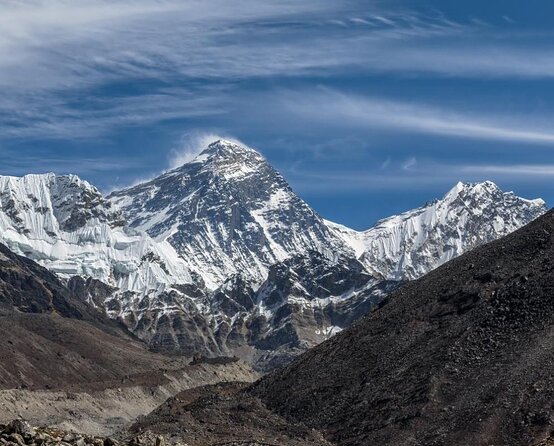
- Four major Himalayan peaks: The route is promoted around views of Everest, Lhotse, Makalu, and Cho Oyu.
- Helicopter return: After Kala Patthar, you avoid retracing the trail all the way to Lukla.
- Tea house lodging: Overnight stays are in guest houses and lodges along the route, with breakfast, lunch, and dinner included during the trek.
- Acclimatization stops: Namche Bazaar includes a rest day and Everest View Hotel hike, while Dingboche is used as another altitude stop.
- Practical gear package: A duffle bag, down jacket, sleeping bag, walking pole, map, and achievement certificate are supplied.
- Small group format: The maximum group size is 15, with one porter assigned for every two trekkers.
Why the helicopter return matters
The standard Everest Base Camp route is an out-and-back journey. You walk up from Lukla, reach Base Camp, and then cover much of the same ground on the way down. This program removes that return section.
That is a major advantage if you have limited holiday time or simply do not want to repeat the same trail. You still get the approach through Phakding, Namche Bazaar, Tengboche, Dingboche, Lobuche, Gorakshep, and Everest Base Camp. Then, after the Kala Patthar viewpoint, you return by shared helicopter toward Kathmandu.
The ride is also more than a transport trick. From the air, you get a very different look at the valleys, ridgelines, glaciers, and villages you passed on foot. Keep in mind that the helicopter depends on suitable weather. If poor weather prevents the flight, a different date or a full refund is offered if the experience is canceled.
There is one detail to clarify before departure. The day-by-day plan describes the helicopter return after Kala Patthar, while the included transport is described as a group-sharing flight from Gorakshep to Kathmandu. Ask the operator exactly where the helicopter will collect you and how the short transfer from Kala Patthar is handled.
More Everest Base Camp Treks:
- Everest Base Camp Trek – 14 Days
★ 5.0 · 1,499 reviews - Everest Base Camp Trekking
★ 5.0 · 485 reviews - Everest Base Camp Trekking – 13 Day
★ 5.0 · 365 reviews
Day 1: A soft landing in Kathmandu
Your trip begins with airport pickup and a private transfer to your Kathmandu hotel. The rest of the day is open for rest or a first look at the capital.
That free time matters. The next morning begins early, and Lukla flights often set the rhythm for the entire route. Use this first day to settle in, organize your gear, and confirm the meeting time of 6:15 am.
Accommodation in Kathmandu includes breakfast. Lunch and dinner in the capital are not included, so budget separately for those meals. Nepal’s entry visa fee is also your responsibility, and the instructions advise bringing accurate US dollar cash and two passport photographs for faster processing.
Day 2: Lukla to Phakding, the trail begins
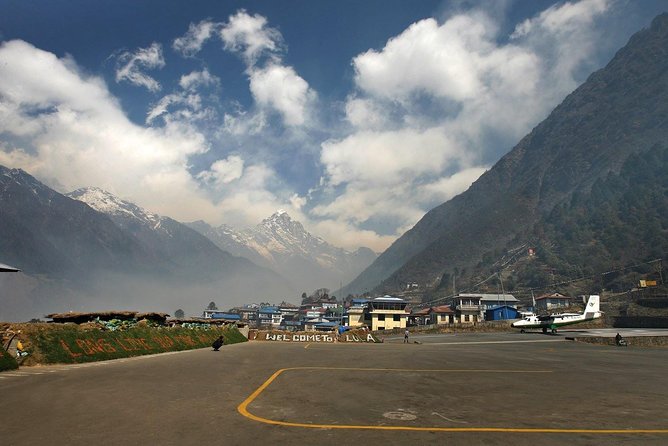
The morning starts with a drive to the domestic airport and a flight to Lukla. At Lukla, you meet the trekking crew and begin walking toward Phakding.
Lukla is the gateway to the Everest region, and this first walking section introduces the pattern of the route: green hills, mountain views, small settlements, and the Dudh Koshi river system. Kusum Kanguru is one of the named mountain views along the way.
This is not yet the high, stark Khumbu you may picture from photographs. The lower route has more plant life and a softer feel. That makes Phakding a useful first night, since your body begins adjusting to the walking routine before the serious altitude gains arrive.
The flight is included, but mountain air travel can be affected by weather. Your schedule has little spare time, so ask how delays are handled if the Lukla flight moves.
Day 3: The long climb to Namche Bazaar
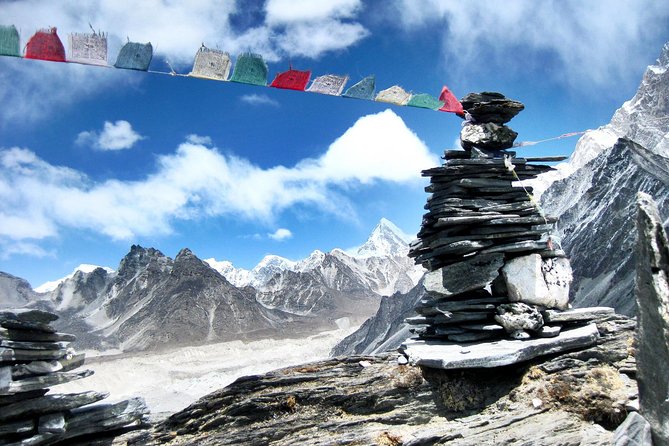
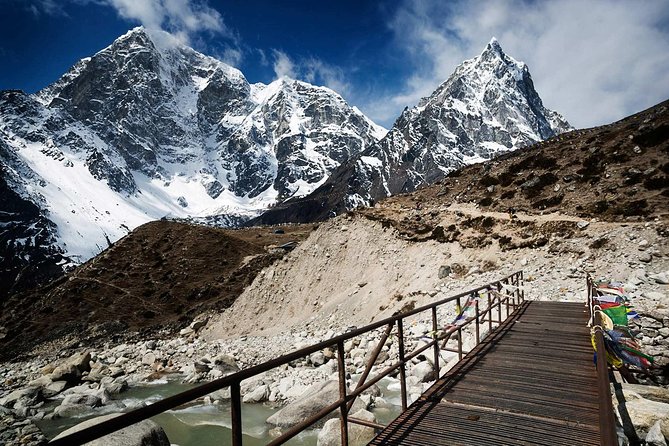
After breakfast, the trail follows pine forest and the Dudh Koshi River. You cross the Hillary Suspension Bridge, pass the entrance and check post for Sagarmatha National Park, and continue toward Namche Bazaar.
Namche is the Sherpa capital and the main commercial center on the approach to Everest. It is an important place to pause, not just a convenient overnight stop. The town gives you a chance to rest before the route climbs higher.
The Sagarmatha National Park permit and TIMS card are included. The park protects the Everest region’s plants and wildlife and is also a UNESCO World Heritage Site.
You can visit the Sherpa Museum in Namche for an additional admission fee. It adds useful context about local culture, mountaineering, and the role of Sherpa communities in the region. The itinerary gives a long day for this stage, so expect a serious walking effort rather than a casual stroll into town.
More Helicopter Trips:
- Everest Base Camp Helicopter Tour landing at Everest View Hotel
★ 5.0 · 668 reviews - Everest Base Camp Helicopter Tour landing at Hotel Everest View
★ 5.0 · 218 reviews - Everest Base Camp Trek with Helicopter Return from Gorakshep to Lukla
★ 5.0 · 161 reviews - Everest Base Camp helicopter tour with landing
★ 5.0 · 61 reviews
Day 4: Namche acclimatization and Everest View Hotel
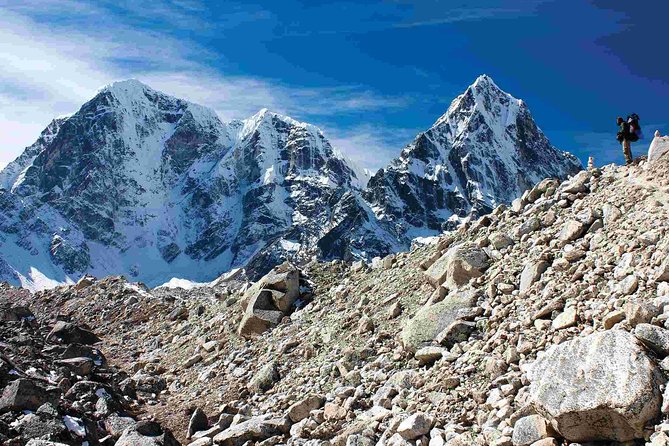
This is the first planned acclimatization day. You hike toward Syangboche and the Everest View Hotel for mountain views, including Everest when conditions are clear.
The point is not simply to collect another viewpoint. You walk higher during the day and return to sleep in Namche, giving your body a chance to adjust before the route continues upward. That is especially important because the following nights are at much greater elevations.
The plan is brief about the exact hiking distance and timing, so your guide will determine the pace and turn-around point. You should treat this as an active rest day, not a day to spend entirely indoors.
Day 5: Monasteries and the trail to Tengboche
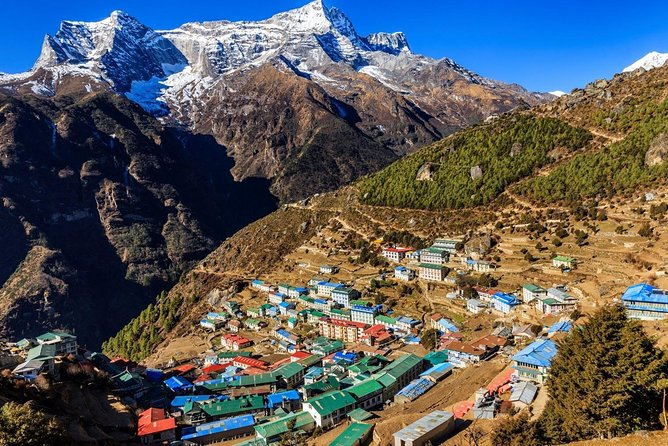
The path leaves Namche with a mix of smoother stretches, short ups and downs, and a rougher climb after Punki Tenga. You pass Kayangjuma and Sanasa, cross the Dudh Koshi, and continue to Tengboche.
Tengboche is known for its large monastery, the biggest in the Khumbu region. Its setting gives this stop a strong sense of place, with the religious site linked to the mountain communities around it.
The walk is beautiful, but the route is no longer easy. You are gaining altitude and spending another full day on foot. The included guide is valuable here, particularly for keeping the group together and watching for signs that someone needs a slower pace.
Lodging is in a guest house or lodge. Tea house accommodation is part of the experience, but it also means basic mountain facilities rather than hotel-style comfort. Hot showers, internet, laundry, battery charging, drinks, and similar personal costs are not included.
Day 6: Pangboche and the Imja Valley
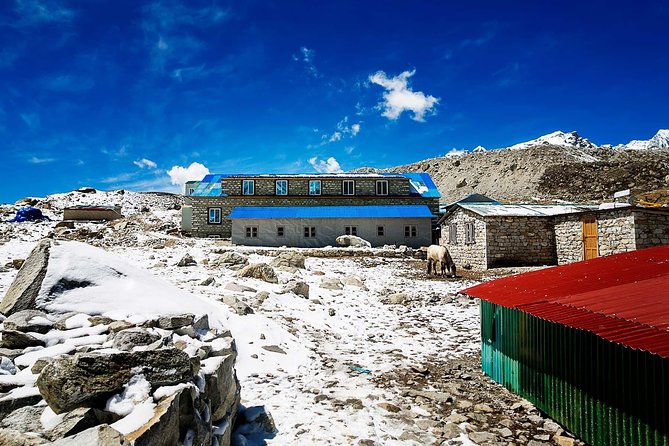
The trail continues through villages marked by chortens and mani walls. You cross the Imja Khola and pass Pangboche at about 3,900 meters before entering the Imja Valley and continuing toward Dingboche.
This is a day when the walking rhythm changes. The air is thinner, climbs feel slower, and small rises can require real effort. You may find the stone religious structures and mountain settlements just as memorable as the peaks themselves.
Dingboche is described as another acclimatization stop. Its role is practical: you are preparing for the higher camps ahead. The itinerary is compact, though, so you should not mistake the stop for a full extra recovery day. The program continues toward Lobuche the next day.
Day 7: Toward Lobuche and the Khumbu Glacier
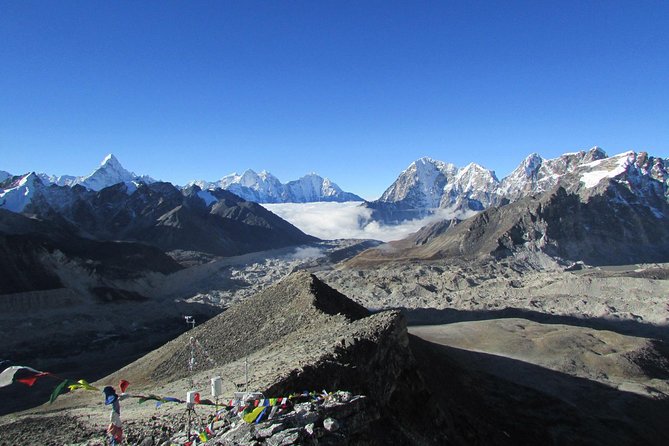
The route follows the Khumbu Khola valley toward Duglha. Along the way are Dusa and Phulung Karpo, followed by Chola Lake, a bridge, and a climb to Duglha. The trail then continues in the direction of Lobuche.
Lobuche Peak has east and west summits and sits close to the Khumbu Glacier. At this point, the setting becomes increasingly high and exposed, and the walk may feel much harder than the distances suggest.
This is one of the days when a patient pace matters. The included porter arrangement, one porter for every two trekkers, lets you walk with less weight. You still need to carry your daily essentials, but not the full duffle bag.
Porter support is included with food, accommodation, equipment, salary, insurance, and transport. That is useful for comfort, but it also supports a more manageable and organized group effort.
Day 8: Everest Base Camp and Gorakshep
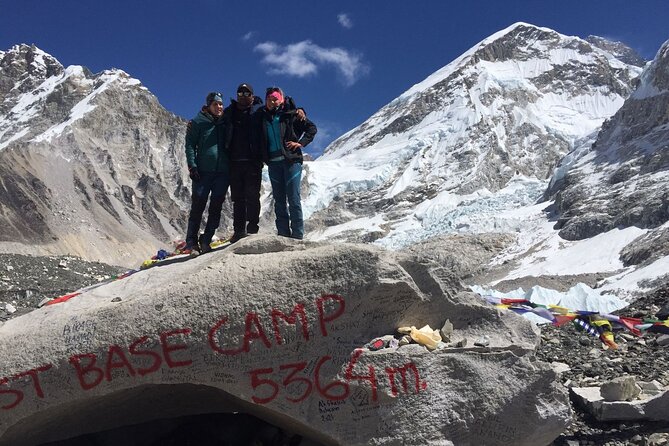
From Lobuche, you continue through a route with repeated climbs and descents. After about three hours of steady hiking, the trail reaches Everest Base Camp, where you can see the Khumbu Glacier and icefall.
This is the emotional high point for most people on the route. Base Camp is the starting area for expeditions on Mount Everest, though the summit itself is not reached on this trek. You spend about 30 minutes at the Base Camp area before returning to Gorakshep.
Gorakshep is the final overnight stop of the trek. It is also the staging point for the next morning’s Kala Patthar climb and the helicopter return. The schedule is tight, and you will have already spent many days walking at altitude. Save energy for the following morning rather than treating Base Camp as the end of the physical challenge.
Day 9: Kala Patthar and the flight back
The final trekking morning takes you to Kala Patthar, the well-known viewpoint for wide views across the Khumbu mountains, including Everest. The viewpoint is listed as the day’s main included highlight.
Kala Patthar is not a casual photo stop. It is another uphill effort after the Base Camp walk, and the high altitude makes every step count. The payoff is the broad mountain view, particularly when the weather is clear.
After Kala Patthar, you fly by shared helicopter back toward Kathmandu. This is the program’s biggest time-saving feature and its most unusual moment. It also explains much of the $3,400 price.
The flight is listed as group sharing, so you should not expect a private helicopter reserved only for your party. Confirm the seating arrangement and pickup location before you go. Helicopter operations can change with weather, and the itinerary does not give a backup walking schedule for the return.
Day 10: Airport transfer and departure
After breakfast, a private vehicle takes you to the international airport for your onward flight. Airport pickup and drop-off are included according to the schedule.
There is no sightseeing plan for this final morning. If you want extra time in Kathmandu after the trek, arrange additional nights separately. The included Kathmandu accommodation covers the stated itinerary.
What the $3,400 price includes
At first glance, $3,400 is a large price for a 10-day trip. The value improves when you add up the costly and complicated pieces: flights to Lukla, a shared helicopter from the Everest region, Kathmandu accommodation with breakfast, tea house lodging, three daily meals during the trek, guides, porters, permits, airport transfers, and trekking equipment.
The supplied gear also includes a duffle bag, down jacket, sleeping bag, and walking pole. You receive a trekking map and trip achievement certificate, and government taxes, VAT, office charges, landing fees, and facility fees are included.
You still need money for Kathmandu lunches and dinners, visa fees, drinks, phone calls, internet, laundry, hot showers, battery charging, and bar bills. Tips for the guide and porters are not mandatory, but the price does not cover them.
Compared with a standard return trek, the helicopter is the main premium feature. If avoiding the walk back is important, the price may make sense. If your priority is the lowest possible cost or a slower mountain experience, a longer walking itinerary may suit you better.
Guides, porters, and group size
The company provides an English-speaking trekking guide and porters, with one porter for every two trekkers. That ratio is helpful because it limits the load each porter carries and gives the group practical support on long days.
Past trips have included guides named Dipak, Ram, Ramesh Sapkota, and assistant guide Rabi, along with porters including Santos. The personal care described in those accounts is a real strength of the arrangement. One account also praised quick communication before arrival, which matters when you are preparing for a route with flights, permits, gear, and changing mountain conditions.
The group can reach 15 people. That is still small enough for a shared experience, but it is not a private trek. If you want a very flexible pace or lots of one-to-one guide time, ask about a private option before booking.
Who should book this trek?
I would recommend it to fit hikers who want the classic Everest approach but have only 10 days. It is also a good match if you value organization, porter support, included meals, and the chance to avoid the return route.
You should be comfortable walking for several consecutive days and managing a demanding high-altitude schedule. The experience is not suited to someone seeking a relaxed sightseeing tour or a short mountain walk.
The best reason to choose it is the combination of a full Base Camp approach and a fast return. The main reason to hesitate is the compressed timetable and dependence on good weather for both the Lukla flight and helicopter.
Free cancellation is available up to 24 hours before the start time for a full refund. Changes or cancellations inside that window are not accepted for a refund. The operator also requires a minimum number of participants, so a cancellation for that reason results in a different date, a different experience, or a full refund.
Should you book the Everest Base Camp helicopter return?
Book this trip if you want Everest Base Camp, Kala Patthar, Sherpa villages, and a helicopter exit in one organized package. The included logistics are strong, and the guide and porter support can remove much of the usual planning work.
Before paying, confirm the exact helicopter pickup point, what happens after a delayed Lukla flight, and whether any extra night is needed if weather interrupts the return. If you are prepared for the altitude and accept the demanding pace, this is a practical way to experience the Everest route without spending extra days walking back to Lukla.
FAQ
How long is the Everest Base Camp trek with helicopter return?
The experience lasts approximately 10 days, including arrival and departure in Kathmandu.
What time does the experience start?
The stated start time is 6:15 am.
How large can the group be?
The maximum group size is 15 people.
Is airport pickup included?
Yes. Airport pickup and drop-off by private vehicle are included according to the itinerary.
Is the flight to Lukla included?
Yes. The flight from Kathmandu to Lukla is included.
Is the helicopter flight back to Kathmandu included?
Yes. The return from the Everest region to Kathmandu is included on a group-sharing basis.
Are meals included?
Breakfast is included in Kathmandu. Breakfast, lunch, and dinner are included during the trek. Lunch and dinner in Kathmandu are not included.
What trekking equipment is provided?
The package includes a duffle bag, down jacket, sleeping bag, walking pole, and trekking map.
What happens if bad weather cancels the experience?
If poor weather causes the experience to be canceled, you are offered a different date or a full refund.
More Treks and Hikes
- Nagarkot Sunrise View and Day Hiking from Kathmandu
★ 5.0 · 471 reviews - Annapurna Circuit Trek with Tilicho Lake
★ 5.0 · 368 reviews - Everest Base Camp Trek -14 Days
★ 5.0 · 321 reviews - Annapurna base camp trek 5 Days
★ 5.0 · 252 reviews
Just added around Kathmandu
- Private Shopping Tour in Kathmandu★ 5.0 · 3 reviews
- Nagarkot Sunrise With 7 UNESCO World Heritage Private Tour★ 5.0 · 3 reviews
- Kathmandu: Nightlife and Pub Crawl Tour★ 5.0 · 3 reviews
- Mount Everest Scenic Flight 50 Minutes★ 5.0 · 3 reviews
- Kathmandu: Nagarkot, Bhaktapur, Doleswor & Sanga Statue Tour★ 5.0 · 3 reviews
- Momo Cooking Class -The Art Of Making MoMo with Home Chef★ 5.0 · 3 reviews
- Makalu Base Camp Trek★ 5.0 · 3 reviews
- Everest Experience Trek 6 Day Hiking Adventure★ 5.0 · 3 reviews
Everest Base Camp Treks, compared.






Everest Base Camp Trek with Helicopter Return from Gorakshep to Lukla
Read our review →Browse the lists this tour appears in