
Reviewed · HIKING & TREKKING
From Kathmandu: 12-Day Everest Base Camp Guided Trekking
The mountain views begin almost at once. This 12-day trek from Kathmandu gives you the classic Everest route, including Everest Base Camp and Kala Patthar, while taking care of flights, permits, lodges, and guide support. You follow the trail from Lukla through Namche Bazaar, Dingboche, Lobuche, and Gorakshep, with planned rest days to help your body adjust.
I like the strong guide support, especially after hearing how Padam, Nishan, Adhish, Rohan, and other guides helped people stay calm, safe, and cheerful on hard days. I also like the practical inclusions: return flights between Kathmandu and Lukla, national park fees, TIMS, tea house accommodation, and equipment such as a sleeping bag and duffle bag if requested.
The main drawback is the price structure. At $1,002 per person, the package covers many major costs, but standard breakfast, lunch, and dinner are not included. Porter service, drinks, hot showers, internet, and travel insurance also cost extra, so your final budget will be higher.
In This Review
- Five things to know before you book
- Why this Everest route works so well
- Day 1: Kathmandu to Lukla, then Phakding
- Day 2: Phakding to Namche Bazaar at 3,440 meters
- Day 3: A rest day in Namche Bazaar
- Day 4: Namche Bazaar to Tyangboche at 3,867 meters
- Day 5: Through rhododendron forest into the Imja Valley
- Day 6: Acclimatizing in Dingboche
- Day 7: Dingboche to Lobuche at 4,930 meters
- Day 8: Lobuche to Everest Base Camp via Gorakshep
- Day 9: Kala Patthar at 5,545 meters, then Pheriche
- Day 10: The descent schedule needs clarification
- Day 11: Namche Bazaar to Lukla
- Day 12: Lukla to Kathmandu
- What the $1,002 price really covers
- The guide can make or break the experience
- Who should book this trek?
- Should you book the Everest Base Camp trek?
- FAQ
- How long is the Everest Base Camp trek?
- Is the flight between Kathmandu and Lukla included?
- Are meals included during the trek?
- Is a porter included?
- What is the highest point on the route?
- Are acclimatization days included?
- What language does the guide speak?
Five things to know before you book
- Kala Patthar reaches 5,545 meters: This high viewpoint comes after your Base Camp visit and is one of the toughest parts of the route.
- Two acclimatization days are built in: You spend one rest day in Namche Bazaar and another in Dingboche.
- Lukla flights are included: The package covers the return domestic flight from Kathmandu, plus airport transfers.
- The group is limited to 15 people: That is small enough for personal contact with your guide without making the trip private.
- Meals are not included: Plan for daily food costs, drinks, and optional extras at tea houses.
- The Day 10 route needs confirmation: The schedule lists both Tyangboche and Namche Bazaar after Pheriche, so ask the operator to confirm the exact overnight plan.
Why this Everest route works so well
The appeal of this trip is simple: you get the famous Everest Base Camp route without having to arrange each moving part yourself. The guide, permits, flights, accommodation, and airport transfers are handled for you, leaving you to focus on walking, breathing, and not losing your gloves.
The route also gives you a sensible altitude pattern. You do not rush straight from Lukla to the high valleys. Instead, you spend time in Namche Bazaar at 3,440 meters and Dingboche at 4,260 meters before reaching Lobuche, Gorakshep, Base Camp, and Kala Patthar.
That pacing matters. The highest point is not Everest Base Camp itself, but Kala Patthar at 5,545 meters. The planned rest days give you a better chance to manage the thin air, though no itinerary can remove the physical challenge of altitude.
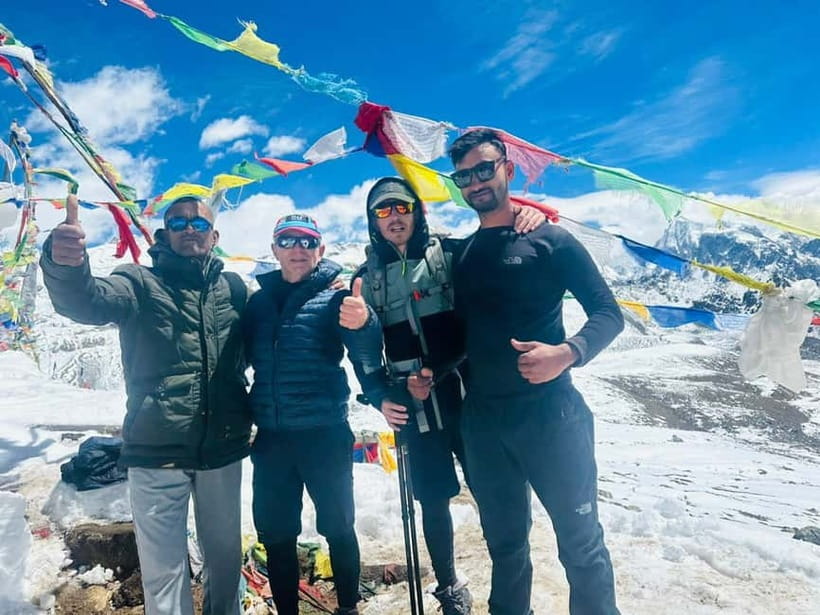
The group size is capped at 15 people, and the tour runs with an English-speaking guide. That setup suits you if you want company on the trail but still want a guide who can pay attention to individual needs. Nishan was praised for adjusting the pace and plans to suit one participant, while Padam was singled out for his humor, care, and calm approach.
More Treks and Hikes:
- Everest Base Camp Trek – 14 Days
★ 5.0 · 1,499 reviews - Everest Base Camp Trekking
★ 5.0 · 485 reviews - Nagarkot Sunrise View and Day Hiking from Kathmandu
★ 5.0 · 471 reviews
Day 1: Kathmandu to Lukla, then Phakding
Your first morning starts with hotel pickup in Kathmandu, Bhaktapur, or Lalitpur. You transfer to Tribhuvan International Airport for an early flight to Lukla, then begin walking toward Phakding.
The flight is part of the drama. Lukla is the gateway to the trek, and arriving there means you are quickly trading city streets for mountain paths. The first walking day ends at a tea house lodge in Phakding, giving you a relatively gentle introduction before the longer climb to Namche Bazaar.
You should keep this day light and organized. The information for the trip says not to bring large bags or luggage, so pack only what you need for the trail and use the provided duffle bag if requested. A porter can be hired separately, with one porter able to carry up to 25 kilograms for two people.
The flight schedule is also worth treating with patience. One booking required a switch from an airplane to a helicopter because of weather, and the change was handled professionally. That is a useful reminder that mountain flights do not always run like city bus routes.
Day 2: Phakding to Namche Bazaar at 3,440 meters
From Phakding, the trail climbs toward Namche Bazaar, the main town of the Khumbu region. This is a substantial walking day, and the gain in altitude becomes noticeable as you approach 3,440 meters.
Namche is more than a place to sleep. It is the main stopping point before the high valley, and it gives you a chance to rest, buy needed items, and get used to the rhythm of the trek. You spend the night here before taking a full acclimatization day.
The practical benefit of this stop is clear: you are not being pushed straight through. Your guide can watch how you are handling the altitude and help adjust the pace if needed. You should still pay attention to your own body. A cheerful guide is valuable, but you remain responsible for telling the guide when you feel unwell.
Day 3: A rest day in Namche Bazaar
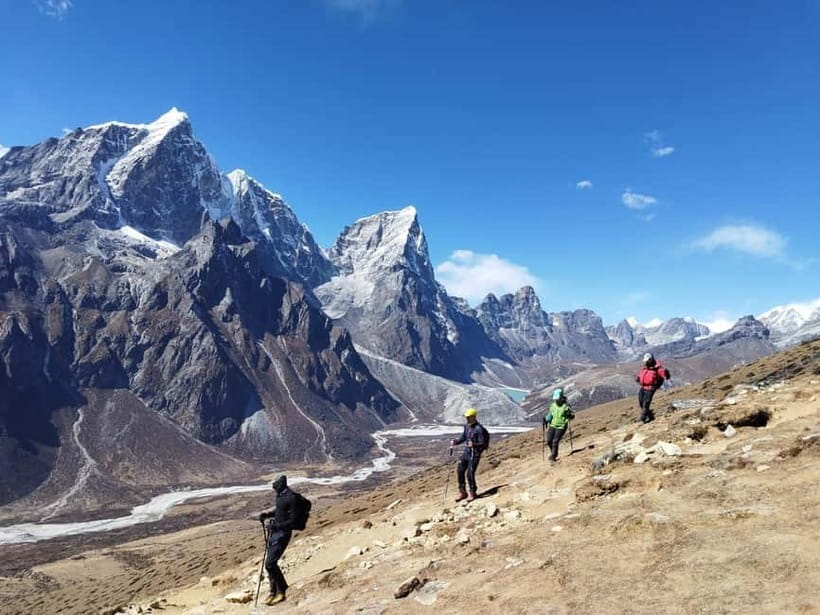
The third day is set aside for acclimatization in Namche Bazaar. This is not wasted time. At this altitude, a rest day helps you prepare for the higher sections ahead.
The itinerary does not promise a particular excursion during this day, so you should think of it as a flexible pause rather than a tightly scheduled sightseeing tour. You can relax in town and use the time to check your clothing, water, and day pack.
I especially like that the schedule includes two acclimatization days rather than treating the trek as a race. You will still have long and demanding walking days, but the extra time makes the plan more measured.
A few more trips worth weighing up before you book
- Private Kathmandu Sightseeing Tour | UNESCO World Heritage sites
★ 5.0 · 756 reviews - Everest Base Camp Helicopter Tour landing at Everest View Hotel
★ 5.0 · 668 reviews - Half day cooking class in Thamel kathmandu
★ 5.0 · 607 reviews - Kathmandu: Full Day 7 UNESCO Tour with Lunch – Private/Group
★ 5.0 · 415 reviews
Day 4: Namche Bazaar to Tyangboche at 3,867 meters
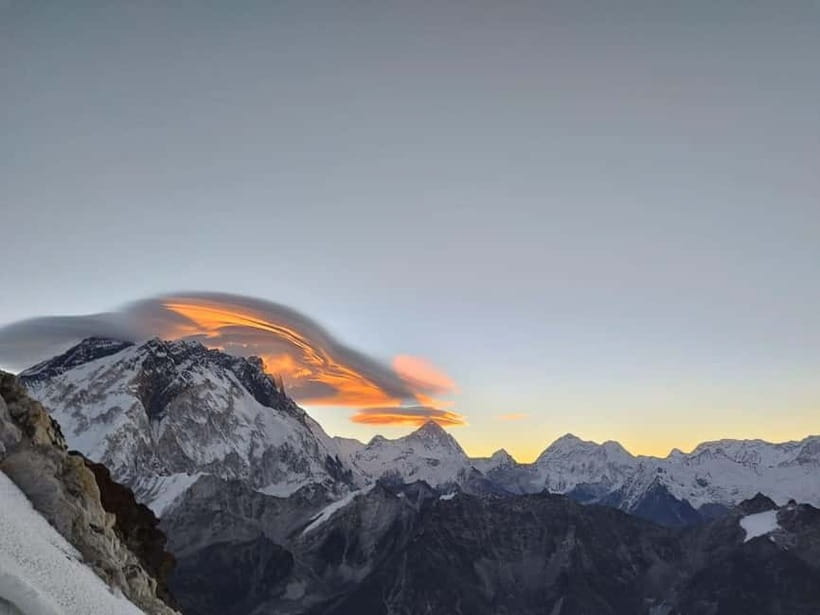
You leave Namche Bazaar and walk to Tyangboche, also written as Tengboche, at 3,867 meters. This section takes you higher while opening up views of the famous peaks around the Khumbu region.
Tyangboche is an important overnight stop because it places you close to the upper valley without taking you all the way to Dingboche in one push. You stay overnight here, giving your body another chance to adjust.
The day is about steady progress, not speed. Your guide’s experience becomes especially useful here, since the same distance can feel very different as the altitude increases. People who completed the trek with Padam and Nishan described feeling well supported, and that kind of attention is worth more than a fast walking time.
Day 5: Through rhododendron forest into the Imja Valley
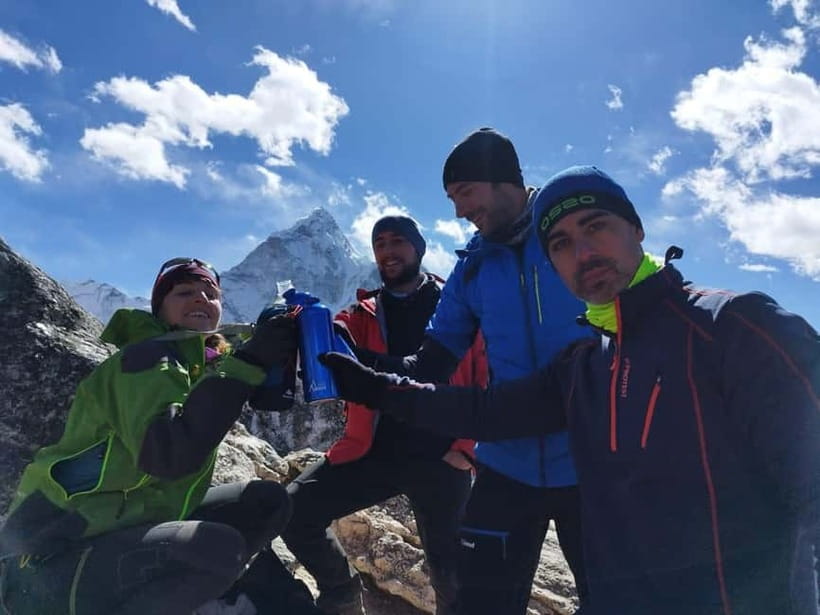
This is one of the more varied days on the route. You walk through rhododendron forest, cross a suspension bridge over the Imja Khola, and continue toward Minlinggo.
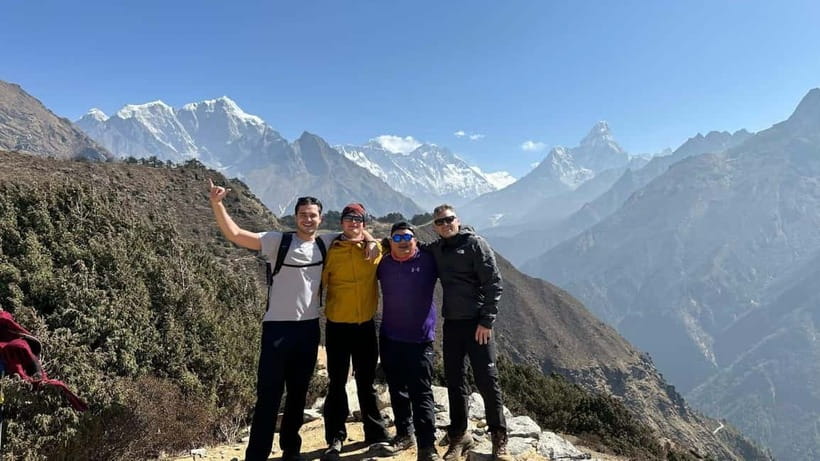
The trail then enters the Imjatse Valley beneath Ama Dablam, Nuptse, and Lhotse. This is where the scale of the Himalayas becomes hard to ignore. The peaks are not just distant scenery. They frame the route and make each bend feel like part of a much larger journey.
The night is spent in Dingboche at 4,260 meters. That altitude is serious, which explains why the next day is another acclimatization day rather than an immediate push toward Lobuche.
Day 6: Acclimatizing in Dingboche
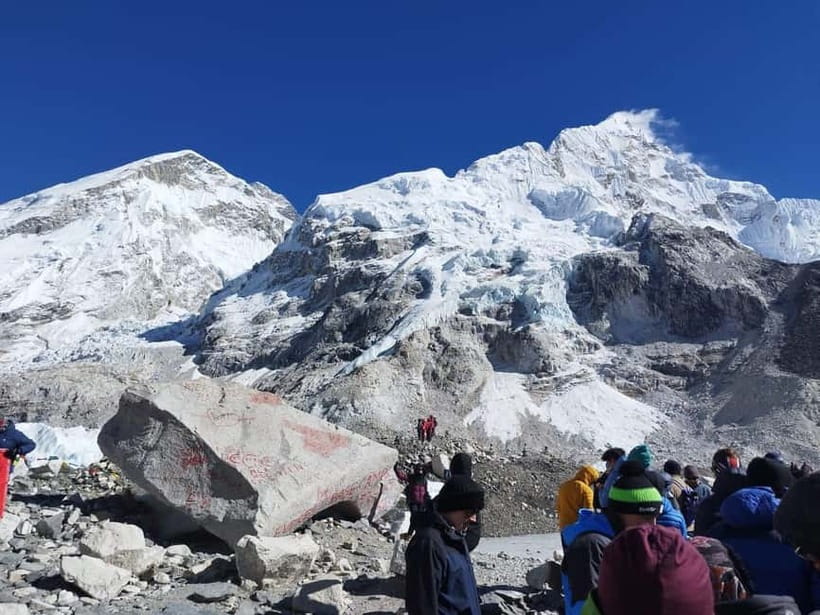
You spend the day in Dingboche and sleep again at a tea house lodge. The information provided does not set out a separate hike or activity, so do not book this trip expecting a fixed sightseeing program on the rest days.
Dingboche is an important breathing space before the route becomes much higher and more exposed. Use the day to rest, eat, organize your layers, and keep your expectations realistic. The views may be impressive, but the air is thin and the nights can be hard.
Cold conditions deserve attention. One person who took the trek in December found the nights tough, although the daytime views and experiences made the effort worthwhile. If you travel in a colder month, bring proper warm layers and use the supplied sleeping bag if it suits your needs.
Day 7: Dingboche to Lobuche at 4,930 meters
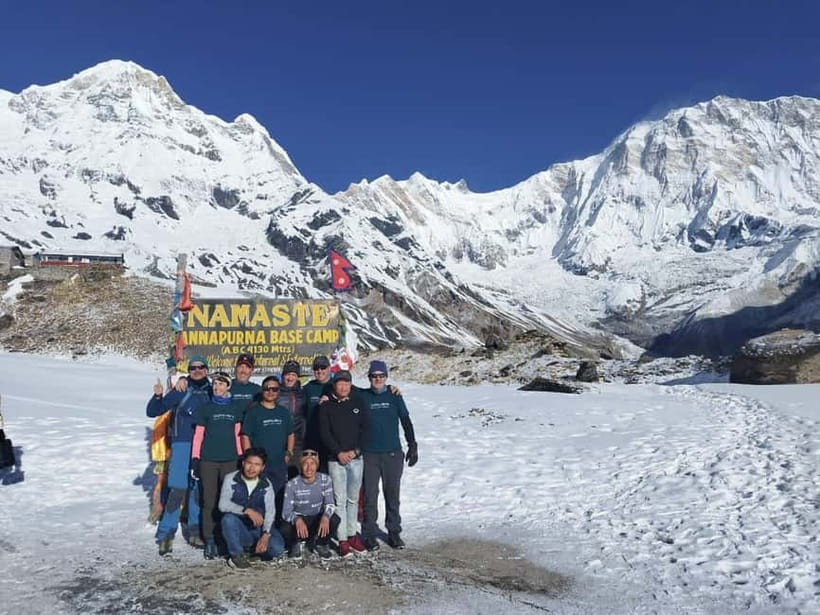
The route from Dingboche to Lobuche takes about 5.5 hours, with lunch in Dugla. You then continue to Lobuche, where you spend the night at 4,930 meters.
This is a major altitude jump, and the overnight stay can feel demanding. Your guide’s role is not simply to lead the way. The guide also helps you manage the pace and recognize when the day is becoming too much.
Lobuche is a staging point for the Base Camp push. You are now high enough that small tasks can take more effort than expected. Keep your evening simple, drink what you can, and prepare your day pack before breakfast so you do not waste energy in the morning.
Day 8: Lobuche to Everest Base Camp via Gorakshep
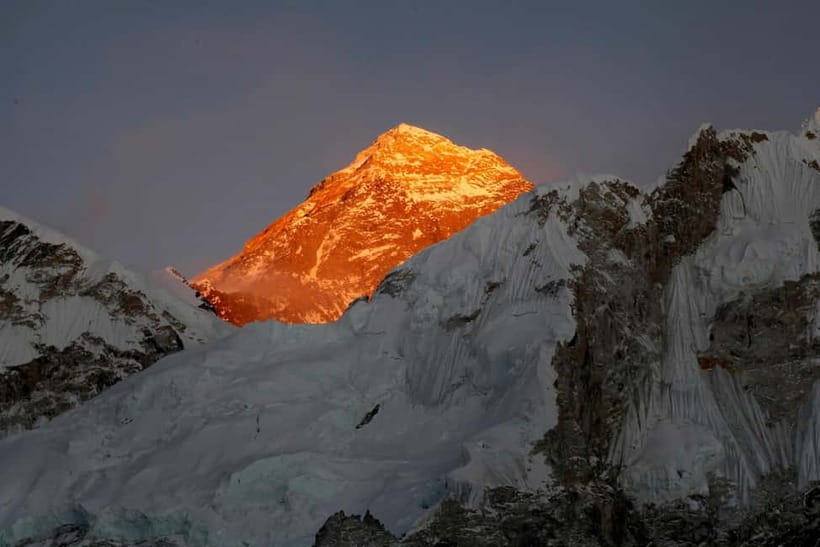
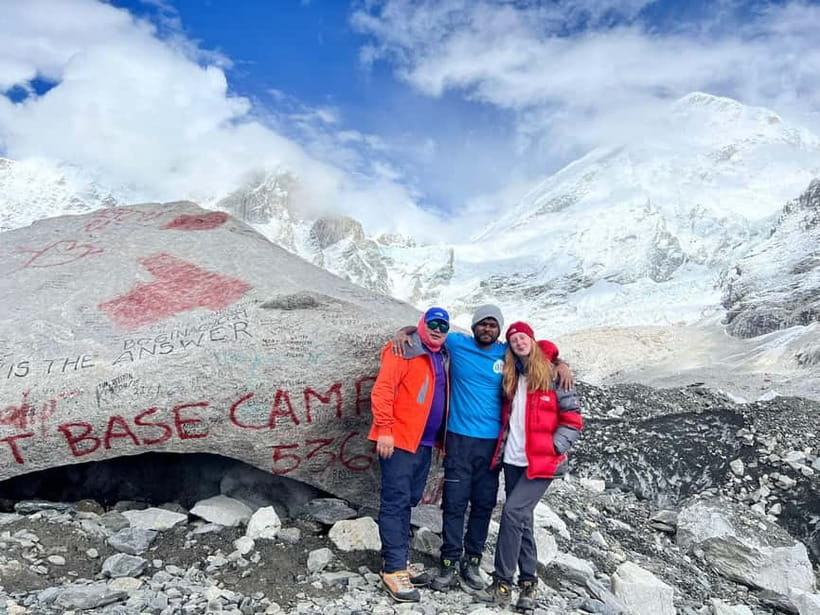
After breakfast, you walk from Lobuche to Gorakshep and continue toward Everest Base Camp. The trail follows rocky ground beside the Khumbu glacier, making this one of the most demanding and rewarding sections of the trek.
Everest Base Camp sits at 5,364 meters. Reaching it is the central goal for many people on this route, but the setting is not a polished attraction. You arrive on a high, rough trail beside the glacier, surrounded by enormous peaks and the hard evidence of a serious mountaineering environment.
After visiting Base Camp, you return to Gorakshep for the night. The return matters because you are not sleeping at Base Camp. Gorakshep is your overnight base before the early climb to Kala Patthar.
You should treat this as a long day at high altitude. The phrase rewarding section is easy to say, but your legs and lungs will decide how it feels. A good guide helps you move at a sustainable pace and keeps the group together.
Day 9: Kala Patthar at 5,545 meters, then Pheriche
The day begins with a hike from Gorakshep to Kala Patthar, reaching 5,545 meters. This is the highest point named in the itinerary and a major physical test.
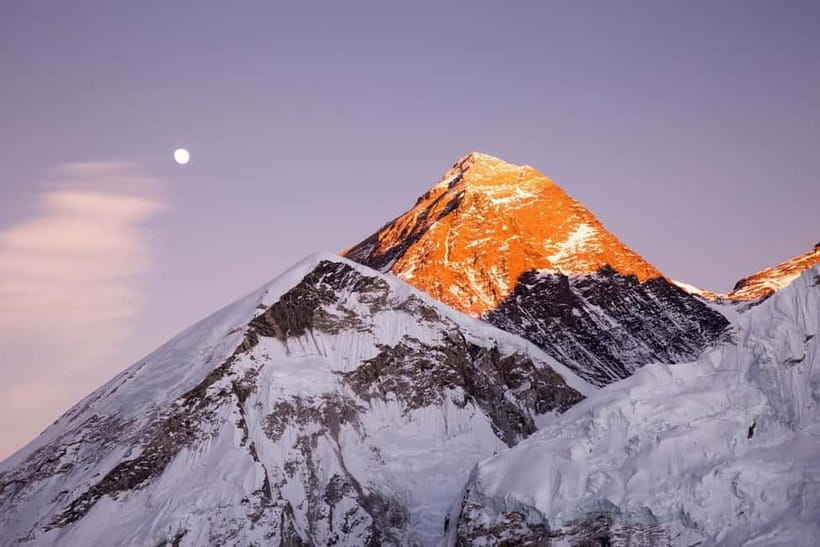
Kala Patthar is often valued for its mountain views, and the trip specifically highlights peaks including Khumbetse, Nuptse, Lingtren, and Lhotse. After reaching the viewpoint, you descend to Pheriche at 4,243 meters for the night.
The descent is welcome, but it does not make the day easy. You have already spent time at Base Camp and then climbed higher again. This is where a patient guide, warm clothing, and a sensible pace matter most.
Day 10: The descent schedule needs clarification
The supplied schedule says you begin the descent from Pheriche to Tyangboche at 3,867 meters. It then also says Pheriche to Namche Bazaar, where you spend the night.
Those are not the same overnight plan, so you should confirm this point before booking or before setting out. It may reflect a route description being combined incorrectly, but the provided details do not give enough information to resolve it.
This is the one part of the schedule I would not leave vague. Ask whether the night is in Tyangboche or Namche Bazaar, and ask how the walking distance is divided. The answer affects your daily effort, food planning, and expectations.
Day 11: Namche Bazaar to Lukla
The itinerary describes the return from Namche Bazaar to Lukla, followed by your final night in Lukla. This is the last full walking day and brings you back toward the airport town.
You will have already walked through much of this route in the opposite direction, but the experience can feel different on the way down. The lower altitude generally makes breathing easier, while tired legs can make the miles feel longer.
The included accommodation is in lodges or tea houses throughout the trek. Meals are not part of the package, so you will need to pay for breakfast, lunch, dinner, and drinks as you go. Hot showers and internet are also excluded, which is normal for a basic high-altitude trekking package but still important for your budget and comfort.
Day 12: Lukla to Kathmandu
You take an early flight from Lukla back to Kathmandu and receive a transfer to your hotel. This final transfer is included, so you do not have to arrange city transport after landing.
The return flight is another point where flexibility helps. Weather can affect mountain air travel, and the experience described above included a switch to a helicopter. The operator handled that change well, but you should keep your wider Nepal plans flexible around the flight days.
What the $1,002 price really covers
At $1,002, this is not an all-inclusive holiday. It is a guided trekking package that covers many of the major structural costs.
Included are:
- Hotel pickup and drop-off
- Domestic airport transfers
- Return Kathmandu to Lukla flights
- Tea house and lodge accommodation
- An English-speaking guide
- Guide salary, food, accommodation, transport, and insurance
- Sagarmatha National Park fees
- TIMS card fees
- Required paperwork
- Government taxes, VAT, and service charges
- A jacket, sleeping bag, and duffle bag if requested
You still pay for standard meals, alcoholic and non-alcoholic drinks, hot showers, internet, porter service, and your own travel insurance. This means the package can be good value if you want permits, flights, guide support, and lodging arranged together, but you should not mistake the advertised price for your full trip cost.
The porter option is useful if you do not want to carry your main bag. One porter can assist with up to 25 kilograms for two people, at an additional cost. You should clarify the current porter fee and what baggage arrangement the operator expects before departure.
The guide can make or break the experience
The strongest praise goes to the guides. Padam was described as funny, helpful, experienced, and reassuring in difficult conditions. Nishan was appreciated for kindness, attention, and adjusting the trek to individual needs. Adhish helped make the journey fun, while Rohan and porter Bahla received warm praise for their care and reliability.
Those details matter because the Everest route is not only about scenery. You spend many hours walking, face cold nights, cope with altitude, and deal with changing transport plans. A guide who keeps communication clear and spirits steady can greatly improve the experience.
The group limit of 15 gives you a reasonable chance of personal support, although the exact group size on your departure is not stated. If a particular guide is important to you, you can ask if Padam, Nishan, Adhish, or Rohan is available, but do not assume a named guide is guaranteed.
Who should book this trek?
This trip suits you if you want the classic Everest Base Camp route with a guide and a set 12-day structure. It is a good fit for someone who values included flights, permits, accommodation, and airport transfers, and who prefers a small group to walking alone.
You should be ready for long hikes and high altitude. This is not suitable for pregnant women, people with heart problems, or wheelchair users. Travel insurance is not included, so arranging your own cover is essential for a serious mountain trek.
It may be less suitable if you want luxury lodging, included meals, reliable internet, or a leisurely schedule. The tea house setup is practical, and the cold nights and limited services are part of the deal.
Should you book the Everest Base Camp trek?
I would consider booking this trip if you want strong logistical support and an experienced guide without arranging every permit and flight yourself. The five-star record across 26 ratings, along with repeated praise for Padam, Nishan, Rohan, Adhish, and the porters, points to a service that takes care of people well.
Before paying, confirm the Day 10 route, ask about porter pricing, and budget separately for meals, drinks, showers, internet, insurance, and possible weather-related transport changes. If you accept the physical demands and basic mountain conditions, this offers a practical path to Everest Base Camp and Kala Patthar at a reasonable starting price.
FAQ
How long is the Everest Base Camp trek?
The experience lasts 12 days, including the flights from Kathmandu to Lukla and back, the trek, overnight lodge stays, and the return hotel transfer in Kathmandu.
Is the flight between Kathmandu and Lukla included?
Yes. The return domestic flight between Kathmandu and Lukla is included, along with domestic airport pickup and drop-off.
Are meals included during the trek?
No. Breakfast, lunch, and dinner are not included. Alcoholic and non-alcoholic drinks are also excluded.
Is a porter included?
No. Porter service is available for an additional cost. One porter can assist with up to 25 kilograms for two guests.
What is the highest point on the route?
Kala Patthar is the highest listed point, at 5,545 meters. Everest Base Camp is listed at 5,364 meters.
Are acclimatization days included?
Yes. There is one acclimatization day in Namche Bazaar and another in Dingboche.
What language does the guide speak?
The live guide speaks English, and the group is limited to 15 participants.
Just added around Kathmandu
- Private Shopping Tour in Kathmandu★ 5.0 · 3 reviews
- Nagarkot Sunrise With 7 UNESCO World Heritage Private Tour★ 5.0 · 3 reviews
- Mount Everest Scenic Flight 50 Minutes★ 5.0 · 3 reviews
- Kathmandu: Nightlife and Pub Crawl Tour★ 5.0 · 3 reviews
- Momo Cooking Class -The Art Of Making MoMo with Home Chef★ 5.0 · 3 reviews
- Kathmandu: Nagarkot, Bhaktapur, Doleswor & Sanga Statue Tour★ 5.0 · 3 reviews
- Makalu Base Camp Trek★ 5.0 · 3 reviews
- Kathmandu: Momo Making Class with a Local Chef★ 5.0 · 3 reviews
Hiking & Trekking, compared.


Nagarkot Sunrise View and Day Hiking from Kathmandu
Read our review →


