
Reviewed · EVEREST BASE CAMP TREKS
From Kathmandu Budget: 15 Day Everest Base Camp Trek
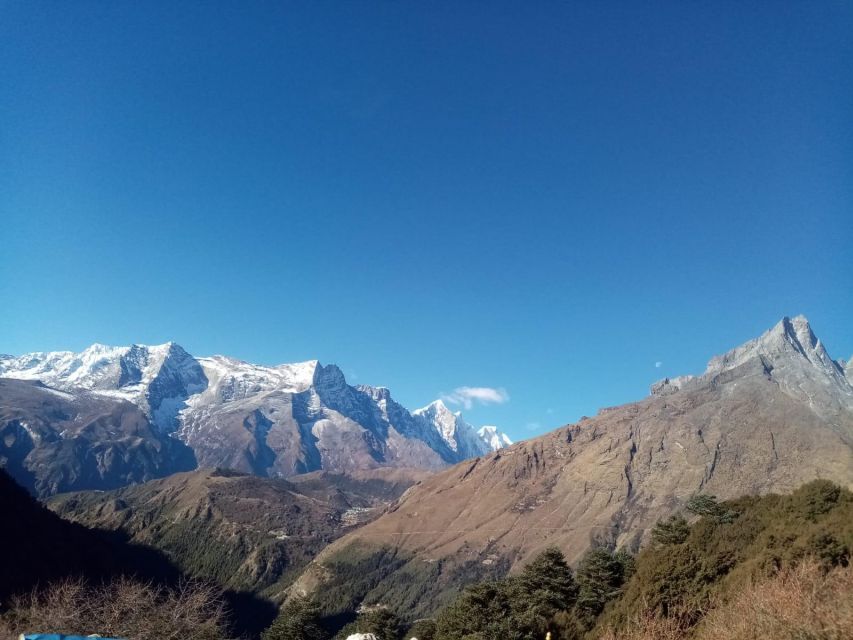
This is the Everest dream with a longer road in. I like that the 15-day route reaches both Everest Base Camp and Kala Patthar, giving you two very different mountain experiences. I also like the private format, which lets your guide adjust the pace if your health or energy changes. The main drawback is the long shared jeep and bus travel from Kathmandu to Salleri and back, plus the fact that food, drinks, travel insurance, and emergency rescue are not included.
At $796 per person, this is an appealing price for a private trek with permits, accommodation, a guide, trekking poles, and ground transport included. The route is still a serious high-altitude challenge, though. You climb to 5,545 meters at Kala Patthar, so good preparation matters more than the bargain price.
In This Review
- Key points to know before booking
- What the $796 price really covers
- Day 1: Kathmandu to Salleri by jeep
- Day 2: Salleri, Tham Danda, and Surkhe
- Day 3: Surkhe to Phakding
- Day 4: Phakding to Namche Bazaar
- Day 5: Namche to Tengboche Monastery
- Day 6: Tengboche to Dingboche
- Day 7: Acclimatization in Dingboche
- Day 8: Dingboche to Lobuche
- Day 9: Everest Base Camp and Gorak Shep
- Day 10: Kala Patthar and the descent to Pheriche
- Days 11 to 13: Panboche, Namche, and Lukla
- Days 14 and 15: Lukla to Salleri, then Kathmandu
- Guides, flexibility, and personal care
- Best time, clothing, and preparation
- Should you book this Everest trek?
- FAQ
- How long is the Everest Base Camp and Kala Patthar trek?
- What is the highest point on the itinerary?
- Is the trek private?
- What languages can the guide speak?
- Is transportation included?
- Are meals included in the price?
- Is travel insurance included?
- What should I bring?
Key points to know before booking
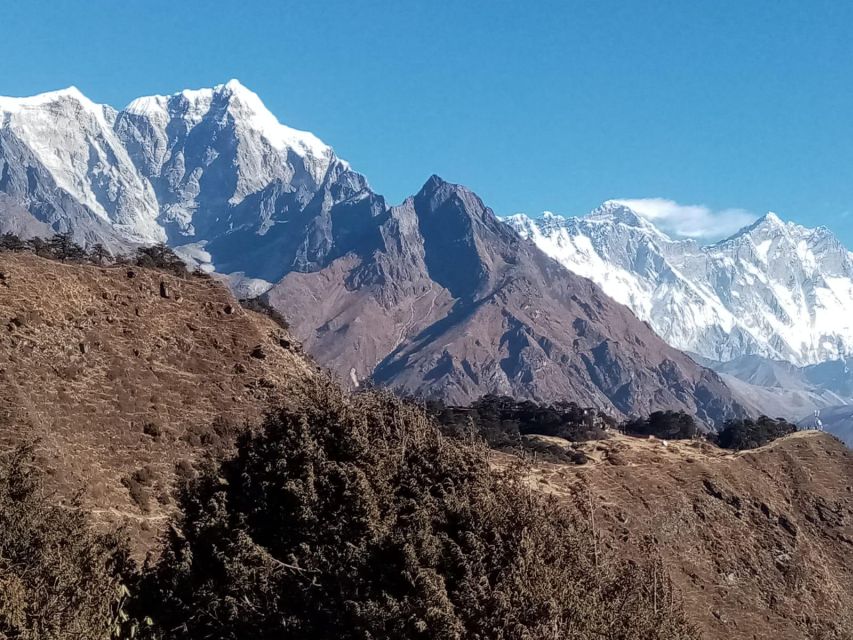
- Kala Patthar is the visual high point: The 5,545-meter summit offers broad views of Everest, Lhotse, Nuptse, and nearby peaks.
- The route starts overland from Kathmandu: Expect about 10 hours by shared jeep to Salleri, rather than a quick mountain flight.
- This is a private trek: Your guide can adapt the walking pace and rest schedule to your condition.
- The hardest days come late: Everest Base Camp is reached on Day 9, followed by Kala Patthar at sunrise or early in the day on Day 10.
- Guide support receives the strongest praise: Krisna and Milan are both specifically praised for care, communication, flexibility, and attention to health.
- Budget carefully for extras: Meals and drinks must be purchased separately, and rescue costs depend on your travel insurance.
What the $796 price really covers
The $796 price is good value if you want a private Everest Base Camp trip without arranging every permit, lodge, transfer, and guide detail yourself. It includes pickup and drop-off in the Kathmandu area, round-trip transport by shared jeep or bus, guesthouse accommodation, trekking permits and official documents, a trekking guide, a first-aid kit, and a trekking pole.
It also covers your guide’s food, accommodation, personal expenses, and insurance. That matters on a long trip, since guide costs can otherwise appear as extra charges along the way.
The important gap is food for you. Food and drinks are available for purchase, but they are not part of the quoted price. You should also budget for travel insurance that specifically covers high-altitude trekking and emergency rescue. Rescue is not included in the tour cost.
The word private refers to the trekking group, not to private transport for every road section. The route uses shared jeep or bus services between Kathmandu, Salleri, and Lukla. That helps keep the price down, but it means you should expect a long and less polished road journey.
More Everest Base Camp Treks:
- Everest Base Camp Trek – 14 Days
★ 5.0 · 1,499 reviews - Everest Base Camp Trekking
★ 5.0 · 485 reviews - Everest Base Camp Trekking – 13 Day
★ 5.0 · 365 reviews
Day 1: Kathmandu to Salleri by jeep
The trip begins early with a drive from Kathmandu to Salleri. The stated journey is about 10 hours and 266.9 kilometers, ending around 2,600 meters.
This opening day is practical rather than scenic in a relaxed touring sense. You are using the road to reach the lower Everest region, avoiding a flight-based start. For some people, that is a plus: you get more time on the ground and avoid depending on a short mountain flight. For others, a full day in a shared vehicle will feel tiring before the walking has even begun.
Take this day seriously. You may not cover much distance on foot, but the combination of an early start, road time, and changing elevation can leave you tired. Keep warm clothing and essential items close at hand rather than packed away.
Day 2: Salleri, Tham Danda, and Surkhe
From Salleri, you continue by jeep toward Tham Danda, then walk to Surkhe. The full day takes roughly seven to nine hours.
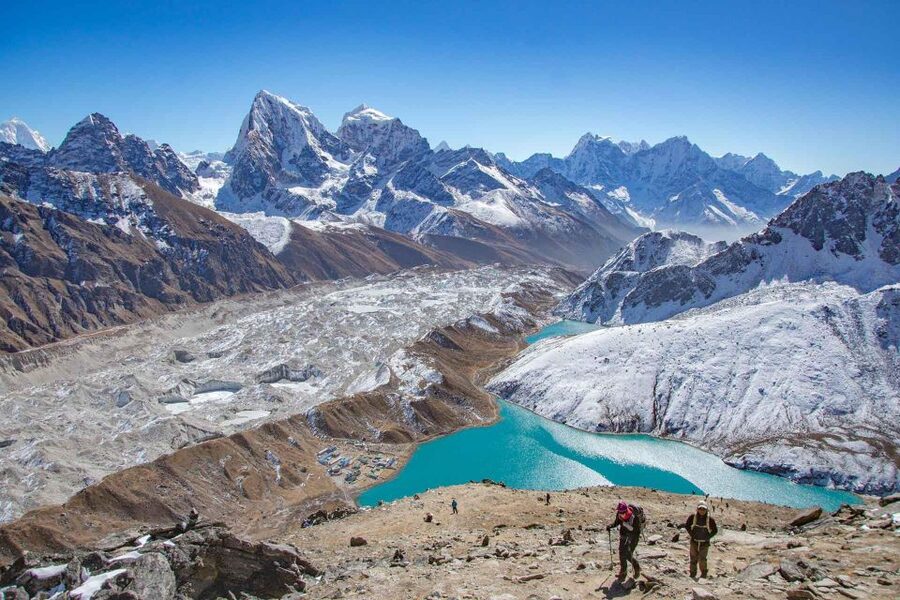
This is where the trip changes from road travel to mountain walking. The short jeep transfer saves some walking time, but the combination of vehicle travel and trekking still makes this a demanding day. Surkhe gives you your first proper sense that the Everest route is not only about famous viewpoints. It is also about moving through small settlements and rugged mountain country.
The route description does not give a separate elevation for Surkhe, so you should not treat this as a simple low-altitude warm-up. Your guide’s judgment and your own pace will be important from this point onward.
Day 3: Surkhe to Phakding
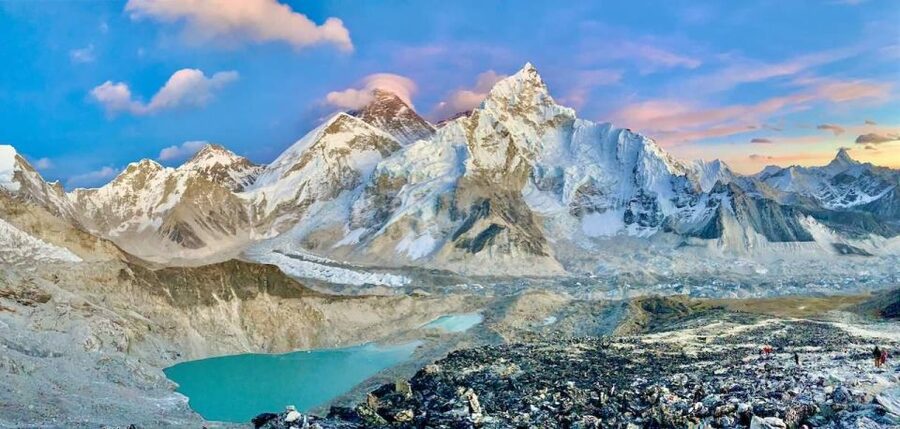
The walk from Surkhe to Phakding takes about six to seven hours. You are now moving into the better-known approach toward Namche Bazaar.
The route includes the kind of terrain that defines the trek: uneven paths, mountain villages, suspension bridges, and river gorges. The bridges are part of the fun, but they also make clear that this is a real mountain route, not a gentle walk between road stops.
Phakding is useful as a resting point before the larger climb to Namche. Keep your walking pace steady. Saving energy here is sensible because the next day brings a major increase in elevation.
More Treks and Hikes:
- Nagarkot Sunrise View and Day Hiking from Kathmandu
★ 5.0 · 471 reviews - Annapurna Circuit Trek with Tilicho Lake
★ 5.0 · 368 reviews - Everest Base Camp Trek -14 Days
★ 5.0 · 321 reviews - Annapurna base camp trek 5 Days
★ 5.0 · 252 reviews
Day 4: Phakding to Namche Bazaar
The trek to Namche Bazaar takes six to seven hours and reaches 3,440 meters. This is one of the key days for altitude awareness.
Namche is the main hub of the Khumbu region and one of the most memorable settlements on the route. It is a place to pause, look around, and notice the Sherpa character of the region. You can expect mountain architecture, trade activity, prayer flags, and a strong sense that you have entered the high Himalayas.
The gain in height from Phakding to Namche can affect you even if you are fit. Walk slowly and tell your guide about headaches, nausea, unusual tiredness, or breathing trouble. A private group is especially useful here because you do not have to match the pace of a large party.
Day 5: Namche to Tengboche Monastery
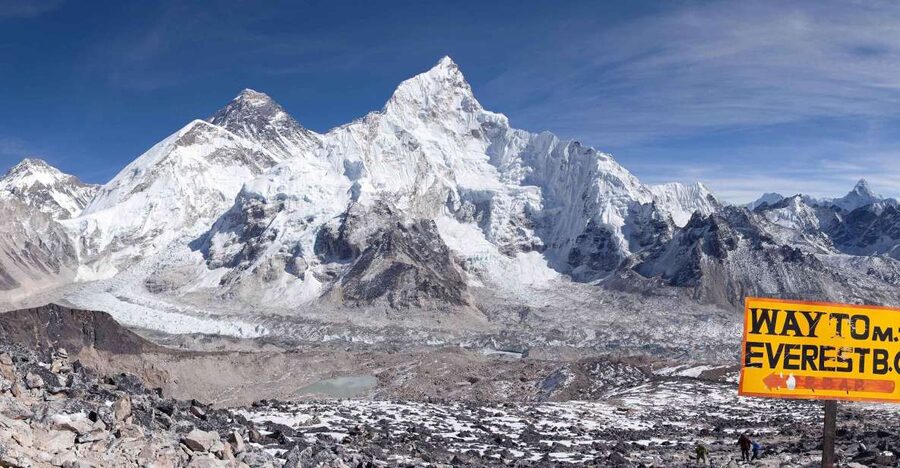
The walk to Tengboche takes about five hours and reaches 3,860 meters. Compared with the previous day, it is shorter, but the altitude continues to rise.
Tengboche Monastery is one of the cultural highlights of the trip. Prayer flags, Buddhist traditions, and high mountain views give this stop a different character from the road settlements below. The monastery also provides a quiet counterpoint to the physical effort of the trek.
You will want warm layers here. Even when walking conditions feel comfortable, the temperature can change quickly at higher elevations. The route is not just a march toward Base Camp. Stops such as Tengboche are part of what gives the journey its meaning.
Day 6: Tengboche to Dingboche
The trail continues to Dingboche, taking five to six hours and reaching 4,350 meters. You are now properly in high-altitude territory.
The scenery becomes more open and severe as the route leaves lower forests behind. The earlier rhododendron country and wooded sections give way to a more exposed mountain setting. You will see why the route is physically demanding: the air is thinner, the paths are rough, and every uphill section takes more effort.
Dingboche is an important overnight stop because the itinerary gives you a full acclimatization day next. Do not view that rest day as wasted time. It is one of the most useful parts of the plan.
Day 7: Acclimatization in Dingboche
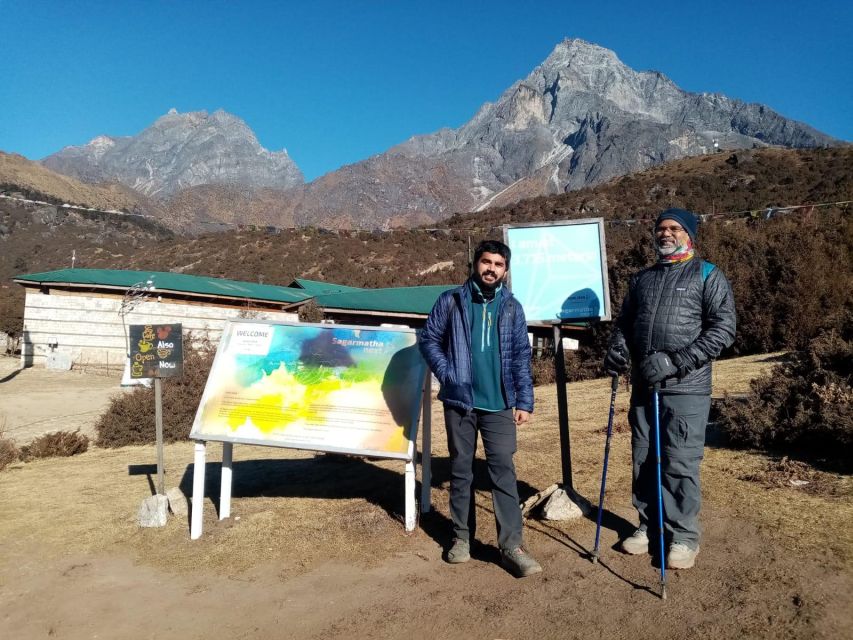
The Dingboche acclimatization day is designed to help your body adjust before the route climbs higher. The supplied plan does not specify a separate excursion or exact activity for this day, so your guide will be the best source for how to use it.
You may be tempted to push ahead because Base Camp now feels close. Resist that urge. At this height, slow progress and careful rest are more valuable than squeezing in extra distance.
This is also a good moment to check your clothing, water, personal supplies, and general condition. The next two days are among the most demanding of the whole route.
Day 8: Dingboche to Lobuche
The trek to Lobuche takes about five hours and reaches 4,910 meters. The elevation is now high enough that a modest walking day can still feel strenuous.
Lobuche is a staging point for the push to Everest Base Camp. You are close to the famous destination, but the thin air makes the approach slower than the map may suggest. Keep your attention on breathing, footing, and hydration rather than speed.
The guesthouse accommodation included in the price keeps the trip simple, but you should remember that comfort becomes more basic as you move higher. The point of these stops is rest and recovery, not luxury.
Day 9: Everest Base Camp and Gorak Shep
Day 9 is the great approach: about eight hours to Everest Base Camp at 5,365 meters, then back to Gorak Shep at approximately 5,180 meters.
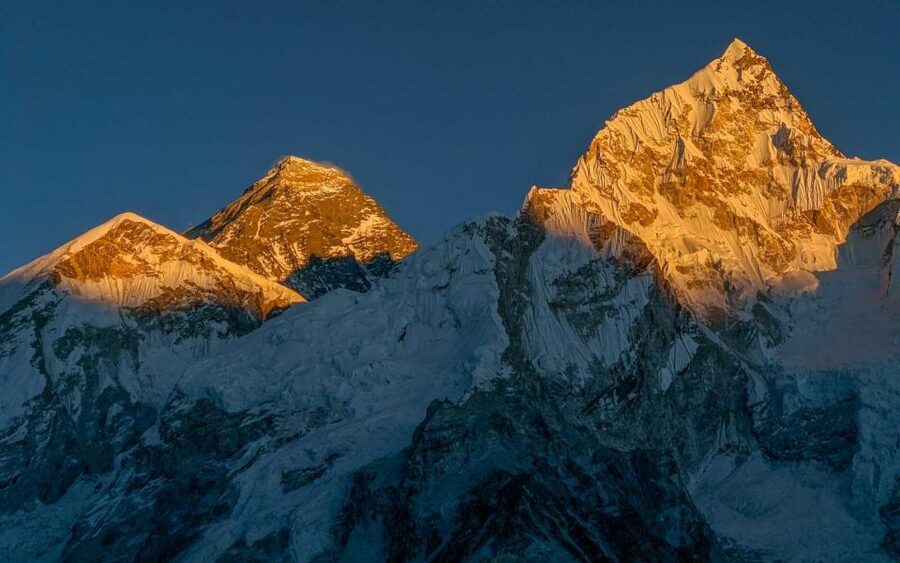
Base Camp is the historic starting point for Everest expeditions. Reaching it is a major achievement, but do not expect a summit-style view of Everest from the camp itself. The surrounding peaks and glacial setting create the drama, while Kala Patthar provides the broad mountain panorama many people imagine when they picture Everest.
This is a long, high day. You are not simply arriving at Base Camp and relaxing. You still need to return to Gorak Shep, so conserve energy and follow your guide’s instructions. The altitude makes an eight-hour schedule much more serious than a similar walk at home.
Day 10: Kala Patthar and the descent to Pheriche
The Kala Patthar hike is listed as about seven hours, reaching 5,545 meters, followed by a trek down to Pheriche at 4,120 meters.
This is arguably the visual highlight of the entire trip. From Kala Patthar, you can look across to Everest, Lhotse, Nuptse, and other major peaks. Sunrise or sunset can offer the best light, but the exact timing depends on the day’s conditions and the guide’s plan.
Kala Patthar is higher than Base Camp, and that difference matters. It is a steep, high-altitude climb after the previous day’s long walk. You need warm clothing, sturdy hiking shoes, and a realistic attitude toward the pace.
The descent to Pheriche brings welcome relief. Dropping more than 1,000 meters makes breathing easier for many people, but the downhill walking can be hard on knees and tired legs.
Days 11 to 13: Panboche, Namche, and Lukla
Day 11 takes you to Panboche in five to six hours, at about 3,985 meters. The lower elevation and shorter distance make this a useful recovery stage after Kala Patthar.
Day 12 continues to Namche Bazaar in about seven hours. Returning to Namche lets you reconnect with a settlement that felt demanding on the way up but may now feel almost comfortable by comparison.
On Day 13, you walk from Namche to Lukla in five to six hours, descending to about 2,860 meters. This is still a substantial walking day, but the lower elevation should make the effort more manageable.
The route gives you a chance to see the same broad region from a different direction. On the way up, you may be focused on altitude and progress. On the return, you can pay more attention to the Sherpa villages, bridges, monasteries, and changing vegetation.
Days 14 and 15: Lukla to Salleri, then Kathmandu
Day 14 uses a shared jeep from Lukla to Salleri, taking about seven to eight hours and ending around 2,400 meters. Day 15 continues by shared jeep or bus from Salleri to Kathmandu, taking about 10 hours.
These final days are not glamorous, but they are a clear part of the budget approach. Road conditions and shared transport can make the return tiring. Build patience into your expectations, and avoid scheduling an important international connection immediately after the stated arrival in Kathmandu.
The benefit is cost control. The drawback is that you spend two full days returning overland instead of finishing with a faster transfer. If you value a lower price and do not mind long road travel, this arrangement makes sense.
Guides, flexibility, and personal care
The guide service is one of the strongest reasons to consider this trip. Krisna is praised for taking group needs seriously and adapting to changing conditions. Milan receives especially warm praise for checking in often, putting personal well-being first, explaining things clearly, and adjusting the itinerary when a slower day or rest was needed.
That flexibility matters on an Everest trek. A fixed schedule looks neat on paper, but altitude does not care about neat schedules. You should still discuss your health honestly with your guide and understand that any change depends on conditions, time, and safety.
The guide languages are English, Nepali, and Hindi. A first-aid kit and trekking pole are included, but these are not substitutes for proper insurance or medical preparation.
Best time, clothing, and preparation
Spring, from March through May, and autumn, from September through November, are listed as the best trekking seasons. These periods usually offer more stable conditions and clearer mountain views, but mountain weather can change quickly at any time of year.
Bring warm clothing, hiking shoes, hiking pants, a passport or accepted copy, and a passport-sized photo. Travel insurance is essential, especially insurance that addresses high-altitude trekking and emergency rescue.
You should also prepare mentally for basic guesthouse accommodation, long walking days, cold conditions, and limited control over road transport. Pregnant women and wheelchair users are not considered suitable for this activity.
The trip is not designed for pets. Cancellation is allowed up to 24 hours before departure for a full refund, and you can reserve now and pay later, which helps if your dates are not fully settled.
Should you book this Everest trek?
I would recommend it to a fit, budget-minded trekker who wants a private guide, a complete Base Camp and Kala Patthar route, and flexibility if altitude becomes difficult. The strongest advantages are the caring guide approach, included permits and guide expenses, and the chance to see Everest from both the Base Camp route and the Kala Patthar viewpoint.
I would hesitate if you want a short trip, polished transport, included meals, or a highly predictable schedule. The road days are long, the high-altitude stages are demanding, and rescue insurance is your responsibility.
For the right person, $796 is a strong value. Choose it for the mountain experience and personal guide support, not for comfort. Ask specifically about current transport timing, food costs, and how the guide handles altitude problems before you pay. If Krisna or Milan is assigned to your group, their flexible and attentive approach could make a real difference.
FAQ
How long is the Everest Base Camp and Kala Patthar trek?
The trek lasts 15 days, including the overland journey between Kathmandu, Salleri, and Lukla.
What is the highest point on the itinerary?
Kala Patthar is the highest point, at 5,545 meters. Everest Base Camp is listed at about 5,365 meters.
Is the trek private?
Yes. The activity is offered as a private group trek.
What languages can the guide speak?
The live guide service is available in English, Nepali, and Hindi.
Is transportation included?
Yes. Hotel pickup and drop-off are included, along with round-trip transfers by shared bus or jeep.
Are meals included in the price?
No. Food and drinks are available for purchase but are not included.
Is travel insurance included?
No. You must arrange your own travel insurance. Emergency rescue is also not included and should be covered by your policy.
What should I bring?
Bring warm clothing, hiking shoes, hiking pants, travel insurance details, a passport or accepted copy, and a passport-sized photo.
Just added around Nepal
- Nagarkot Sunrise With 7 UNESCO World Heritage Private Tour★ 5.0 · 3 reviews
- Private Shopping Tour in Kathmandu★ 5.0 · 3 reviews
- Nagarkot Sunrise and Hike to Changu Narayan Temple★ 5.0 · 3 reviews
- Kathmandu: Nightlife and Pub Crawl Tour★ 5.0 · 3 reviews
- Mount Everest Scenic Flight 50 Minutes★ 5.0 · 3 reviews
- Kathmandu: Nagarkot, Bhaktapur, Doleswor & Sanga Statue Tour★ 5.0 · 3 reviews
- Momo Cooking Class -The Art Of Making MoMo with Home Chef★ 5.0 · 3 reviews
- Kathmandu: Momo Making Class with a Local Chef★ 5.0 · 3 reviews
Everest Base Camp Treks, compared.






Everest Base Camp Trek with Helicopter Return from Gorakshep to Lukla
Read our review →Browse the lists this tour appears in