
Reviewed · ANNAPURNA CIRCUIT TREKS
Kathmandu/Pokhara: Annapurna Circuit Trek 10 days
The pass is the payoff. This 10-day Annapurna Circuit Trek takes you from the subtropical Marsyangdi Valley to the stark heights of Thorong La, then down through Muktinath and the Kali Gandaki region. I like the way the route changes almost daily, from rice terraces and pine forests to dry, high-altitude country. I also like that you travel with a private English-speaking guide, with names such as Kim, Nir, and Milan praised for careful pacing, good humor, and close support.
The main drawback is the pace. You reach 5,416 meters at Thorong La Pass, and the schedule leaves little room for a slow ascent or a weather delay. The advertised overview also mentions Tatopani, Ghorepani, and Poon Hill, but the detailed 10-day plan ends with the drive from Jomsom to Pokhara and does not list those stops. Confirm the final route before booking.
In This Review
- Key points to know before you book
- Why the Annapurna Circuit remains such a strong choice
- Day 1: Kathmandu or Pokhara to Dharapani
- Day 2: Dharapani to Chame at 2,670 meters
- Day 3: Chame to Pisang at 3,300 meters
- Day 4: Pisang to Manang at 3,540 meters
- Day 5: Acclimatization in Manang
- Day 6: Manang to Yak Kharka at 4,000 meters
- Day 7: Yak Kharka to Thorong Phedi at 4,450 meters
- Day 8: Thorong La Pass and the descent to Muktinath
- Day 9: Muktinath to Jomsom
- Day 10: Jomsom to Pokhara by road
- Teahouses, meals, and what the $430 covers
- Guide support and the private-group advantage
- Who should book this trek
- Should you book the Annapurna Circuit Trek?
- FAQ
- How long is the Annapurna Circuit Trek?
- What is the highest point on the trek?
- Is the trek suitable for pregnant women?
- Are meals included in the price?
- Is accommodation included?
- Is a guide provided?
- Are permits included?
- Is travel insurance required?
Key points to know before you book
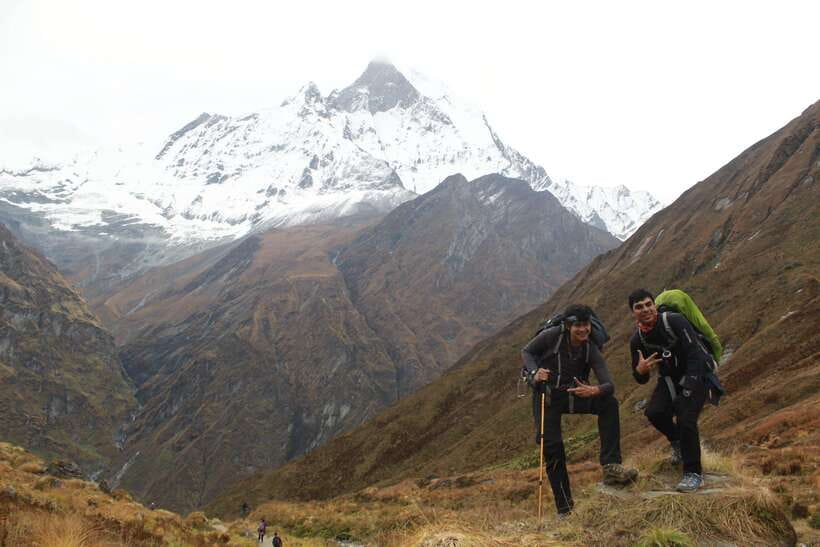
- Thorong La is the major test: The pass sits at 5,416 meters, with a long 7 to 9-hour crossing day from Thorong Phedi to Muktinath.
- The scenery changes fast: Expect subtropical valleys, terraced farms, alpine forests, dry mountain country, and huge views of Annapurna, Dhaulagiri, and Manaslu.
- Private guiding adds flexibility: Your guide can discuss each day’s route with you and adjust plans when needed, subject to safety and available accommodation.
- Food and lodging are separate costs: Teahouse accommodation is included, but meals are not. Hot showers and charging may cost extra at some lodges.
- The $430 price covers key logistics: Permits, transport, guide, teahouses, maps, a first aid kit, taxes, and a farewell dinner are included.
- The route needs careful checking: The detailed schedule and the broader description do not fully match, especially regarding Tatopani, Ghorepani, and Poon Hill.
Why the Annapurna Circuit remains such a strong choice
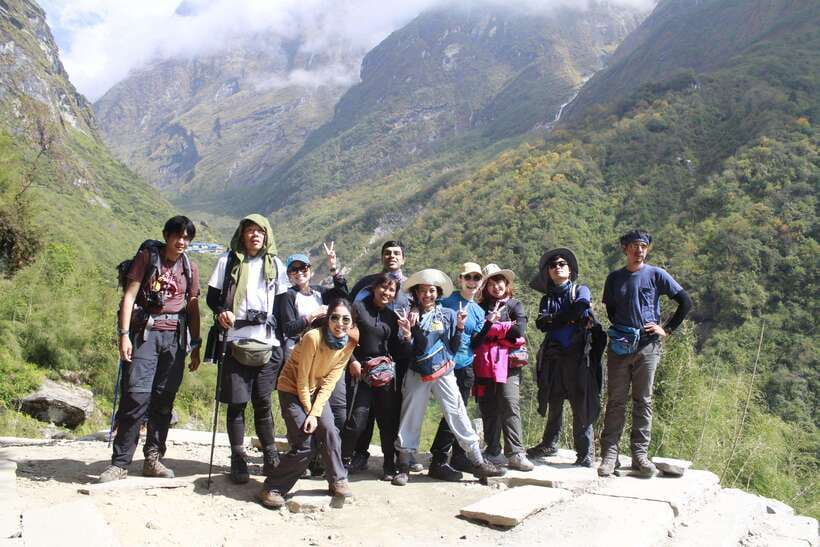
The Annapurna Circuit works because it gives you more than one kind of Nepal. In ten days, you move from green valleys near Besisahar to high, cold terrain around Thorong La, then into the drier Kali Gandaki area. Few short treks offer such a sharp change in scenery.
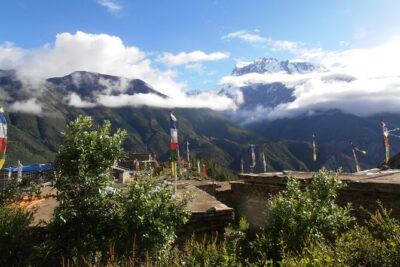
You follow the Marsyangdi River early on, passing terraced fields and villages where farming remains part of daily life. Higher up, the trees thin out and the air feels more severe. After the pass, the route changes again around Muktinath and Jomsom, where the country has a more Tibetan feel.
The route also carries real cultural weight. Ethnic villages, monasteries, temples, and teahouses give the walk a human scale. You are not simply ticking off viewpoints. You are moving between communities shaped by altitude, trade, farming, and pilgrimage.
The trek supports local businesses through guiding, lodging, food, transport, and porter work. That matters here because the money you spend reaches villages along a route where tourism is a major source of income.
More Annapurna Circuit Itineraries:
- Annapurna Circuit Trek with Tilicho Lake
★ 5.0 · 368 reviews - Annapurna Circuit Trek
★ 5.0 · 94 reviews - Annapurna Circuit Trek
★ 5.0 · 35 reviews
Day 1: Kathmandu or Pokhara to Dharapani
The first day is mainly a road journey. You drive to Dharapani, at 1,860 meters, in a trip listed at six to eight hours.
That long transfer gets you to the real starting point, but it can be tiring before you take your first serious trekking steps. Road conditions and traffic can affect the timing, so keep your expectations loose. If you are starting in Kathmandu, this is a full travel day. The package includes transport from Kathmandu or Pokhara to the trailhead, which removes one large planning task.
Dharapani gives you your first taste of the mountain villages and the lower Marsyangdi region. You are already above the low valleys, but not yet in the thin-air zone where altitude becomes the main concern.
Day 2: Dharapani to Chame at 2,670 meters
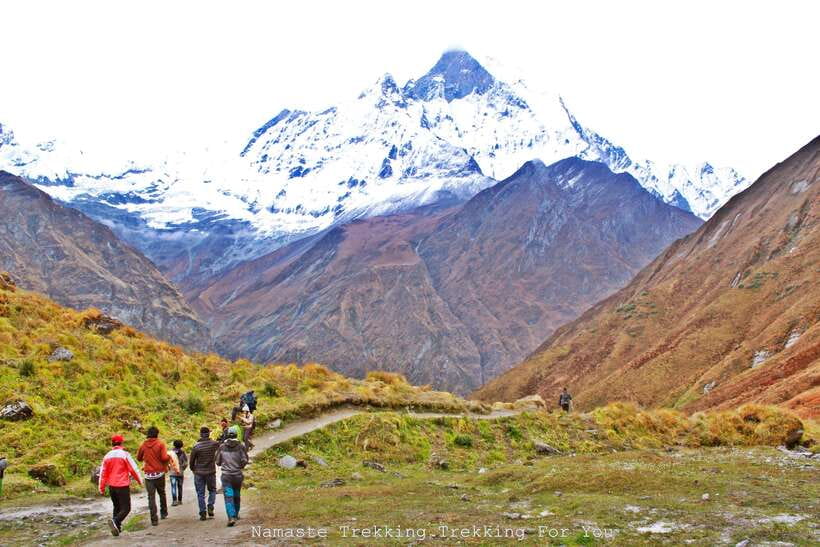
The walk to Chame takes about four to five hours. You gain more than 800 meters, so this is where your body begins to adjust to the steady climb.
The Marsyangdi River remains a regular companion, while the route moves through forest and village scenery. Chame is the administrative center of Manang District and a practical overnight stop before the higher country.
This day is not the hardest, but do not treat it as a casual stroll. A guide who watches your pace can help you avoid the common mistake of walking too quickly early in the trek. Kim, also spelled Khim in one booking, received especially strong praise for balancing jokes and encouragement with attention to how people felt each day.
Day 3: Chame to Pisang at 3,300 meters
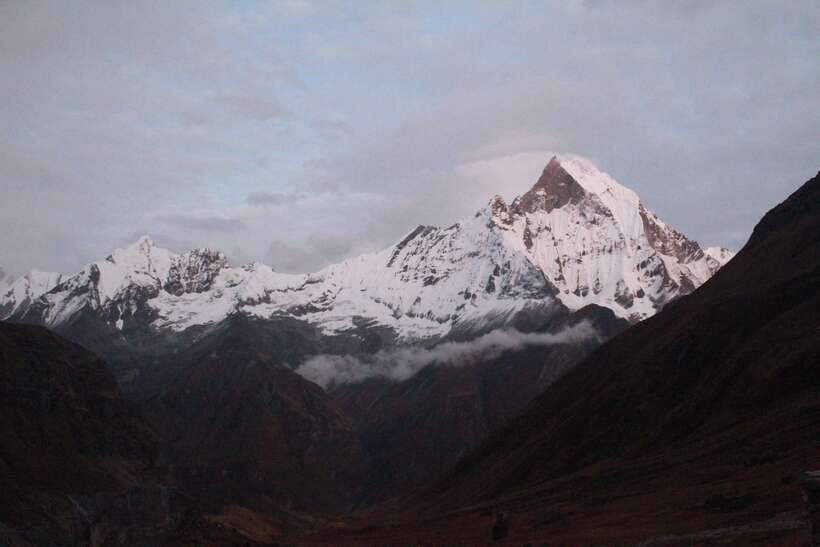
The five to six-hour walk to Pisang brings you firmly into mountain country. The route climbs through alpine forest, with the scenery becoming rockier and more open as you gain height.
Pisang is one of the most memorable villages on this section because it marks the transition toward the drier upper Manang area. You will notice a sharper contrast between the green lower valley and the rugged slopes ahead.
At 3,300 meters, altitude deserves respect. You may feel fine, or you may notice a headache, poor sleep, or a slower stride. Drink steadily, walk at a measured pace, and tell your guide early if something feels wrong.
More Treks and Hikes:
- Everest Base Camp Trek – 14 Days
★ 5.0 · 1,499 reviews - Everest Base Camp Trekking
★ 5.0 · 485 reviews - Nagarkot Sunrise View and Day Hiking from Kathmandu
★ 5.0 · 471 reviews - Everest Base Camp Trekking – 13 Day
★ 5.0 · 365 reviews
Day 4: Pisang to Manang at 3,540 meters
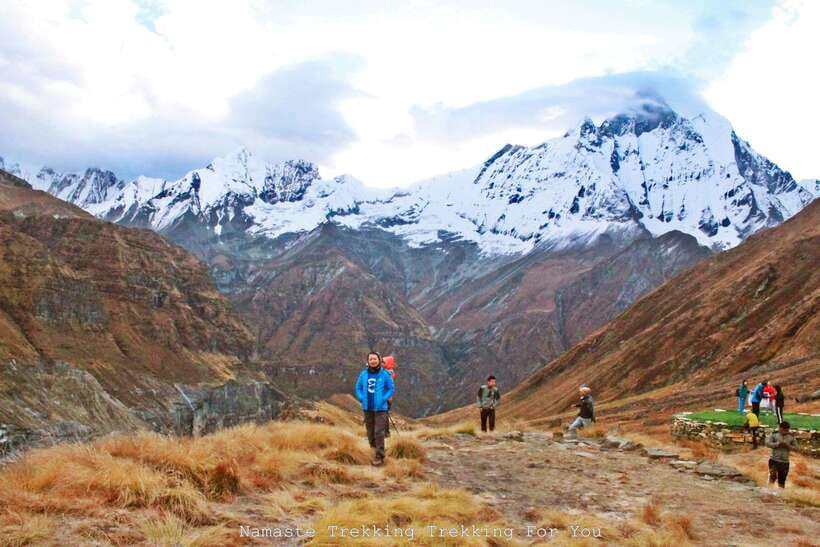
This five to seven-hour day takes you to Manang, one of the key settlements on the circuit. Manang is not just a place to sleep. It is the point where the route begins to feel genuinely high and exposed.
The scenery becomes drier and more open, with Himalayan peaks forming a dramatic backdrop. The route offers views toward the Annapurna range, and the wider circuit also gives you sightlines toward Dhaulagiri and Manaslu at different points.
Manang is where the schedule wisely slows down for an acclimatization day. That pause is not wasted time. It gives your body a better chance to cope with the climb to Yak Kharka, Thorong Phedi, and the pass.
Day 5: Acclimatization in Manang
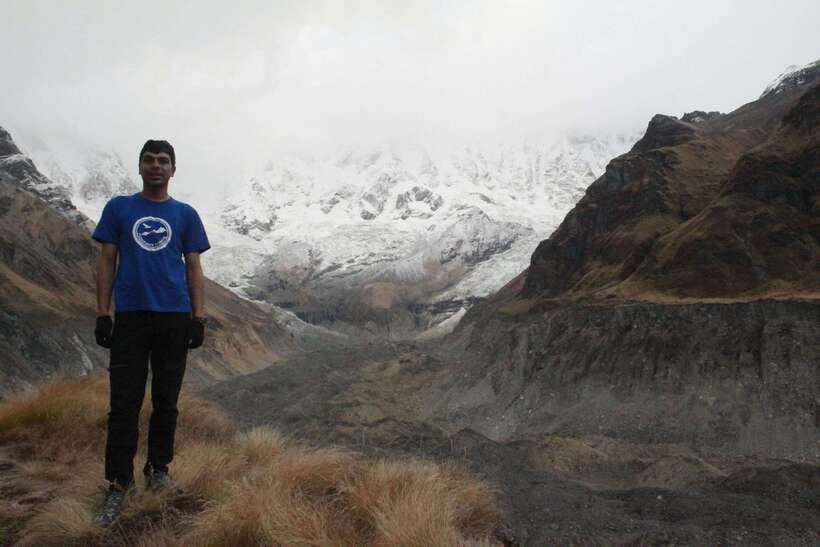
The plan lists a full day in Manang for rest, exploration, and adjustment to 3,540 meters. This is one of the most important days in the trip.
You can explore the settlement at an easy pace, keep your legs moving, and prepare for the higher stages. The supplied details do not specify a particular acclimatization walk, so ask your guide what is suitable on the day.
This is also a good point to check your gear. Sleeping bags, warm jackets, trekking poles, and other personal equipment are not included. A missing warm layer is a small problem in the lower valley and a serious one near Thorong La.
Day 6: Manang to Yak Kharka at 4,000 meters
The four to five-hour walk to Yak Kharka takes you above 4,000 meters. The distance is manageable, but the altitude changes the effort. A short uphill stretch can feel much longer than it did two days earlier.
The country becomes more barren and alpine, with fewer trees and less shelter. This is the part of the route where the description of scenery resembling Tibet begins to make sense.
Your guide’s judgment matters here. Nir was praised for discussing the route each day, choosing practical lodging, and finding ways to avoid unpleasant road sections. That kind of local decision-making can make a real difference when you are tired, the weather shifts, or the trail conditions are less pleasant than expected.
Day 7: Yak Kharka to Thorong Phedi at 4,450 meters
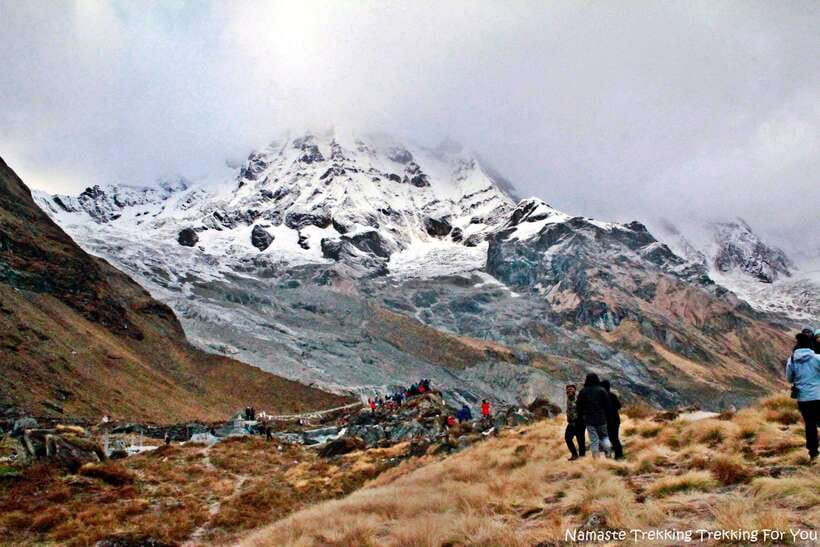
This is a shorter four to five-hour day, but it puts you at the last overnight stop before the pass. Thorong Phedi sits at 4,450 meters, and you should use the afternoon for rest rather than extra exertion.
The goal is simple: eat, drink, organize your pack, and sleep as well as the altitude allows. The next day is the hardest of the trek.
Some lodges at this height may have limited hot water and charging facilities. Those services are specifically excluded at some teahouses, so keep essential electronics charged when you can and carry the clothing you need without relying on a shower.
Day 8: Thorong La Pass and the descent to Muktinath
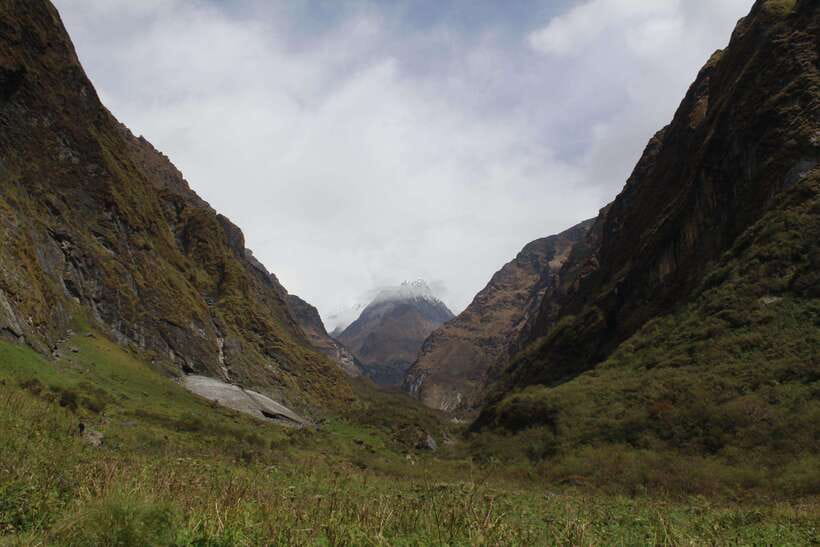
This is the defining day. You leave Thorong Phedi, climb to Thorong La at 5,416 meters, and then descend to Muktinath at 3,710 meters. The listed walking time is seven to nine hours.
The climb is demanding because of the altitude, not just the distance. Your reward is a high mountain crossing with broad views toward Annapurna, Dhaulagiri, and Manaslu. The pass is thrilling, but it is not a place to rush for a photograph.
The descent to Muktinath is long and can be hard on your knees. The good news is that you lose more than 1,700 meters after the pass, so breathing generally becomes easier as you go down.
Muktinath is a sacred town with ancient temples and monasteries. Its religious importance gives the stop a different mood from the trekking settlements before it. Take time to look around, but remember that this has been a very long day.
One booking described a 61-year-old father reaching the pass with his son under Milan’s guidance. That does not make the crossing easy, but it shows what careful support and steady preparation can help you achieve. Fitness, health, and altitude response still vary from person to person.
Day 9: Muktinath to Jomsom
The five to six-hour route to Jomsom takes you farther into the Kali Gandaki region. Jomsom sits at 2,720 meters, so the lower altitude should feel welcome after the pass.
The route is known for its dry mountain scenery and views framed by Annapurna and Dhaulagiri. You also pass through the wider Kali Gandaki Gorge, described as the deepest gorge in the world.
Marpha is listed in the broader trip description as a stop along this section of the route. The village is known for apple orchards and is one of the more charming places in the region. However, the day-by-day schedule names only Muktinath to Jomsom, so ask if Marpha is included in your specific plan rather than assuming it is.
The same caution applies to Tatopani, Ghorepani, and Poon Hill. They appear in the general description, but not in the detailed ten-day schedule. If soaking in natural hot springs at Tatopani or seeing the sunrise from Poon Hill is a priority, get the route confirmed in writing.
Day 10: Jomsom to Pokhara by road
The final day is a six to eight-hour drive to Pokhara. It is a practical ending rather than another long walk.
You return from the dry Mustang side toward the greener Pokhara region. After ten days on foot, the road journey may feel long, but it delivers you to the city without requiring another overnight trek.
The package includes transport to Pokhara. It also includes a farewell dinner, a small but welcome closing touch after a demanding trip.
Teahouses, meals, and what the $430 covers
At $430 per person, this is a low headline price for a private ten-day trek, but you need to read the inclusions carefully. The package covers ACAP and TIMS permits, transport, an English-speaking guide, teahouse accommodation, a first aid kit, trekking maps, government taxes, service charges, and a farewell dinner.
Meals are not included. That gives you some freedom, but you need a separate food budget for breakfast, lunch, and dinner throughout the trek. Hot showers and charging also may cost extra at some teahouses.
Personal gear is your responsibility. The package does not include sleeping bags, jackets, trekking poles, or similar equipment. Travel insurance is mandatory and must cover high-altitude trekking, so this is not an area where you should cut corners.
The best value comes from the private format and the guide support. Francesca described planning each day around how she felt, while Cata praised route adjustments and sensible accommodation choices. Those details suggest the price is strongest for people who want personal attention rather than a fixed, large-group schedule.
Guide support and the private-group advantage
The guide may shape your experience more than any single viewpoint. The names most associated with this trip are Kim or Khim, Nir, and Milan. Dill was also praised as a porter, alongside Khim.
The strongest pattern is care. Kim was praised for support, mountain passion, humor, and professionalism. Nir was valued for discussing plans and avoiding dusty road sections when possible. Milan was credited with making people feel safe and handling details closely.
You should still ask who your assigned guide will be. The guide names do not guarantee that one particular person will lead your departure.
A private group also means you are not locked into the pace of strangers. That helps if your group wants to pause, needs a gentler day, or prefers more time in a village. It does not remove the limits imposed by altitude, teahouse availability, weather, or the fixed ten-day schedule.
Who should book this trek
I would recommend this route to you if you want a demanding Himalayan trek with strong cultural contact and major scenery changes. It suits people who are comfortable walking for several hours a day and preparing seriously for high altitude.
It is especially appealing if you value a private guide, simple teahouse lodging, and local support over polished hotel comfort. The route has a clear physical goal, but it also gives you temples, monasteries, villages, orchards, and mountain communities along the way.
This is not suitable for pregnant women, according to the stated restrictions. Anyone with concerns about high-altitude trekking should also check the insurance requirement and seek appropriate medical advice before committing.
The route may not suit you if you need guaranteed hot showers, reliable charging, included meals, or a relaxed timetable. It also needs extra checking if your main goal is Tatopani, Ghorepani, or Poon Hill, since those places are described broadly but not included in the detailed schedule.
Should you book the Annapurna Circuit Trek?
Book it if crossing Thorong La is your main goal and you want a private, guided route at a modest starting price. The combination of permits, transport, teahouses, guide service, and a ten-day itinerary gives you a useful base for planning.
Before paying, confirm the exact guide, meal costs, personal gear requirements, and the final route after Jomsom. Ask directly if Marpha, Tatopani, Ghorepani, and Poon Hill are included or simply part of a longer version of the circuit.
If those points are clear, this looks like a strong choice for a fit hiker who wants Nepal’s mountains without arranging every permit, vehicle, and lodge alone. The pass will demand your effort, but the cultural stops and changing scenery give the trek plenty of rewards before and after that big day.
FAQ
How long is the Annapurna Circuit Trek?
The trek lasts 10 days. The schedule begins with travel from Kathmandu or Pokhara to Dharapani and ends with a drive from Jomsom to Pokhara.
What is the highest point on the trek?
The highest point is Thorong La Pass at 5,416 meters, or 17,769 feet.
Is the trek suitable for pregnant women?
No. Pregnant women are listed as not suitable for this activity.
Are meals included in the price?
No. Meals during the trek are not included.
Is accommodation included?
Yes. Teahouse accommodation during the trek is included.
Is a guide provided?
Yes. The package includes an experienced English-speaking guide, and the group type is private.
Are permits included?
Yes. The Annapurna Conservation Area Permit and TIMS permit are included.
Is travel insurance required?
Yes. Travel insurance is mandatory, and it must cover high-altitude trekking.
Just added around Nepal
- Nagarkot Sunrise With 7 UNESCO World Heritage Private Tour★ 5.0 · 3 reviews
- Private Shopping Tour in Kathmandu★ 5.0 · 3 reviews
- Nagarkot Sunrise and Hike to Changu Narayan Temple★ 5.0 · 3 reviews
- Kathmandu: Nightlife and Pub Crawl Tour★ 5.0 · 3 reviews
- Mount Everest Scenic Flight 50 Minutes★ 5.0 · 3 reviews
- Kathmandu: Nagarkot, Bhaktapur, Doleswor & Sanga Statue Tour★ 5.0 · 3 reviews
- Momo Cooking Class -The Art Of Making MoMo with Home Chef★ 5.0 · 3 reviews
- Kathmandu: Momo Making Class with a Local Chef★ 5.0 · 3 reviews
Annapurna Circuit Treks, compared.

15-Day Private Annapurna Circuit Trek from Kathmandu
Read our review →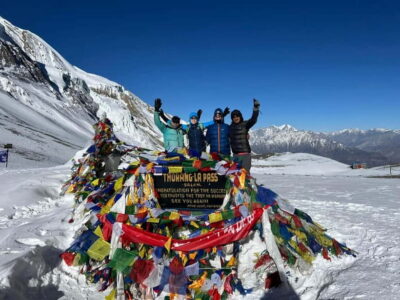
Browse the lists this tour appears in