
Reviewed · LANGTANG VALLEY TREKS
Langtang Valley Trek
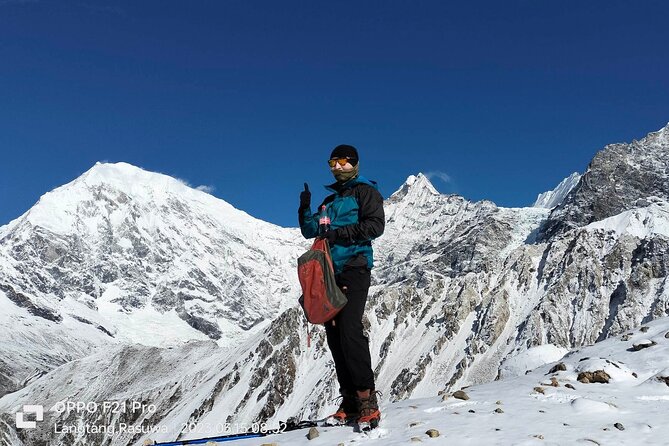
Mountain views begin after the long road ride. This 8-day Langtang Valley Trek takes you from Kathmandu into a remote Himalayan valley with forests, traditional villages, high meadows, and the fine mountain hub of Kyanjin Gompa. I like the small group size of up to 12 and the practical inclusion of a porter shared between two people. I also like the helpful preparation offered by Mosaic Adventure, including a pre-trip meeting, packing advice, and free rental equipment selection. The main drawback is simple: the local bus to Syabrubesi can take about seven hours, and the tea house rooms are functional rather than luxurious.
This is a trek for people who want real mountain walking without committing to the longer Everest or Annapurna circuits. The route reaches 4,773 meters at Kyanjin Ri, or 4,984 meters at Tsergo Ri, so you still need solid fitness and a sensible approach to altitude. The itinerary is straightforward, with four days moving into the valley, a high day around Kyanjin, and two days walking back out.
In This Review
- Five things to know before you book
- Why Langtang works so well from Kathmandu
- Day 1: Kathmandu to Syabrubesi by local bus
- Day 2: River trails and forest to Lama Hotel
- Day 3: Climbing toward Langtang Village at 3,430 meters
- Day 4: The final approach to Kyanjin Gompa
- Day 5: Choose Kyanjin Ri or Tsergo Ri
- Days 6 and 7: Returning through forest to Syabrubesi
- Day 8: The ride back to Kathmandu
- What the $560 price includes
- How the guiding and support affect the experience
- Who should book this trek?
- Should you book the Langtang Valley Trek?
- FAQ
- How long is the Langtang Valley Trek?
- Where does the trek start?
- How long is the bus ride to Syabrubesi?
- What time does the experience start?
- What is the highest point on the trek?
- Is Kyanjin Ri or Tsergo Ri included?
- What meals are included?
- Are drinks included?
- Is a porter included?
- What happens if I cancel?
Five things to know before you book
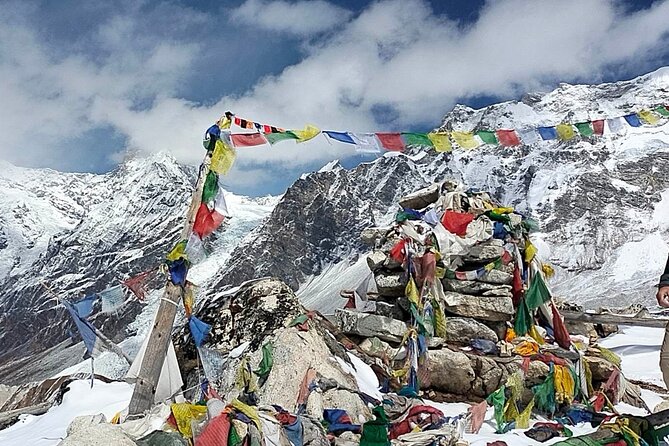
- Kyanjin Gompa is the scenic high point: The monastery area offers broad views toward Langtang Lirung and Langshisha, with optional climbs above 4,700 meters.
- The route begins with a long bus ride: The road from Kathmandu to Syabrubesi takes roughly seven hours, depending on traffic.
- A porter is included for every two people: This can make the daily walking much easier, though you should confirm luggage limits before departure.
- The highest day is optional: You can choose the shorter Kyanjin Ri walk or the longer Tsergo Ri outing.
- The trek has a personal support style: Guides named in past departures include Purna, Pralhad, Madan, and Ram, with special praise for their patience, flexibility, and care.
- The price is useful for a supported trek: At $560 per person, transport, tea house lodging, permits and taxes, meals, and porter service are included.
Why Langtang works so well from Kathmandu
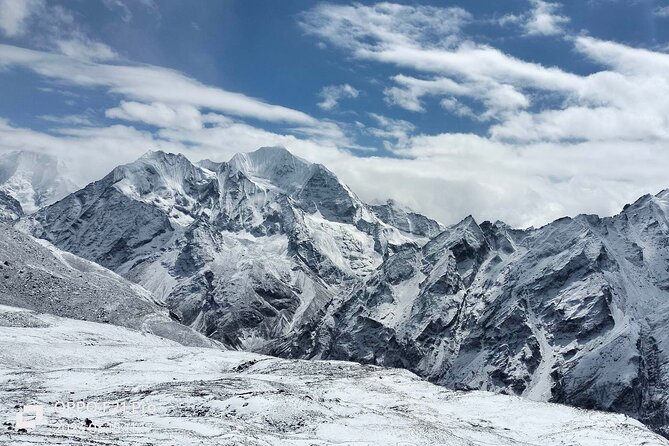
Langtang is one of Nepal’s most accessible high mountain trekking areas from the capital. You do not spend several days flying or driving to a remote trailhead, but you still reach a valley backed by snow peaks and crossed by mountain rivers.
The route lies north of Kathmandu near the Tibetan border, inside Langtang National Park. The scenery changes as you walk: farmland and villages give way to forest, then to open meadows and high mountain country. Rhododendron, oak, maple, alder, and pine trees line much of the lower route.
You might spot signs of wildlife, including langur monkeys, wild boar, ghoral, musk deer, or the endangered red panda. Sightings are never guaranteed, so think of the forest as a bonus rather than the main reason to book. The real prize is the gradual change from green river valley to high Himalayan rock and snow.
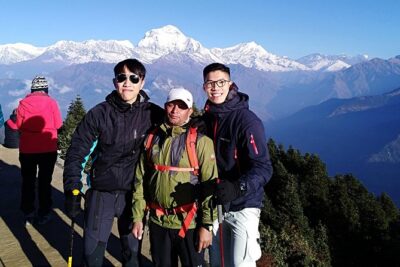
Langtang Lirung, at 7,246 meters, dominates the skyline. The mountains do not appear all at once. Instead, you get glimpses through trees and along river bends before the views open wider near Langtang Village and Kyanjin Gompa.
More Langtang and Gosaikunda Treks:
- Langtang Valley Trek
★ 5.0 · 140 reviews - Langtang Valley Trek
★ 5.0 · 50 reviews - Private 8 – Day Langtang Trekking
★ 5.0 · 29 reviews
Day 1: Kathmandu to Syabrubesi by local bus
The first day is mostly transport. You leave Kathmandu at about 6:45 am and ride a local bus to Syabrubesi, with the journey taking around seven hours depending on traffic.
This is not a polished tourist transfer. That is part of the point, but it also means you should expect a tiring day before the walking begins. You will see countryside views along the way, and the changing scenery helps explain why the trek feels so different from Kathmandu.
Pickup is offered, but confirm the exact meeting point and pickup details before departure. Keep water, snacks, warm layers, and anything you need during the ride in your day bag. Your larger luggage may be handled by the porter team once the trek begins.
Syabrubesi is the trailhead and the place where the walking route starts and ends. After a long bus ride, do not expect this day to feel like a vacation day. It is best treated as a necessary travel stage.
Day 2: River trails and forest to Lama Hotel
Your first walking day reaches Lama Hotel at about 2,500 meters. The route is described as easy to moderate, with gentle climbs, well-defined paths, riverbank trails, forest tracks, and suspension bridges.
This is a good introduction to the rhythm of Himalayan trekking. You walk beside the Langtang Khola, cross bridges, and gain height through thick forest. The trail does not begin with a dramatic high pass. Instead, it builds steadily, giving your legs time to settle into the work.
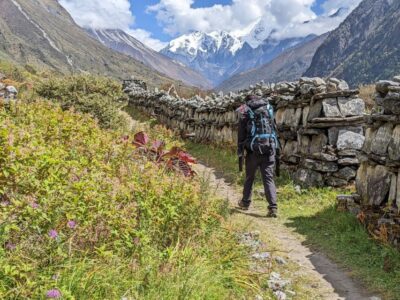
The forest is one of the pleasures of the lower valley. Rhododendron, oak, maple, alder, and pine create shade and bring a cooler feel to the walk. The sound of the river helps break up the long stretches of walking.
Lama Hotel is not a luxury stop. Tea house accommodation is included, which keeps the cost down and places you close to the route. Rooms can be basic, and one of the strongest practical cautions for this trek is that accommodation quality may not always match what you find in city hotels. You are paying for access to the mountains, meals, and support, not comfort at every stop.
Day 3: Climbing toward Langtang Village at 3,430 meters
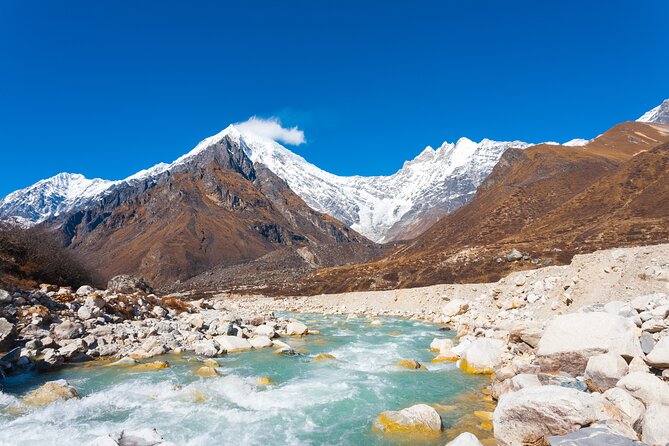
The third day takes roughly six and a half hours and reaches Langtang Village at about 3,430 meters. The trail continues through forest and along the river, with gentle inclines, grassy meadows, pine trees, and views toward Langtang Lirung.
This is an important day because the altitude begins to matter. You are gaining nearly 1,000 meters from Lama Hotel, so a steady pace is more useful than trying to finish quickly. The guides praised most highly in the available trip feedback were the ones who adjusted the pace, answered questions, and kept the mood positive.
Purna received particular praise for his care and leadership, while Pralhad was described as energetic, reliable, flexible, and professional. Madan was singled out for helping a young trekker who developed altitude sickness, even physically assisting him during difficult sections. That kind of support matters more than a fast pace when you are tired or feeling unwell.
Langtang Village is a key stop in the valley. You are now beyond the lower forest zone and closer to the open mountain views that define the trek. The route remains a working trail through communities, rather than a staged sightseeing path. You will see farmland, mountain homes, and the daily life of villages that depend on this corridor.
More Treks and Hikes:
- Everest Base Camp Trek – 14 Days
★ 5.0 · 1,499 reviews - Everest Base Camp Trekking
★ 5.0 · 485 reviews - Nagarkot Sunrise View and Day Hiking from Kathmandu
★ 5.0 · 471 reviews - Annapurna Circuit Trek with Tilicho Lake
★ 5.0 · 368 reviews
Day 4: The final approach to Kyanjin Gompa
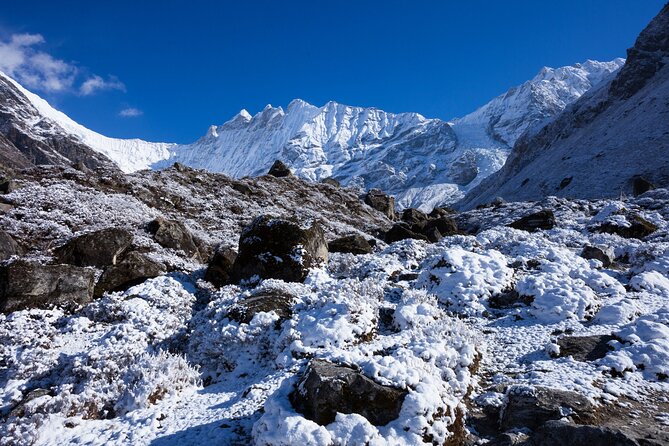
The walk to Kyanjin Gompa takes about five hours. The route passes farmland, bridges, and gentle ascents, with views toward Langshisha and Langtang Lirung.
The walking is moderate, but the altitude is now serious. Kyanjin Gompa is the highest overnight base on the main route, and reaching it is the central goal of the trek. The setting feels open and exposed compared with the lower forest sections, with broad mountain views and high meadows replacing much of the tree cover.
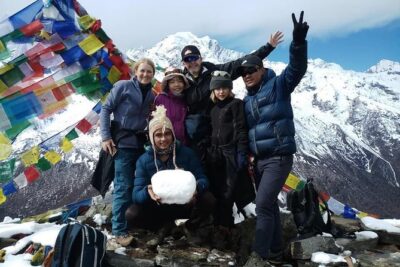
The gompa is famous in the Langtang area and gives the trek its strongest sense of arrival. You have not just reached another village. You have reached a high mountain base where the surrounding peaks become the main event.
This is also a good place to slow down. Do not treat arrival as a signal to rush into a climb. Eat, drink, rest, and let your body adjust before deciding how much you want to do the next day.
Day 5: Choose Kyanjin Ri or Tsergo Ri
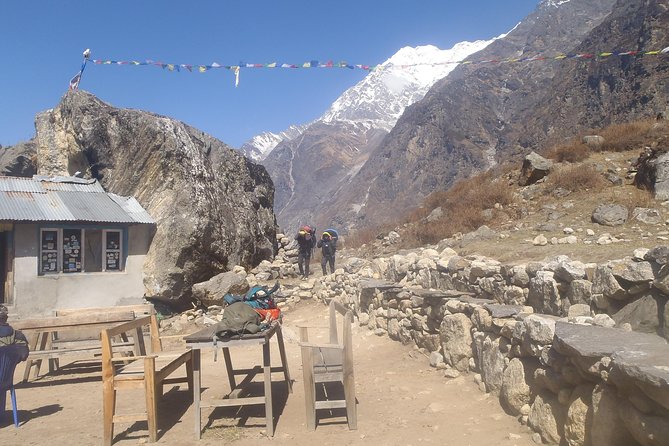
The fifth day gives you a choice. Kyanjin Ri is about a three-hour return walk and reaches 4,773 meters. Tsergo Ri is a much longer seven to eight-hour outing and reaches approximately 4,984 meters.
Kyanjin Ri is the sensible choice if you want a shorter high-altitude walk with strong views but do not want to spend most of the day climbing. Tsergo Ri is for hikers who are fit, acclimatized, and ready for a demanding day. Your group decides which option fits its energy and conditions.
The difference between the two is not just distance. At this altitude, every uphill section feels harder, and weather can change the character of the day. A guide should help you make the choice based on how you are feeling, not on pride or pressure.
The route information does not promise a particular summit view, so keep your expectations sensible. On a clear day, the high points can offer memorable views of Langtang Lirung and surrounding peaks. In cloud or poor weather, the walk may still be worthwhile, but the scenery can be limited.
If you have any symptoms of altitude sickness, do not continue upward. The itinerary offers a strong mountain experience without requiring you to reach the highest option.
Days 6 and 7: Returning through forest to Syabrubesi
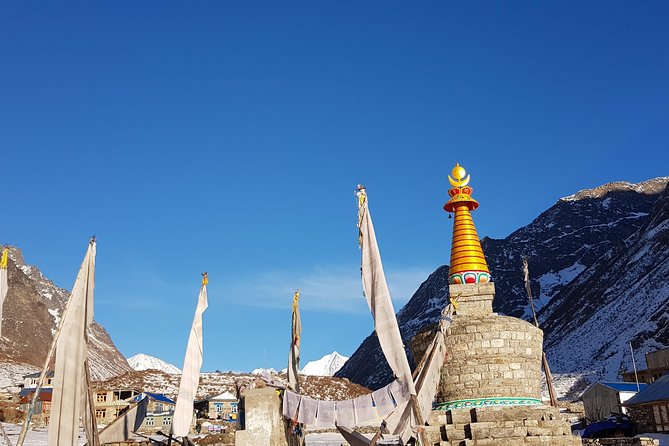
Day 6 retraces the route to Lama Hotel, taking about six hours through forest and along the river. Walking back on the same trail may sound repetitive, but the scenery looks different in reverse, and the descent is easier on breathing even if it can be demanding on knees.
The pine forest is especially pleasant here. You may also notice giant beehives and have another chance to look for wildlife. The lower valley gives you a final stretch of shaded walking before the trail begins to feel more familiar.
Day 7 continues down to Syabrubesi. Expect gentle and some steep descents on well-defined paths. By now, your legs may be tired, so trekking poles could be useful, although equipment details should be confirmed with the operator.
Returning to the starting point gives the trek a clean shape. You finish the walking days in Syabrubesi and prepare for the bus back to Kathmandu. It is not an itinerary padded with extra sightseeing. Nearly every day has a clear purpose: reach the valley, reach the high point, then walk out.
Day 8: The ride back to Kathmandu
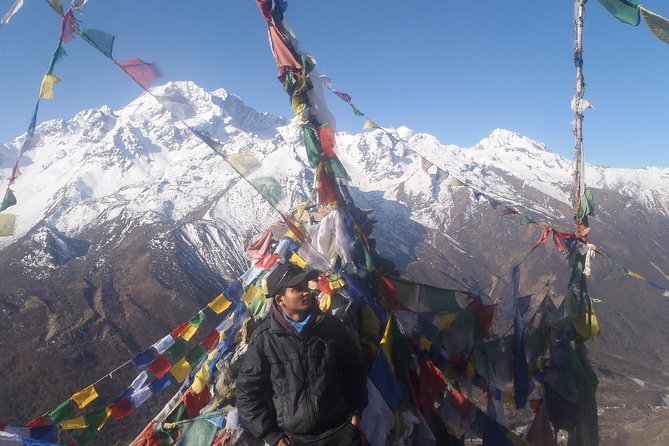
The final day repeats the local bus journey to Kathmandu. The ride takes roughly seven hours, depending on traffic, so do not plan an important flight or tight connection immediately afterward.
Once back in the capital, the plan is simple and sensible: take a hot shower, rest your legs, and spend the evening around Thamel if you still have energy. A massage is suggested as a way to recover from the walking.
The bus is the least glamorous part of the trip, but it is included in the price and keeps the package affordable. You should see it as part of the practical trade-off for reaching Langtang without paying for private transport.
What the $560 price includes
At $560 per person, the package offers good value for a supported eight-day trek. Included are bus transport from Kathmandu to Syabrubesi and back, tea house accommodation, all fees and taxes, a porter shared between two participants, and meals.
The meal allowance covers eight lunches, seven dinners, and seven breakfasts. Drinks are not included, so budget separately for tea, coffee, bottled water, and other beverages. Tipping is also excluded.
The shared porter arrangement is especially useful if you are a couple or traveling with a friend. You do not need to carry every item yourself, but you should pack sensibly and ask how much luggage the porter can take.
The strongest value comes from the combination of support and access. You get a guide, porter service, lodging, meals, and trail transport for less than a fully private or luxury Himalayan trip would cost. The trade-off is basic tea house comfort and a long local bus ride.
How the guiding and support affect the experience
The human side of this trek has received unusually strong praise. The names most often associated with positive experiences include Purna, Ram, Pralhad, Madan, Rupak, Naresh, and Kesab.
Purna was praised for making the trek feel personal and well managed. Ram was described as attentive and helpful. Pralhad was noted for his positive attitude and ability to adjust plans. Madan’s response to altitude sickness is particularly important because it shows the practical value of having support on a high route.
Mosaic Adventure also offers preparation before departure. A pre-trip meeting, packing list, and free equipment rental selection can remove some of the usual uncertainty, especially if this is your first Himalayan trek.
Still, no guide can remove the physical demands of the route. You need moderate physical fitness, patience on the long bus days, and the discipline to speak up if you feel unwell.
Who should book this trek?
I would recommend it to hikers who want:
- An eight-day Himalayan route from Kathmandu
- Forest walking, mountain villages, rivers, and snow peaks
- A high point at Kyanjin Ri or Tsergo Ri
- A guided trip with porter support
- A smaller group, capped at 12 people
- A lower-cost alternative to longer Nepal trekking routes
I would be more cautious if you want comfortable hotels, private transport, or a relaxed schedule with short walking days. This is also not a good fit if you dislike basic lodging or have not prepared for sustained uphill and downhill walking.
Families may find the route workable in some cases, but the altitude requires close attention. One young trekker needed major assistance after developing altitude sickness, so do not judge the trek only by the distance in hours. Conditions can change quickly.
Should you book the Langtang Valley Trek?
Book it if you want a well-priced, properly supported mountain trek with a strong mix of forest, village, and high-altitude scenery. The route reaches impressive heights without requiring the length of a major circuit, and Kyanjin Gompa gives the journey a clear and rewarding goal.
Before paying, confirm the pickup point, luggage arrangement, porter allowance, equipment rental, and the likely tea house standards. Also decide in advance that you will choose Kyanjin Ri rather than Tsergo Ri if your body is not ready for the longer climb.
For fit hikers who value scenery and personal support over comfort, this is a very good choice. The 4.9 rating from 20 submitted ratings and a 100 percent recommendation rate fit the practical strengths of the trip: responsive planning, caring guides, useful porter service, and a route that packs a lot of Himalayan scenery into eight days.
FAQ
How long is the Langtang Valley Trek?
The trek lasts approximately eight days, including bus travel from Kathmandu to Syabrubesi and the return bus ride to Kathmandu.
Where does the trek start?
The walking portion starts in Syabrubesi, which you reach by local bus from Kathmandu.
How long is the bus ride to Syabrubesi?
The bus ride takes roughly seven hours, depending on traffic and road conditions.
What time does the experience start?
The stated start time is 6:45 am.
What is the highest point on the trek?
You can choose Kyanjin Ri at approximately 4,773 meters or Tsergo Ri at approximately 4,984 meters.
Is Kyanjin Ri or Tsergo Ri included?
Day 5 offers both options. Kyanjin Ri takes about three hours round trip, while Tsergo Ri takes approximately seven to eight hours.
What meals are included?
The package includes eight lunches, seven dinners, and seven breakfasts.
Are drinks included?
No. Tea, coffee, bottled water, and other beverages are not included.
Is a porter included?
Yes. One porter is included for every two participants.
What happens if I cancel?
You can receive a full refund if you cancel at least six full days before the experience start time. Cancellation two to six full days before the start may receive a 50 percent refund, while cancellation less than two full days before the start is not refundable.
Just added around Kathmandu
- Private Shopping Tour in Kathmandu★ 5.0 · 3 reviews
- Nagarkot Sunrise With 7 UNESCO World Heritage Private Tour★ 5.0 · 3 reviews
- Mount Everest Scenic Flight 50 Minutes★ 5.0 · 3 reviews
- Kathmandu: Nightlife and Pub Crawl Tour★ 5.0 · 3 reviews
- Momo Cooking Class -The Art Of Making MoMo with Home Chef★ 5.0 · 3 reviews
- Kathmandu: Nagarkot, Bhaktapur, Doleswor & Sanga Statue Tour★ 5.0 · 3 reviews
- Makalu Base Camp Trek★ 5.0 · 3 reviews
- Everest Experience Trek 6 Day Hiking Adventure★ 5.0 · 3 reviews
Langtang Valley Treks, compared.
Trekking in Annapurna/Langtang/Everest/Upper Mustang regions
Read our review →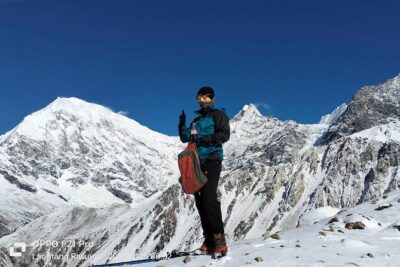
Browse the lists this tour appears in