
Reviewed · LANGTANG VALLEY TREKS
Kathmandu: 6 Days Langtang Valley Trek with Kyanjin Ri
Mountain air comes quickly in Langtang. I like the Tamang village encounters and the chance to visit Kyanjin Gompa, and I especially like that the optional Kyanjin Ri climb gives you a serious mountain viewpoint without adding another trekking day. The main consideration is altitude: the route reaches 3,870 meters at Kyanjin Gompa and 4,770 meters at Kyanjin Ri, with no separate acclimatization day.
This is also a nicely contained Himalayan trip. You get five nights on the trail, meals with the full-package option, permits, transport, and an English or Hindi-speaking guide for $179 per person. Guides such as Ghanshyam and Sudarshan have been praised for adjusting the pace, checking on health, and making first-time trekkers feel comfortable, while a porter costs extra.
In This Review
- Key points to know before booking
- Why this six-day Langtang trip works
- Day 1: Kathmandu to Syabrubesi, then Pahiro at 1,550 meters
- Day 2: Pahiro to Ghoda Tabela at 2,900 meters
- Day 3: Ghoda Tabela to Kyanjin Gompa at 3,870 meters
- Day 4: Kyanjin Ri at 4,770 meters, then down to Thangsyap
- Day 5: Thangsyap to Syabrubesi
- Day 6: Return to Kathmandu
- The guide makes a real difference
- Food, gear, and daily comfort
- When to go for clearer mountain views
- Who should book this trek?
- Should you book the Langtang Valley Trek?
- FAQ
- How long is the Langtang Valley Trek?
- What is the highest point on the route?
- Is the Kyanjin Ri hike required?
- Is a guide included?
- Is a porter included in the price?
- Are meals included?
- What accommodation is provided?
- What should I bring?
- Is travel insurance included?
- Can the itinerary change?
Key points to know before booking
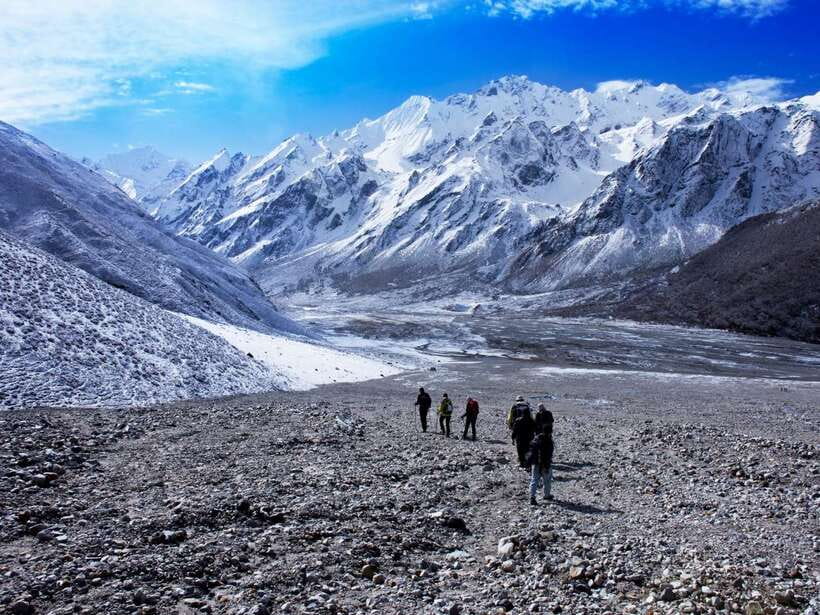
- Kyanjin Ri at sunrise is the trip’s big prize, with wide views of snowy peaks and glacial valleys when conditions are clear.
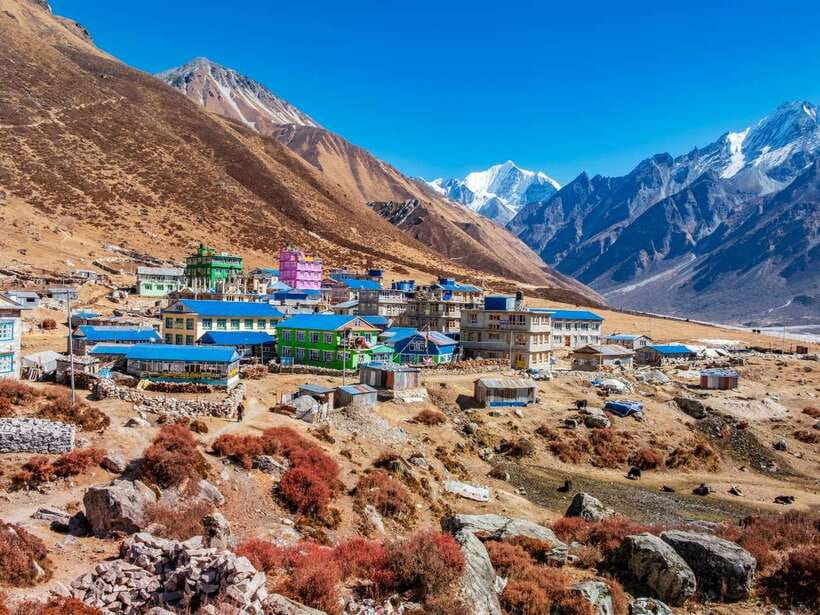
- Tamang culture is part of the walk, not a side activity, with mountain villages, local hospitality, monasteries, and cheese tasting along the route.
- The route is short but not easy, rising from Syabrubesi to 3,870 meters before the optional 4,770-meter summit.
- Day 1 includes a long drive, followed by a trek to Pahiro, so you begin walking after time on winding mountain roads.
- A porter is not included, but one past participant found hiring a porter well worth the extra cost.
- The best weather windows are mid-March to April and October to mid-November, though mountain conditions can change quickly.
Why this six-day Langtang trip works
Langtang offers a useful middle ground for you. It gives you real mountain villages, high-altitude walking, forest trails, and big Himalayan views, but it fits into six days from Kathmandu. You do not need to devote two weeks to a longer Nepal trek.
I like the way the trip mixes scenery with daily life. You follow the Langtang River, pass through forests and villages, meet Tamang communities, and reach Kyanjin Gompa, rather than simply walking from one viewpoint to another. The cultural side feels built into the route.
The price is also attractive. At $179 per person, the package includes hotel pickup and drop-off, trekking permits, necessary paperwork, government taxes, five nights of accommodation, and staff costs. Full-package bookings include breakfast, lunch, and dinner during the trek.
Read the inclusions carefully before you compare prices. Drinks, bottled or boiled water, showers, battery charging, laundry, personal expenses, insurance, extra porters, and international flights are not covered. The description also says porter charges are extra, so budget for that if you want to carry a lighter pack.
The group is described as private, which should give you more control over your pace and breaks. Transportation is listed as shared according to the number of people, so you should expect the road transfer to be less private than the trek itself.
More Langtang and Gosaikunda Treks:
- Langtang Valley Trek
★ 5.0 · 140 reviews - Langtang Valley Trek
★ 5.0 · 50 reviews - Private 8 – Day Langtang Trekking
★ 5.0 · 29 reviews
Day 1: Kathmandu to Syabrubesi, then Pahiro at 1,550 meters
Your first day is partly a road journey. The drive from Kathmandu to Syabrubesi follows mountain roads through villages and green countryside, giving you an early look at rural Nepal before your boots hit the trail.
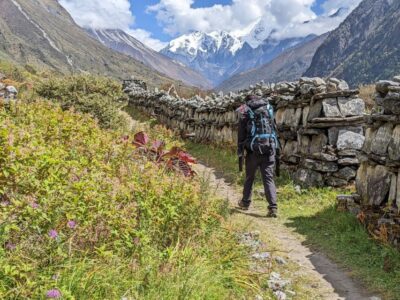
Once you reach Syabrubesi, you walk beside the Langtang River and through forest paths toward Pahiro. The overnight elevation is 1,550 meters, so this first walking section is relatively low compared with the days ahead.
The catch is simple: driving and trekking on the same day can feel tiring. You should arrive ready for a full travel day rather than treating the first day as a gentle introduction. Hotel pickup is included, and you are asked to wait in your hotel lobby 10 minutes before departure. The driver will hold a sign with your last name.
Pahiro is a practical first stop. It gets you onto the trail and begins the gradual move into the valley, but it is not the day for dramatic high-altitude views. Think of it as the transition from Kathmandu traffic to river sounds and forest walking.
Day 2: Pahiro to Ghoda Tabela at 2,900 meters
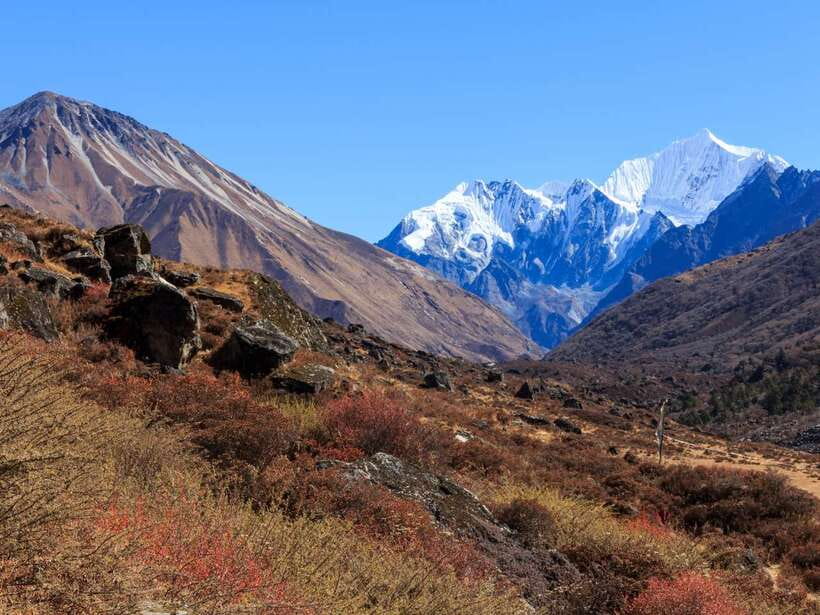
Day 2 brings a larger gain in height. The trail passes through green forest, villages, waterfalls, and sections with views toward snow-capped peaks before reaching Ghoda Tabela at 2,900 meters.
This is where the trek begins to feel properly Himalayan. The forests give shade and texture to the walk, while waterfalls and glimpses of high peaks keep the route from becoming a simple uphill grind. You will have more time on foot today, so your guide’s pacing matters.
The increase from 1,550 to 2,900 meters is significant. You may feel fine, but you should not treat that as proof that altitude will not affect you later. Walk steadily, drink water, and tell your guide about headaches, nausea, fatigue, or a reduced appetite instead of trying to hide symptoms.
The itinerary does not include a separate acclimatization day. That makes this six-day version efficient, but it also makes sensible pacing important. A private group can help here because your guide may be able to adjust breaks to your condition.
Day 3: Ghoda Tabela to Kyanjin Gompa at 3,870 meters
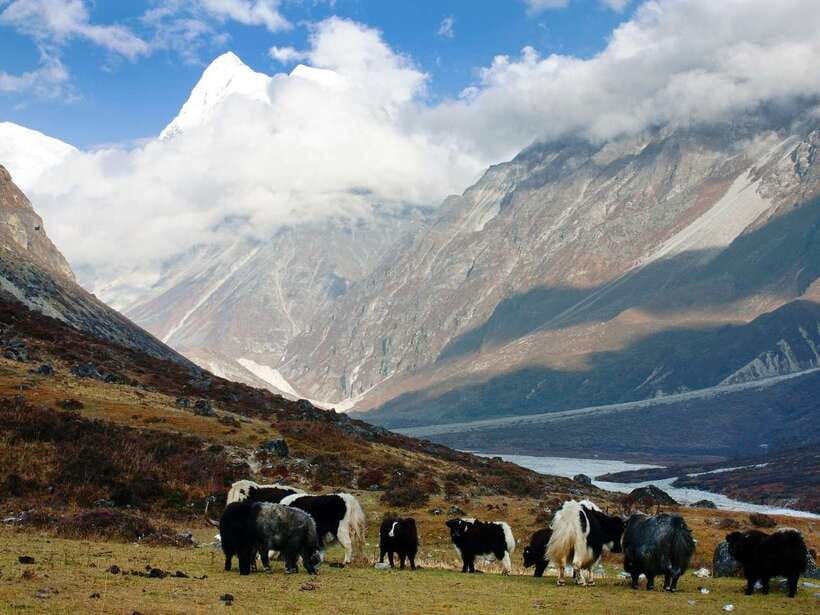
The third day takes you to the trek’s cultural and scenic center, Kyanjin Gompa. At 3,870 meters, this is high enough that the mountain setting feels serious, even if the walking distance itself seems manageable.
The route continues through the Langtang Valley and gives you more contact with Tamang communities. You are not just passing through empty mountain country. Village life, local traditions, and the warmth of the people help give the route its character.
At Kyanjin Gompa, you can visit the historic monastery, meet local people, and stop at the cheese factory. Cheese tasting is a small detail, but it is exactly the sort of local experience that makes this trek feel different from a purely scenic hike.
Kyanjin Gompa is also the point where you should pay close attention to your body. The altitude can affect people in different ways, and reaching the village is not the same as being fully acclimatized. If you develop symptoms of acute mountain sickness, your guide needs to know promptly.
Past guide service has been a major strength here. Ghanshyam has been praised for explaining the route, checking health, answering questions, and keeping first-time trekkers at ease. Sudarshan was also praised for adjusting the walking speed and adding flexible breaks. That kind of care matters more than fancy wording when you are tired and above 3,000 meters.
More Treks and Hikes:
- Everest Base Camp Trek – 14 Days
★ 5.0 · 1,499 reviews - Everest Base Camp Trekking
★ 5.0 · 485 reviews - Nagarkot Sunrise View and Day Hiking from Kathmandu
★ 5.0 · 471 reviews - Annapurna Circuit Trek with Tilicho Lake
★ 5.0 · 368 reviews
Day 4: Kyanjin Ri at 4,770 meters, then down to Thangsyap
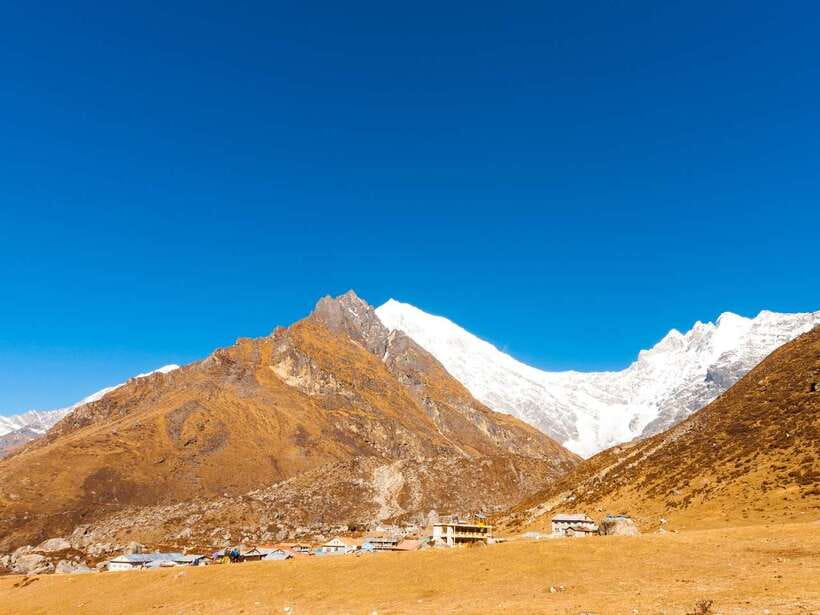
Day 4 contains the trip’s optional challenge. You can climb Kyanjin Ri to 4,770 meters for views across the snowy peaks and glacial valleys, then return and descend to Thangsyap at 3,200 meters.
This is not a casual morning stroll. The climb is described as challenging, and the altitude makes every step more demanding. You should take it only if you feel well and your guide agrees that the conditions and your health are suitable.
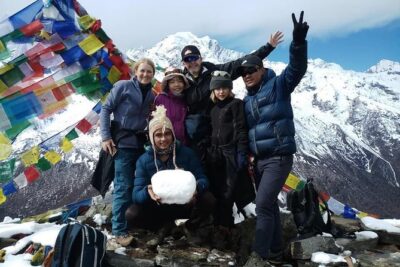
The reward can be excellent. One guide-led outing reached Kyanjin Ri at sunrise, with clear mountain views and wildlife sightings along the way. Sunrise also gives you the best chance of seeing crisp peaks before clouds build, although weather is never guaranteed in the mountains.
The optional wording is important. You do not have to climb Kyanjin Ri to enjoy the trek, and skipping it may be the right decision if you are tired, unwell, or uncomfortable at altitude. The route already takes you to Kyanjin Gompa, which is a strong destination in its own right.
After the viewpoint, you retrace your steps and descend to Thangsyap. Going downhill is easier on the lungs, but it can be hard on knees and legs after a high climb. Take your time. A fast descent does not improve the experience.
Day 5: Thangsyap to Syabrubesi
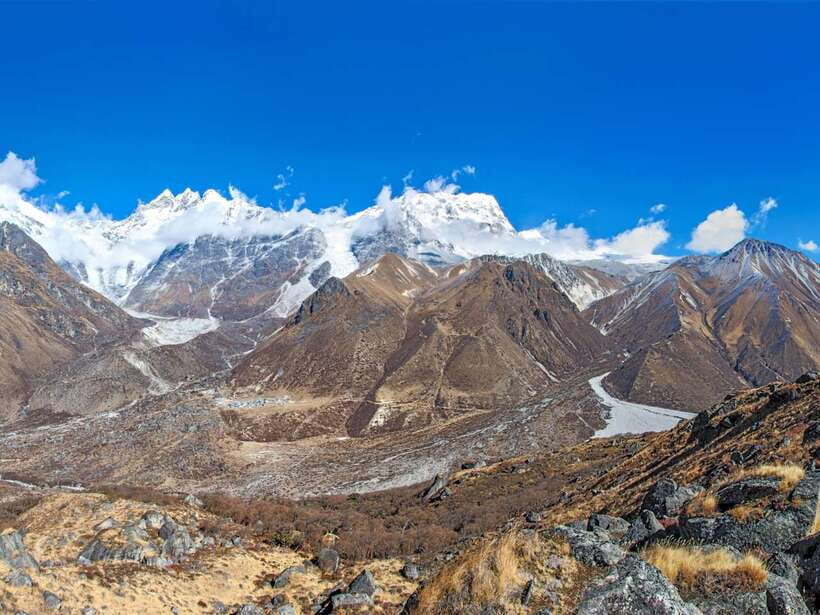
The return to Syabrubesi follows familiar ground through forests and along the Langtang River. You will see some of the route differently on the way back, especially after several days of walking and a high viewpoint.
This is a long-feeling day because your legs have already done the main ascent and the Kyanjin Ri option. The good news is that the route loses altitude, and the river and forest make a pleasant setting for the final full day on foot.
You will also have time to think about the contrast between the trip’s beginning and end. On Day 1, Syabrubesi is the gateway. By Day 5, it feels like a return to lower ground and road access after the quieter villages farther up the valley.
Accommodation is included for the night. The exact property details are not provided, so you should not expect a hotel-style standard in the mountains. The important point is that five nights of private accommodation are included within the trekking package.
Day 6: Return to Kathmandu
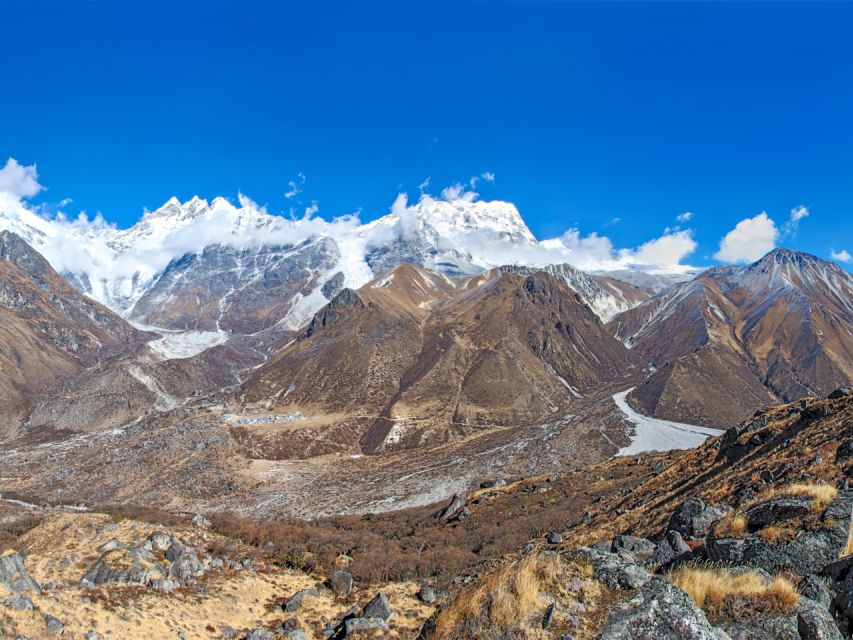
The final day is a morning drive from Syabrubesi back to Kathmandu. It is a straightforward ending, but mountain roads can make a return journey feel longer than the map suggests.
Hotel drop-off is included. If you arrive early, leave late, return early from the mountains, or need an extra night in Kathmandu or Pokhara for reasons outside the scheduled plan, that added accommodation is not included.
This is one reason to avoid scheduling an important international flight immediately after the trek. The provided information does not promise a fixed return time, and road conditions or weather can affect the itinerary.
The guide makes a real difference
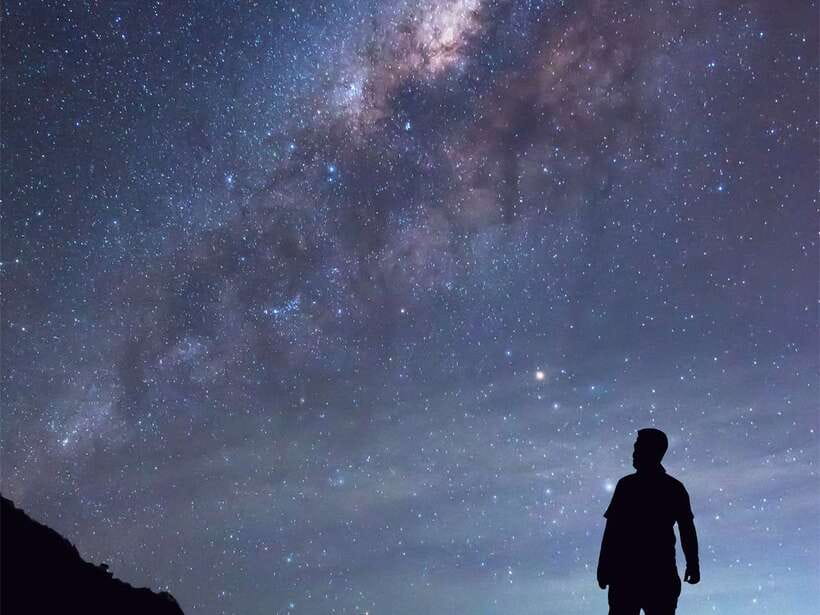
The strongest theme from the available feedback is guide care. Ghanshyam is repeatedly praised for being friendly, attentive, funny, and careful with health and pace. Sudarshan is praised for professionalism, flexible breaks, and making sure a first-time trekker felt looked after.
That matters because this is not a marked city walk. You need someone who can help you judge your pace, explain the route, and respond sensibly if you feel unwell. An English-speaking guide is included, and Hindi is also available.
If your English is limited, the experience may still work. One Japanese participant appreciated that the guide spoke slowly, matched their pace, and asked questions to check understanding. You should still discuss your language needs before departure, but the guide support appears suited to people who are new to long treks.
Porter service is extra. I would seriously consider it, particularly if you are not used to carrying a pack at altitude. One person specifically described using a porter as the right choice. You should confirm the current charge, luggage limit, and what you need to carry yourself before leaving Kathmandu.
Food, gear, and daily comfort
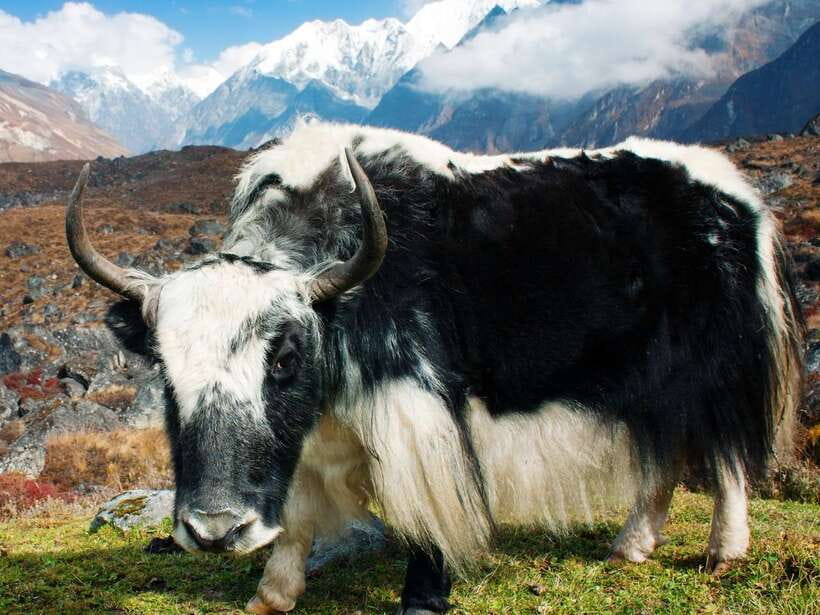
The full-package option includes breakfast, lunch, and dinner during the trek. Food quality received a positive mention, but drinks and personal refreshments are not included. You should plan to pay separately for soft drinks, alcoholic drinks, bottled or boiled water, showers, and battery charging.
Your packing list should include:
- Passport or identification
- Hiking shoes
- Warm jacket and gloves
- Sunglasses and sunscreen
- Water
- Flashlight
- Sleeping bag
- Trekking gear
The sleeping bag requirement is worth noting. Even if accommodation is included, you should not assume bedding will match your personal comfort needs at higher elevations. A flashlight is also listed, so bring one rather than relying on a phone battery.
Alcohol and drugs are not allowed. Travel and rescue insurance is also excluded, and this is not the place to cut corners. The route reaches 4,770 meters if you climb Kyanjin Ri, so insurance that covers trekking and mountain rescue deserves careful attention.
When to go for clearer mountain views
The best periods given for this trek are mid-March to April and October to mid-November. These months generally bring clearer skies and warmer temperatures, though the weather can still change quickly.
Autumn is described as having less wind and higher temperatures. Late March and April can bring rhododendron blooms at lower elevations, adding color to the forest sections.
Winter and monsoon conditions are not ruled out, but the itinerary can shift with weather and seasonal factors. You should treat the six-day schedule as a plan, not a guarantee carved into stone. Mountain roads and high trails do not care about your spreadsheet.
Who should book this trek?
I would recommend it to you if you want a short Himalayan trek with a strong mix of scenery and culture. It suits first-time trekkers who want a guide, a defined six-day route, and support with permits, transport, food, and accommodation.
It is also a good fit if you want a private walking group rather than a large fixed party. The guide can adjust the pace, and the experience does not require you to keep up with strangers.
I would be more cautious if you have no experience with altitude or dislike rapid changes in elevation. The move from Pahiro to Ghoda Tabela and then Kyanjin Gompa comes quickly, and Kyanjin Ri is a serious optional climb. You should be comfortable changing plans if your body says no.
The price is strong for what is included, but $179 is not the final cost for everyone. Add insurance, drinks, water, personal expenses, and possibly a porter. Also confirm whether you are booking the full package with meals, since the meal inclusion is specifically stated for that option.
Should you book the Langtang Valley Trek?
Book it if you want six days of real mountain walking, Tamang villages, a monastery, cheese tasting, and the option of a memorable sunrise at Kyanjin Ri. The guide support, private group format, included permits, and low starting price make it a practical choice for a first Nepal trek.
Skip it if you need a slow acclimatization schedule, dislike shared road transport, or want guaranteed comfort and fixed travel times. For everyone else, this is a compact route with enough altitude and cultural contact to feel like a proper Himalayan adventure, not just a quick excursion from Kathmandu.
FAQ
How long is the Langtang Valley Trek?
The trek lasts six days, including transport from Kathmandu to Syabrubesi on Day 1 and the return drive to Kathmandu on Day 6.
What is the highest point on the route?
Kyanjin Ri reaches 4,770 meters. The regular overnight destination at Kyanjin Gompa is 3,870 meters.
Is the Kyanjin Ri hike required?
No. The Kyanjin Ri hike is optional. You can choose not to climb it, especially if you feel tired or have altitude symptoms.
Is a guide included?
Yes. An authorized English-speaking guide is included. Hindi language support is also available.
Is a porter included in the price?
No. Porter charges are extra. Personal expenses also include extra porter costs.
Are meals included?
Breakfast, lunch, and dinner during the trek are included with the full-package option. Drinks and personal refreshments are not included.
What accommodation is provided?
The package includes private accommodation for five nights during the trek. Specific accommodation properties are not provided.
What should I bring?
You should bring your passport or identification, sleeping bag, flashlight, sunscreen, hiking shoes, gloves, water, jacket, trekking gear, and sunglasses.
Is travel insurance included?
No. Travel and rescue insurance are not included, so you need to arrange them separately.
Can the itinerary change?
Yes. Weather conditions and seasonal factors may cause slight changes to the itinerary.
More 6-Day Experiences
- Kathmandu: 6-Day Limitless Langtang Trek
★ 5.0 · 21 reviews - 6 Days Muktinath Tour Package in Nepal
★ 5.0 · 20 reviews - 6 Days/5 Nights Private Kathmandu Pokhara Tour
★ 5.0 · 9 reviews - 6 Days Private Himalayan Dreams of Nepal
★ 5.0 · 6 reviews
Just added around Kathmandu
- Private Shopping Tour in Kathmandu★ 5.0 · 3 reviews
- Nagarkot Sunrise With 7 UNESCO World Heritage Private Tour★ 5.0 · 3 reviews
- Mount Everest Scenic Flight 50 Minutes★ 5.0 · 3 reviews
- Kathmandu: Nightlife and Pub Crawl Tour★ 5.0 · 3 reviews
- Momo Cooking Class -The Art Of Making MoMo with Home Chef★ 5.0 · 3 reviews
- Kathmandu: Nagarkot, Bhaktapur, Doleswor & Sanga Statue Tour★ 5.0 · 3 reviews
- Makalu Base Camp Trek★ 5.0 · 3 reviews
- Kathmandu: Momo Making Class with a Local Chef★ 5.0 · 3 reviews
Langtang Valley Treks, compared.
Trekking in Annapurna/Langtang/Everest/Upper Mustang regions
Read our review →
Browse the lists this tour appears in