
Reviewed · LANGTANG VALLEY TREKS
Langtang Valley Trek
Mountains reward steady steps. The Langtang Valley Trek packs Himalayan views, Tamang culture, forest trails, and a high-valley finish into about seven days. I like the gradual route and the fact that a licensed mountain guide, permits, meals, transport, and six nights of private accommodation are included. I also like the small-group feel: this is a private trip for your party, not a large departure with strangers.
The main point to consider is the long road journey and the physical effort. The drive toward Syabrubesi takes about eight hours, and the trek still involves repeated uphill and downhill walking. The route is described as moderate and suitable for beginners with reasonable fitness, but it is not a gentle sightseeing holiday.
In This Review
- Five useful things to know before booking
- Why Langtang works well for a first Himalayan trek
- Day 1: The long road from Kathmandu to Syabrubesi
- Day 2: River crossings and forest in Langtang National Park
- Day 3: Following the river to Langtang village
- Day 4: Reaching Kyanjin Gompa
- Day 5: Turning downhill through Langtang National Park
- Day 6: Completing the walking route at Syabrubesi
- Day 7: Returning to Kathmandu
- What the $555 price really includes
- Guides and the human side of the trek
- Comfort, food, and what to pack
- Who should book this route?
- Should you book the Langtang Valley Trek?
- FAQ
- How long is the Langtang Valley Trek?
- Where does the trek begin?
- What time does the experience start?
- Is transportation included?
- Is a private jeep available?
- Are meals included?
- Are permits included?
- Do I need travel insurance?
Five useful things to know before booking
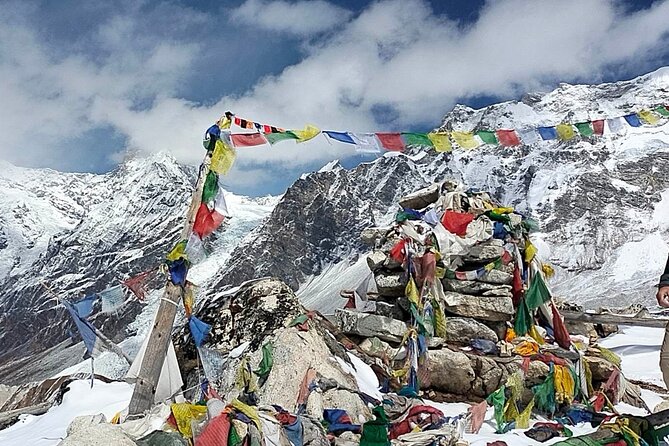
- An eight-hour road journey begins the adventure: You reach Syabrubesi by local shared jeep, with mountain views along the way.
- Kyanjin Gompa is the main prize: The route builds toward this high valley destination before turning back.
- Your guide is central to the experience: Guides named in the feedback include Buddhi, Laku, Nabin, and Pawan, with praise for their care, humor, planning, and local insight.
- The price covers many essentials: At $555 per person, the package includes permits, a guide, transport in both directions, six nights of lodging, and all listed breakfasts, lunches, and dinners.
- You need moderate fitness, not technical climbing skills: The terrain is described as gradual to moderate, with lower altitudes than some famous Nepal routes.
- A private jeep or porter costs extra: The listed optional charge is $190 per booking, so confirm exactly what that fee covers before paying.
Why Langtang works well for a first Himalayan trek
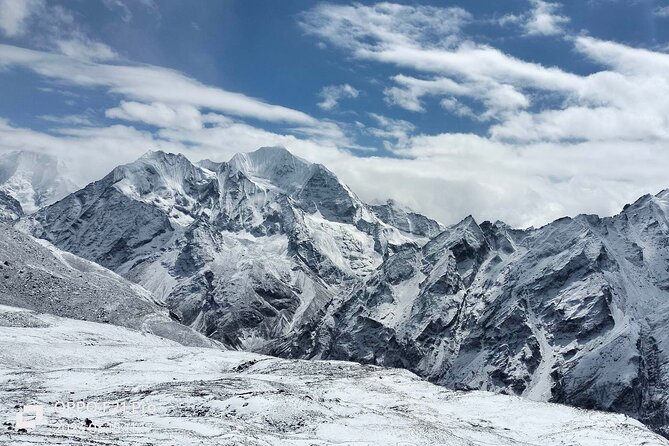
Langtang Valley gives you a taste of Nepal’s mountain world without requiring the length or higher altitude associated with some other major routes. The route moves from Syabrubesi through forest and river country to Langtang village, then onward to Kyanjin Gompa.
I like this steady progression. You begin with a road trip and lower walking days, then gain height gradually. That gives you time to settle into the pace, learn how your body responds, and get used to several hours on foot.
The route also brings together more than mountain scenery. You pass farm areas, forests, bridges, river gorges, villages, and cultural sites. The supplied description points to murals, local traditions, and the long presence of the mountains as important parts of the experience. If you want only dramatic summits, this may feel too slow. If you want a more rounded introduction to Nepal, the mix is a strong reason to choose it.
The tour is suitable for people with moderate physical fitness. That wording matters. You do not need to be an experienced mountaineer, but you should be comfortable walking uphill and downhill for several days. One account described the trek as among the hardest hikes the writer had completed, even though the route is marketed for beginners. That is a useful warning: moderate in Himalayan terms can still feel demanding.
More Langtang and Gosaikunda Treks:
- Langtang Valley Trek
★ 5.0 · 50 reviews - Private 8 – Day Langtang Trekking
★ 5.0 · 29 reviews - Kathmandu: 6-Day Limitless Langtang Trek
★ 5.0 · 21 reviews
Day 1: The long road from Kathmandu to Syabrubesi
The first morning begins around 6:45 am, with pickup offered from your hotel or the stated meeting point. You travel north from Kathmandu toward the Langtang region, with the overland trip taking about eight hours before reaching Syabrubesi.
The ride is part of the story, but it is also the least comfortable part of the plan. You are using a local shared jeep unless you pay for the private option. Shared transport keeps the package price down, though it gives you less control over departure timing, seating, and stops.
Mountain views appear during the drive, including snow-capped peaks. After arrival, Syabrubesi becomes your first overnight base near Langtang Himal. The day is listed as roughly 12 hours, so you should treat it as a full travel day rather than expecting much energy for extra activity after arrival.
This is also where the value of an organized trip begins to show. The guide handles the route and required permits, while you can focus on the road, the changing scenery, and getting ready for the first walking day.
Day 2: River crossings and forest in Langtang National Park
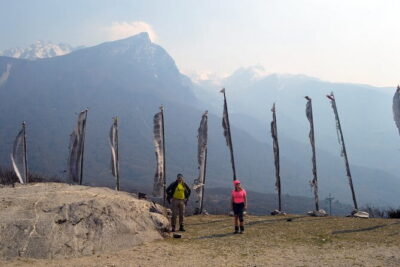
The walking begins in Syabrubesi. The trail crosses a bridge over the Langtang River, then climbs through farm areas and into dense green forest.
This is a good opening walking day because it introduces the basic rhythm of the trek without rushing you straight into the highest section. You get river sounds, woodland, and views through the trees, with the route gradually moving into Langtang National Park.
The itinerary lists the day at about 14 hours, but that figure appears to describe the full stop or schedule rather than pure walking time. Ask your guide for the expected walking duration and arrival time at the overnight lodge. That simple question helps you plan water, snacks, and layers.
The forests are attractive, but they also mean shade and uneven footing. Take care on descents and around bridges. You may find the gradual climb more tiring than expected because the first full trekking day comes after a long road transfer.
Day 3: Following the river to Langtang village
From Lama Hotel, the trail follows the river upstream through deep forest and a gorge. The route then moves into a cooler area, passing Ghodetabla before reaching Langtang village for the night.
This day changes the character of the trek. The thick forest gives way to a more open mountain setting, and the cooler air signals that you are gaining altitude. The river remains a useful guide, while the gorge gives the walking a stronger sense of remoteness.
Langtang village is an important overnight stop because it places you close to the main valley destination. The route is listed at about 15 hours, again a long scheduled day, so pacing matters. Walk at a speed you can maintain rather than trying to keep up with a faster companion.
Your guide’s role becomes especially valuable here. Buddhi is praised for explaining local history and traditions, while Laku is praised for kindness, humor, adaptability, and professional care. Those qualities matter on a day when the walking gets longer and the scenery changes quickly.
More Treks and Hikes:
- Everest Base Camp Trek – 14 Days
★ 5.0 · 1,499 reviews - Everest Base Camp Trekking
★ 5.0 · 485 reviews - Nagarkot Sunrise View and Day Hiking from Kathmandu
★ 5.0 · 471 reviews - Annapurna Circuit Trek with Tilicho Lake
★ 5.0 · 368 reviews
Day 4: Reaching Kyanjin Gompa
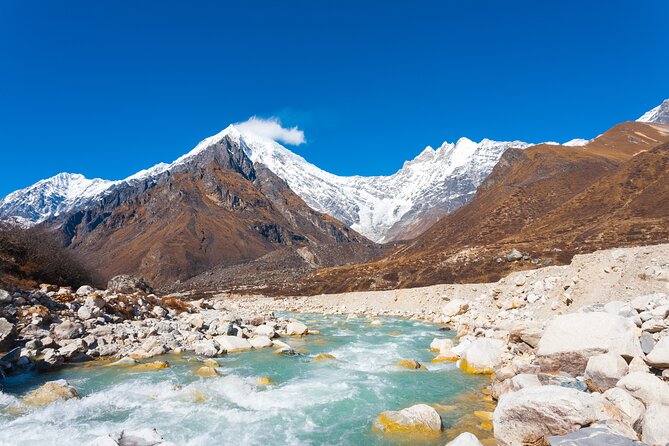
Day four is described as a shorter walk to Kyanjin Gompa, the final and major destination of the route. The morning begins with a short steep climb from the forested area to a ridge, followed by a trail into the upper valley.
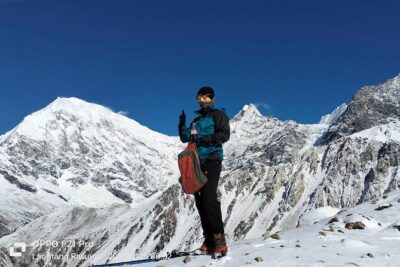
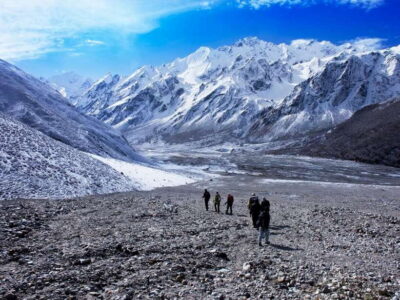
This is the payoff for the previous days. The valley opens toward numerous peaks, and the combination of high mountains, open views, and local culture gives Kyanjin Gompa its special appeal. The climb may be short, but the thinner air and accumulated fatigue can make it feel sharper than the distance suggests.
The itinerary lists about 14 hours for this stop. Confirm the actual walking schedule with your guide, especially if you hope to spend time taking photographs or looking around Kyanjin Gompa after arrival.
I would not treat this day as a race to the lodge. The point is to enjoy the change from forest trail to high valley. Take the gradual pace seriously, drink regularly, and keep a warm layer handy. The trip includes three cups of hot beverage per day and seasonal fruit, useful small comforts after several hours outside.
Day 5: Turning downhill through Langtang National Park
After time around Kyanjin, the route begins its return with a downhill walk to Lama Hotel. This is not simply a spare day added after reaching the destination. Descending lets you see familiar country from a different angle, with the trail moving back through the valley and forest.
Downhill walking can be harder on your knees than uphill walking is on your lungs. Use trekking poles if you have them, shorten your stride, and do not hurry because the route feels easier. The listed schedule is about 12 hours, so this remains a substantial day.
The overnight stop at Lama Hotel breaks the return journey into manageable stages. That is one of the route’s practical strengths. You do not have to force the entire way back to Syabrubesi in one exhausting push.
Day 6: Completing the walking route at Syabrubesi
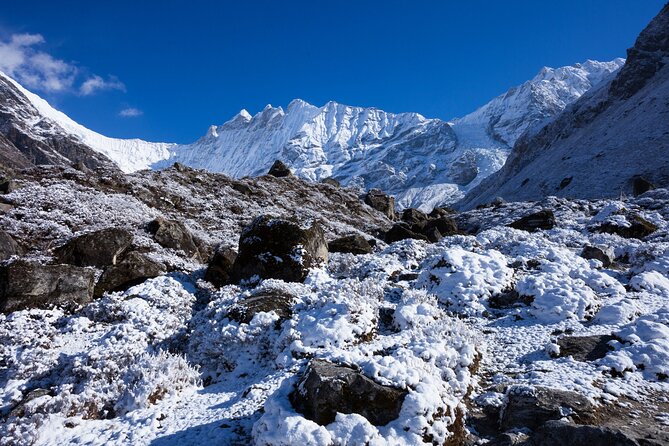
The final walking day follows the forest downhill, crosses a bridge, and reaches Syabrubesi. It is listed at about 12 hours and serves as the last overnight near Langtang Himal.
This day may feel less dramatic than reaching Kyanjin Gompa, but it gives you a proper finish on foot. You have completed the valley route rather than simply driving out from the highest stop.
Syabrubesi also gives you a clear break between trekking and the return drive. Pack your belongings carefully the night before, keep your permits and phone accessible, and check the next morning’s transport arrangement with your guide.
Day 7: Returning to Kathmandu
The final morning brings the overland journey back to Kathmandu. The return drive is listed at about 13 hours, so you should expect another full day on the road.
The package includes transportation both ways by local shared jeep. This is a major cost benefit, but the transport style is worth weighing carefully. If you value space, privacy, and a fixed schedule, ask about the private jeep option, listed at $190 per booking.
The trip description says pickup is offered, while the meeting time is 6:45 am. Confirm the exact pickup location and timing before departure, especially if you are staying at a hotel outside the standard pickup area.
What the $555 price really includes
At $555 per person, this is not just a guiding fee. The listed package includes:
- A government-licensed mountain guide for seven days
- Langtang National Park entry and a TIMS card
- Shared local jeep transport in both directions
- Six nights of private accommodation during the trek
- Breakfast, lunch, and dinner for seven days
- Three hot beverages per day
- Seasonal fruit
- A medical kit bag
That is a useful bundle for a short Nepal trek. Permits and transport can complicate independent planning, and having the guide arrange the route reduces the number of decisions you need to make on the ground.
The package does not include travel insurance, your city hotel, tips for the trekking crew, or porter service. A private jeep and porter option is listed at $190 per booking, but the wording combines those items, so I would ask the operator to confirm the exact price for each service.
The meal count also deserves a quick check. The package lists seven breakfasts, seven lunches, and seven dinners, while the trek includes six nights. That may be designed to cover the travel days, but confirm the exact meal arrangement before booking.
Guides and the human side of the trek
The strongest theme in the supplied feedback is the quality of the guiding. Buddhi is praised for warmth and explanations of local traditions. Laku receives repeated praise for kindness, humor, flexibility, and professional care. Nabin and porter Tenjin are described as efficient and attentive, while Pawan receives especially strong praise for leading and organizing the trip.
This is important because a Himalayan trek is not only a route on a map. Your guide sets the pace, explains what you are seeing, helps organize accommodation, and becomes your main point of contact when the day does not go as planned.
The private format also helps. Only your group participates, so the pace can be more personal than on a large scheduled departure. That does not guarantee an easy walk, but it can make the experience more comfortable for couples, families, or friends with different walking speeds.
Some feedback also praises help with airport pickup, Kathmandu accommodation, extra gear, and permits. City hotels are not included in the stated package, so treat those services as possible arrangements rather than guaranteed inclusions. Ask for the current details in writing.
Comfort, food, and what to pack
Six nights of private accommodation are included during the trek. The supplied information does not specify lodge standards or room facilities, so you should ask what private accommodation means for your departure.
Meals are included throughout the seven-day schedule, along with hot drinks and seasonal fruit. That gives you a clearer budget than a package that covers only transport and guiding. Tips remain separate and should be planned as part of your trekking budget.
The tour supplies a medical kit bag, but it does not replace personal travel insurance. Insurance is specifically excluded, so arrange it before you go.
Pack for changing temperatures, long road transfers, uphill and downhill walking, and wet or cool conditions. The details provided do not list equipment rental, so confirm whether you need to bring all personal trekking gear or can arrange extras through the company.
Who should book this route?
I would recommend this trek to you if you want a compact Himalayan experience, prefer a private group, and have moderate physical fitness. It suits first-time trekkers who want a guide and an organized plan, but who are ready for several demanding walking days.
It also suits people who care about local culture as much as mountain views. The route includes farm areas, villages, murals, a national park, and the cultural setting around Kyanjin Gompa.
I would be cautious if you dislike long road journeys, shared vehicles, or basic trekking routines. The seven-day schedule is efficient, but it leaves little spare time if transport runs late or you need a rest day. If you are older or less experienced, discuss pacing with the company before booking. One supplied account came from an older participant who returned for another Nepal trip, but personal fitness varies widely.
Cancellation is free if you cancel at least 24 hours before the start time. Cancellations made later are not refunded, and changes within that window are not accepted.
Should you book the Langtang Valley Trek?
Book it if you want a guided, all-in-one introduction to Langtang with permits, meals, lodging, and transport already arranged. The price is strong for what it covers, and the route offers a satisfying progression from Kathmandu to Syabrubesi, through forest and river country, and finally to Kyanjin Gompa.
Before paying, confirm the actual walking hours, the lodging standard, the meal schedule, and the separate cost of a porter or private jeep. If you accept the long drives and prepare for moderate but real exertion, this is a practical way to experience the Himalayas without committing to a much longer expedition.
FAQ
How long is the Langtang Valley Trek?
The advertised duration is approximately seven days, with six nights of private accommodation during the trek.
Where does the trek begin?
The walking section begins in Syabrubesi after an overland journey from Kathmandu.
What time does the experience start?
The stated start time is 6:45 am.
Is transportation included?
Yes. Both-way transportation by local sharing jeep is included.
Is a private jeep available?
Yes. A private jeep is listed as an optional service at $190 per booking. Confirm the exact current terms with the provider.
Are meals included?
Yes. The package lists seven breakfasts, seven lunches, and seven dinners, plus three cups of hot beverage per day and seasonal fruit.
Are permits included?
Yes. The Langtang National Park Permit and TIMS Card are included.
Do I need travel insurance?
Yes. Travel insurance is not included in the price, so you need to arrange it yourself.
Just added around Kathmandu
- Private Shopping Tour in Kathmandu★ 5.0 · 3 reviews
- Nagarkot Sunrise With 7 UNESCO World Heritage Private Tour★ 5.0 · 3 reviews
- Kathmandu: Nightlife and Pub Crawl Tour★ 5.0 · 3 reviews
- Mount Everest Scenic Flight 50 Minutes★ 5.0 · 3 reviews
- Momo Cooking Class -The Art Of Making MoMo with Home Chef★ 5.0 · 3 reviews
- Kathmandu: Nagarkot, Bhaktapur, Doleswor & Sanga Statue Tour★ 5.0 · 3 reviews
- Makalu Base Camp Trek★ 5.0 · 3 reviews
- Kathmandu: Momo Making Class with a Local Chef★ 5.0 · 3 reviews
Langtang Valley Treks, compared.
Trekking in Annapurna/Langtang/Everest/Upper Mustang regions
Read our review →
Browse the lists this tour appears in