
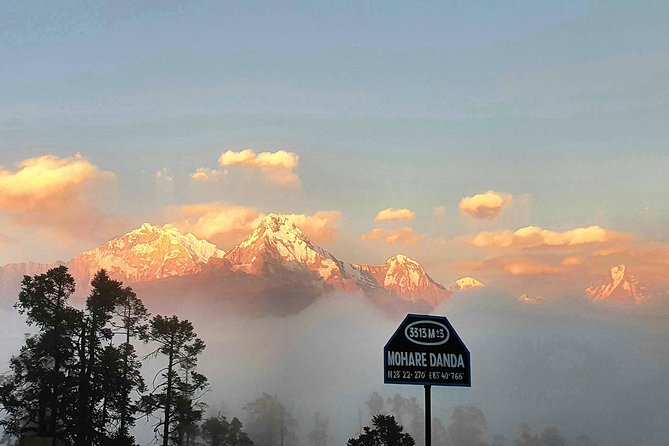
Reviewed · HIKING & TREKKING
Mohare Danda Trek
The mountains arrive before the crowds do. The Mohare Danda Trek gives you broad Himalayan views, quiet village paths, and a closer look at rural Magar life without the cost or length of Nepal’s biggest classic treks. I especially like its community-lodge model and the chance to support education, women’s work, local jobs, and rural development as part of the trip.
I also like the scale: groups are limited to 11 people, and the route reaches 3,313 meters without requiring a flight into a remote mountain airstrip. The main drawback is the road time. You spend roughly six to seven hours getting from Kathmandu to Pokhara, then another four hours reaching the trailhead from Pokhara, so this is not a trek built around instant mountain access.
In This Review
- Key points before you book
- What the Mohare Danda Trek is really about
- Days 1 and 2: Kathmandu welcome, then the road to Pokhara
- Day 3: From Pokhara toward Beni and the trail
- Day 4: Nagi Village and the first real village experience
- Day 5: The climb toward Mohare Danda
- Day 6: Sunrise at Mohare Danda Community Lodge
- Day 7: Thula Kharka, Sikha Danda, and Tikot
- Day 8: The final mountain walk to Baseri
- Day 9: Returning to Kathmandu by road
- Day 10: Airport transfer and the end of the trek
- What the $799 price covers
- Guide support and the human side of the trek
- Who should book the Mohare Danda Trek?
- FAQ
- How high does the Mohare Danda Trek reach?
- How many people can join the trek?
- Are guide and porter costs included?
- Are meals included throughout the 10 days?
- Is equipment provided?
- Can I cancel for a full refund?
- Should you book it?
Key points before you book
- A community-focused route: Your spending supports local lodges, rural income, education, women’s empowerment, and village development.
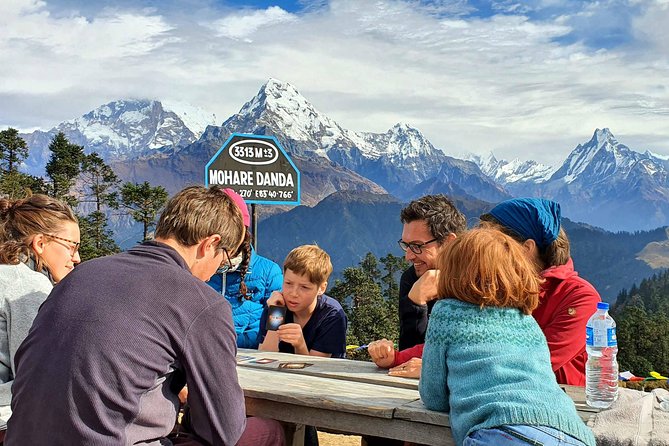
- Big views at 3,313 meters: Mohare Danda can reveal up to 42 peaks, including Annapurna, Dhaulagiri, and Manaslu.
- A small group format: The maximum group size is 11 people, useful on narrow paths and in small lodges.
- Several long road transfers: The route begins with major overland journeys from Kathmandu to Pokhara and onward to Beni.
- Magar culture is central: Nagi and Tikot offer village encounters, local food, traditional life, and warm community hospitality.
- Useful gear is included: A sleeping bag, down jacket, first-aid kit, oxygen monitor, trekking map, and duffle bag are provided.
What the Mohare Danda Trek is really about
Mohare Danda is not simply a shorter version of the Annapurna Circuit. Its appeal is the way it links mountain views with community tourism. You sleep in community lodges, walk through Poon Magar villages, and spend time in places where tourism income is intended to stay closer to local families.
That social purpose gives the route more meaning than a postcard hunt. The money helps support village economies, education, women’s empowerment, and rural development. You still get the essentials of a Himalayan trek, but the setting feels less focused on large trekking centers and more connected to the people who live along the trail.
The scenery is the headline attraction. From high points along the route, the stated view range can include as many as 42 peaks. Three especially important names are Annapurna, Dhaulagiri, and Manaslu, all mountains rising above 8,000 meters.
The route is described as easy, short, peaceful, and less touched by mass tourism. That does not mean effortless. You still walk on mountain trails and stone steps, and descending can be hard if you have joint problems. Tell the operator in advance if downhill walking is a concern. A more suitable route can be arranged.
More Treks and Hikes:
- Everest Base Camp Trek – 14 Days
★ 5.0 · 1,499 reviews - Everest Base Camp Trekking
★ 5.0 · 485 reviews - Nagarkot Sunrise View and Day Hiking from Kathmandu
★ 5.0 · 471 reviews
Days 1 and 2: Kathmandu welcome, then the road to Pokhara
Your first day begins at Tribhuvan International Airport in Kathmandu. After immigration and baggage collection, a representative meets you and takes you to Thamel. The day is mainly for arrival, transfer, and getting settled rather than sightseeing.
Thamel is a practical base, with plenty of shops and services for trekking needs. Since the arrival schedule is listed at about three hours, keep the first day light. You may be tired after the flight, and the next morning begins with a long road journey.
Day 2 takes you west from Kathmandu to Pokhara via the Prithvi Highway. The drive is about 200 kilometers and is expected to take six to seven hours. That timing depends on road conditions, so do not treat it like a precise city transfer.
The reward is Pokhara and Phewa Tal, the lakeside setting that gives the city its easygoing feel. The itinerary allows about two hours at Phewa Tal, which is enough to get your bearings and enjoy the change from Kathmandu. The tradeoff is obvious: this day is mostly transport. If you dislike long road rides, you should count this as part of the trek rather than an unpleasant surprise.
Lunch and dinner in Pokhara are not included, so budget for them separately. Personal drinks, snacks, and bottled or treated water are also your responsibility.
Day 3: From Pokhara toward Beni and the trail
The first trekking day begins only after another road transfer. From Pokhara, you drive toward Beni Bazaar, with the journey listed at around four hours.
Beni is the gateway for this route and marks the shift from city travel to mountain walking. The day can feel logistically heavy because you have already spent much of the previous day on the road. Still, this approach avoids a domestic mountain flight and places you directly into the western trekking area.
The published day description does not give a precise walking distance or a named overnight stop. That is worth clarifying before departure. Ask the operator how much walking is planned on Day 3, where you will sleep, and how the road condition may affect the schedule.
Your guide and porters are included, along with their wages, insurance, and trekking gear. This is a useful part of the price because arranging a safe support team independently can be complicated.
Day 4: Nagi Village and the first real village experience
Day 4 points toward Nagi Village, with Ramche listed as the stop and about three hours of activity shown. The description emphasizes pristine nature, local culture, and the trail itself rather than a single famous viewpoint.
Nagi is one of the places where the community purpose becomes clear. You are not only passing through a scenic settlement. You are spending time in a village where local lodges, meals, and guiding work can all form part of the rural economy.
This is also a good day to slow down. The route is not trying to pack a major attraction into every hour. You might find the simple details more memorable: village routines, local cooking, conversation, and the feeling of walking between communities rather than moving from one resort area to another.
The Poon Magar cultural connection is an important part of the route. You should approach the villages with respect, ask before taking close-up photographs, and allow your guide to explain customs and daily life.
A few more trips worth weighing up before you book
- Private Kathmandu Sightseeing Tour | UNESCO World Heritage sites
★ 5.0 · 756 reviews - Everest Base Camp Helicopter Tour landing at Everest View Hotel
★ 5.0 · 668 reviews - Half day cooking class in Thamel kathmandu
★ 5.0 · 607 reviews - Kathmandu: Full Day 7 UNESCO Tour with Lunch – Private/Group
★ 5.0 · 415 reviews
Day 5: The climb toward Mohare Danda
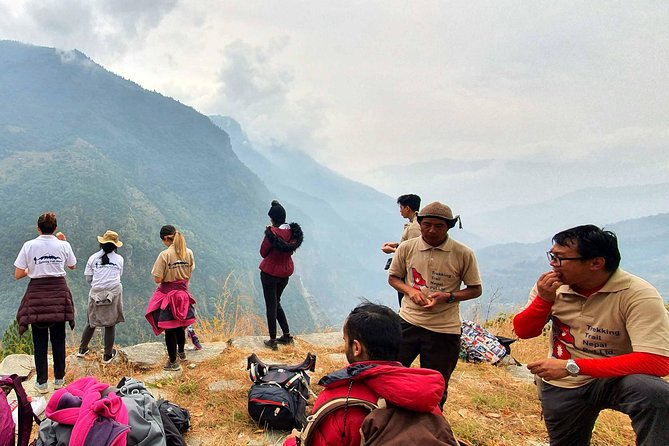
After breakfast in Nagi, you walk toward Mohare Danda. The climb is expected to take about four to six hours, making this one of the more important walking days.
The route gains height gradually enough to remain approachable for many people, but altitude still matters. You reach the highest point of the trip on Day 6, so this is the day to pay attention to your pace, hydration, and how your body feels. The provided oxygen monitor is a useful safety tool, but it is not a substitute for telling your guide if you feel unwell.
You will likely spend much of this day among forest and mountain paths, with viewpoints opening as you gain height. The quiet character of the route is one of its main strengths. You are not being rushed through a crowded chain of major stops.
At the same time, published details are limited on exact distances, trail surfaces, and elevation gains for each day. If you need a precise plan, ask for a daily altitude chart before booking. That is especially sensible if you have limited hiking experience.
Day 6: Sunrise at Mohare Danda Community Lodge
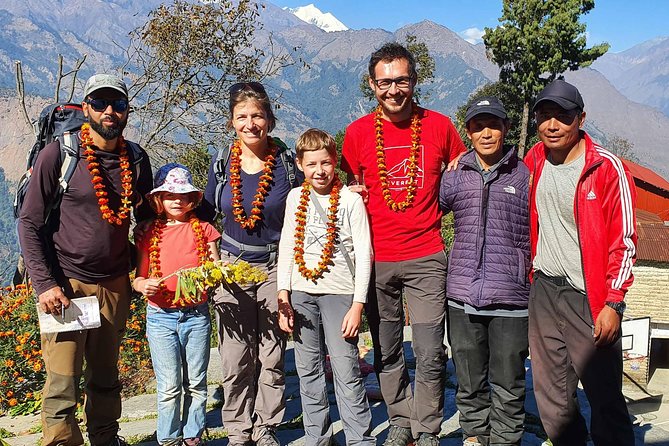
Mohare Danda reaches 3,313 meters above sea level, the highest point on the trip. The day is built around sunrise and Himalayan views, with the community lodge serving as the key stop.
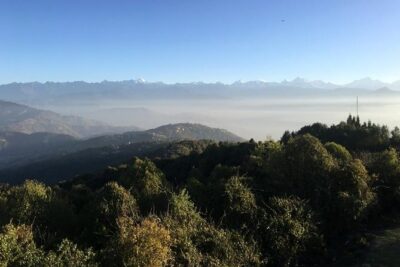
This is the visual payoff. On a clear morning, you may see a wide sweep of Himalayan peaks, with Annapurna, Dhaulagiri, and Manaslu among the major names connected to the route. Weather is never guaranteed, so the best approach is to value the high mountain setting even if clouds hide some peaks.
The listed duration for this day is 15 hours, which is unusually long compared with the other entries. It may include an extended sunrise schedule, walking, and lodge time, but you should ask the operator to explain exactly what that figure covers. A long day at 3,313 meters deserves careful pacing.
The lodge setting also gives the trek its community character. You are not simply arriving at a viewing platform, snapping a picture, and leaving. You are staying in a place tied to local tourism and village income.
The package includes a sleeping bag and down jacket. Those items can make a real difference at high altitude, especially before sunrise. Confirm the sizing and condition of the equipment before setting out.
Day 7: Thula Kharka, Sikha Danda, and Tikot
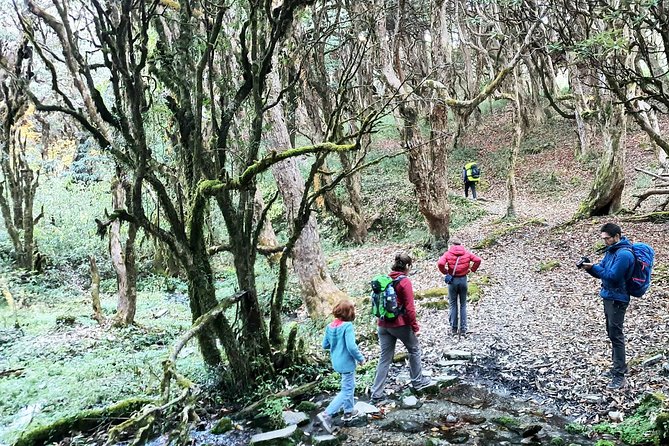
Day 7 heads toward Histan Tikot, a beautiful ethnic Magar settlement. The route passes viewpoints at Thula Kharka and Sikha Danda before reaching Tikot, with about 10 hours listed for the day.
This is likely to feel like a full mountain day. You are descending from the high point and crossing more village terrain, but downhill walking can be harder than climbing if your knees or joints are sensitive. Trekking poles may be useful, though they are not listed among the included items.
Tikot is one of the strongest cultural stops on the route. The village offers the chance to see a Magar settlement in its own setting and to spend more time around local people. The warm hospitality and home-style cuisine have been especially praised in connection with this trek, so arrive hungry and curious.
A 10-hour day can be tiring, particularly after the high point. Ask how much of the route is actual walking and how much is lodge time. You should also tell your guide early if you need a slower pace.
Day 8: The final mountain walk to Baseri
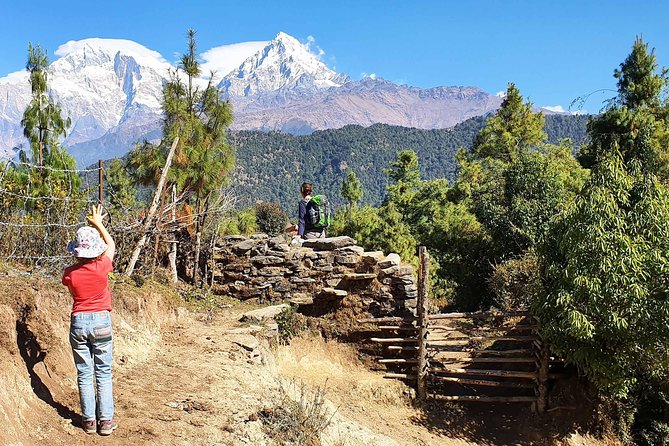
The last day on the mountain trail leads to Baseri. The itinerary describes Baseri as the end of the trekking section, though it gives no exact walking duration.
This final stretch is useful because it closes the walking circuit through villages rather than ending abruptly at the highest viewpoint. You have time to reflect on the route, the community lodges, and the contrast between the road approach and the quieter mountain paths.
Baseri is also where the trip shifts back toward vehicle travel. The exact transfer plan should be confirmed with the operator, including where you spend the night and how you return to Pokhara.
Day 9: Returning to Kathmandu by road
Day 9 takes you from Pokhara back to Kathmandu in about seven hours. The itinerary lists roughly 12 hours for the day, which may include the full transfer schedule and time at either end.
This is another long road day, and it is the main practical weakness of the 10-day plan. You spend two major days traveling by road between Kathmandu and Pokhara, plus the road journey to Beni. The advantage is that you avoid a flight and keep the trip on the ground, but you need patience.
Lunch and dinner in Kathmandu are not included. Leave room in your budget for meals and personal expenses after the mountain portion ends.
Day 10: Airport transfer and the end of the trek
The final day includes transfer to Tribhuvan International Airport for your departure flight. The listed airport timing is about three hours, though your actual transfer needs will depend on your flight schedule.
You can also extend your activities instead of leaving immediately. If you do, arrange that before the trek begins, since the stated package ends with the airport transfer.
What the $799 price covers
At $799 per person, the price is reasonable for a supported 10-day Nepal trekking package, provided you value the included transport and equipment. The fee covers:
- Trekking guide and porters, including wages, insurance, and gear
- Required trekking permits and documentation
- Ground transportation
- Nine breakfasts, five dinners, and six lunches
- Sleeping bag and down jacket
- First-aid kit and oxygen monitor
- Trekking map and duffle bag
- Trek completion certificate
- Visit to Baglung High Bridge and entry fees
The meals are not full-board for every day of the trip. Lunch and dinner in Kathmandu and Pokhara are excluded, along with water, snacks, drinks, bar bills, tips, and personal purchases. Count the meal numbers carefully because the package does not cover every meal across the full 10 days.
The included porter support, permits, transport, and warm gear add real value. Group discounts may also improve the price for a larger party, although the group limit remains 11 people.
Guide support and the human side of the trek
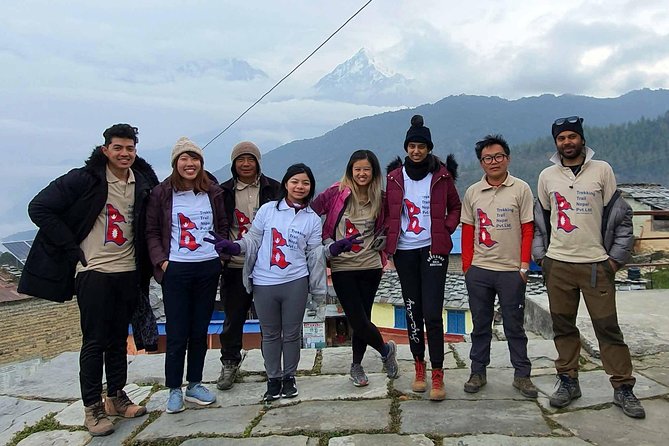
Good guiding matters on a community route. The strongest feedback connected with this operator praises careful planning, safety advice, patience, flexibility, and personal support. Guides named Apar and Lokendra receive particularly warm praise, while Ashishm and Joyendra are also associated with a well-run four-day Mohare Danda trip.
Do not assume a specific guide is guaranteed unless the operator confirms it. Ask who will lead your departure, how many porters will be assigned, and what happens if someone needs a slower route.
The most meaningful part of the trek may be your time with villagers. Local food, daily routines, and ordinary conversation can give you a better sense of Nepal than another busy viewpoint. The social purpose is not an extra decoration. It is the reason this route exists in its current form.
Who should book the Mohare Danda Trek?
I would recommend this trek to you if you want Himalayan scenery but prefer a quieter route with a clear community focus. It suits people who can handle several hours of mountain walking, accept simple lodge conditions, and enjoy village contact more than polished hotel comfort.
It also works well for a small group of friends. One group of five completed a shorter four-day version and appreciated the community model and the support team.
I would be more cautious if you dislike long road journeys, need precise daily mileage, or have serious difficulty walking downhill on stone steps. Ask for the exact daily route and transfer plan before paying.
Cancellation is free up to 24 hours before the start time for a full refund. Within 24 hours, changes and refunds are not accepted. Poor weather can lead to a new date or a full refund because the trip requires suitable conditions.
FAQ
How high does the Mohare Danda Trek reach?
The highest point is Mohare Danda at 3,313 meters above sea level.
How many people can join the trek?
The maximum group size is 11 travelers.
Are guide and porter costs included?
Yes. The package includes trekking guides and porters, along with their wages, insurance, and gear.
Are meals included throughout the 10 days?
The package includes nine breakfasts, five dinners, and six lunches. Lunch and dinner in Kathmandu and Pokhara are not included.
Is equipment provided?
Yes. A sleeping bag, down jacket, first-aid medical kit, oxygen monitor, trekking map, and complimentary duffle bag are included.
Can I cancel for a full refund?
Yes, if you cancel at least 24 hours before the experience start time. Cancellations within 24 hours are not refunded. Poor weather may result in a different date or a full refund.
Should you book it?
Book the Mohare Danda Trek if you want wide Himalayan views, a small group, and a trip that directs tourism income toward mountain communities. The route offers a thoughtful alternative to Nepal’s more crowded trekking corridors, with Magar villages and community lodges at its heart.
Skip it if you want a tightly timed luxury itinerary or cannot tolerate long drives. For the right person, $799 buys more than mountain scenery. It buys support, local contact, practical gear, and a way to make your time in Nepal useful to the communities along the trail.
Just added around Kathmandu
- Private Shopping Tour in Kathmandu★ 5.0 · 3 reviews
- Nagarkot Sunrise With 7 UNESCO World Heritage Private Tour★ 5.0 · 3 reviews
- Kathmandu: Nightlife and Pub Crawl Tour★ 5.0 · 3 reviews
- Mount Everest Scenic Flight 50 Minutes★ 5.0 · 3 reviews
- Kathmandu: Nagarkot, Bhaktapur, Doleswor & Sanga Statue Tour★ 5.0 · 3 reviews
- Momo Cooking Class -The Art Of Making MoMo with Home Chef★ 5.0 · 3 reviews
- Makalu Base Camp Trek★ 5.0 · 3 reviews
- Kathmandu: Momo Making Class with a Local Chef★ 5.0 · 3 reviews
Hiking & Trekking, compared.


Nagarkot Sunrise View and Day Hiking from Kathmandu
Read our review →


