
Reviewed · EVEREST BASE CAMP TREKS
Unforgettable Everest Base Camp Trek with Third Rock Adventures! 🌄 I recently completed an incredible journey to Everest Base Camp with Third Rock Adventures, and I can’t recommend them enough! From starRead more
The Himalayas reward patient walkers. This 14-day Everest Base Camp trek combines the famous Lukla flight, Sherpa villages, Sagarmatha National Park, and two major goals: Everest Base Camp and sunrise from Kala Patthar. I like the built-in acclimatization days at Namche Bazaar and Dingboche, plus the support of guides, porters, meals, permits, and mountain gear.
I also like the small maximum group of 12 and the strong personal support praised for guides such as Dawa, Gnawang, and Deepak. The main drawback is the demanding altitude schedule: Kala Patthar reaches 5,550 meters, and weather can delay the Lukla flight or force costly changes, including a listed shared helicopter option of $1,200 per person.
In This Review
- Key points to know before booking
- Why this Everest trek works
- Days 1 and 2: Kathmandu preparation and the Lukla start
- Days 3 and 4: Suspension bridges and Namche Bazaar
- Day 5: Tengboche and its mountain monastery
- Days 6 and 7: Pangboche and Dingboche acclimatization
- Days 8 to 10: Lobuche, Base Camp, and Kala Patthar
- Days 11 to 14: Returning through Namche and Kathmandu
- What the $1,799 price really covers
- Guide and porter support
- Best seasons and who should book
- Should you book this Everest Base Camp trek?
- FAQ
- How long is the Everest Base Camp trek?
- Where does the trek begin?
- Is the Lukla flight included?
- What is the highest point of the trek?
- Are meals included during the trek?
- What type of accommodation is provided?
- Is porter service included?
- Is trekking equipment provided?
- What happens if I need to cancel?
Key points to know before booking
- Kala Patthar reaches 5,550 meters: This is the trek’s highest point and the best place for sunrise views of Everest, Lhotse, Nuptse, Pumori, and Ama Dablam.
- Two acclimatization stops matter: You spend extra time in Namche Bazaar and Dingboche, with optional hikes to help your body adjust to thin air.
- The price covers a lot: At $1,799 per person, the package includes domestic flights, meals during the trek, tea house lodging, a guide, porter support, permits, a sleeping bag, and a down jacket.
- Lukla flights are weather-sensitive: The normal plan uses domestic flights between Ramechhap or Kathmandu and Lukla, but delays are possible.
- The group is limited to 12 people: That gives the guide a better chance to monitor pace and altitude symptoms than a large departure would.
- Sherpa culture is part of the route: Namche, Tengboche, Pangboche, and Dingboche are not just overnight stops. They give the walk its human side.
Why this Everest trek works
The Everest Base Camp route is famous for good reason, but fame can make it sound simpler than it is. You are not driving to a viewpoint, taking a short mountain walk, and returning to Kathmandu. You are walking for nearly two weeks through increasingly high country, sleeping in basic tea houses, and asking your body to work with less oxygen each day.
That challenge is also the point. The route brings you through Sherpa settlements, Buddhist monasteries, suspension bridges, glacial valleys, and high mountain passes. You get time to notice the change from lower river country to bare, rocky terrain above the tree line.
I especially like the way this plan uses two acclimatization days. Namche Bazaar gives you an early pause before the route rises sharply. Dingboche provides another rest day before Lobuche, Gorak Shep, Base Camp, and Kala Patthar. That is not wasted time. It is what makes the high section more manageable.
The trek is graded moderate to difficult. You should arrive with a moderate level of fitness at minimum, and you need to be comfortable walking uphill for several hours on uneven ground. You do not need technical climbing skills for the route described, but you do need patience, steady pacing, and a willingness to turn back or change plans if altitude affects you.
More Everest Base Camp Treks:
- Everest Base Camp Trek – 14 Days
★ 5.0 · 1,499 reviews - Everest Base Camp Trekking
★ 5.0 · 485 reviews - Everest Base Camp Trekking – 13 Day
★ 5.0 · 365 reviews
Days 1 and 2: Kathmandu preparation and the Lukla start
Your first day is deliberately light. A representative meets you at the airport, takes you to your hotel, and helps you connect with the trek leader and team. The briefing is your chance to ask about pace, luggage, altitude, weather, and the day-to-day routine.
You can use the rest of the day to check your gear, buy last-minute items, or walk around Thamel. Kathmandu accommodation includes two nights in a three-star deluxe hotel with breakfast, though lunch and dinner in the city are not included.
Day two begins with the famous flight to Lukla. The package includes domestic flights from Ramechhap or Kathmandu to Lukla and back, along with transport between Kathmandu and Manthali when that routing is used. The exact airport arrangement matters because road transfers and flight timing can change.
After meeting the mountain crew, you start walking through Chauri Kharka and follow the Dudh Koshi River to Phakding. This is a useful first day because it introduces the rhythm of the trek without immediately pushing you to extreme altitude.
Phakding is a Sherpa village in the valley, and the route includes views of Khumbila, a sacred unclimbed peak. The walk is scenic, but do not expect a grand summit panorama at every turn. The first day is about settling into your boots, learning the pace, and saving energy.
Days 3 and 4: Suspension bridges and Namche Bazaar
Day three brings the first major climb toward Namche Bazaar. You cross the Dudh Koshi on suspension bridges, including the Hillary Bridge, then enter Sagarmatha National Park. Lunch at Jorsale comes before the steep climb to Namche.
This is one of the route’s most memorable walking days. The bridges add a little drama, while the forest and river corridor keep the approach varied. The final uphill section to Namche can feel long, particularly if you are still adjusting to the altitude.
Namche Bazaar is the Sherpa capital and an important trading center. It has bakeries, shops, and a Saturday Market, so this is one of the few places on the trek where you can enjoy a bit of choice and village activity before the route becomes more remote.
Day four is for acclimatization. The plan includes a sunrise hike toward Sagarmatha National Park, with views of Everest, Ama Dablam, and Lhotse. Sunrise requires an early start, but it gives you a practical way to gain height during the day and return to sleep lower.
You may also have time to browse Namche’s shops and bakeries. Keep this rest day useful rather than exhausting. The goal is not to collect extra miles. The goal is to help your body adjust before the route climbs higher.
Day 5: Tengboche and its mountain monastery
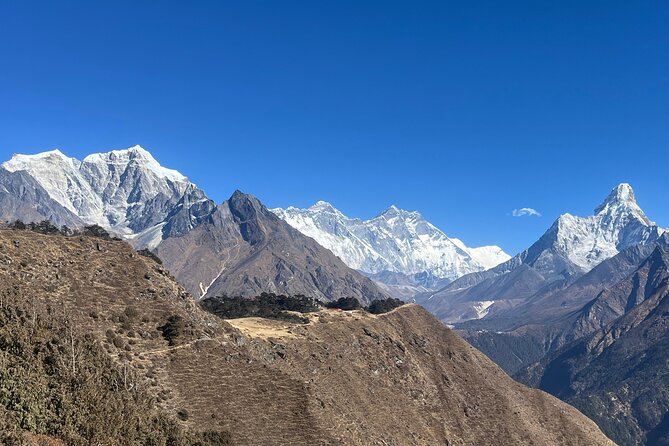
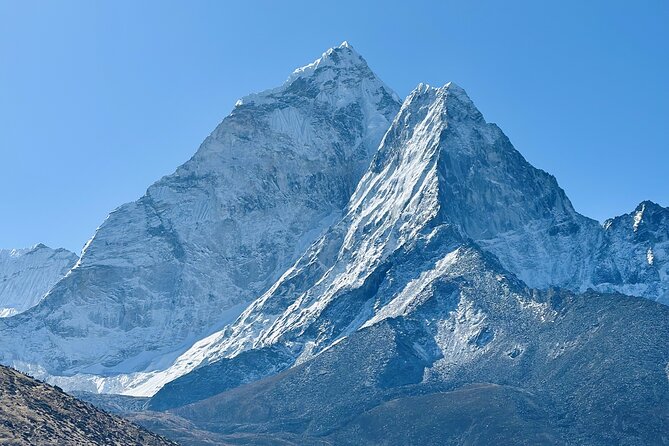
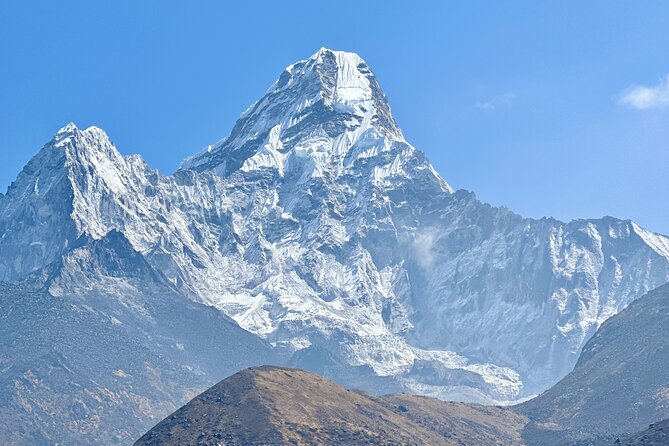
From Namche, the trail passes through rhododendron and juniper forests. The views open toward Everest, Lhotse, Nuptse, and Ama Dablam, with Ama Dablam becoming especially impressive as you approach Tengboche.
Tengboche is home to the region’s largest monastery. The monastery gives the day a cultural focus that many high-altitude routes lack. You can visit the monastery and take in the setting, but remember that this is still an active religious place, not simply a scenic stop.
The walk has its ups and downs, and the altitude begins to make every climb more noticeable. I would treat Tengboche as a day to walk steadily, drink regularly, and avoid racing ahead for photographs. Ama Dablam is a natural distraction, but the trail will still be there after you put the camera away.
More Treks and Hikes:
- Nagarkot Sunrise View and Day Hiking from Kathmandu
★ 5.0 · 471 reviews - Annapurna Circuit Trek with Tilicho Lake
★ 5.0 · 368 reviews - Everest Base Camp Trek -14 Days
★ 5.0 · 321 reviews - Annapurna base camp trek 5 Days
★ 5.0 · 252 reviews
Days 6 and 7: Pangboche and Dingboche acclimatization
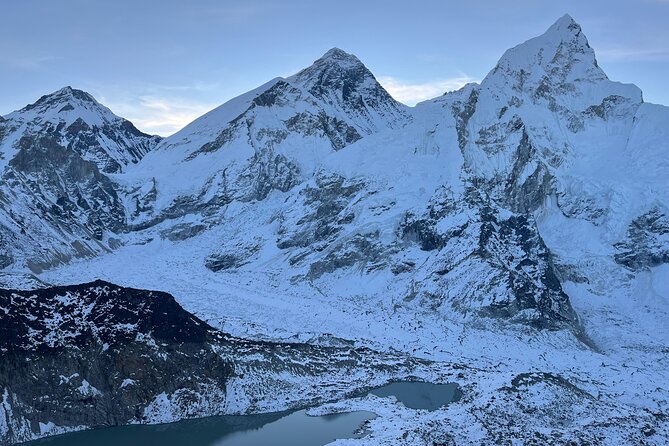
Day six crosses the Imja Khola and passes through Pangboche, described as the highest permanent Sherpa settlement on the route. From there, you continue to Dingboche with views toward Island Peak and Ama Dablam.
Pangboche is valuable because it shows how settlement patterns change as you move higher. Dingboche then becomes your base for another acclimatization day. The tea house accommodation is described as clean and comfortable, but you should still expect mountain lodging rather than city-hotel service.
On day seven, the planned hike goes to Nagarjun Hill at 5,100 meters. From there, you can see Makalu, Lhotse, Ama Dablam, and Island Peak, along with the Imja Glacier. The afternoon is left open for rest or exploration in Dingboche.
This is one of the most important days in the itinerary. Nagarjun Hill is high enough to test how you are responding, but you return to Dingboche afterward. Take the test seriously. Headache, unusual tiredness, nausea, or other altitude symptoms should be reported to your guide rather than brushed aside.
The support system here is a real strength. Guides carry a first-aid kit, pulse oximeter, and listed medicines such as paracetamol and Diamox. That does not replace your own medical advice or travel insurance, but it means the guide has basic tools for monitoring and responding to problems.
Days 8 to 10: Lobuche, Base Camp, and Kala Patthar
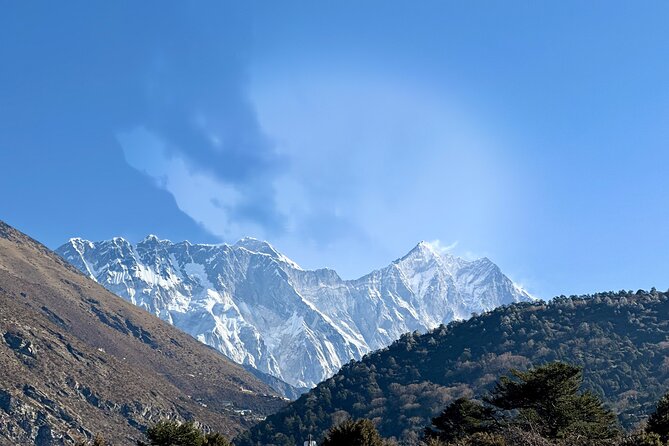
Day eight covers about 8 kilometers over rugged high-altitude ground to Lobuche. You get broad views of Lobuche, Pumori, and Nuptse, then stop at Thukla Pass.
The memorial stupas at Thukla Pass honor climbers who died on Everest and nearby peaks. This is a quiet, serious part of the trek. It adds context to the goal ahead: Everest Base Camp is an achievement, but the mountain is not a theme-park attraction.
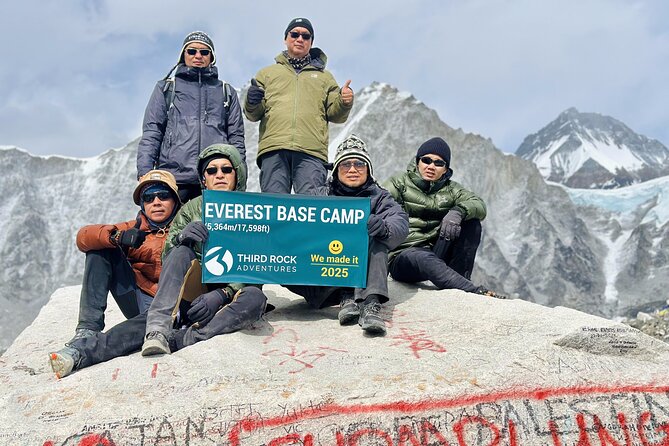
Day nine is the big approach. You walk from Lobuche to Gorak Shep, then continue beside the Khumbu Glacier to Everest Base Camp. The Khumbu Icefall and surrounding peaks provide the dramatic payoff, but the trail is rocky and the altitude is severe.
Base Camp itself is not a summit. It is the starting area for expeditions attempting Everest, and conditions there can change with the climbing season. Still, reaching it on foot is a major personal milestone. You return to Gorak Shep for the night, which keeps the next morning’s Kala Patthar hike possible.
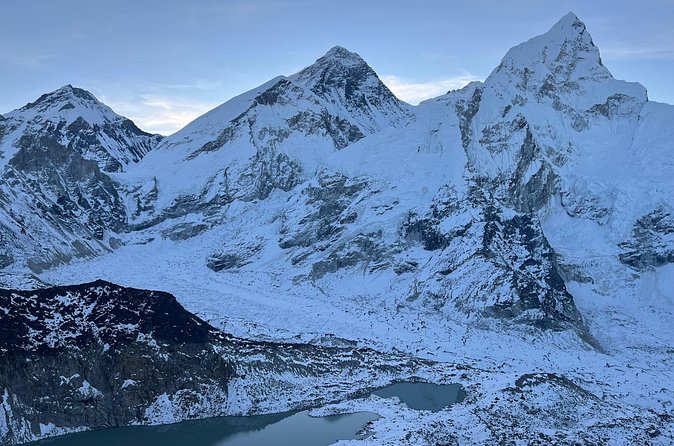
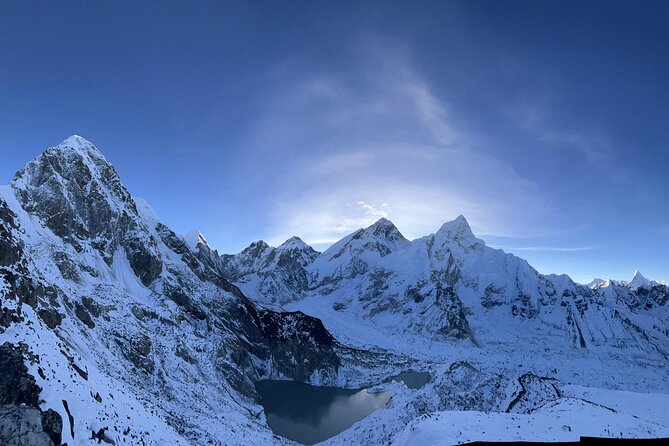
Day ten starts early with the climb to Kala Patthar, the highest point of the trek at 5,550 meters. The sunrise is the main event. As the light reaches the peaks, you get wide views of Everest, Lhotse, Nuptse, and Pumori.
This is often the most rewarding viewpoint of the route. Everest itself can be partly hidden from some lower trail sections, but Kala Patthar gives you a clear mountain panorama when weather cooperates. The early start and thin air are the price.
After returning to Gorak Shep, you descend toward lower villages. This is where your knees may complain more than your lungs. Trekking poles, careful footing, and a slow downhill pace can make the return easier, though personal gear and equipment are not included in the package.
Days 11 to 14: Returning through Namche and Kathmandu
The return route passes through Tengboche and continues toward Namche Bazaar. The plan describes the day as beginning from Pheriche, then reaching Namche after scenic trails and a short afternoon climb.
Namche feels different on the way back. You already know the village, and its shops, food options, and familiar trails can feel like a small luxury after Gorak Shep. The overnight stop also breaks up the descent instead of forcing one huge push toward Lukla.
Day twelve continues down from Namche through local villages and across the Hillary Suspension Bridge. You reach Lukla in the afternoon and spend the final trekking night there. This is the natural place to celebrate with the guide, porter, and rest of the crew.
Day thirteen uses the flight back to Kathmandu. After hotel transfer, you can rest or shop for handicrafts, tea, spices, and decorative items at Ason Market. Lunch and dinner in Kathmandu remain your responsibility, as do personal costs such as internet, laundry, snacks, hot showers, battery charging, and souvenirs.
Day fourteen is departure day. Airport transfer is arranged for three hours before your scheduled flight. That final buffer is sensible, but you should still keep your international travel plans flexible because mountain flights can be affected by weather.
What the $1,799 price really covers
At $1,799 per person, this is not just a guiding fee. The package includes airport pickup and drop-off, two Kathmandu hotel nights with breakfast, tea house lodging during the trek, and breakfast, lunch, and dinner during the walking portion. A cup of tea or coffee with trekking meals is also included.
You also get a government-licensed English-speaking guide trained in first aid, porter service, national park and community fees, domestic flights, staff costs, and local and government taxes. Two trekkers share one porter, with a stated 15-kilogram baggage allowance.
The company supplies a duffel bag, T-shirt, trekking map, down jacket, and sleeping bag. You return the jacket and sleeping bag after the trek. That lowers the cost of buying or renting bulky high-altitude equipment, though you still need personal trekking gear.
The main extras can add up:
- Nepal visa and international flights
- Travel and medical insurance
- Lunch and dinner in Kathmandu
- Personal drinks, showers, internet, laundry, snacks, and charging
- Extra baggage, listed at about $1 per kilogram
- Tips for the guide, porter, and driver
- Personal trekking gear
- Extra porter or horse use
- A shared helicopter option listed at $1,200 per person if flights are disrupted
The helicopter charge is the biggest financial warning. It is not part of the $1,799 base price. You should have insurance that covers trekking at altitude, evacuation, and weather-related disruption before you go.
Guide and porter support
The human side of this trek receives unusually strong praise. Dawa is described as attentive and supportive, including during a change of plan caused by altitude sickness. Gnawang is praised for patience, humor, and answering questions, while porter Somdey is remembered as part of a very positive team experience.
Deepak also receives specific praise for handling poor weather and changes connected with a Gokyo and Base Camp trip. That particular route is not the same as this itinerary, so do not assume Gokyo Lakes are included here. The useful point is that flexible mountain leadership matters when flights or health get in the way.
A maximum of 12 people is a good middle ground. You get the social benefit of a group, but the size is not so large that every decision becomes slow. Ask before departure how luggage is labeled, how much you should carry each day, and how altitude symptoms are handled within the group.
Tips are not included, and tipping is expected. Plan that cost before you arrive rather than treating it as an afterthought on the last night.
Best seasons and who should book
Spring and autumn are identified as the best seasons, when skies are often clearer and mountain views are usually at their best. Even then, mountain weather remains unpredictable. Build flexibility into your expectations, especially around Lukla flights.
This trip suits you if you want the classic Everest route, prefer organized support, and are ready for a moderate to difficult physical challenge. It is also a good fit if you value cultural stops, shared walking, and a guide who can help with pacing and altitude decisions.
I would hesitate if you want luxury lodging, a relaxed walking schedule, or guaranteed flight times. The tea houses are described as clean and comfortable, but high-altitude accommodation is basic. You also need to accept that the most scenic days are physically demanding.
The free cancellation policy allows a full refund when you cancel at least 24 hours before the local start time. That is useful while your plans are still forming, but it does not solve weather-related costs after the trek begins.
Should you book this Everest Base Camp trek?
I would recommend it if you want a well-supported classic route at a price that includes most major trekking costs. The two acclimatization days, porter arrangement, guide support, permits, meals, flights, sleeping bag, and down jacket make the $1,799 price look fair.
Before booking, confirm the current flight routing, the baggage limit, the group departure details, and what happens if weather cancels a Lukla flight. Buy suitable insurance, budget for tips and personal expenses, and train for long uphill days.
Book this trip for the full mountain experience, not only the photograph at Base Camp. The Sherpa villages, Tengboche monastery, Thukla memorials, suspension bridges, and sunrise from Kala Patthar are what turn a famous destination into a meaningful trek.
FAQ
How long is the Everest Base Camp trek?
The experience lasts approximately 14 days, including arrival and departure days in Nepal.
Where does the trek begin?
The trip begins in Kathmandu with airport pickup, hotel transfer, and a briefing. The walking route starts after a flight to Lukla.
Is the Lukla flight included?
Yes. Domestic flights between Ramechhap or Kathmandu and Lukla are included according to the itinerary.
What is the highest point of the trek?
Kala Patthar is the highest point, reaching 5,550 meters.
Are meals included during the trek?
Breakfast, lunch, dinner, and a cup of tea or coffee are included during the trekking portion. Lunch and dinner in Kathmandu are not included.
What type of accommodation is provided?
You receive two nights in a three-star deluxe hotel in Kathmandu. During the trek, accommodation is in the best available clean and comfortable tea houses.
Is porter service included?
Yes. Porter service is included, with one porter assigned for every two trekkers. The listed baggage allowance is 15 kilograms.
Is trekking equipment provided?
A duffel bag, T-shirt, trekking map, down jacket, and sleeping bag are provided. The down jacket and sleeping bag must be returned after the trek. Personal trekking gear is not included.
What happens if I need to cancel?
You can receive a full refund if you cancel at least 24 hours before the experience start time. Cancellations or changes made less than 24 hours before the start are not refunded or accepted.
Just added around Kathmandu
- Private Shopping Tour in Kathmandu★ 5.0 · 3 reviews
- Nagarkot Sunrise With 7 UNESCO World Heritage Private Tour★ 5.0 · 3 reviews
- Kathmandu: Nightlife and Pub Crawl Tour★ 5.0 · 3 reviews
- Mount Everest Scenic Flight 50 Minutes★ 5.0 · 3 reviews
- Momo Cooking Class -The Art Of Making MoMo with Home Chef★ 5.0 · 3 reviews
- Kathmandu: Nagarkot, Bhaktapur, Doleswor & Sanga Statue Tour★ 5.0 · 3 reviews
- Makalu Base Camp Trek★ 5.0 · 3 reviews
- Everest Experience Trek 6 Day Hiking Adventure★ 5.0 · 3 reviews
Everest Base Camp Treks, compared.






Everest Base Camp Trek with Helicopter Return from Gorakshep to Lukla
Read our review →Browse the lists this tour appears in