
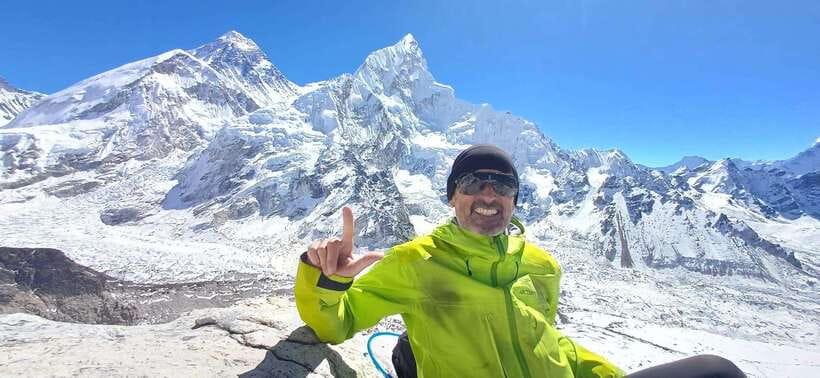
Reviewed · EVEREST BASE CAMP TREKS
From Kathmandu: Guided Everest Base Camp Trek
Everest rewards patience. This 12-day trek from Kathmandu takes you through Sherpa villages, Sagarmatha National Park, Tengboche Monastery, and finally Everest Base Camp. I especially like the built-in acclimatization days in Namche Bazaar and Dingboche, plus the chance to climb Kala Patthar for a stronger view of Everest.
I also like the human side of the trip. Guides such as Saran and Prayas have helped trekkers through fatigue, illness, and difficult climbs, while organizer Rajesh has provided careful preparation before departure. The main caution is simple: this is a demanding high-altitude trek, not a scenic stroll, and the listed price of $408 may depend on the selected flight and meal options.
At $408 per person, this can be strong value for a guided Himalayan trek, especially if round-trip Kathmandu to Lukla flights, accommodation, park permits, and full-board food are included in your chosen option. You should check exactly which options are selected before paying, since flights and food are not presented as automatic in every package.
In This Review
- Five things to know before walking toward Everest
- Why this 12-day Everest trek works
- Day 1: Flying from Kathmandu to Lukla and walking to Phakding
- Day 2: The climb to Namche Bazaar at 3,440 meters
- Day 3: Acclimatization in Namche Bazaar
- Day 4: Tengboche Monastery at 3,800 meters
- Day 5: Reaching Dingboche at 4,400 meters
- Day 6: A second rest day in Dingboche
- Day 7: The high route to Lobuche at 4,900 meters
- Day 8: Gorak Shep and Everest Base Camp at 5,365 meters
- Day 9: Sunrise at Kala Patthar, then down to Pheriche
- Days 10 and 11: Returning to Namche and Lukla
- Day 12: Flying back to Kathmandu
- Sherpa culture, monasteries, and the meaning of the route
- The guides and support that shape the experience
- Is $408 good value for Everest Base Camp?
- Who should book this trek?
- Should you book the Everest Base Camp trek?
- FAQ
- How long is the Everest Base Camp trek?
- What is the highest point reached on the trek?
- Is the flight from Kathmandu to Lukla included?
- Is food included during the trek?
- Is accommodation included?
- Is an English-speaking guide provided?
- Is this available as a small-group tour?
- Is the Sagarmatha National Park permit included?
- Are visa fees and travel insurance included?
Five things to know before walking toward Everest
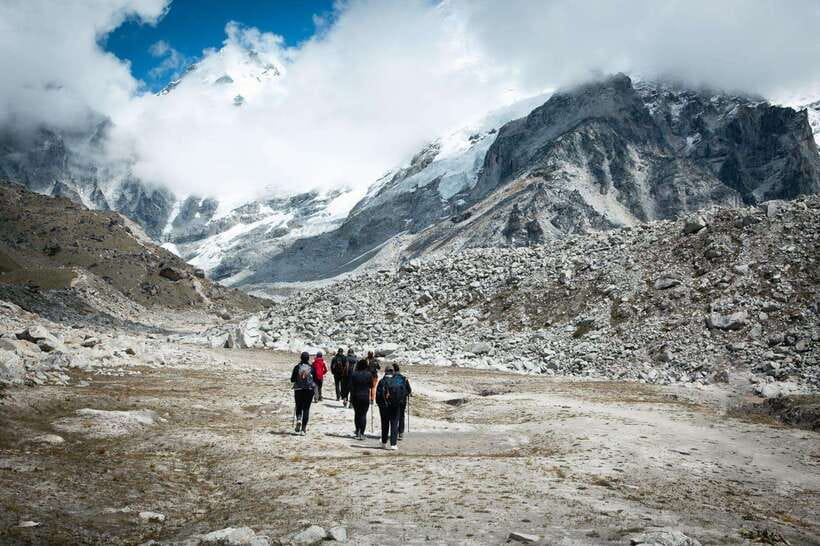
- Lukla starts the adventure: The trek begins with a flight from Kathmandu to Lukla, followed by a walk to Phakding.
- Two rest days protect your pace: Namche Bazaar and Dingboche provide time for acclimatization before the highest sections.
- Kala Patthar is a major reward: At 5,545 meters, it offers a close view of Mount Everest and the surrounding peaks.
- Saran has earned strong praise: He has carried a tired trekker’s heavy pack, helped on steep climbs, taken photos, and supported solo participants.
- The cultural stops matter: Tengboche Monastery, Sherpa villages, Buddhist ceremonies, and local dress add meaning beyond the mountain views.
- The final days remain demanding: Reaching Base Camp is not the end of the effort, since you still need to walk to Kala Patthar and then descend toward Lukla.
Why this 12-day Everest trek works
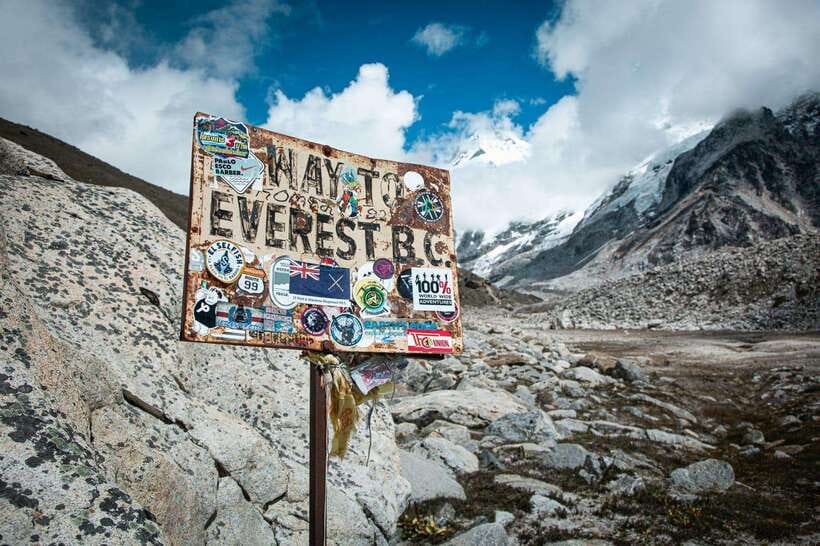
The Everest Base Camp route is famous for good reason. You get huge Himalayan views, but you also pass through working villages, monasteries, market towns, forests, suspension bridges, and glacial terrain. The route feels like a journey through the Khumbu region, not simply a march toward a famous sign.
I like the way this plan breaks up the altitude gain. You do not race directly from Lukla to the high country. The schedule pauses at Namche Bazaar and Dingboche, which gives your body time to adjust before you sleep above 4,900 meters.
That said, the schedule is still ambitious. The route includes steep climbs, long descents, rocky paths, and thin air. Even a fit person can feel slow at altitude. You need patience more than speed, and you should be ready for some days when the view is earned one careful step at a time.
The experience is offered with an English-speaking guide, and a small group may be available. Pickup from Kathmandu can also be arranged. These details matter because clear communication and a manageable group can make a difficult trek feel much more controlled.
More Everest Base Camp Treks:
- Everest Base Camp Trek – 14 Days
★ 5.0 · 1,499 reviews - Everest Base Camp Trekking
★ 5.0 · 485 reviews - Everest Base Camp Trekking – 13 Day
★ 5.0 · 365 reviews
Day 1: Flying from Kathmandu to Lukla and walking to Phakding
The trip begins with the flight from Kathmandu to Lukla, one of the defining parts of any Everest Base Camp journey. From Lukla, you walk to Phakding at about 2,610 meters.
This first day gives you a gentler start than the later stages. You enter the mountain region quickly, but the walking remains at a lower altitude than the villages ahead. Accommodation begins during the trek, and the guide and guide’s food and lodging are included in the package.
You should treat this as a real walking day, not just a transfer. The flight gets you into the region, but the trek begins once you leave Lukla on foot.
Day 2: The climb to Namche Bazaar at 3,440 meters
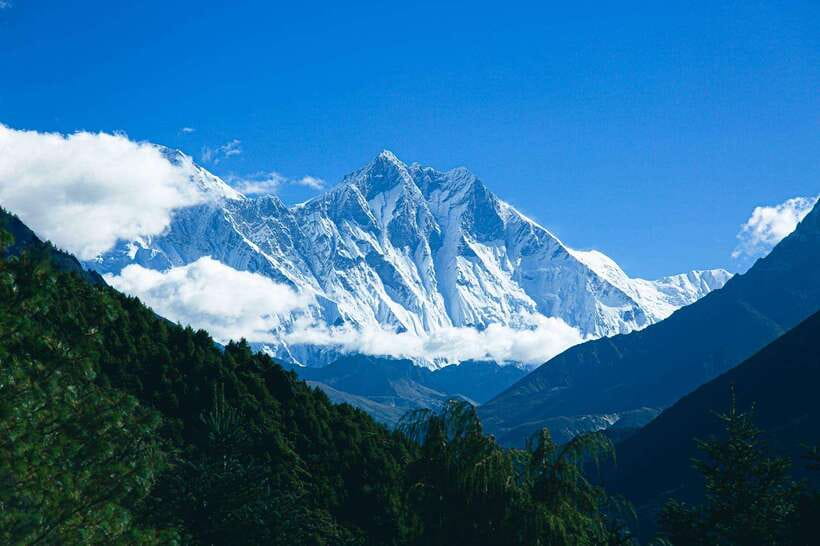
The route continues to Namche Bazaar, the main market town of the Everest region. Namche is known as the gateway to the Khumbu, and its location makes it an important place to pause and adjust.
The town gives you a first taste of Sherpa life. You can browse local crafts, spend time around the settlement, and begin to understand how villages in this high region serve both local communities and people heading toward Everest.
The climb to 3,440 meters is a serious step up from Phakding. You may feel the altitude here, which is why the next day is reserved for acclimatization rather than another major advance.
Day 3: Acclimatization in Namche Bazaar
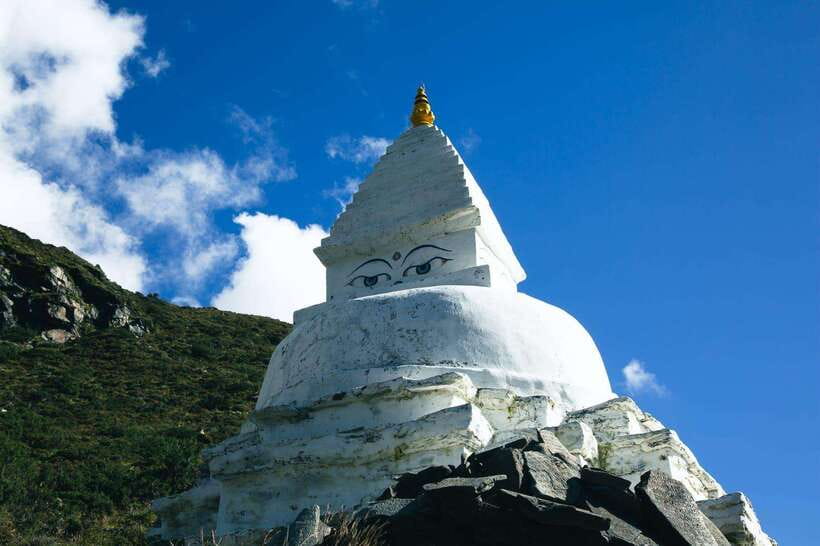
A rest day does not necessarily mean staying in bed. It gives you time to adjust while remaining in Namche Bazaar, where you can experience the town and its mountain surroundings at a slower pace.
This pause is one of the strongest parts of the schedule. High-altitude trekking is not only about distance. Your body needs time to respond to thinner air, and a planned rest day is more sensible than rushing upward.
Namche also provides one of the better cultural stops on the route. You can see how Sherpa communities, local trade, trekking services, and Buddhist traditions meet in one mountain town.
More Treks and Hikes:
- Nagarkot Sunrise View and Day Hiking from Kathmandu
★ 5.0 · 471 reviews - Annapurna Circuit Trek with Tilicho Lake
★ 5.0 · 368 reviews - Everest Base Camp Trek -14 Days
★ 5.0 · 321 reviews - Annapurna base camp trek 5 Days
★ 5.0 · 252 reviews
Day 4: Tengboche Monastery at 3,800 meters
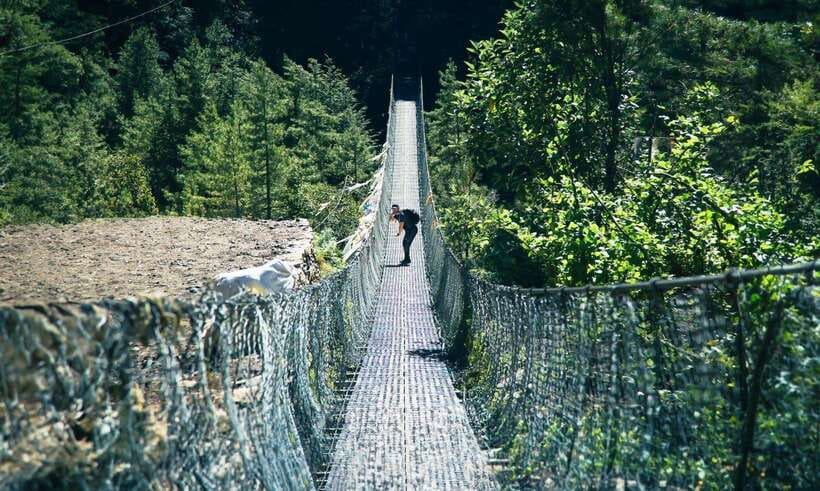
From Namche, you continue toward Tyangboche, also known as Tengboche, at around 3,800 meters. The monastery is one of the cultural highlights of the trek and offers broad views of the Everest range.
The experience here is not limited to taking a quick photograph. You may see Buddhist prayer rituals and ceremonies, depending on the timing of your visit. The monastery gives the trek a spiritual dimension and helps explain the beliefs that shape daily life in the Khumbu.
The walking remains demanding, though the distance and altitude are not yet at their most severe. You move through changing scenery, including mountain paths and sections associated with rhododendron forests. The views of peaks such as Ama Dablam, Lhotse, Nuptse, and Everest become increasingly impressive.
Day 5: Reaching Dingboche at 4,400 meters
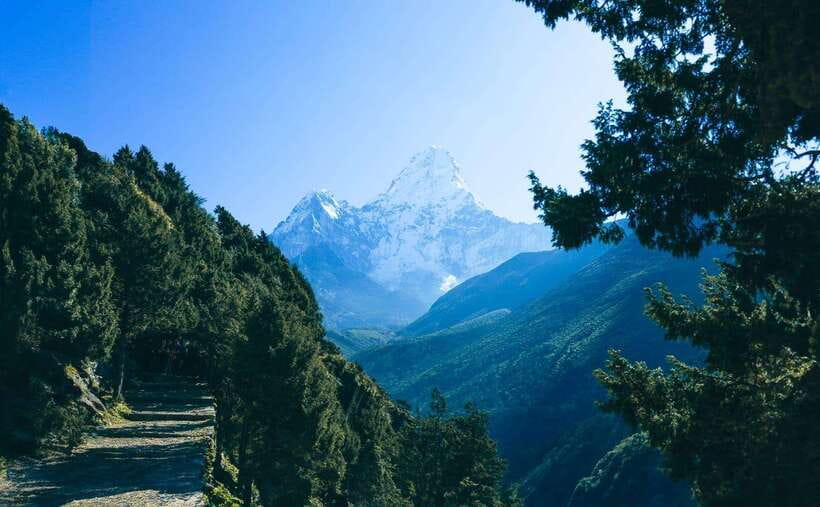
The route climbs onward to Dingboche, a settlement at approximately 4,400 meters. At this point, the air is noticeably thinner, and a steady pace becomes essential.
Dingboche is an important stopping point because the next day is another acclimatization day. I appreciate this pause more than an overpacked schedule that tries to reach Base Camp as quickly as possible.
You are also moving into a more rugged part of the route. The lush lower sections give way to harsher high mountain scenery, with rocky paths, exposed slopes, and wide views toward the major peaks.
Day 6: A second rest day in Dingboche
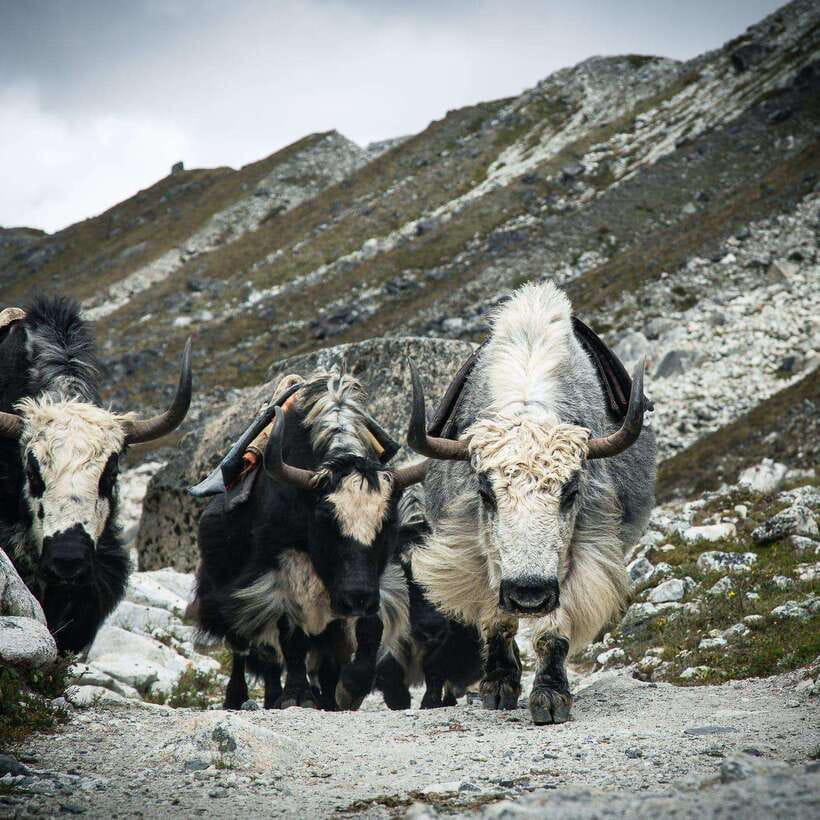
The second rest day is practical rather than decorative. Dingboche gives your body more time to adapt before the trek moves above 4,900 meters.
You should use the day to follow your guide’s pace and prepare for the hardest walking ahead. It is also a good point to check your clothing, water, and personal gear. The guide carries a first-aid kit, but you should still have your own essential medication and travel insurance.
The schedule cannot remove the difficulty of altitude. It can only give you a better chance of handling it safely and sensibly.
Day 7: The high route to Lobuche at 4,900 meters
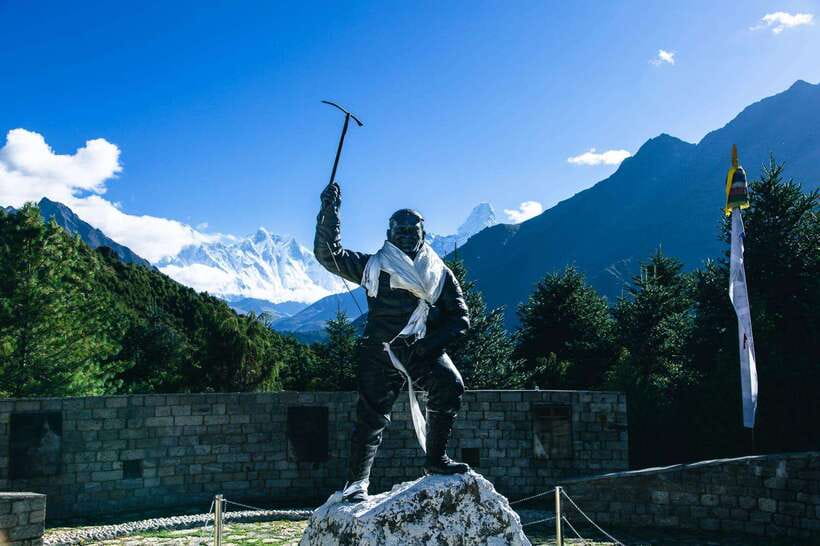
The walk to Lobuche marks a clear change in the trek. You are now close to the high-altitude settlements that support the final approach to Base Camp.
At around 4,900 meters, even moderate walking can feel slow. Rocky ground and steep sections add to the challenge, so you should conserve energy instead of trying to keep up with the fastest person in the group.
This is one of the days when a good guide matters. Saran has been praised for checking on a trekker’s condition, helping on steep climbs, and carrying a heavy pack when fatigue became severe. That kind of support is especially useful here, where small problems can grow quickly.
Day 8: Gorak Shep and Everest Base Camp at 5,365 meters
The route reaches Gorak Shep at about 5,150 meters, the final settlement before Base Camp. From there, you continue to Everest Base Camp at approximately 5,365 meters.
This is the emotional high point of the trip. You reach the foot of the world’s highest mountain and see the Khumbu Icefall and nearby glaciers. The Base Camp area offers a powerful sense of achievement, though it is important to remember that the famous summit is still far above you.
The walk is not easy. At this altitude, the scenery can look close while taking hours to reach. The route across rocky and glacial terrain demands careful footing, warm clothing, and a calm pace.
Gorak Shep also makes the overnight conditions feel more basic than earlier villages. The attraction is the location, not comfort. You are there because it puts you near the route’s main goal.
Day 9: Sunrise at Kala Patthar, then down to Pheriche
The morning climb to Kala Patthar reaches 5,545 meters, higher than Everest Base Camp itself. This is often the best viewpoint of the trek, with a close look at Everest and the surrounding Himalayan peaks.
You then descend to Pheriche at about 4,200 meters. That descent is welcome for your breathing, but it is still tiring after the early climb. Going down does not mean the day is easy, especially after several days at high altitude.
If your priority is a clear view of Everest, Kala Patthar deserves serious attention. Base Camp gives you the destination and the atmosphere, while Kala Patthar provides the wider mountain view.
Days 10 and 11: Returning to Namche and Lukla
The route reverses toward Namche Bazaar on Day 10, then continues to Lukla on Day 11. Descending gives your lungs some relief, but long downhill sections can be hard on knees and legs.
These days also let you notice the route from a different angle. Villages that felt remote on the way up may now seem more familiar, and the return walk gives you another chance to appreciate Sherpa settlements, monasteries, bridges, forests, and mountain views.
The trek ends in Lukla before the return flight. The final walk is still part of the achievement. Reaching the airstrip does not feel like an ordinary transfer after nearly two weeks on foot.
Day 12: Flying back to Kathmandu
The final day is the return flight from Lukla to Kathmandu. Round-trip domestic flights are included if you select the appropriate option, so confirm that detail when comparing packages.
The flight brings a sharp change from mountain paths to the capital. After days of basic trekking accommodation and high-altitude walking, Kathmandu can feel busy and noisy, but the return also gives you time to reflect on what you have just completed.
Hotel pickup and drop-off, a trekking map, a first-aid kit, and welcome and farewell coffee are included in the stated package details. The practical extras are modest, but they reduce some of the small tasks around a complicated trip.
Sherpa culture, monasteries, and the meaning of the route
The mountain views are the headline, but the local culture gives the trek its character. In Namche Bazaar, you see a regional center rather than an isolated village. In Tengboche, Buddhist prayer and monastery life bring a quieter focus to the journey.
The route also gives you opportunities to meet Sherpa people, visit villages, see traditional dress, and learn about local customs. The experience includes cultural visits and museum opportunities, although the exact museum stop is not specified, so you should ask the operator for the current plan.
Sagarmatha National Park is another major part of the experience. The park is a UNESCO World Heritage site and includes forests, high mountain terrain, glaciers, and rare wildlife such as snow leopards, musk deer, and Himalayan tahrs. Wildlife sightings are never guaranteed, but the protected setting adds value to every walking day.
The guides and support that shape the experience
The strongest practical advantage is the guide support. Saran has received repeated praise for his humor, care, English communication, photography, and willingness to help when the route became difficult. One solo trekker described receiving help with a heavy pack and even a video made during the journey.
Prayas has also been praised for helpful support and good English. The guide is not just there to point toward Everest. On a trek like this, you need someone who notices fatigue, helps you make sensible choices, and keeps communication clear.
Rajesh, the organizer, has been praised for answering questions through WhatsApp and explaining what to bring well before departure. That preparation is particularly useful for a first high-altitude trek or for someone traveling alone.
One important point is that guide quality can vary by assignment, even within the same company. Saran and Prayas are specifically named in the supplied feedback, but you should confirm your guide’s name before departure if that matters to you.
Is $408 good value for Everest Base Camp?
The price of $408 per person looks attractive for a 12-day guided trek, but you need to read the package choices carefully. Accommodation, a guide, the guide’s food and lodging, the Sagarmatha National Park permit, a trekking map, a first-aid kit, and hotel pickup and drop-off are included.
Round-trip Kathmandu to Lukla flights are included if that option is selected. Food and drinks are included if you choose the full-board option. Those two qualifications matter, since flight and meal costs can change the total value considerably.
Nepal visa fees and travel insurance are not included. You should budget for both, and insurance is especially important for a demanding high-altitude route. The activity offers free cancellation up to 24 hours before departure and reserve-now, pay-later booking, which gives you some planning flexibility.
For the right package, the price is good value because the guide, permits, accommodation, and key transport are grouped together. For a bare option without flights and full-board meals, the headline price tells only part of the story.
Who should book this trek?
I would recommend it to you if you want the classic Everest route, prefer organized support, and accept that comfort will be secondary to the goal. It suits solo participants, including women traveling alone, especially if you value a guide who can help with communication and changing conditions.
It is also a good fit if you want more than mountain photographs. The monastery, Sherpa villages, Buddhist practices, local dress, national park, and market town make the route culturally rewarding.
I would hesitate to recommend it if you want a relaxed holiday, dislike steep and rocky paths, or cannot commit to 12 days of walking. The itinerary includes two rest days, but those are for acclimatization, not a resort-style break.
Should you book the Everest Base Camp trek?
Book this trek if reaching Everest Base Camp is a serious personal goal and you want a local guide, planned acclimatization, and help with the practical details. The strongest reasons are the complete route, the cultural stops, and the record of attentive support from guides such as Saran and Prayas.
Before booking, confirm three things: whether Lukla flights are included, whether full-board food is selected, and who your guide will be. If those details suit your budget and fitness, this 12-day plan offers a direct, well-supported way to experience one of the world’s great mountain routes.
FAQ
How long is the Everest Base Camp trek?
The experience lasts 12 days, including flights from Kathmandu to Lukla and back.
What is the highest point reached on the trek?
Kala Patthar is the highest point listed, at approximately 5,545 meters. Everest Base Camp is listed at about 5,365 meters.
Is the flight from Kathmandu to Lukla included?
Round-trip domestic flights are included if you select the relevant option. You should confirm this when booking.
Is food included during the trek?
Food and drinks are included if you select the full-board option. The package details do not state that full-board meals apply to every option.
Is accommodation included?
Yes, accommodation during the trek is included. The guide’s accommodation and food are also included.
Is an English-speaking guide provided?
Yes. The activity provides a live tour guide in English.
Is this available as a small-group tour?
A small-group option is available.
Is the Sagarmatha National Park permit included?
Yes, the Sagarmatha National Park permit is included.
Are visa fees and travel insurance included?
No. Nepal visa fees and travel insurance are not included in the stated price.
Just added around Kathmandu
- Private Shopping Tour in Kathmandu★ 5.0 · 3 reviews
- Nagarkot Sunrise With 7 UNESCO World Heritage Private Tour★ 5.0 · 3 reviews
- Mount Everest Scenic Flight 50 Minutes★ 5.0 · 3 reviews
- Kathmandu: Nightlife and Pub Crawl Tour★ 5.0 · 3 reviews
- Momo Cooking Class -The Art Of Making MoMo with Home Chef★ 5.0 · 3 reviews
- Kathmandu: Nagarkot, Bhaktapur, Doleswor & Sanga Statue Tour★ 5.0 · 3 reviews
- Makalu Base Camp Trek★ 5.0 · 3 reviews
- Kathmandu: Momo Making Class with a Local Chef★ 5.0 · 3 reviews
Everest Base Camp Treks, compared.






Everest Base Camp Trek with Helicopter Return from Gorakshep to Lukla
Read our review →Browse the lists this tour appears in