
Reviewed · MOMO MAKING CLASSES
Kathmandu: Local Women-Lead Nepali Cooking & Momo Class
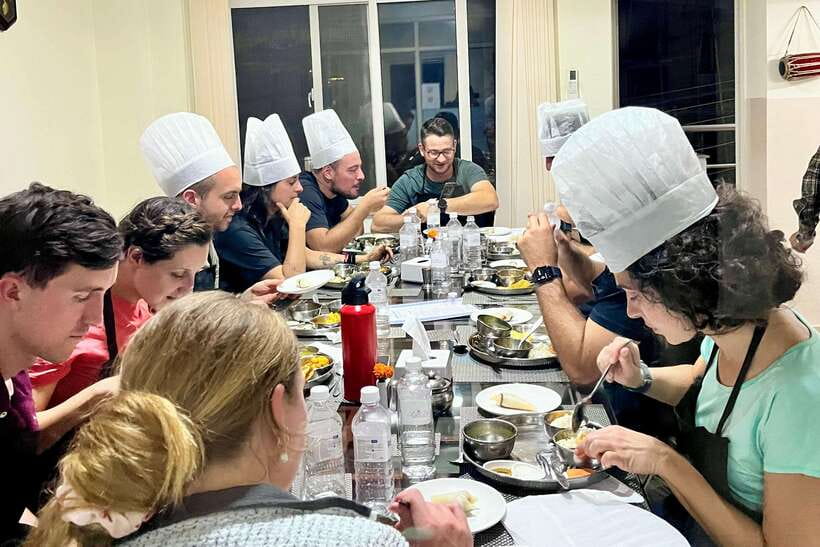
Food is the best way to meet Nepal. This Kathmandu class takes you from a nearby market to a working kitchen, where you help choose ingredients and cook momo, dal bhat, and other Nepali dishes. I especially like the market stop and the patient, hands-on teaching from local chefs such as Nish and Nishma. You do not just watch someone cook. You chop, mix, fold, season, and eat the results.
I also like the small group size, limited to 10 people, and the chance to choose dishes with the rest of the class. The main consideration is that momo may not be guaranteed if the group chooses other dishes, so speak up early if dumplings are your priority. Pickup can also run late in Kathmandu traffic, so leave some breathing room in your day.
In This Review
- Key points at a glance
- Why this Kathmandu cooking class is worth your afternoon
- Starting in Thamel with a market visit
- Choosing momo, dal bhat, and other dishes
- Learning to fold momo by hand
- Cooking with Nish, Nishma, and the local team
- Masala tea and the meal you actually make
- Timing, transport, and the Thamel location
- Who will enjoy this class most
- Price, flexibility, and the few things to watch
- Should you book the Kathmandu cooking class?
- FAQ
- How long does the Kathmandu cooking class last?
- What dishes will I cook?
- Is momo guaranteed?
- Is hotel pickup included?
- Where does the class meet?
- Can people with dietary restrictions join?
- Can children participate?
Key points at a glance
- Choose several Nepali dishes: The class can include a starter, main course, and dessert, with momo and dal bhat among the possible choices.
- Shop for ingredients nearby: A short market or shop visit gives you a practical look at the produce and spices behind the meal.
- Fold your own momos: You get step-by-step help with one of Nepal’s best-known foods, rather than simply receiving a demonstration.
- Small groups work well: With no more than 10 participants, the chef can usually give useful attention to each person.
- Come hungry: Portions can be generous, and the class ends with a full tasting session of the food you prepared.
- Pickup is optional: You can arrange hotel pickup and drop-off within Kathmandu Valley, or make your own way to the cooking school in Thamel.
Why this Kathmandu cooking class is worth your afternoon
At about $5 per person, this is an unusually low-cost way to spend three to four hours in Kathmandu. The value comes from the combination of a lesson, a market visit, a meal, and cultural background. A cheap activity is not always a good activity, but this one gives you something useful to take home: recipes, cooking skills, and a better sense of what you have been eating in Nepal.
The class is run by Luxury Holidays Nepal at Kathmandu Cooking Academy, in the Thamel area. Thamel is a practical base for this sort of activity because it is easy to reach and close to many hotels, restaurants, and shops. If you select transport, pickup and drop-off are available from locations within Kathmandu Valley.
The experience is led in English. The teachers are not simply there to get food on the table. Nish has been praised for clear explanations, patience, and a good sense of humor. Nishma has also received warm praise for her friendly manner, excellent English, and willingness to adjust dishes to a participant’s preferences.
You should think of the class as participatory rather than polished theater. You will spend time handling ingredients and kitchen equipment, and your finished dishes may look homemade because they are homemade. That is part of the appeal.
More Cooking Classes in Kathmandu
- Half day cooking class in Thamel kathmandu
★ 5.0 · 607 reviews - Kathmandu: Local Women-Led Nepali Cooking & Momo Class
★ 4.9 · 360 reviews - Kathmandu: Local Lead Nepali Cooking & Momo-Making Class
★ 5.0 · 212 reviews
Starting in Thamel with a market visit
The class begins with a visit to a nearby market or shop to buy the main ingredients. This is a short but useful part of the experience. Instead of seeing Nepali food only as a finished plate, you get to connect the meal with the raw ingredients, herbs, spices, vegetables, and other items that go into it.
The shopping stop also gives the chef a chance to explain what you are buying and why it matters. The exact ingredients depend on the dishes selected by your group. If you are cooking momo, you might help gather what is needed for the filling and dough. If the group chooses dal bhat or another dish, the shopping list changes accordingly.
I consider this market visit one of the strongest parts of the class because it adds a local errand to the cooking lesson. It is not a major sightseeing stop, and you should not expect a guided food market tour lasting half a day. It is a practical introduction that leads directly to lunch or dinner.
The market portion also helps keep the class connected to ordinary life in Kathmandu. You are not cooking from a prearranged box of ingredients with no explanation. You are helping select the food that will become your meal.
Choosing momo, dal bhat, and other dishes
The class centers on Nepali favorites, but the exact menu is flexible. Momo and dal bhat are highlighted as the key dishes, and you may also choose another item to complete the meal. Several participants were able to select a starter, a main course, and a dessert.
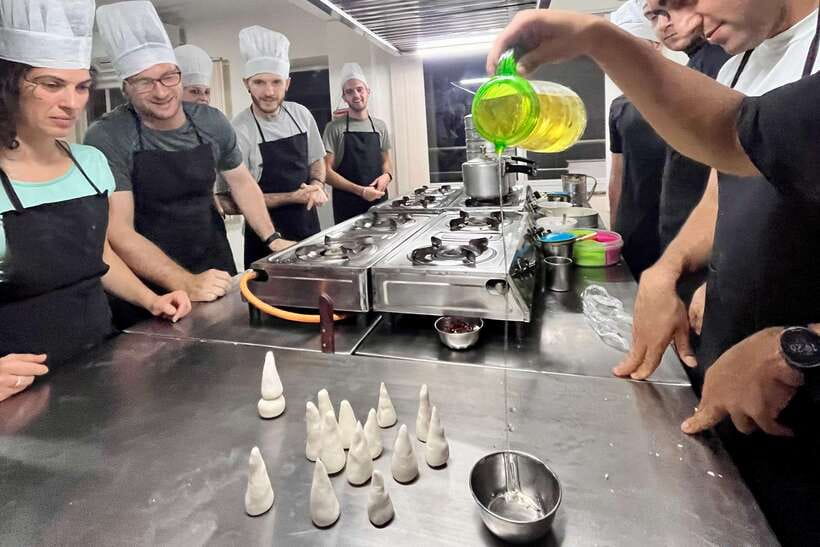
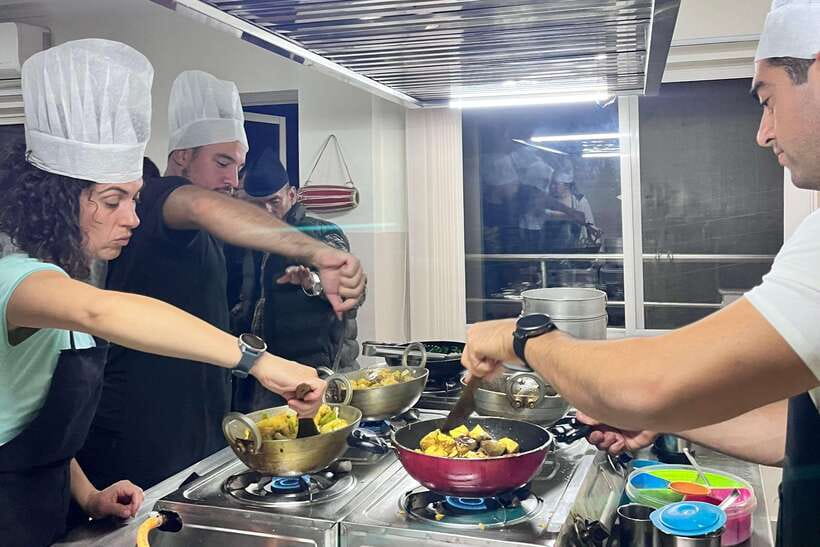
That flexibility is helpful for groups with different tastes. One class prepared chicken momo, aloo chop, and mushroom choila. Another included dal bhat and barra. Some classes cooked four different dishes, depending on the size and wishes of the group.
The catch is simple: the group generally decides what to make. If you arrive determined to cook momo, tell the instructor early and encourage the group to include it. One participant expected momo and had to persuade the others before the class made it. Fortunately, the small group agreed.
This is not a serious problem for most people, but it is an important booking tip. If momo is the main reason you want the class, do not assume it will automatically be on the menu. Ask at the start.
Dal bhat gives the class a useful connection to everyday Nepali food. The dish is built around rice, lentils, and accompanying sides, and it is one of the meals you are most likely to encounter during a visit to Nepal. Learning how it comes together helps you recognize the flavors and components on restaurant plates later in your trip.
The additional starter and dessert make the class feel more like a complete meal. You are not spending three hours on one folding technique and then leaving hungry. The menu gives you a wider look at Nepali cooking.
Learning to fold momo by hand
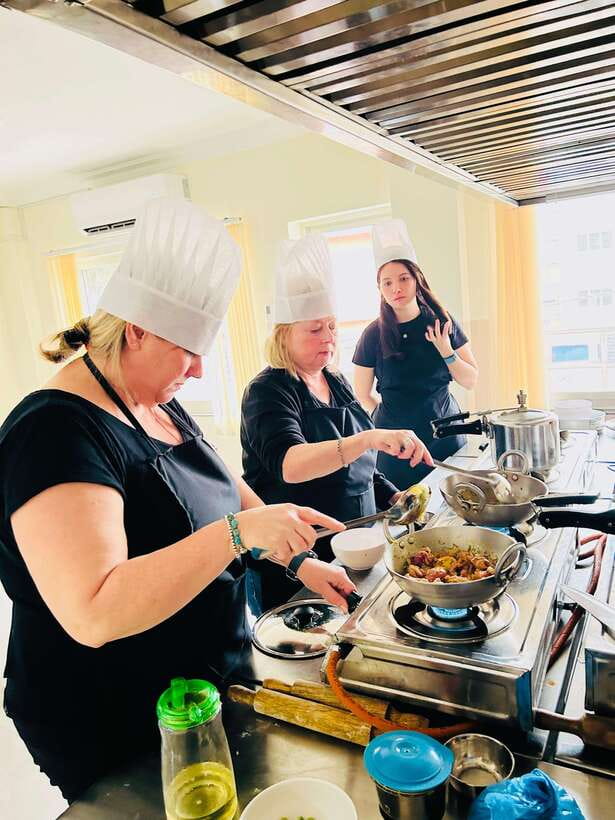
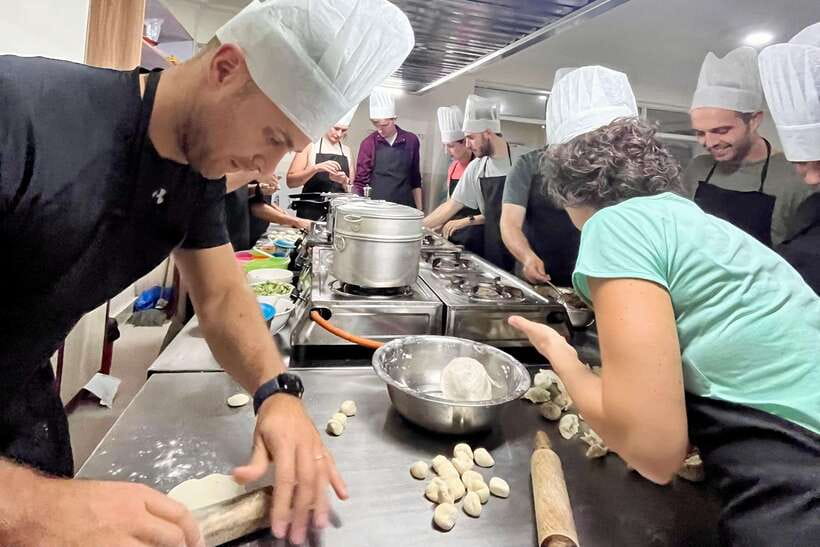
Momo is the class favorite for good reason. These dumplings require more than a recipe. You need to prepare the filling, work with the dough, portion everything neatly, and learn how to fold the wrappers so they stay closed during cooking.
The chef demonstrates each stage and then lets you try. If your first few dumplings look uneven, that is normal. The instruction is aimed at ordinary people, not trained cooks. Oliver, who took the class alone, found the teacher patient despite his limited kitchen skills. That is the right expectation for you too.
The hands-on format also makes momo a social dish. You are likely to compare folds, laugh at the odd-shaped ones, and improve as you go. The cooking itself becomes part of the afternoon rather than a pause before eating.
The finished momo can be prepared with meat or other fillings depending on the group’s choices and dietary needs. Vegetarian adjustments have been made for participants, and spice levels can be changed when you provide that information in advance.
You should notify the provider about allergies or dietary restrictions before the class. Do not wait until the ingredients are already purchased. The stated arrangements allow for adjustments, but advance notice gives the chef a better chance to plan.
More Momo and Nepali Cooking Classes:
- Local Women Lead Nepali Cooking Class
★ 5.0 · 125 reviews - The best Private Nepali Cooking Class in Kathmandu
★ 5.0 · 83 reviews - Kathmandu: Traditional Momo Making Class & Pickup
★ 4.8 · 60 reviews - Traditional Nepali Momo Making Classes
★ 5.0 · 53 reviews
Cooking with Nish, Nishma, and the local team
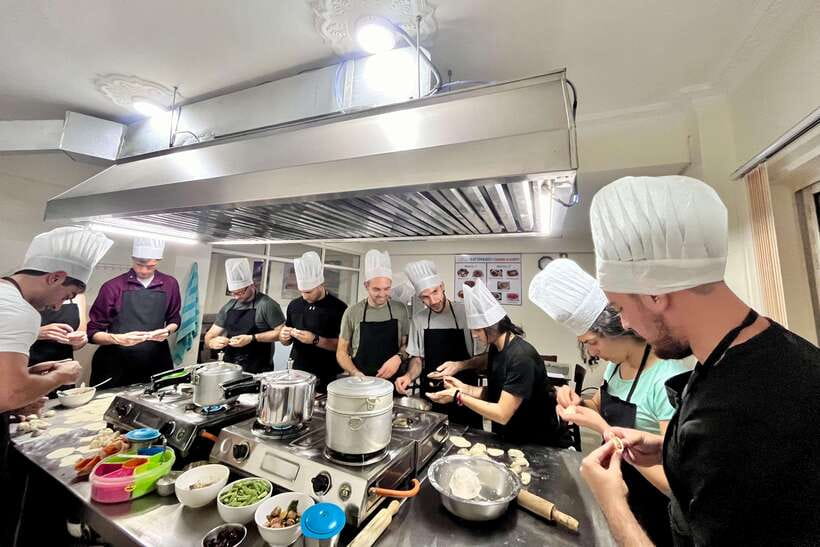
The human side of the class is a major reason it receives such strong praise. Nish has been described as thorough, informative, and a very good teacher. Nishma has been praised for her patience, friendliness, cooking ability, and clear English.
The local women-led format adds value beyond the food itself. You are learning from people who cook and teach Nepali dishes locally, not from a generic international cooking school using Nepal as a backdrop. The instructors also explain food traditions and share some context about Kathmandu and Nepali culture during the lesson.
The tone appears friendly and relaxed. Several classes included plenty of joking and conversation, while the instruction remained clear. That balance matters. A chef who is entertaining but rushed is not much help when you are trying to fold a momo. Here, the strongest feedback points to teachers who take time to show the process.
Class sizes can vary. The advertised limit is 10 participants, but some sessions have been much smaller. One person received what felt like a private lesson when the class ran with only one student. Another solo participant joined a group of three others and still enjoyed the format.
A very small class can be a bonus if you like direct instruction. There is one social consideration: a solo participant noted feeling slightly separate from the staff while eating. That may depend on the group and the room, but solo visitors should know that the cooking portion may feel more naturally social than the final meal.
Masala tea and the meal you actually make
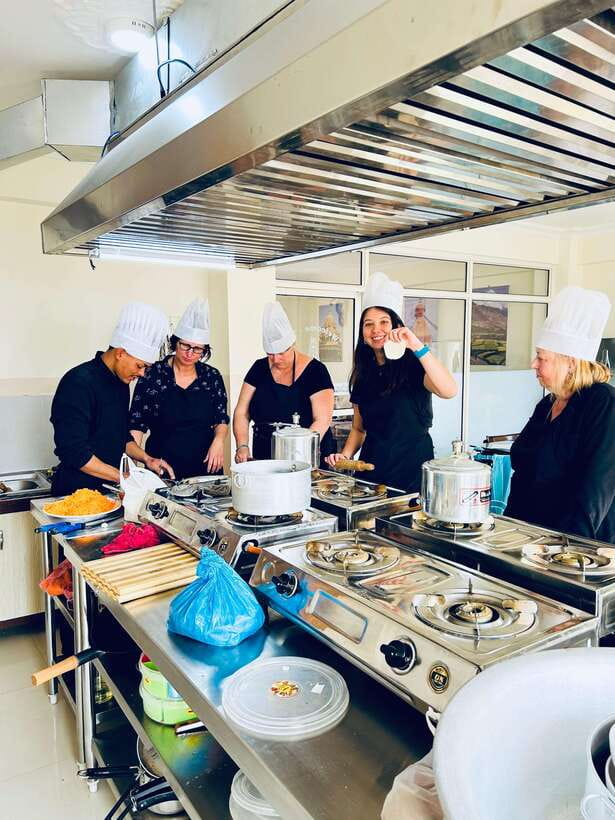
Nepali masala tea is served during the lesson. It is a small inclusion, but it adds a local touch and gives you something warm to drink while the cooking gets underway. Specialty and alcoholic drinks are not included, so plan to pay separately if you want anything beyond the provided tea.
At the end, you eat the food prepared during the class. This is not a token sample. The portions have been described as generous, so arrive with an appetite. After several hours of shopping, chopping, folding, and cooking, the meal is the reward.
The food is also the clearest test of the class. Reports from the sessions describe the finished dishes as delicious, filling, and well worth the time. That does not mean every dish will match your personal taste. Nepali food can be spicy, and the menu is selected by the group, but spice levels can be adjusted when discussed ahead of time.
You receive the practical benefit of cooking at home later. A PDF of the dishes prepared has been provided after the class, and one participant also bought a cookbook for 400 NPR. Ask the staff what recipe material is available if you want to recreate the food after returning home.
Timing, transport, and the Thamel location
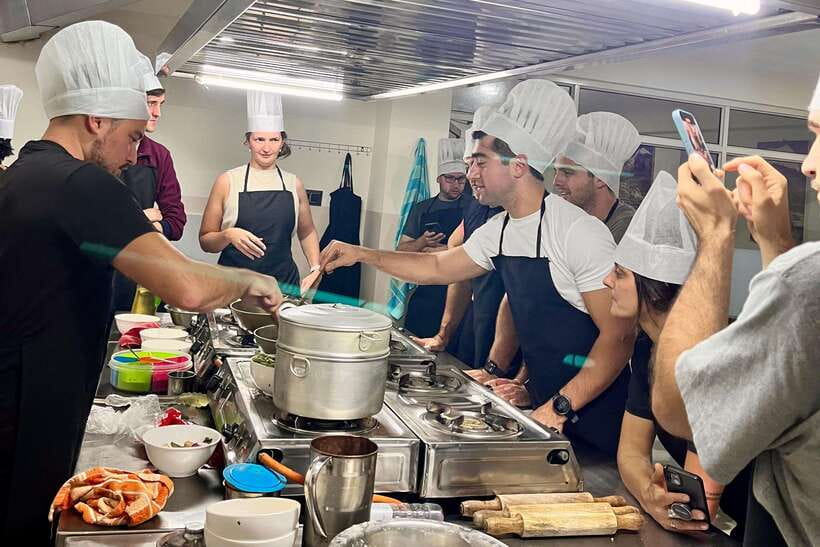
The class usually takes about three hours, though the stated duration is three to four hours. That includes the market visit, preparation, cooking, and eating. I would protect at least half a day for it rather than scheduling a tight sightseeing appointment immediately afterward.
You need to arrive at least 15 minutes before the scheduled start. If you are meeting at the academy, use the provided Google Maps location for Kathmandu Cooking Academy and allow time to find the entrance.
Pickup and drop-off are available if you choose that option during booking. The service covers locations within Kathmandu Valley. It is convenient, especially if you are unfamiliar with Kathmandu, but it is not immune to traffic. One participant reported late pickup and drop-off, while also noting that Kathmandu traffic made the delay understandable.
If you are using hotel transport, avoid placing this class right before a flight, long-distance bus, or fixed appointment. If you are meeting at the school, making your own way may give you more control over your schedule.
Comfortable clothing is a good idea because you will be actively cooking. Bring a camera if you want pictures of the market, ingredients, and your finished food, but keep your hands free during the practical work.
Who will enjoy this class most
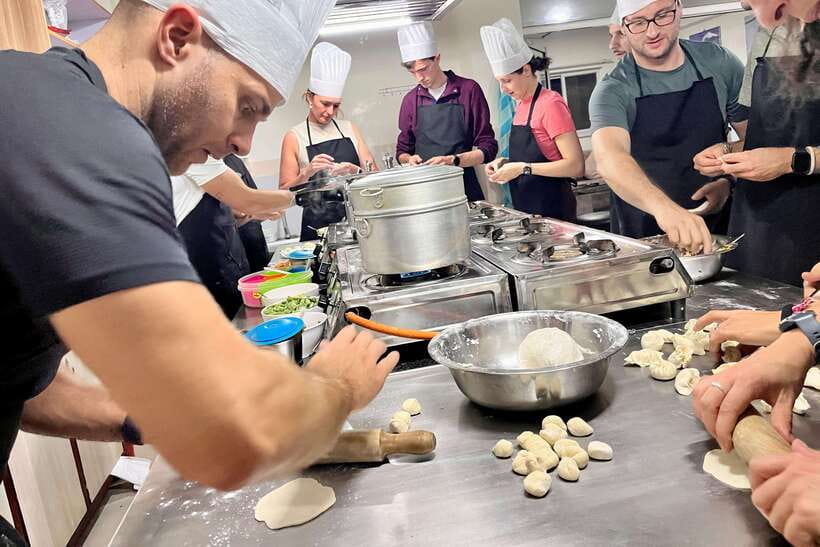
I would recommend this experience to anyone who likes food enough to participate, not just eat. It works particularly well for couples, families with older children, and small groups of friends who want a relaxed afternoon in Kathmandu.
Children over 7 can take part with adult supervision. Children under 5 are not suitable for the activity. The class is wheelchair accessible, which is useful, though you should still confirm the exact transport and venue arrangements when booking if accessibility is important to you.
Solo participants can also enjoy it. The group limit is small, and the instructors have run sessions for one person. Still, you should expect the social mood to depend on who else books that time slot.
This is less suitable if you need a guaranteed menu, dislike group decisions, or want a quick demonstration with no kitchen work. You will spend real time preparing food, and that is exactly why the class offers good value.
Price, flexibility, and the few things to watch
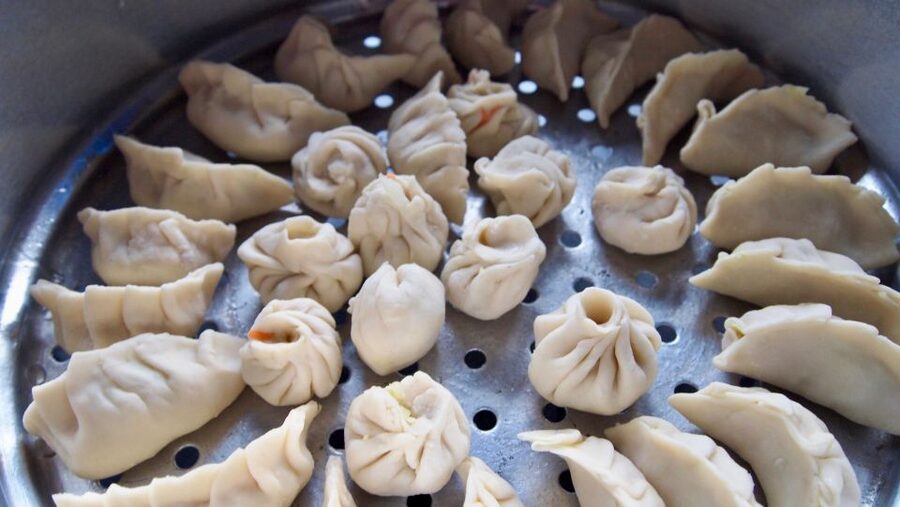
At $5 per person, the price is hard to criticize if the published rate is available for your date. You are getting instruction, ingredients selected during a market visit, kitchen equipment, masala tea, and a meal. Hotel transport is included only when you select the pickup option, so check the exact booking choice before assuming it is part of the price.
The main variable is the menu. Momo and dal bhat are central to the experience, but the group chooses the final dishes. Tell the chef what you hope to make, especially if you have come specifically for momo.
The minimum class size may be two participants. If that minimum is not reached, you can be offered another date or a full refund. Free cancellation is available up to 24 hours before the activity, and reserve-now, pay-later booking may be offered, which helps if your Kathmandu schedule is still shifting.
The activity is rated 4.9 from 45 reviews, with particularly strong praise for the food, instructors, humor, patience, and amount of hands-on cooking. The most useful criticism concerns transport delays and one solo participant feeling a little separate during the meal. Those are manageable concerns, but they are worth factoring into your plans.
Should you book the Kathmandu cooking class?
Yes, if you want an affordable, practical introduction to Nepali food. I would book it for the market visit, the chance to choose several dishes, and the direct help with momo and dal bhat. It gives you more than a meal because you learn how to make the food and receive recipes that can guide you at home.
Book with two small conditions in mind. Confirm that momo can be included if it is your priority, and allow extra time if you use hotel transport. Come hungry, wear comfortable clothes, and tell the chef about dietary needs before the shopping begins.
For $5, this is one of the better-value ways to spend an afternoon in Thamel. It is friendly, useful, and tied to everyday Nepali cooking rather than tourist decoration.
FAQ
How long does the Kathmandu cooking class last?
The class lasts about three hours in most cases, with the stated duration ranging from three to four hours. The time includes the market visit, preparation, cooking, and tasting.
What dishes will I cook?
Momo and dal bhat are the main featured dishes. Depending on the group’s choices, you may also prepare a starter and a dessert, with examples including aloo chop, mushroom choila, and barra.
Is momo guaranteed?
No. The group chooses the final dishes, so tell the chef at the beginning if making momo is important to you.
Is hotel pickup included?
Pickup and drop-off are available only if you select that option during booking. The service is available from locations within Kathmandu Valley.
Where does the class meet?
The cooking school is Kathmandu Cooking Academy in Thamel. You should use the supplied Google Maps location to find the meeting point if you are not using pickup.
Can people with dietary restrictions join?
Yes. Dietary restrictions and allergies should be provided in advance so the chef can plan suitable adjustments. Vegetarian preferences and spice levels have been accommodated.
Can children participate?
Children over 7 are welcome with adult supervision. The activity is not suitable for children under 5.
More Workshops
- Knife (Khukuri) Making Workshop- Forge of the Gurkhas
★ 5.0 · 143 reviews - Kathmandu: Local Lead Nepali Cooking & Momo Making Class
★ 4.9 · 40 reviews - Knife Khukuri Making Workshop
★ 4.9 · 38 reviews - Best Nepali Cooking Class in Thamel with Local Market Trip
★ 5.0 · 26 reviews
Just added around Kathmandu
- Private Shopping Tour in Kathmandu★ 5.0 · 3 reviews
- Nagarkot Sunrise With 7 UNESCO World Heritage Private Tour★ 5.0 · 3 reviews
- Kathmandu: Nightlife and Pub Crawl Tour★ 5.0 · 3 reviews
- Mount Everest Scenic Flight 50 Minutes★ 5.0 · 3 reviews
- Momo Cooking Class -The Art Of Making MoMo with Home Chef★ 5.0 · 3 reviews
- Kathmandu: Nagarkot, Bhaktapur, Doleswor & Sanga Statue Tour★ 5.0 · 3 reviews
- Makalu Base Camp Trek★ 5.0 · 3 reviews
- Kathmandu: Momo Making Class with a Local Chef★ 5.0 · 3 reviews
Momo Making Classes, compared.




Nepalese Momos or Dal Bhat Cooking Class (Cook with Delight)
Read our review →
The best Private Nepali Cooking Class in Kathmandu
Read our review →
Nepalese Kitchen in Pokhara: Momos or Dal Bhat Cooking Class
Read our review →
Browse the lists this tour appears in