
Reviewed · ANNAPURNA BASE CAMP TREKS
Pokhara: Amazing 7-Day ABC Trek with Natural Hot Spring
The mountains save their best room for last. This seven-day trek from Pokhara takes you through villages, forests, suspension bridges, waterfalls, and high mountain scenery before reaching Annapurna Base Camp at 4,130 meters. I like the sensible route, which combines jeep transport with walking, and I like that the final reward is not only the base camp but also a soak in Jhinu Dada’s natural hot spring.
I also like the private-group format and the guide support included in the price. The main consideration is altitude: reaching Annapurna Base Camp in four walking days means you need reasonable fitness, suitable clothing, and a willingness to walk for up to seven hours at a stretch. The $200 price looks strong for a full package, but confirm exactly what is included before paying, since meals and deluxe transport are listed only with the Full Package option.
In This Review
- Key points to know before booking
- What this Annapurna trek is really like
- Day 1: Pokhara to Chhomrong by jeep and trail
- Day 2: Chhomrong to Dovan through forest and river country
- Day 3: Dovan to Deurali and the first real altitude test
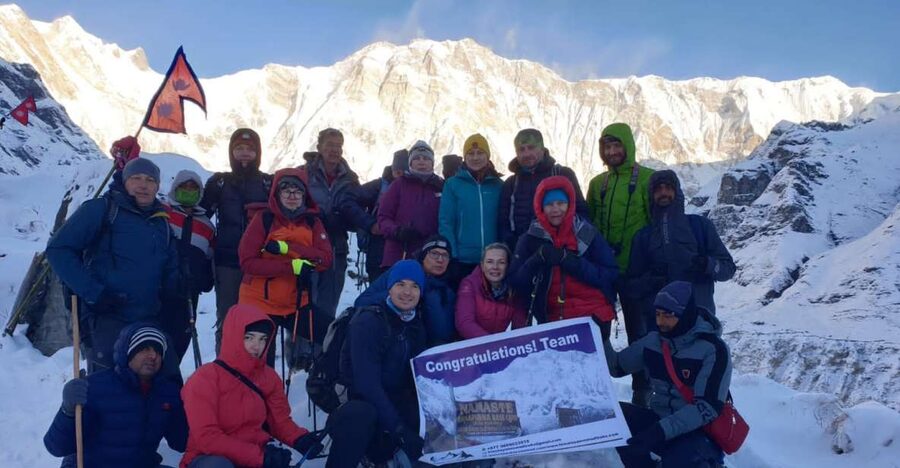
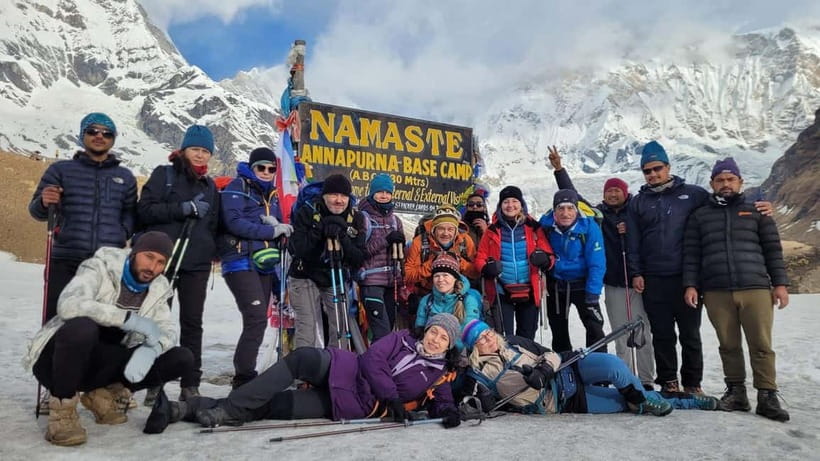
- Day 4: Deurali to Annapurna Base Camp at 4,130 meters
- Day 5: Annapurna Base Camp to Sinuwa
- Day 6: Sinuwa to Jhinu Dada’s natural hot spring
- Day 7: Jhinu Dada back to Lakeside Pokhara
- Guides, safety, and the human side of the trek
- Food, rooms, packing, and extra costs
- Is $200 good value for seven days?
- Who should choose this ABC trek?
- Should you book it?
- FAQ
- Where does the Annapurna Base Camp trek begin and end?
- How high is Annapurna Base Camp?
- Are meals included during the trek?
- Is a porter included?
- What languages can the guide speak?
- Can I cancel the booking?
Key points to know before booking
- Annapurna Base Camp reaches 4,130 meters: The high point comes on Day 4, after the route passes through Deurali and alpine mountain scenery.
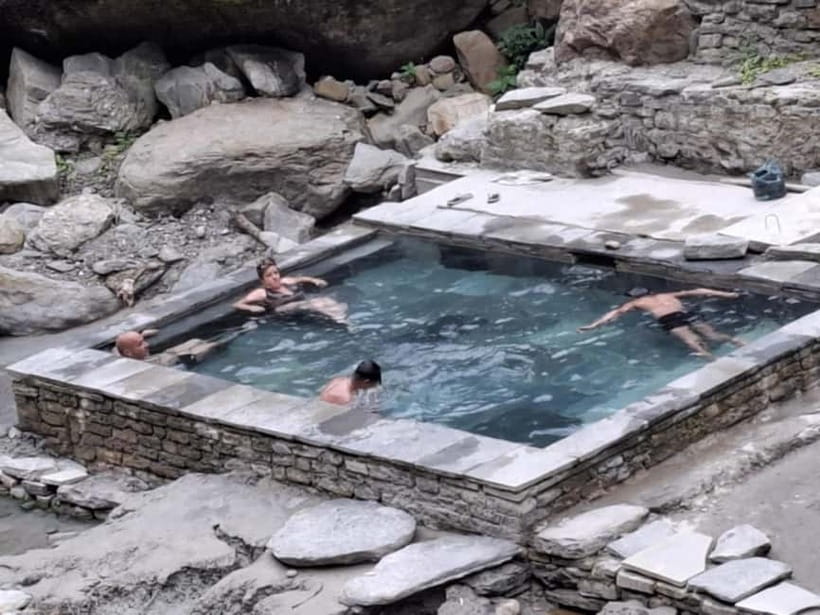
- Jhinu Dada adds a proper recovery stop: You descend to 1,600 meters on Day 6 for a natural hot spring soak.
- The route mixes road and trail: A jeep carries you from Pokhara to Matqui on Day 1, while another jeep helps return you to Pokhara on the final day.
- Private guiding gives you more flexibility: The listed guide languages are English, Hindi, and Nepali, and the company can adjust the pace to the group.
- The scenery changes almost every day: Expect paddy fields, villages, bamboo and rhododendron forests, rivers, waterfalls, glaciers, and high peaks.
- A porter is optional, not included: You can purchase porter service separately, which may be worthwhile for anyone carrying more than a light daypack.
What this Annapurna trek is really like
This is a compact version of the Annapurna Base Camp route, starting and ending in Lakeside Pokhara. You spend four days gaining height, one day at the base camp, and two days descending through the same mountain corridor toward Jhinu Dada and Pokhara.
I see the route as a good fit for someone who wants a serious Himalayan walk without arranging every permit, vehicle, lodge, and guide separately. The price includes permits, paperwork, accommodation during the trek, a guide, medical kit, and government taxes. With the Full Package, it also includes breakfast, lunch, dinner, and deluxe transport according to the itinerary.
The word full matters here. The information also lists a non-full package with shared bus transportation, while meals and deluxe transport are specifically tied to the Full Package. Ask for a clear breakdown before booking so the $200 price matches your expectations.
The trek is private, not a large fixed group. That can make a real difference on a route where one person may walk faster, another may need more rest, and everyone has to manage the altitude at their own pace. Guide Ghanshyam Silwal was praised for adjusting daily walking speeds and helping when a trekker felt unwell. Guides Jeet, Prakash, and Niraj were also singled out for safety, encouragement, local context, and practical care.
More Annapurna Base Camp Treks:
- Pokhara: 7 Day Annapurna Base Camp Trek
★ 4.9 · 38 reviews - Annapurna Base Camp Heli Tour
★ 5.0 · 7 reviews - From Pokhara: 10-Day Poon Hill and Annapurna Base Camp Trek
★ 5.0 · 7 reviews
Day 1: Pokhara to Chhomrong by jeep and trail
Your pickup begins in Lakeside Pokhara, with collection also available from Pokhara Airport and across the Pokhara Valley. After breakfast, you travel by jeep along a scenic highway, passing views of the Seti River, mountain ridges, and green paddy fields.
The vehicle continues to Matqui, about half an hour beyond Ghandruk. From there, you walk for roughly three hours to Chhomrong, at 2,200 meters. This is a useful opening day because the jeep removes a long road section and lets you begin the trek with a manageable walking period.
Chhomrong is a mountain village with a strong sense of place. You are no longer simply leaving Pokhara for the hills. You are entering the Annapurna trail system, where village life, mountain hospitality, and foot travel shape the rhythm of the trip.
The drawback is that the first day combines four hours in a jeep with three hours on foot, so it is not a relaxed sightseeing transfer. Road conditions can also make vehicle travel tiring, even when the distance on a map looks modest. Keep your daypack accessible, with water, sunscreen, a jacket, and a camera rather than burying everything in luggage.
Day 2: Chhomrong to Dovan through forest and river country
The second day takes you from Chhomrong to Dovan, at about 2,400 meters, in five or six hours. The trail passes through forest, across suspension bridges, and along the Modi River corridor.
This section offers the kind of variety that makes the Annapurna route so appealing. You move from settled village paths into thicker woodland, with the sound of running water and changing views toward Annapurna and Machhapuchhre. The suspension bridges add a small dose of adventure without becoming the whole point of the day.
I would treat the stated five to six hours as a walking estimate, not a promise. Your pace, stops, weather, and group size will affect the total. The route includes refreshment options along the way, which makes the day easier to manage, but you should still carry cash for drinks and snacks because personal food and bottled or boiled water are not included.
Dovan is a sensible overnight point before the trail climbs higher. You gain only about 200 meters from Chhomrong, but the route itself remains active, with forest paths, bridges, and uneven ground.
Day 3: Dovan to Deurali and the first real altitude test
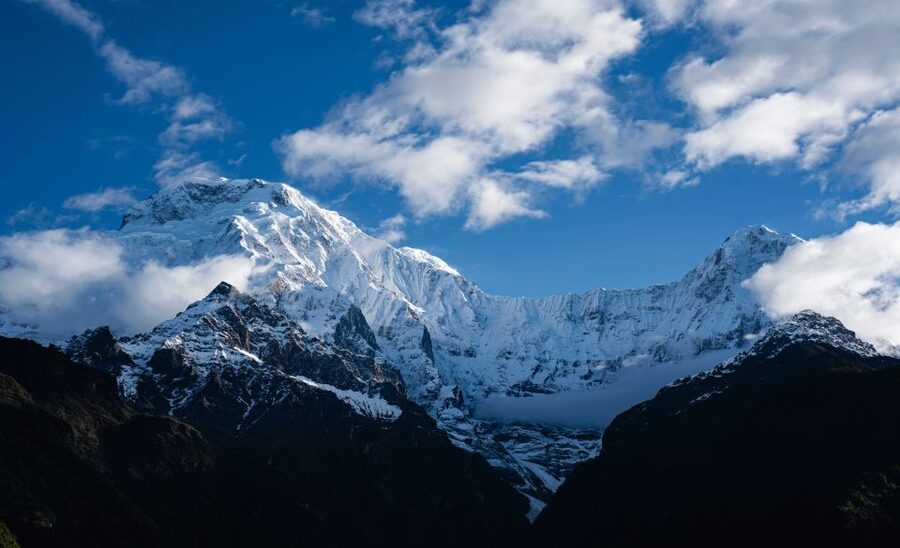
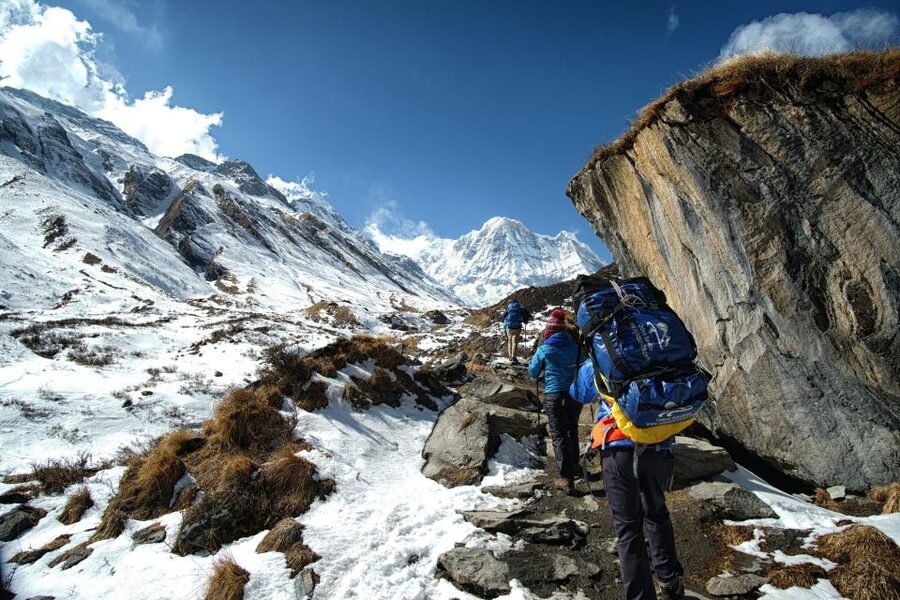
From Dovan, you walk for about six hours to Deurali, at 3,200 meters. The trail moves through bamboo and rhododendron forest, with waterfalls and mountain scenery appearing as you gain height.
This is where the trip begins to feel properly high-country. The trees still offer shelter, but the air becomes thinner and the route asks more from your legs. A steady pace is more useful than a fast one. Your guide should help you keep the day comfortable rather than treating the schedule like a race.
Deurali’s setting is a major part of the appeal. You sleep in a quieter mountain environment surrounded by high peaks, with the next day leading directly toward the base camp. Accommodation is described as adequate for the location, but you should not expect city-style comfort. Conditions vary along the route, and personal extras such as showers, battery charging, and laundry cost more.
Bring a sleeping bag, even though accommodation is provided. It is listed among the recommended items and is sensible for a high-altitude trek. A warm jacket, long pants, sunglasses, and a good pair of hiking shoes are not optional luxuries here. They help you cope with cold, sun, and rough trail surfaces.
More Spa Experiences:
- Pkr/Kathmandu: 5-Day Annapurna Base Camp & Hot spring Trek
★ 5.0 · 6 reviews - Pokhara: 7-Day Annapurna Base Camp Via PoonHill & Hot Spring
★ 5.0 · 6 reviews - Pokhara: 5-Day Annapurna Base Camp Trek with Hot Spring
★ 5.0 · 3 reviews - Whole Day Massage & Spa With Lunch
★ 5.0 · 54 reviews
Day 4: Deurali to Annapurna Base Camp at 4,130 meters
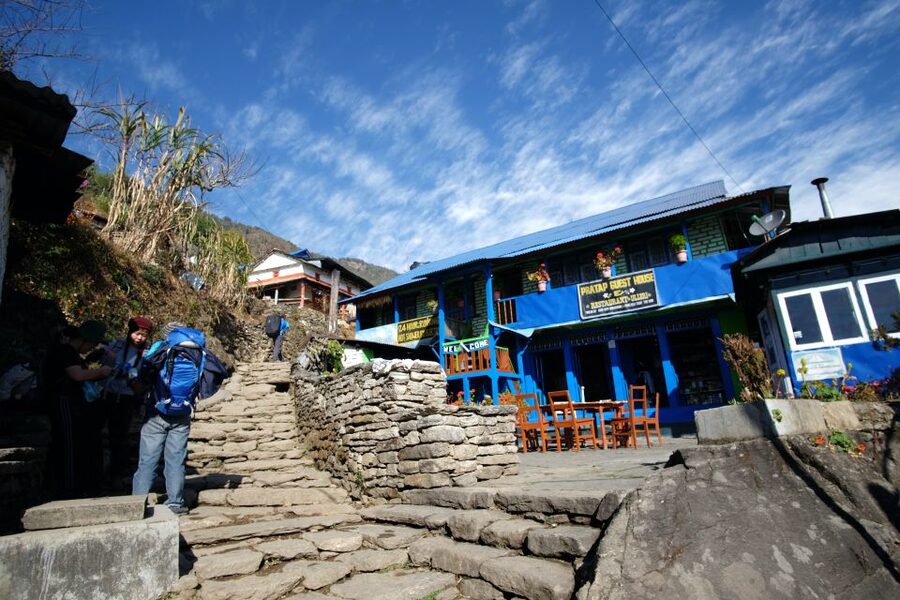
This is the key day. The walk from Deurali to Annapurna Base Camp takes about six hours and brings you into the great mountain amphitheater formed by the Annapurna range, Machhapuchhre, glaciers, and snow-covered peaks.
The route’s power comes from the gradual change in scale. Forest gives way to open mountain country, and the surrounding peaks become the main event. At 4,130 meters, Annapurna Base Camp is high enough to feel like a real achievement, yet this itinerary gives you a full day to reach it instead of rushing in from a lower village.
You should expect the altitude to matter. The schedule is demanding because the trek reaches its high point on the fourth day, and the following day requires a long descent. Tell your guide early if you feel unwell. Prakash was praised for combining patience with strong safety awareness, and that is exactly the kind of support you want on this portion of the route.
The base camp itself is not a resort or a polished attraction. Its value lies in the setting: enormous peaks around you, glaciers and steep mountain walls, and the feeling of arriving somewhere that required genuine effort. Take time for photographs, but protect your hands and camera from the cold, and keep your schedule in mind.
Day 5: Annapurna Base Camp to Sinuwa
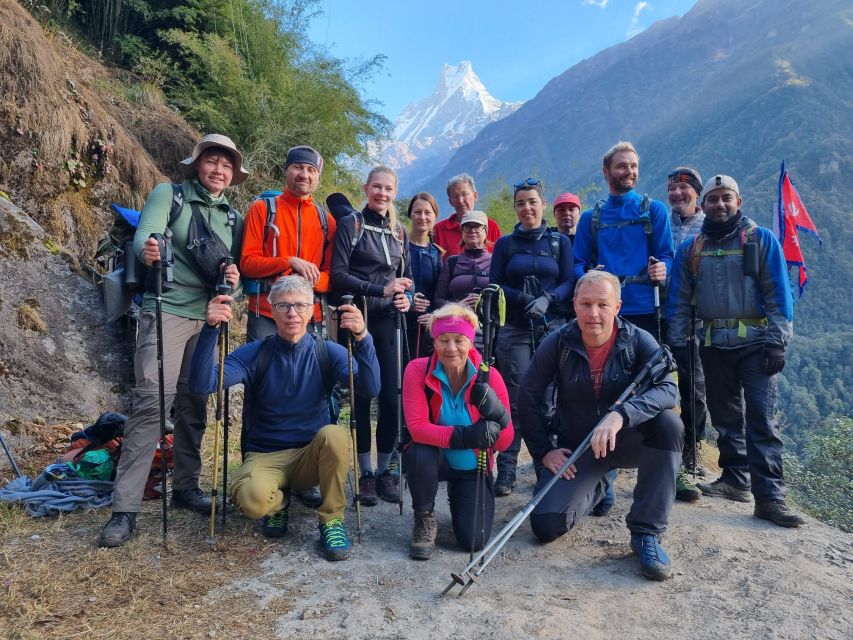
After your time at base camp, you retrace the route to Sinuwa, at 2,200 meters. The walk takes about seven hours, making it one of the longest days on the schedule.
The good news is that you are descending, and the lower altitude should feel easier for many people. The less pleasant news is that downhill walking can be hard on knees and feet, especially after the push to base camp. Trekking poles would be useful, although they are not specifically listed among the included items, so bring your own gear or ask the operator what can be arranged.
This is also a reflective day. You see familiar sections from a different direction, with more time to notice the river, forest, and village details you may have passed quickly on the way up. Your guide’s role remains important because fatigue often creates as many problems as steep ground.
Sinuwa gives you a calmer overnight stop before the route turns toward Jhinu Dada. Accommodation and meals are included with the Full Package, while personal drinks and extra services are not.
Day 6: Sinuwa to Jhinu Dada’s natural hot spring
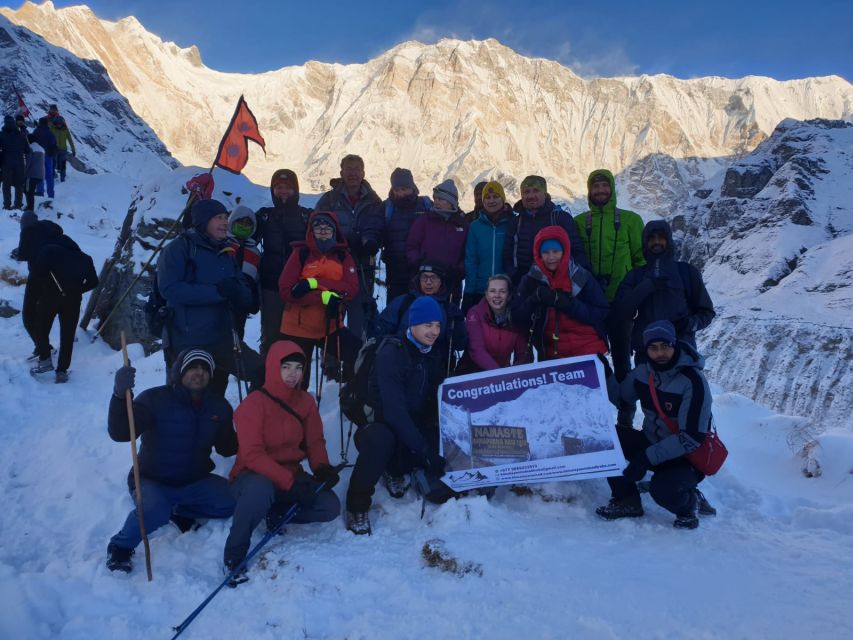
The five-hour descent from Sinuwa to Jhinu Dada, at 1,600 meters, is the trip’s clever finishing touch. After several days of uphill and downhill walking, you reach the village area known for its natural hot springs.
The hot spring is more than a pleasant extra. It gives your body a chance to rest before the final return to Pokhara, and it breaks up the descent with a memorable local experience. The water is natural and soothing, offering a simple way to loosen tired muscles in a mountain setting.
Bring a towel and cash. A towel is included on the recommended packing list, and personal costs such as drinks or other extras are not covered. You should also pack swimwear or practical clothing that you are comfortable using in a public hot spring, although the supplied information does not specify changing facilities or swimming rules.
The day is still a trek, not a spa transfer. You walk for five hours before the soak, and the route can remain tiring after the longer descent from base camp. Plan to enjoy the hot spring without assuming it will erase every sore muscle.
Day 7: Jhinu Dada back to Lakeside Pokhara
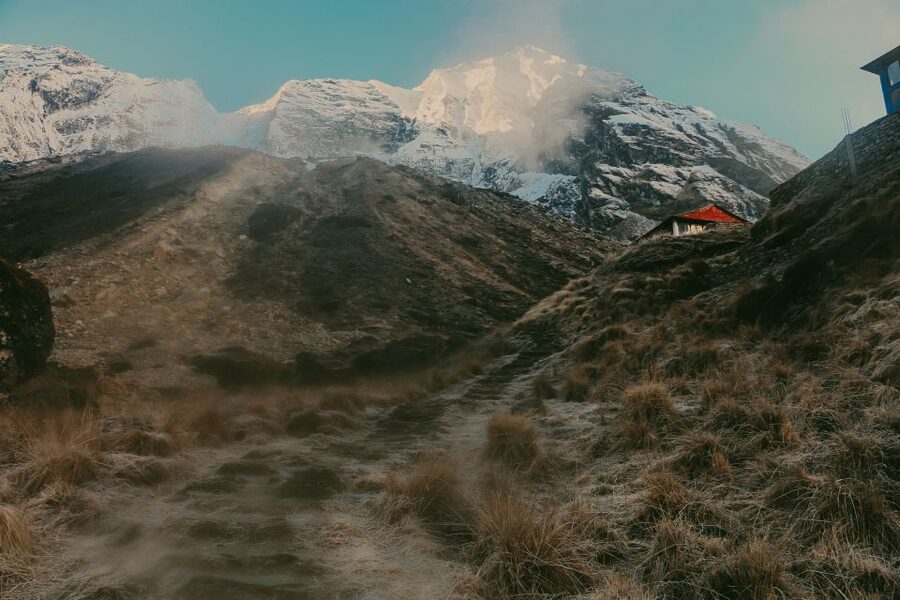
On the final morning, you walk for about two hours after breakfast before taking a jeep back to Lakeside Pokhara. The return drive gives you time to think about the shift from high peaks and footpaths to roads, shops, and lakefront hotels.
Pickup and drop-off in Lakeside are included, with airport and wider Pokhara Valley pickup also available. Kathmandu pickup can be arranged for an extra charge, so that option is useful only if your wider Nepal plans require it.
The last day is straightforward, but keep your departure plans flexible. Extra nights in Pokhara are not included if you arrive early, leave late, or return ahead of schedule for reasons outside the planned itinerary. That is a normal point to clarify when booking a mountain trip, since road travel and weather can affect timing.
Guides, safety, and the human side of the trek
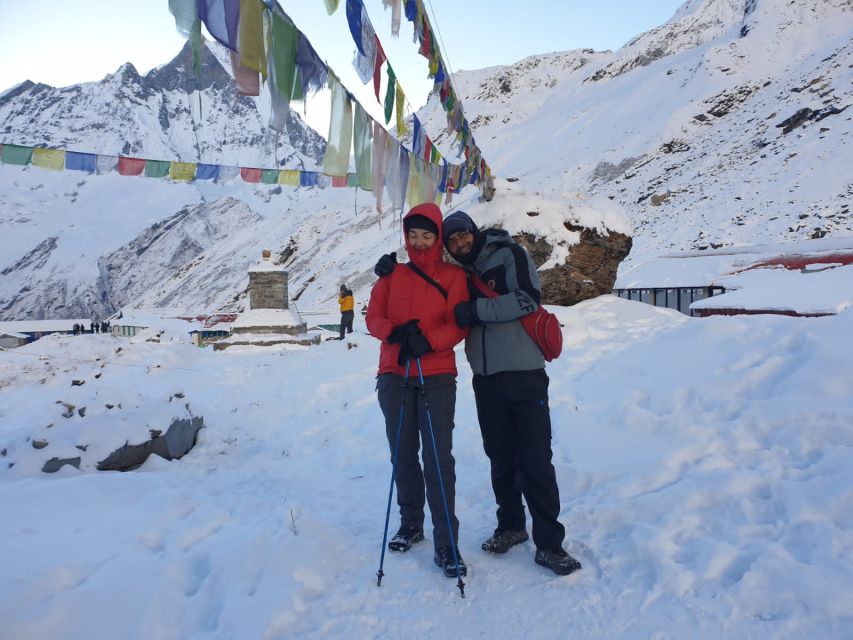
The strongest part of this package is the guide support. The company provides an authorized English-speaking guide, with English, Hindi, and Nepali listed as available languages. Guide insurance, meals, accommodation, salary, equipment, and transport are covered for the guide.
Specific guide feedback is unusually useful here. Jeet was praised for knowing the area well and keeping the trek running smoothly. Prakash was credited with explaining Annapurna’s geography, history, and Nepalese context while keeping the group safe. Ghanshyam Silwal was noted for adjusting the pace and finding help when a trekker became ill. Niraj was described as friendly and excellent company on the trail.
That does not guarantee which guide you will receive, so ask when confirming your booking. A good guide can turn a hard day into a manageable one, especially when the schedule, altitude, and weather do not cooperate.
A medical kit is included, but travel and rescue insurance are not. You need your own insurance that covers trekking and possible rescue. This is one of the most important practical gaps in the price.
Food, rooms, packing, and extra costs
With the Full Package, breakfast, lunch, and dinner are included during the trek. Accommodation is included as available, and the food choices were described as adequate for the route. In Pokhara, lunch and evening meals are your responsibility.
The biggest optional expense is a porter. Porter service is not included, but it is available for purchase. I would strongly consider it if you are carrying more than a light personal bag, since a lighter load makes the long days and descent much more pleasant.
Plan for cash along the route. Phone calls, laundry, bar bills, battery charging, showers, bottled or boiled water, extra porters, and other personal expenses are excluded. You should also bring sunscreen, sunglasses, a camera, passport or ID, trekking gear, a jacket, long pants, a T-shirt, shorts, hiking shoes, a sleeping bag, and a towel.
The mix of shorts and long pants is practical because temperatures change sharply between Pokhara, the forests, and base camp. Do not pack only for sunny photographs. The higher sections can be cold even when the lower valleys feel warm.
Is $200 good value for seven days?
At $200 per person, this is an appealing price for a guided Annapurna Base Camp trek, especially if you choose the Full Package. Permits, paperwork, the Trekkers Information Management System fee, accommodation, guide costs, a medical kit, and government taxes are included. Meals and deluxe transportation also add real value under that package.
The price is less simple if you are comparing it with a non-full package. Shared bus transport applies in that version, while meals and deluxe transport are not included. Ask these questions before booking:
- Is the quoted $200 for the Full Package?
- Are all breakfasts, lunches, and dinners included?
- Is transport private or shared?
- Is the hot spring entry included, or should you carry cash?
- What is the current porter price?
The company’s preparation support also has value. Ramesh from Himalayan Nomad Treks was praised for answering questions before departure, offering clothing advice, and meeting trekkers before and after the walk. That kind of contact is reassuring when you are organizing an international mountain trip.
Free cancellation is available up to 24 hours before departure, and you can reserve now and pay later. These terms make the booking less rigid, though they do not replace travel insurance.
Who should choose this ABC trek?
I would recommend it to you if you want a guided private trek with a clear seven-day structure, organized transport, and a high point that feels genuinely earned. It suits people who enjoy walking, changing scenery, simple mountain accommodation, and a little physical challenge.
You should think twice if you dislike long walking days, shared mountain facilities, basic accommodation, or uncertainty around road transport. The itinerary includes days of five to seven hours, and the climb to 4,130 meters is not a casual walk in the park.
It is also a good choice for first-time Himalayan trekkers who want permits, paperwork, food, and guide costs handled together. A porter can make it more comfortable, especially if you are not used to carrying a pack for a full week.
Should you book it?
Book this trek if you want strong value, private guiding, varied scenery, and a hot spring finish in one compact route. The most convincing strengths are the attentive guide service, the carefully chosen combination of jeep transfers and walking, and the chance to reach Annapurna Base Camp without arranging every detail yourself.
Before you commit, confirm the package level, meal coverage, transport type, porter cost, and insurance requirements. If those details match your expectations, this seven-day journey offers a practical and memorable way to experience the Annapurna region from Pokhara.
FAQ
Where does the Annapurna Base Camp trek begin and end?
The trek begins in Lakeside Pokhara and returns to Lakeside Pokhara on Day 7. Pickup is also available from Pokhara Airport and across the Pokhara Valley.
How high is Annapurna Base Camp?
Annapurna Base Camp is at 4,130 meters. The itinerary reaches it on Day 4 after walking from Deurali.
Are meals included during the trek?
Breakfast, lunch, and dinner are included with the Full Package. Lunch and evening meals in Pokhara are not included.
Is a porter included?
No. Porter service is available for an additional purchase, but it is not part of the listed inclusions.
What languages can the guide speak?
Guides are available in English, Hindi, and Nepali. An authorized English-speaking guide is included for the trek.
Can I cancel the booking?
You can cancel up to 24 hours in advance for a full refund. The activity also allows you to reserve now and pay later.
More 7-Day Experiences
- Annapurna Base Camp Trek from Pokhara 7 Days
★ 5.0 · 19 reviews - 7 days Nepal Motorcycle tour
★ 5.0 · 12 reviews - 7-Day Trek to Annapurna Base Camp from Pokhara
★ 5.0 · 12 reviews - Kathmandu to Langtang Valley 7-Day Trek
★ 5.0 · 11 reviews
More Treks and Hikes
- Pokhara: 2 & 3 Days Ghorepani Poon Hill Private Guided Trek
★ 4.9 · 27 reviews - Pokhara: 1-Day Scenic Australian Camp & Dhampus Guided Hike
★ 4.9 · 24 reviews - From Pokhara: Day Hiking Australian Camp & Dhampus
★ 5.0 · 17 reviews - Pokhara: 4-Day Mesmerizing Mardi Himal Guided Trek
★ 4.8 · 9 reviews
Just added around Annapurna Region
- Pokhara: Annapurna Foothills Private Day Hike with Transfers★ 5.0 · 3 reviews
- Pokhara: Poon Hill Trek★ 5.0 · 3 reviews
- From Pokhara: Annapurna View Day Hike★ 5.0 · 3 reviews
- Pokhara: 5-Day Annapurna Base Camp Trek with Hot Spring★ 5.0 · 3 reviews
- Annapurna Circuit Trekking 13 Days★ 4.5 · 3 reviews
- Pokhara: 3 days Trek to Poon hill★ 5.0 · 3 reviews
- Pokhara: 3- days Poon Hill Trek★ 5.0 · 3 reviews
- Pokhara: 3-Day Ghorepani, Poon Hill and Ghandruk Guided Trek★ 4.4 · 4 reviews
Annapurna Base Camp Treks, compared.



Kathmandu to Annapurna Base Camp (ABC) 5-Day Trek
Read our review →

Browse the lists this tour appears in