
Reviewed · MOMO MAKING CLASSES
Traditional Momo Making Class
Fold a dumpling, taste Kathmandu. This hands-on class at the Women Led Namaste Cooking School in Thamel gives you a friendly way to learn Nepal’s favorite comfort food, from kneading dough to shaping the finished momos. I like the local women chefs, who bring warmth and personality to the lesson, and I like that you make the food yourself instead of simply watching a demonstration.
The $15 price is a strong value because it covers the class, ingredients, expert help, masala chai, and a tasting of your own momos. My one caution is timing: the class is listed as 1.5 hours, yet the detailed description calls it three hours and one participant found it ran longer than expected. Plan some extra time, especially if you enjoy chatting, cooking slowly, or exploring Thamel afterward.
In This Review
- Key points at a glance
- Why momos are such a good introduction to Nepal
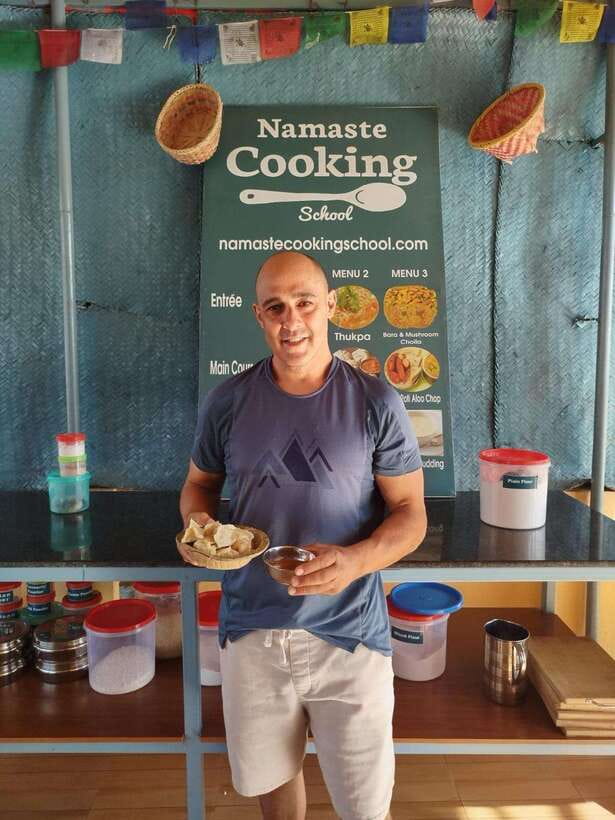
- Arriving at the Women Led Namaste Cooking School in Thamel
- The welcome begins with masala chai
- Kneading dough is the first real lesson
- Preparing fillings with fresh ingredients
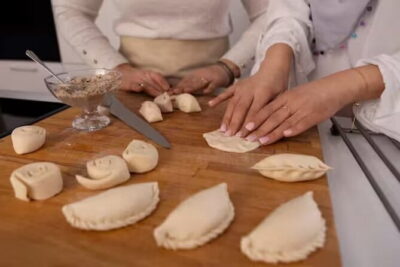
- Folding momos takes practice
- Eating your own handmade momos
- The setting and the social mood
- How much time should you allow?
- Is $15 good value?
- Who should book this class?
- Booking and cancellation details
- Final call: book it for the hands-on experience
- FAQ
- Where does the momo making class take place?
- How much does the class cost?
- How long does the class last?
- What does the class include?
- Is hotel transportation included?
- Is the class taught in English?
- Do I need cooking experience?
- Can I cancel for a full refund?
Key points at a glance
- Hands-on from the first step: You knead dough, prepare fillings, and fold the momos yourself.
- Women-led local instruction: The class is run by local women chefs, with English guidance throughout.
- Clean, bright cooking space: The kitchen receives strong praise for being clean, light, and calm, with a rooftop setting noted by one participant.
- A good family activity: An 11-year-old took part in chopping and folding, making this suitable for children who enjoy practical activities.
- More than a recipe: You learn why momos matter in Nepali celebrations and everyday meals.
- Budget-friendly food experience: At $15, you get ingredients, instruction, chai, and a meal-sized tasting without paying for transport.
Why momos are such a good introduction to Nepal
Momos are one of the easiest ways to connect with Nepali food. They are familiar enough to appeal to almost anyone, yet the details reveal local habits: the dough, the filling, the spices, the folding patterns, and the way the finished dumplings are shared.
This class does not treat momos as a quick snack you grab between sightseeing stops. It shows you the work behind them. You handle the dough, learn how the filling comes together, and practice turning a small piece of pastry into a sealed dumpling.
That hands-on approach matters. You leave with a better sense of how Nepali cooking is built around simple ingredients, careful preparation, and food made for sharing. You also get a recipe to try at home, which adds value after your Kathmandu stay ends.
The class also explains the place of momos in Nepali celebrations and daily life. That cultural background helps you understand why the dish is so common across Nepal and why learning to make it can feel more personal than ordering a plate in a restaurant.
More Momo and Nepali Cooking Classes:
- Kathmandu: Local Women-Led Nepali Cooking & Momo Class
★ 4.9 · 360 reviews - Kathmandu: Local Lead Nepali Cooking & Momo-Making Class
★ 5.0 · 212 reviews - Local Women Lead Nepali Cooking Class
★ 5.0 · 125 reviews
Arriving at the Women Led Namaste Cooking School in Thamel
The school is in Thamel, Kathmandu’s well-known visitor district. Hotel pickup and drop-off are not included, so you need to make your own way there. The practical tip is simple: arrive 10 minutes before the start time, giving yourself a little breathing room in a busy part of the city.
Thamel is useful for this kind of class because you can pair it with a walk through the area before or afterward. One parent specifically found the neighborhood worth exploring around the cooking session, and that makes sense. A food class here can fit neatly into a half-day plan without sending you far across Kathmandu.
The cooking school itself is one of the more appealing parts of the experience. Feedback describes the kitchen as clean, bright, and quiet, while another participant enjoyed a rooftop setting. The exact room may depend on the day, but you can reasonably expect a pleasant place to work rather than a cramped, purely functional kitchen.
You should wear comfortable clothing and shoes suitable for cooking. That means something easy to move in and nothing you would worry about around flour, filling, or cooking surfaces.
The welcome begins with masala chai
The class includes welcome masala chai, a small detail that helps set the tone. It gives you a warm drink at the start and creates a relaxed opening before the practical work begins.
The social side is important here. The instructors are praised for being cheerful, kind, and fun to spend time with. Sushi, the lead trainer, receives particular praise for making the class enjoyable and keeping the mood easygoing.
English is the teaching language, so you can follow the explanations without needing to guess what happens next. The local chefs explain each stage and let you do the work yourself. That balance is better than a class where the instructor prepares everything while you watch from the side.
The atmosphere can also be playful. One class included dancing to traditional Nepali music, which gives you an idea of the tone. This is not a stiff professional kitchen lesson. It is a social food activity with room for conversation and laughter.
Kneading dough is the first real lesson
The class starts with momo dough. You learn how to combine and knead it until it reaches the right texture for rolling and folding.
This step may look basic, but it is where the class begins to earn its price. Dough that is too dry can crack, while dough that is too soft may be difficult to shape. By working with it directly, you get a feel for the process that a written recipe cannot fully explain.
The instructors guide you through the technique rather than assuming you already know it. That makes the session approachable for beginners. You do not need prior cooking experience to take part.
For children, kneading is also a practical first task. It is physical, simple to understand, and gives younger participants an immediate role. An 11-year-old joined the class with a parent and took an active part in chopping and folding, which suggests the lesson can work well for families who want more than a passive sightseeing activity.
More Workshops:
- Half day cooking class in Thamel kathmandu
★ 5.0 · 607 reviews - Knife (Khukuri) Making Workshop- Forge of the Gurkhas
★ 5.0 · 143 reviews - The best Private Nepali Cooking Class in Kathmandu
★ 5.0 · 83 reviews - Kathmandu: Traditional Momo Making Class & Pickup
★ 4.8 · 60 reviews
Preparing fillings with fresh ingredients
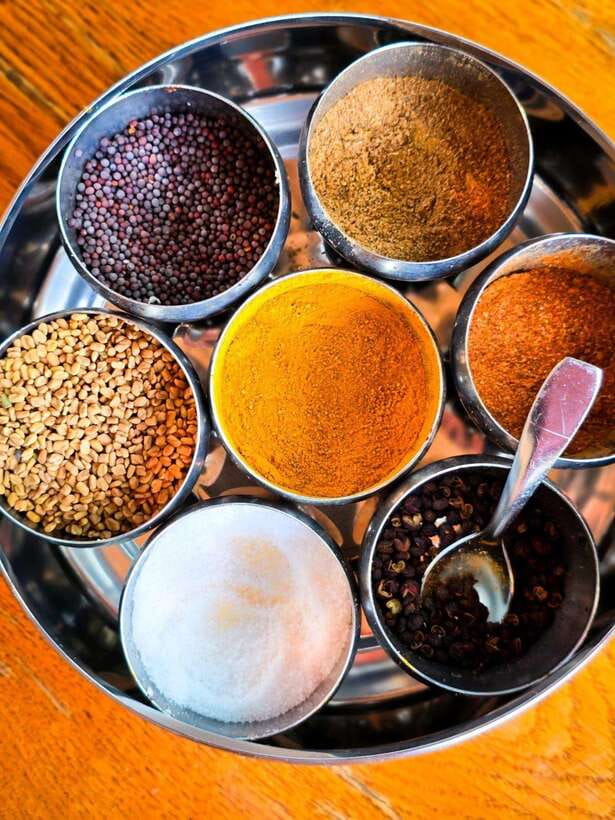
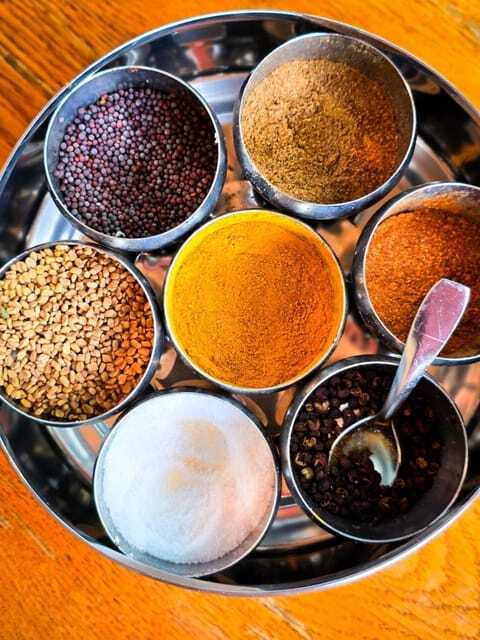
Once the dough is ready, you prepare the momo filling. The class uses fresh, locally sourced ingredients and authentic Nepali spices.
The information provided does not specify one fixed filling, so you should not book this expecting a particular meat or vegetable recipe. The useful point is that the focus stays on fresh preparation and Nepali flavor rather than on prepackaged ingredients.
You get to see how seasoning affects the filling and how the mixture needs to hold together inside the dough. That is the kind of small cooking judgment that helps when you try momos at home.
This stage can also be one of the more social parts of the class. Chopping, mixing, and seasoning naturally create opportunities to talk with the instructors and other participants. If you enjoy food classes mainly for the company, this format seems especially well suited to you.
The local chefs also provide cultural context as they teach. You are not just copying a recipe. You are learning how a familiar Nepali dish fits into celebrations, family meals, and everyday life.
Folding momos takes practice
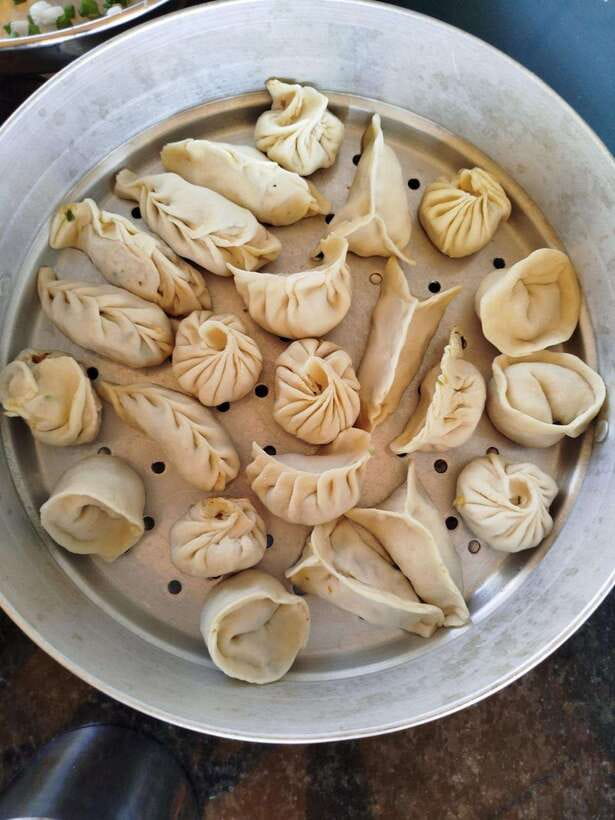
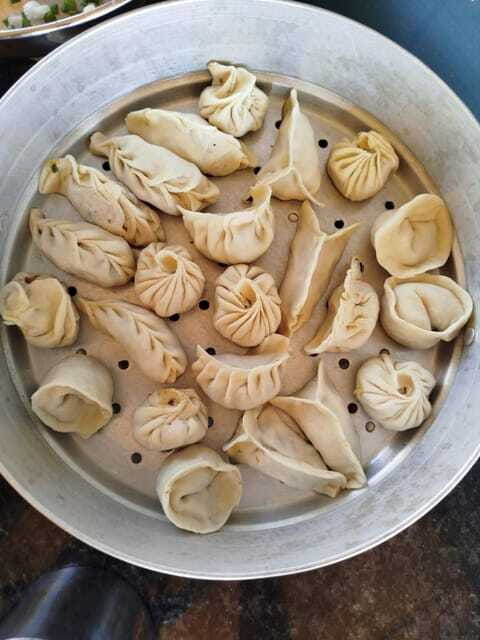
The folding lesson is likely to be the most memorable part. The instructors show you how to turn the dough and filling into traditional momo shapes, then give you time to practice.
At first, your dumplings may look less tidy than the chef’s. That is normal. The useful part is getting enough hands-on practice to understand how much filling to use, how to seal the edge, and how to create a shape that holds together.
The class is described as suitable for beginners, and the teaching style is practical. The chefs demonstrate, explain, and let you repeat the movement. You are not expected to produce perfect restaurant-style pleats immediately.
The activity also works well for children and mixed-age groups. A young participant was surprisingly good at folding, showing that this is not an adult-only cooking task. Families can divide up the work, with one person chopping, another filling, and another folding.
The shapes themselves add a small cultural touch. Momo folding is not only about getting food into a wrapper. Different folds make the process feel like a craft, and the final plate reflects the effort you put in.
Eating your own handmade momos
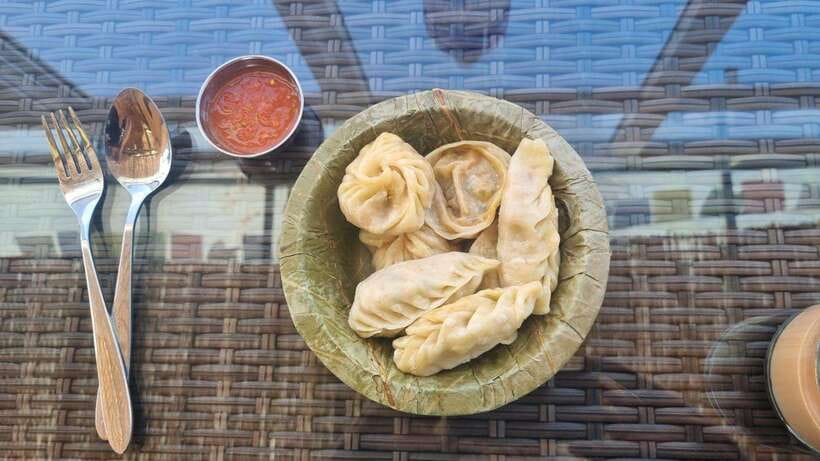
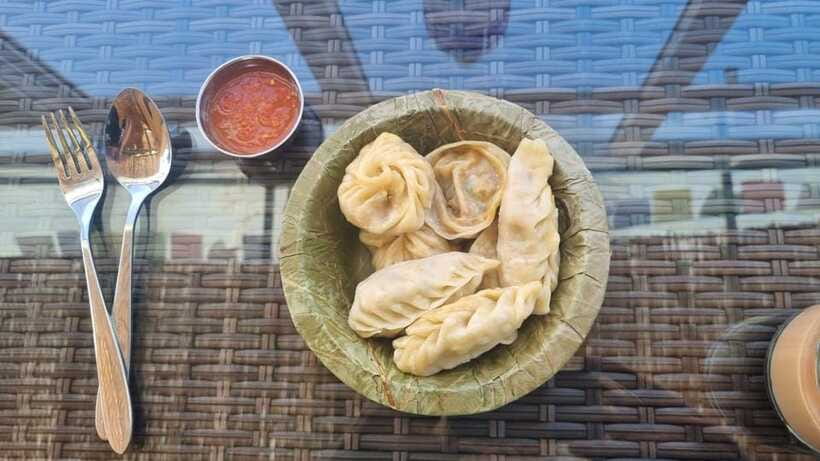
At the end, you taste the momos you made. This is the reward for the flour on your hands and the imperfect first folds.
The finished food receives strong praise for flavor, but the bigger value is personal. Your plate carries the steps you just learned, so the tasting becomes part lesson and part meal. You can compare your shapes, see how well they held together, and notice how the spices work once everything is cooked.
The class includes the ingredients and the tasting, so you do not need to budget separately for the food prepared during the session. At $15 per person, that makes the experience quite affordable for a guided cultural activity in Kathmandu.
You also receive a recipe to try at home. That is a real advantage over a one-time food tasting. If you enjoyed the class, you can attempt momos again in Singapore, Germany, the United States, or wherever you live, using the technique you picked up in Thamel.
The setting and the social mood
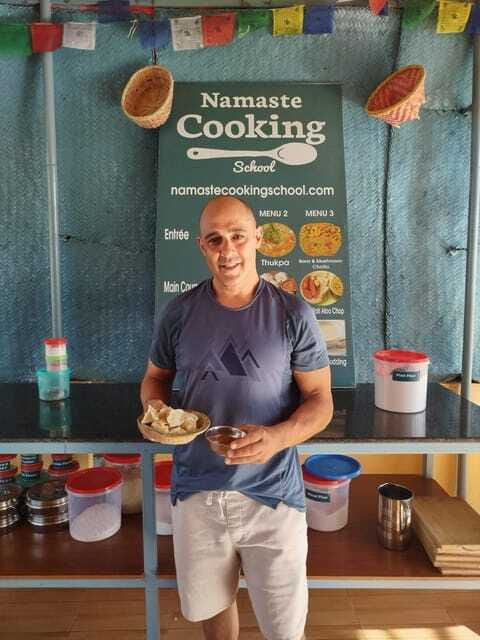
A cooking class succeeds or fails partly on its atmosphere. Here, the strongest qualities are the friendly instructors, the clean kitchen, and the relaxed mood.
Sushi, the lead trainer, is singled out for being a joy to spend time with. The other local chefs are also described as kind, cheerful, and helpful. They speak English well and give participants room to take part instead of doing every task themselves.
The kitchen is described as bright and clean, and one participant enjoyed working on a quiet rooftop terrace. Those details matter because cooking is more pleasant when you have enough light, a tidy work area, and a calm place to focus.
The social mood may not suit everyone equally. If you prefer a fast, tightly timed lesson with little conversation, the friendly pace could feel slow. One participant noted that the session lasted longer than advertised, possibly because the group was enjoying itself. I would treat that as a useful warning rather than a serious fault: leave room in your schedule.
How much time should you allow?
The stated duration is 1.5 hours. That is the figure to use when checking availability and planning your booking.
At the same time, the detailed description calls the workshop three hours, and one participant said it ran longer than expected. The difference is large enough to matter. It may reflect a fuller version of the activity, a relaxed group, or a simple timing error in the published details.
My advice is to avoid scheduling a tight airport transfer, timed museum entry, or important meeting immediately afterward. If the class finishes in 1.5 hours, you can use the extra time to walk around Thamel. If it runs longer, you will not feel rushed.
The experience is best approached as a flexible food activity rather than a precise appointment that ends to the minute.
Is $15 good value?
Yes, provided you want participation rather than a formal meal alone.
The price includes:
- The 1.5-hour momo making class
- All ingredients for preparing the momos
- Guidance from experienced local chefs
- Tasting of your handmade momos
- Welcome masala chai
It does not include hotel pickup or drop-off. Since the class is in Thamel, you need to arrange your own transport or walk from your accommodation.
At $15, the package compares well with many short cultural activities because you receive food, instruction, and a skill you can use later. The women-led format adds another layer of value, giving your spending a direct connection to a local cooking school rather than only paying for a restaurant meal.
The value is strongest for families, solo visitors who enjoy meeting people, and food fans who want something active. It is less compelling if you only want to sample momos quickly, since a restaurant plate will take less time and require less effort.
Who should book this class?
I would recommend it to first-time visitors who want an easy entry into Nepali food. You do not need advanced cooking skills, and the English instruction makes the lesson accessible.
Families should also consider it. The chopping and folding tasks give children something real to do, while the tasting at the end provides a clear payoff. It is a better fit for children who enjoy making things than for those who need a fast-moving activity.
Couples and friends can expect a social experience. The cheerful instructors and relaxed kitchen create plenty of room for conversation, and the class can become a fun shared memory rather than just another stop on a sightseeing list.
Solo visitors may find the friendly setting useful, especially if they want a low-pressure way to meet others. The class is not described as a large group activity, so you should check availability for the exact date if the size of the session matters to you.
You might skip it if your schedule is packed or if you are uncomfortable with hands-on food preparation. Also keep the timing discrepancy in mind. This is a class to enjoy at an unhurried pace, not one to squeeze between two fixed appointments.
Booking and cancellation details
You can reserve the class and pay later, which helps if your Kathmandu plans are still changing. Free cancellation is available up to 24 hours before the start time for a full refund.
Check the available starting times before booking, since the class runs at set times. Arrive 10 minutes early, wear suitable cooking clothes and shoes, and allow extra time after the official 1.5-hour duration in case the session continues.
Final call: book it for the hands-on experience
I would book the Traditional Momo Making Class if you want to do something practical, local, and affordable in Kathmandu. The best parts are the women-led instruction, the clean and welcoming kitchen, the English guidance, and the chance to eat food you shaped yourself.
The class is not about technical perfection. It is about learning a Nepali staple in a friendly setting, understanding its place in local life, and leaving with a recipe you can repeat at home.
Book it when you have a flexible half-day around Thamel. Skip it only if you need a strictly timed activity or would rather spend your food budget on a restaurant meal. For $15, this is a warm, useful introduction to Nepali cooking with enough personality to make it memorable.
FAQ
Where does the momo making class take place?
The class takes place at the Women Led Namaste Cooking School in Thamel, Kathmandu, Nepal.
How much does the class cost?
The price is $15 per person.
How long does the class last?
The listed duration is 1.5 hours. The detailed description gives a longer three-hour estimate, and the session may run beyond the stated time, so allow extra time when planning your day.
What does the class include?
It includes the momo making class, ingredients, guidance from local chefs, tasting of your handmade momos, and welcome masala chai.
Is hotel transportation included?
No. Hotel pickup and drop-off are not included.
Is the class taught in English?
Yes. English is the listed teaching language.
Do I need cooking experience?
No prior cooking experience is stated as a requirement. The class teaches you how to knead dough, prepare fillings, and fold momos from scratch under chef guidance.
Can I cancel for a full refund?
Yes. You can cancel up to 24 hours before the start time for a full refund.
Just added around Kathmandu
- Private Shopping Tour in Kathmandu★ 5.0 · 3 reviews
- Nagarkot Sunrise With 7 UNESCO World Heritage Private Tour★ 5.0 · 3 reviews
- Kathmandu: Nightlife and Pub Crawl Tour★ 5.0 · 3 reviews
- Mount Everest Scenic Flight 50 Minutes★ 5.0 · 3 reviews
- Kathmandu: Nagarkot, Bhaktapur, Doleswor & Sanga Statue Tour★ 5.0 · 3 reviews
- Momo Cooking Class -The Art Of Making MoMo with Home Chef★ 5.0 · 3 reviews
- Makalu Base Camp Trek★ 5.0 · 3 reviews
- Kathmandu: Momo Making Class with a Local Chef★ 5.0 · 3 reviews
Momo Making Classes, compared.




Nepalese Momos or Dal Bhat Cooking Class (Cook with Delight)
Read our review →
The best Private Nepali Cooking Class in Kathmandu
Read our review →
Nepalese Kitchen in Pokhara: Momos or Dal Bhat Cooking Class
Read our review →
Browse the lists this tour appears in