
Reviewed · LANGTANG VALLEY TREKS
Kathmandu: 7 Day Langtang Valley Trek
The Himalayas begin long before the trailhead. This seven-day Langtang Valley trek combines a rough but scenic drive from Kathmandu, teahouse walking, and close views of snow-covered peaks. I like the private guide, which gives you a better chance to set a sensible pace, and I like the quiet contact with Tamang and Sherpa communities. The main caution is simple: this is a hard mountain trek, not a casual week in the hills.
The route climbs from Syabrubesi at 1,550 meters to Kyanjin Gompa at 3,870 meters. You should be ready for long walking days, steep steps, high altitude, basic lodging, and meal costs that are not part of the $450 price.
In This Review
- Key points at a glance
- Why the Langtang Valley feels different
- Day 1: Kathmandu to Syabrubesi at 1,550 meters
- Day 2: Syabrubesi to Lama Hotel at 2,380 meters
- Day 3: Lama Hotel to Langtang Village at 3,430 meters
- Day 4: Langtang Village to Kyanjin Gompa at 3,870 meters
- Day 5: Acclimatization around Kyanjin Gompa
- Day 6: Kyanjin Gompa to Lama Hotel
- Day 7: Lama Hotel to Syabrubesi and back to Kathmandu
- What the $450 price really covers
- Difficulty, fitness, and who should book
- Booking advice and final verdict
- FAQ
- How long is the Langtang Valley trek?
- What is the highest point reached on this route?
- Is transportation from Kathmandu included?
- Are meals included in the price?
- What type of accommodation is provided?
- Is a guide included?
- Is porter service included?
- What should I bring?
- Can I cancel the booking?
Key points at a glance
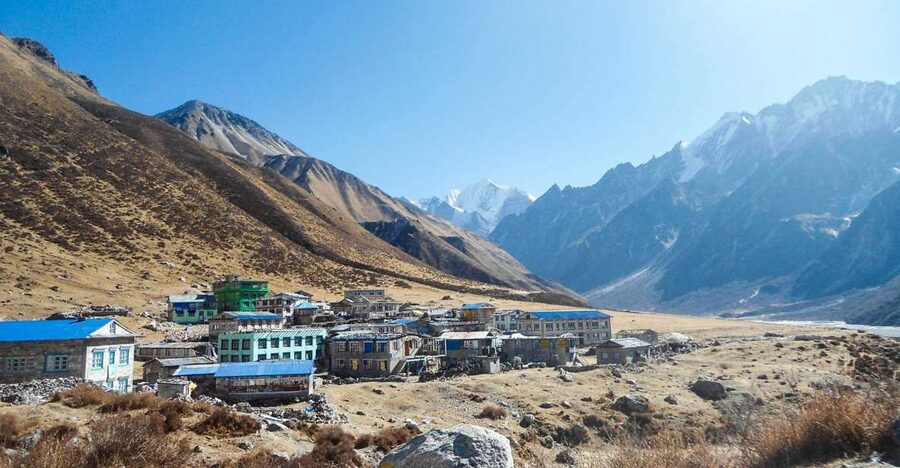
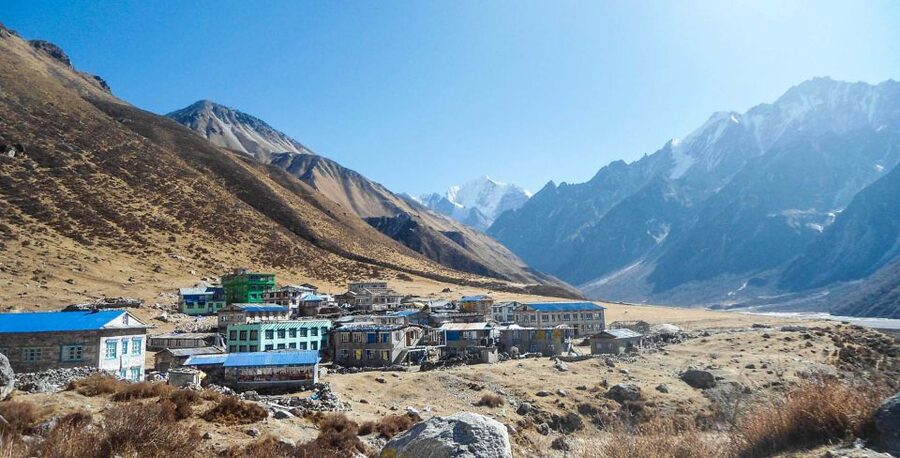
- Kyanjin Gompa at 3,870 meters: The high point of the route gives you a striking view toward Langtang Lirung and surrounding summits.
- A real acclimatization day: You have time for Kyanjin Ri, Tserko Ri, the local cheese factory, or a slower day around the village.
- Private trekking format: You travel with an English-speaking guide rather than joining a large fixed group.
- A demanding walking schedule: Expect several hours on foot each day, with hundreds of steps and substantial uphill sections.
- Teahouse accommodation: You sleep in simple mountain lodges, with comfort and cleanliness likely varying from stop to stop.
- $450 before meals: Permits, transport, guiding, and teahouse lodging are covered, but meals cost about NPR 2,500 per person per day.
Why the Langtang Valley feels different
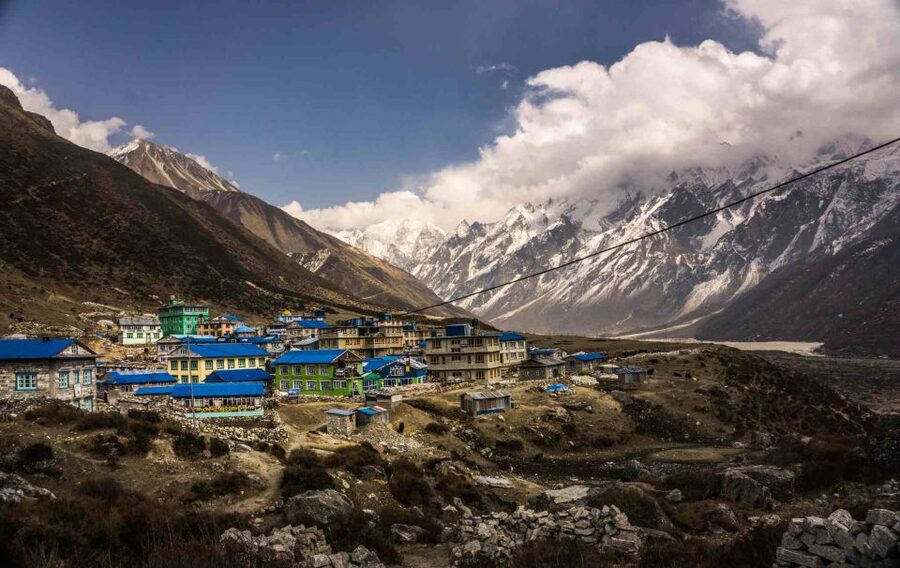
Langtang offers a strong Himalayan experience without requiring a long expedition. Your first day begins with a drive from Kathmandu to Syabrubesi, then the route follows the Langtang River through forest, villages, bridges, and high mountain settlements.
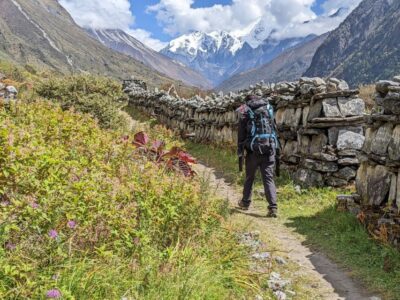
I like the way the valley changes as you walk. Lower sections feel green and wooded, with rhododendron and oak trees. Higher up, the forest gives way to open yak pastures, glacial streams, and wide views of white peaks. You are not simply ticking off viewpoints from a vehicle. You watch the valley change step by step.
The route also brings you into Tamang and Sherpa communities. That cultural element matters. Teahouse stops are not just places to sleep. They are part of how the trek works, giving you a closer look at daily life in a remote Himalayan region.
The tradeoff is comfort. This is not a luxury walking holiday. Lodges can be basic, and one poor experience involved lodging described as especially dirty and run-down. That does not prove every stay will be the same, but it is a good reason to ask the operator exactly which teahouses are planned.
More Langtang and Gosaikunda Treks:
- Trekking in Annapurna/Langtang/Everest/Upper Mustang regions
★ 5.0 · 161 reviews - Langtang Valley Trek
★ 5.0 · 140 reviews - Langtang Valley Trek
★ 5.0 · 50 reviews
Day 1: Kathmandu to Syabrubesi at 1,550 meters
Your first day is spent on the road. The drive from Kathmandu passes villages and changing mountain scenery before reaching Syabrubesi, the main starting point for this route.
This transfer is useful because it places you near the trail, but it is also a tiring way to begin. You should not expect a gentle sightseeing drive. Road conditions and timing can affect the day, so keep your schedule flexible and avoid arranging an important flight immediately after the trek.
Syabrubesi is a practical overnight stop rather than the dramatic high point of the trip. You can rest, organize your pack, and prepare for the first full walking day. Hotel pickup in Kathmandu and transport back after the trek are included, along with one or two nights of Kathmandu accommodation in the usual arrangement. Confirm the exact number of city hotel nights before paying.
Day 2: Syabrubesi to Lama Hotel at 2,380 meters
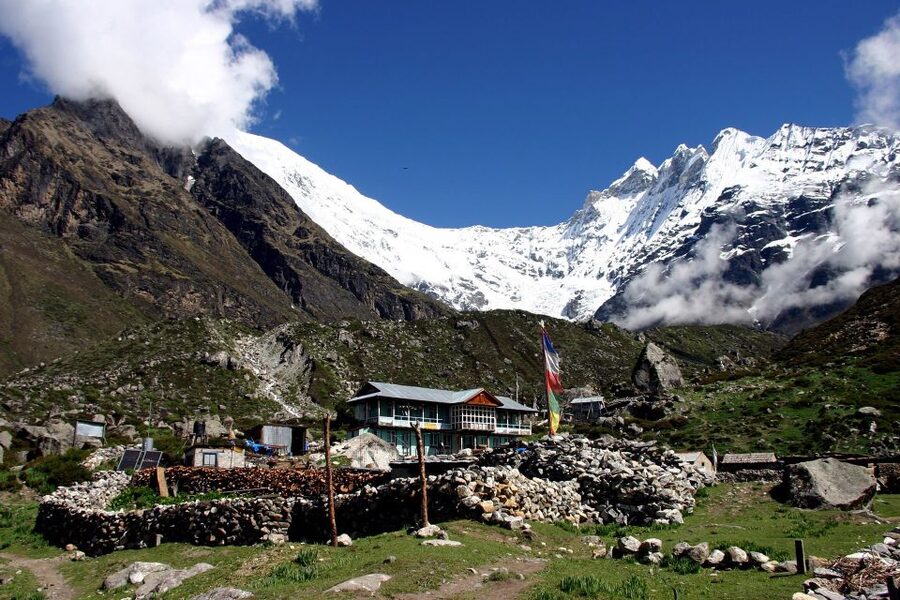
The walking begins through thick forest. You cross suspension bridges and follow the Langtang River, with the sound of water helping break up the effort of the climb.
This section is appealing because the surroundings feel calm and heavily wooded. The route is not a flat stroll, though. The elevation gain starts here, and the repeated steps can be harder than the distance suggests.
Lama Hotel is a forest stop surrounded by greenery. It is less about a big view and more about settling into the rhythm of mountain walking. You will likely appreciate a warm meal, a bed, and an early night.
The guide is especially useful on days like this. A licensed guide can help with route finding, timing, and the small decisions that become important when you are tired. Since this is a private group, your pace does not need to match a busload of strangers, although the day still has to fit the overall plan.
Day 3: Lama Hotel to Langtang Village at 3,430 meters
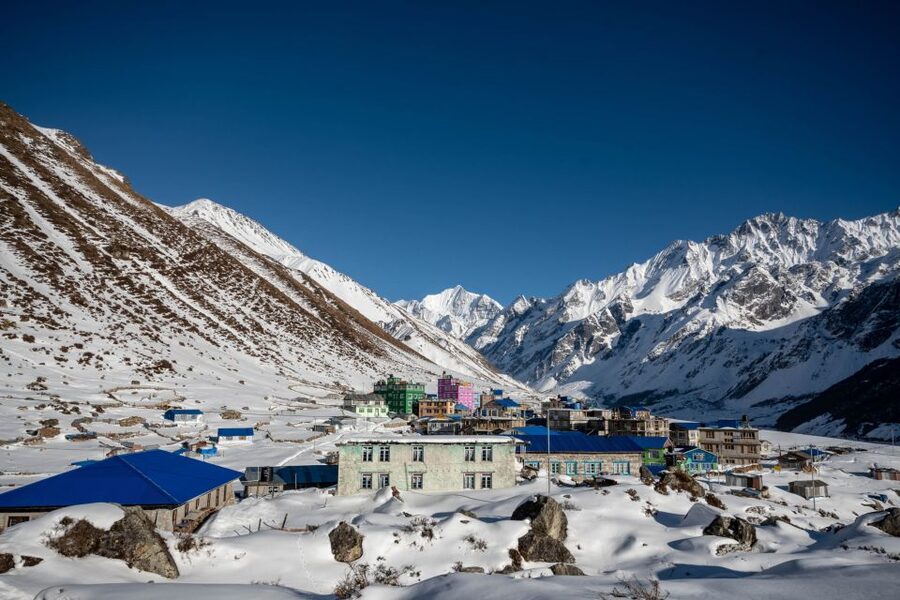
The trail continues through rhododendron and oak forest as you climb toward Langtang Village. The route gradually feels more open, and mountain views begin to carry more weight.
This is an important altitude day. You rise more than 1,000 meters from Lama Hotel to Langtang Village, so you should pay attention to headache, nausea, unusual fatigue, or other signs that your body is struggling. Tell your guide early if you feel unwell. Trying to hide symptoms to protect the schedule is a poor bargain in the mountains.
Langtang Village also gives you a stronger connection with local Tamang culture. The settlement is part of the living valley, not just a trail stop. Take time to notice the buildings, people, and small details around the lodge rather than treating the village as a place to eat and leave.
One account of this trek described days of roughly 15 kilometers, up to eight hours of walking, and as much as 1,200 meters of ascent. That may not describe every day on every departure, but it gives you a useful warning. Ask for the expected walking hours and elevation gain before booking.
More Treks and Hikes:
- Everest Base Camp Trek – 14 Days
★ 5.0 · 1,499 reviews - Everest Base Camp Trekking
★ 5.0 · 485 reviews - Nagarkot Sunrise View and Day Hiking from Kathmandu
★ 5.0 · 471 reviews - Annapurna Circuit Trek with Tilicho Lake
★ 5.0 · 368 reviews
Day 4: Langtang Village to Kyanjin Gompa at 3,870 meters
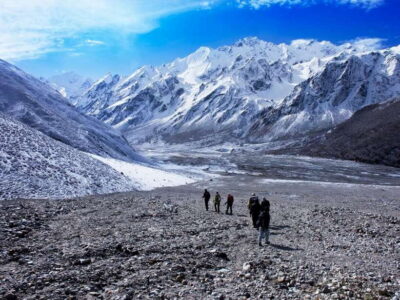
This is the day the route begins to feel unmistakably high Himalayan. You pass yak pastures and glacial streams while moving toward Kyanjin Gompa, the main destination of the trek.
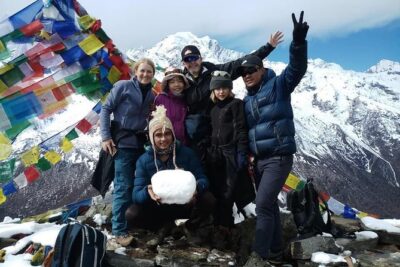
Kyanjin Gompa is known for its Buddhist monastery and its position beneath major peaks. The view toward Langtang Lirung is one of the strongest rewards on the route. Snow-covered summits feel close here, and the valley gives you the sense of walking toward the end of a great mountain corridor.
The climb is not long only in terms of distance. At this altitude, every uphill section demands more breath and patience. Take short pauses, drink regularly, and keep your pace steady. Your goal is not to win the trail. Your goal is to arrive in good shape for the next day.
Kyanjin Gompa is also where the trek becomes more exposed to cold and altitude. Pack warm layers even if Kathmandu feels hot when you leave. A passport-sized photo and a passport or copy of your ID are required, and you should carry these documents in a dry, secure place.
Day 5: Acclimatization around Kyanjin Gompa
The extra day at Kyanjin Gompa is one of the best parts of the schedule. It gives your body time to adjust to 3,870 meters instead of forcing you to climb high and immediately descend.
You can take a short walk, explore the monastery area, or visit the local cheese factory. If conditions and your fitness allow, you can aim for Kyanjin Ri or Tserko Ri for wider mountain views. The supplied plan presents these as options, not guaranteed inclusions, so ask your guide which climb is realistic on the day.
This is also the day when you should be honest about your condition. Acclimatization does not mean you must attempt the highest nearby viewpoint. A slower day around Kyanjin Gompa can be the wiser choice if you have altitude symptoms or poor sleep.
I particularly value this pause because it keeps the trek from becoming a rushed march. You get time to look around, take photographs, and appreciate the setting. Mountain trips often improve when you leave room for the place itself.
Day 6: Kyanjin Gompa to Lama Hotel
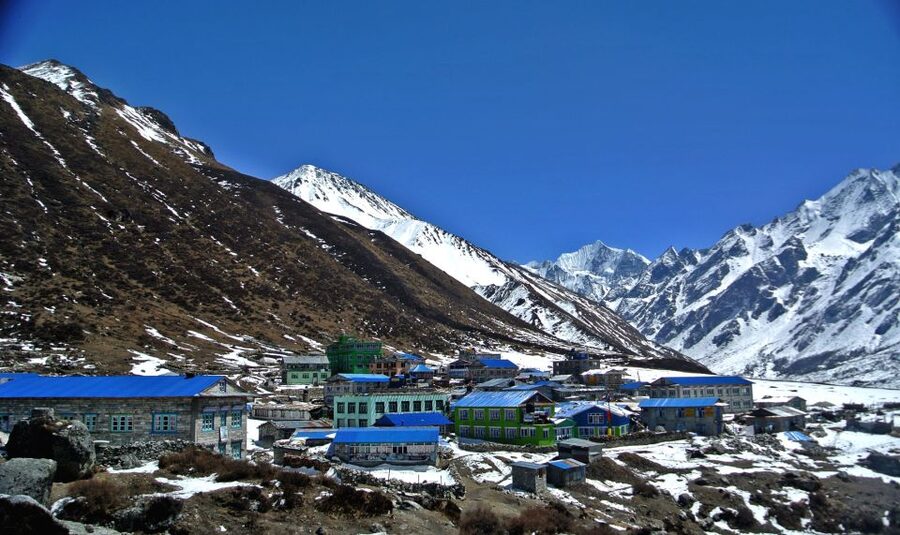
You retrace the trail downhill toward Lama Hotel. The return route is familiar, but descending does not mean effortless.
Steep steps can punish knees and ankles, especially after several hard days. Use trekking poles if you have them, and do not hurry simply because the trail points downward. The same forests and bridges feel different on the way back, and the descent gives you a chance to notice details missed during the climb.
Lama Hotel provides a welcome rest before the final trail section and drive. Accommodation is in teahouse lodges, so expect basic rooms and simple facilities rather than hotel-style service. Bring patience, a warm sleeping layer, and realistic expectations.
Day 7: Lama Hotel to Syabrubesi and back to Kathmandu
The final walking section takes you from Lama Hotel to Syabrubesi. From there, you board transport for the return drive to Kathmandu.
This is a demanding finish because it combines more walking with a long road transfer. If you need to catch an international flight, build in a safety margin. A previous booking was shortened by a day because of concern about reaching a departing flight on time, so your flight schedule deserves serious attention.
The trek officially ends in Kathmandu. Hotel pickup and drop-off are included, and city accommodation is generally arranged before and after the walk. Still, confirm the exact transport plan, hotel nights, and return timing in writing.
What the $450 price really covers
At $450 per person, the package can offer fair value if the arrangements are delivered as promised. The price includes Langtang National Park permits, a TIMS card, transportation between Kathmandu and the trail, teahouse lodging, an English-speaking licensed guide, basic first aid supplies, and hotel pickup and drop-off.
Porter service is described as an option, so do not assume it is included in the headline price. Ask what a porter costs, how much luggage the porter carries, and whether the fee is paid directly or added to the booking.
Meals are not included. The stated estimate is about NPR 2,500 per person per day, which adds roughly NPR 17,500 for seven days. You should also clarify whether drinking water, snacks, hot drinks, and any extra accommodation are separate.
The value rests heavily on the guide and organization. One excellent experience involved a guide who handled the practical details, supported the trekker throughout the week, and felt more like a trusted companion than a formal escort. That is the best version of a private trek: you can focus on walking while someone else manages the route and daily arrangements.
But service may not be consistent. One poor experience raised concerns about inaccurate pre-trip information, inferior lodging, and weak organization. Before you commit, ask for a day-by-day plan, realistic walking hours, named accommodation where possible, and a clear list of extra costs.
Difficulty, fitness, and who should book
You need good general fitness for this trek. The route includes hundreds of steps, long walking days, steep climbs, and a rise to nearly 4,000 meters. People with mobility impairments, wheelchair users, pregnant women, and people with back problems are specifically advised not to take it.
You do not need to be an elite mountaineer. The route is described as achievable for a fit person who can handle around 15 kilometers and several hours of mountain walking per day. The private format helps because your guide can respond to your pace, but it cannot remove the altitude or the climb.
I would recommend this trek to someone who wants a serious Himalayan experience in one week and is comfortable with simple teahouse lodging. It suits independent-minded walkers who still want a guide for safety, permits, route decisions, and local insight.
I would not choose it if your priority is comfort, short walks, or a tightly timed return to catch a flight. Drones and oversized luggage are not allowed, and you should pack light. A passport or ID copy and a passport-sized photo are required.
Booking advice and final verdict
This Langtang trek has a strong route, a valuable acclimatization day, and some of the most impressive mountain scenery available on a short Nepal itinerary. The private guide arrangement is a major advantage, especially when the walking conditions and fitness levels of a larger group could vary widely.
The key risk is not the scenery. It is operational detail. Get clear answers about lodge standards, porter fees, meals, city hotel nights, transport timing, and what happens if weather or road delays affect the schedule.
The tour is a good choice if you want close contact with the valley, can accept basic lodging, and are ready for demanding days. Book it if you value the guide and the mountain route more than polished comfort. If you do, arrive fit, carry warm layers, keep your flight schedule generous, and treat the acclimatization day as essential rather than optional.
FAQ
How long is the Langtang Valley trek?
The experience lasts seven days, including transport from Kathmandu to Syabrubesi, the trek, and the return drive to Kathmandu.
What is the highest point reached on this route?
The itinerary reaches Kyanjin Gompa at 3,870 meters. Optional hikes from there include Kyanjin Ri and Tserko Ri.
Is transportation from Kathmandu included?
Yes. Hotel pickup and drop-off, transportation to the starting point, and transport back to Kathmandu are included.
Are meals included in the price?
No. Meals are available for an additional cost of about NPR 2,500 per person per day.
What type of accommodation is provided?
The trek uses teahouse lodges. One or two nights of hotel accommodation in Kathmandu are also usually included before and after the trek, but you should confirm the exact arrangement.
Is a guide included?
Yes. An experienced, licensed English-speaking trekking guide is included, and the group format is private.
Is porter service included?
Porter service is available as an option. Ask the provider to confirm the separate cost and terms.
What should I bring?
Bring a passport-sized photo and a passport or ID card. A copy is accepted. You should also pack light because oversized luggage is not allowed.
Can I cancel the booking?
You can cancel up to 24 hours in advance for a full refund. The experience also offers reserve now and pay later booking.
More 7-Day Experiences
- Pokhara: 7 Day Annapurna Base Camp Trek
★ 4.9 · 38 reviews - Annapurna Base Camp Trek from Pokhara 7 Days
★ 5.0 · 19 reviews - 7 days Nepal Motorcycle tour
★ 5.0 · 12 reviews - 7-Day Trek to Annapurna Base Camp from Pokhara
★ 5.0 · 12 reviews
Just added around Nepal
- Nagarkot Sunrise With 7 UNESCO World Heritage Private Tour★ 5.0 · 3 reviews
- Private Shopping Tour in Kathmandu★ 5.0 · 3 reviews
- Nagarkot Sunrise and Hike to Changu Narayan Temple★ 5.0 · 3 reviews
- Kathmandu: Nightlife and Pub Crawl Tour★ 5.0 · 3 reviews
- Mount Everest Scenic Flight 50 Minutes★ 5.0 · 3 reviews
- Kathmandu: Nagarkot, Bhaktapur, Doleswor & Sanga Statue Tour★ 5.0 · 3 reviews
- Momo Cooking Class -The Art Of Making MoMo with Home Chef★ 5.0 · 3 reviews
- Kathmandu: Momo Making Class with a Local Chef★ 5.0 · 3 reviews
Langtang Valley Treks, compared.
Trekking in Annapurna/Langtang/Everest/Upper Mustang regions
Read our review →
Browse the lists this tour appears in