
Reviewed · LANGTANG VALLEY TREKS
Langtang Trek from Kathmandu 7 Days
Short walks lead to big Himalayan views. The Langtang Valley Trek combines Tamang and Sherpa villages, Buddhist sites, oak and rhododendron forests, rushing rivers, and high mountain views in a compact seven-day route. I like the strong mix of culture and scenery, and I also like that the trail is reachable from Kathmandu without the long, costly travel needed for some Himalayan treks.
The main consideration is the physical effort. You need moderate fitness for six-hour walking days, rocky paths, steep sections, and an ascent toward Kyanjin Ri at about 4,700 meters. The return drive to Kathmandu can also take seven to eight hours, so this is not a gentle sightseeing holiday.
In This Review
- Key points to know before booking
- What the $410 price really covers
- Day 1: Kathmandu to Syabrubesi by road
- Day 2: River paths and forest shade to Lama Hotel
- Day 3: Entering Langtang Village
- Day 4: Kyanjin Gompa and the high valley
- Day 5: Kyanjin Ri and the return toward Lama Hotel
- Day 6: Forest descent to Syabrubesi
- Day 7: The long drive back to Kathmandu
- Villages, monasteries, and the human side of Langtang
- Fitness, altitude, and comfort
- Service, booking, and cancellation
- Should you book the Langtang Trek?
- FAQ
- How long is the Langtang Trek from Kathmandu?
- What is included in the $410 price?
- Is this a private tour?
- How fit do I need to be?
- How high does the trek go?
- Do I need to provide passport information?
- Can I cancel for a full refund?
Key points to know before booking
- Kyanjin Ri reaches roughly 4,700 meters: This high point brings serious mountain views but also the greatest physical demand.
- Tamang and Sherpa villages shape the trip: Local homes, monasteries, and village life give the trek a human side beyond the scenery.
- The route follows the Langtang Khola: River sounds, forest shade, streams, and changing mountain views keep the early walking days interesting.
- The price is $410 per person: That includes lodging, guide, permits, TIMS card, hotel transfers, and shared local bus transport.
- It is a private activity with shared transport: Only your group takes part in the trek, but the road transfers are by sharing local bus.
- The schedule suits moderately fit hikers: Expect about six hours of walking on most trekking days, followed by a long return drive.
What the $410 price really covers
At $410 per person, this trek offers a useful package for someone who wants the main arrangements handled without paying for a high-end expedition. You receive hotel pickup and drop-off, round-trip shared local bus transport, a trekking permit, a TIMS card, an English-speaking guide, and lodge accommodation.
That list matters in Nepal. Transport from Kathmandu to the trailhead can be tiring to arrange on your own, and trekking permits add both cost and paperwork. Having a guide also gives you someone to help with route decisions and the daily pace.
The word private needs a little explanation. Your trekking activity is private, meaning only your group participates. The road transfer is shared on a local bus, so do not expect a private vehicle for the entire journey. If you value a more personal hiking pace but can accept ordinary public transport, this is a sensible compromise.
The package does not include personal expenses. You should allow extra money for anything not covered by the stated inclusions. The information provided does not specify meals, porter service, travel insurance, drinks, or personal equipment, so ask the provider directly before paying. That simple check can prevent awkward surprises in the mountains.
More Langtang and Gosaikunda Treks:
- Langtang Valley Trek
★ 5.0 · 140 reviews - Langtang Valley Trek
★ 5.0 · 50 reviews - Private 8 – Day Langtang Trekking
★ 5.0 · 29 reviews
Day 1: Kathmandu to Syabrubesi by road
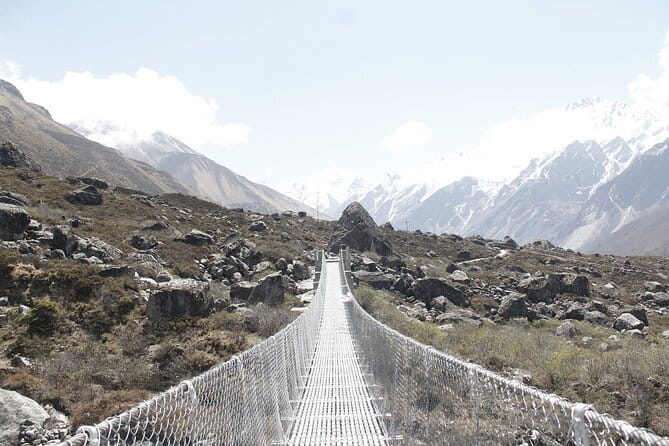
Your first day begins early in Kathmandu with the journey toward Syabrubesi. The drive takes about seven hours, and the overnight stop is listed as Hotel Garden Inn in Syabrubesi.
This is a travel day rather than a trekking day. You get your first sense of the changing countryside on the road, but the real value is reaching the valley where the walking begins. An early start matters because the drive is long, and delays on mountain roads can make the day feel even longer.
You can arrange a private ride or use the local bus arrangement included in the package. The shared bus keeps the price down, but it also means less control over departure conditions and comfort. If road travel is hard on you, prepare for a full day of sitting before the hiking starts.
Syabrubesi is the practical gateway for the trek. The overnight stay lets you begin the next morning from the trail area instead of trying to combine the drive with a long hike.
Day 2: River paths and forest shade to Lama Hotel
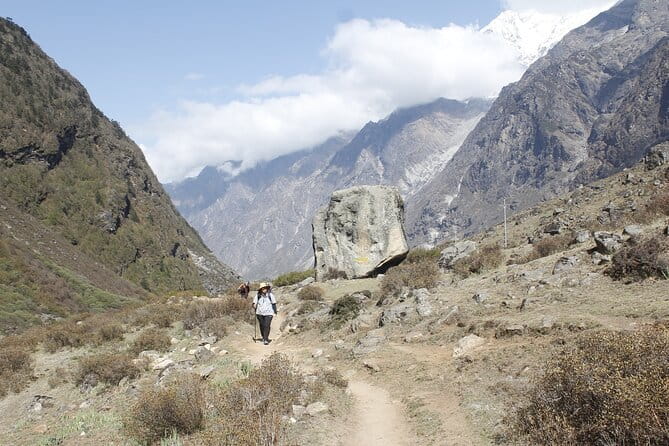
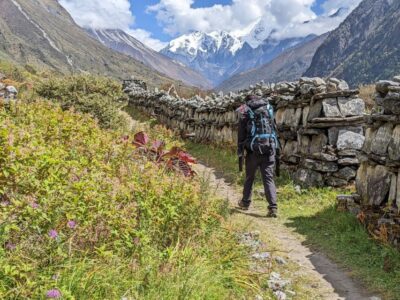
The second day follows the Langtang Khola toward Lama Hotel. The walk takes about six hours and is one of the most attractive early sections because the trail stays close to moving water while passing through dense forest.
You will see lush greenery, rushing river views, moss-covered trees, and, at the right time of year, rhododendron flowers. The forest gives the route a cool, enclosed feel before the views open farther up the valley.
This day is not flat or effortless. The path winds through changing ground and begins the steady climb that defines the trek. I would treat the six-hour estimate as a full walking day, not a casual stroll. A moderate fitness level is important, particularly if you are not used to hiking for several hours at a time.
Lama Hotel provides a useful overnight break in the forested part of the valley. The lodge accommodation is basic mountain lodging rather than a city hotel, but it places you close to the trail and keeps the route moving at a practical pace.
Day 3: Entering Langtang Village
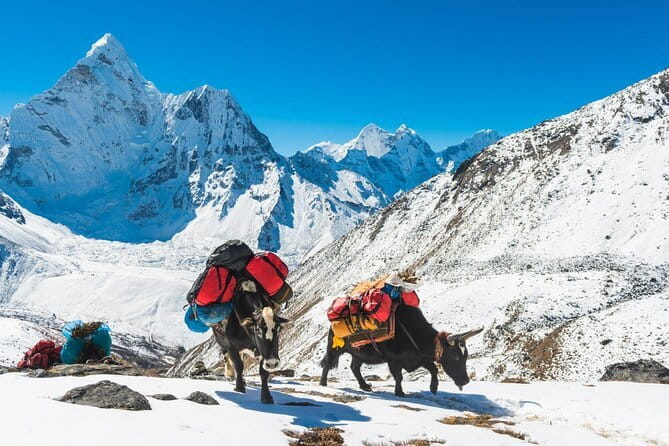
The route continues for about six hours to Langtang Village. The forest remains part of the experience, with moss-covered trees and rhododendron blooms creating a colorful setting. As you gain height, the mountain surroundings become more prominent.
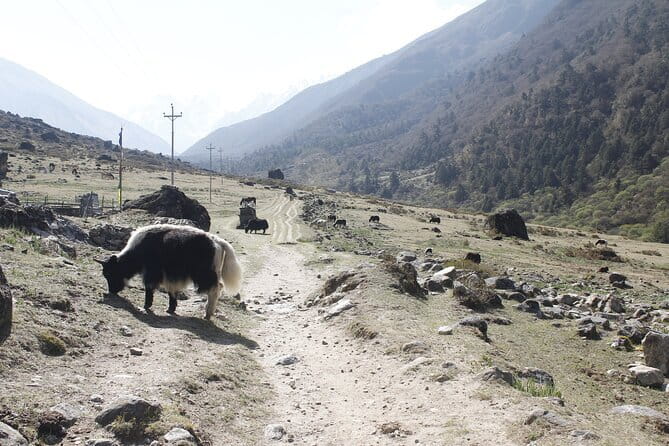
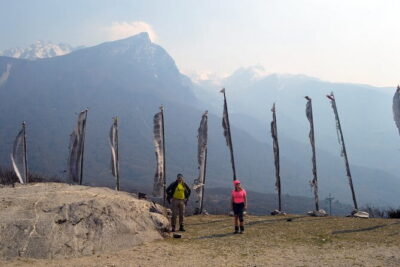
This is also where the cultural side of the trek becomes especially important. Langtang is home to Tamang and Sherpa communities, and the route passes through villages where you can see local life, meet residents, and experience the hospitality that makes this more than a mountain workout.
The village setting gives the day a clear purpose. You are not simply walking from one lodge to another. You are moving through a lived-in valley with Buddhist traditions, local homes, and communities shaped by the high-country setting.
The lodge stay is another reminder to keep expectations realistic. Accommodation is included, but the supplied details do not promise a particular standard or room type. If comfort is a major concern, ask about lodge arrangements before booking.
More Treks and Hikes:
- Everest Base Camp Trek – 14 Days
★ 5.0 · 1,499 reviews - Everest Base Camp Trekking
★ 5.0 · 485 reviews - Nagarkot Sunrise View and Day Hiking from Kathmandu
★ 5.0 · 471 reviews - Annapurna Circuit Trek with Tilicho Lake
★ 5.0 · 368 reviews
Day 4: Kyanjin Gompa and the high valley
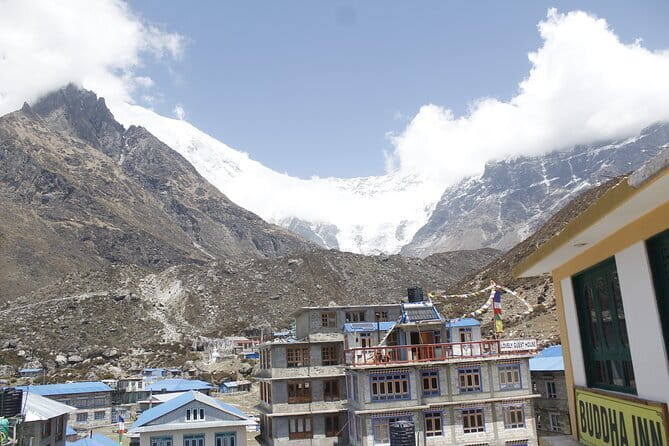
The fourth day takes you higher, with about six hours of walking. The route reaches the area of Kyanjin Gompa, a Buddhist monastery at approximately 3,800 meters. The itinerary identifies Kyanjin Ri as the stop, so the exact day’s walking plan should be confirmed with the operator before departure.
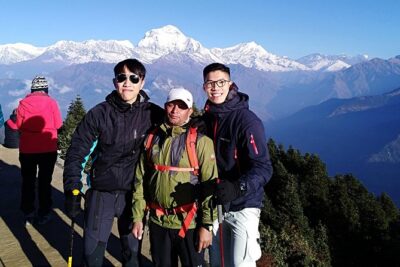
This is the spiritual center of the route. The monastery gives the trek a quiet pause among rugged peaks, and the high setting brings a sharper sense of the scale of the Himalayas. Langtang Lirung, at 7,227 meters, forms part of the dramatic mountain backdrop.
At this height, the air feels colder and thinner. You will need to keep a steady pace and pay attention to how your body responds. The route is accessible compared with more extreme Himalayan treks, but accessible does not mean easy. Altitude adds a new challenge even when the trail itself is well established.
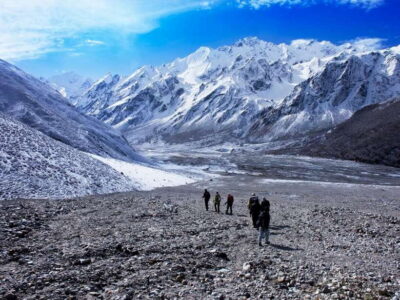
The surrounding views are a major reward. Snow-covered peaks, alpine ground, rocky ridges, and open mountain space replace much of the lower forest. I like this change because the trek keeps offering something new instead of repeating the same scenery.
Day 5: Kyanjin Ri and the return toward Lama Hotel
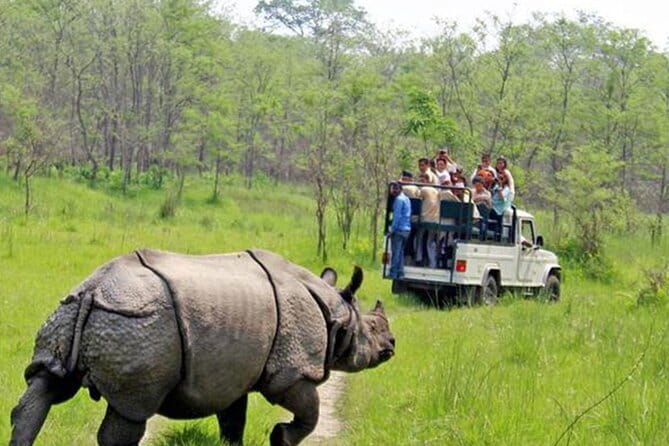
Day five is the toughest and most dramatic part of the walking schedule. The plan includes rocky ridges, narrow paths, occasional steep sections, and a climb to Kyanjin Ri at about 4,700 meters, or roughly 15,420 feet. The day is listed at around six hours before returning toward Lama Hotel.
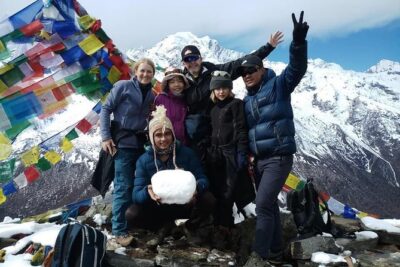
The summit is the trip’s high point, both literally and emotionally. From Kyanjin Ri, you can expect broad views of Langtang Lirung and other Himalayan peaks. The effort is worthwhile for anyone who wants a high mountain viewpoint without signing up for a technical climbing trip.
Still, you should not underestimate this day. The combination of altitude, steep ground, and narrow rocky sections will test your endurance. Your guide can help manage the pace, but the itinerary does not promise a separate acclimatization day. That makes your fitness, patience, and response to altitude especially important.
The return to Lama Hotel means you lose height after the summit, which is welcome. Even so, descending on rough ground can tire your legs. Good footwear and careful steps matter more here than speed.
One detail deserves clarification: the schedule places Kyanjin Ri on day four in the stop title and describes the summit on day five. Ask for the exact overnight plan and summit timing before you set out. The route itself is clear, but the published day labels are not perfectly consistent.
Day 6: Forest descent to Syabrubesi
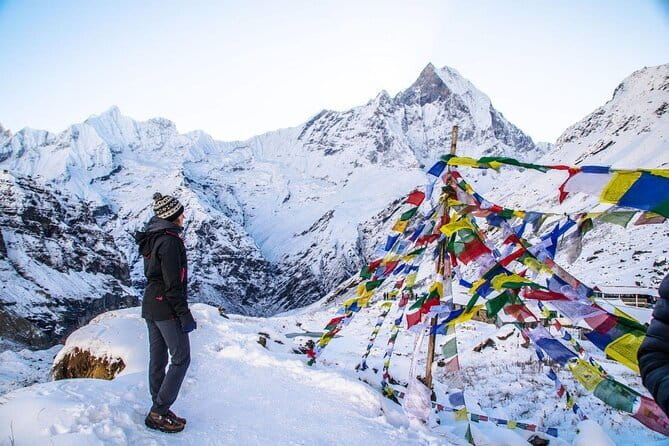
Day six brings you back down from Lama Hotel to Syabrubesi. The walk takes about five to six hours and passes through forests, streams, villages, and familiar sections of the valley.
Descending is usually easier on the lungs, but it can be harder on the knees. Rocky paths and uneven ground require care, particularly after the high-point day. The route’s changing views help keep the descent from feeling like a simple retreat.
Returning to Syabrubesi gives you a final night near the trailhead. It also creates a buffer before the long road journey to Kathmandu. That is a practical choice, since trying to finish the trek and drive all the way to the capital on the same day would make for a punishing schedule.
The combination of village scenes, forest, and streams gives this day a calmer mood. You have already seen the high peaks, and now you can notice smaller details that may have escaped you on the way up.
Day 7: The long drive back to Kathmandu
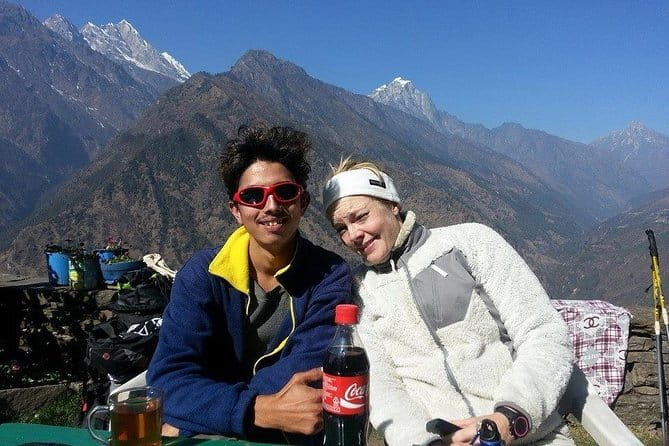
The final day is a seven to eight-hour drive from Syabrubesi to Kathmandu, ending in Thamel. Breaks are planned for stretching and rest, but this remains a long road day.
You can use the time to watch the mountain scenery fade into lower-country views and reflect on the shift from quiet trails to Kathmandu’s busy streets. The drive also gives you another look at Nepalese life beyond the trekking route.
Do not schedule an important flight immediately after this return unless you have checked the timing very carefully. The stated drive length leaves room for a tiring day, and road conditions can affect arrival. The tour includes hotel drop-off, which is convenient after a full week outdoors.
Villages, monasteries, and the human side of Langtang
The strongest feature of this trek is its balance. You get snow-capped peaks, forests, rivers, and high ridges, but you also pass through Tamang and Sherpa communities.
That cultural contact is not presented as a staged performance. The route takes you through traditional villages where you can meet local people and see Buddhist practice in daily surroundings. Kyanjin Gompa adds a clear spiritual focus, while village stays make the valley feel inhabited rather than empty.
I also like that the experience gives you time to notice the connection between people and place. The trail follows the Langtang Khola, passes through forest, and climbs toward alpine ground. Each change in nature is tied to the settlements and religious sites along the way.
The guide is central to making this side of the journey work. The supplied information names an English-speaking guide but does not provide an individual guide’s name. The service has received strong praise, including comments about friendly, well-trained guiding and good support for a family group. Ask who will lead your trek and what language support you can expect.
Fitness, altitude, and comfort
You should choose this trek if you can manage repeated six-hour walking days and a high ascent to approximately 4,700 meters. The route is described as suitable for moderate fitness, not as a beginner’s walk with no preparation.
You do not need to be an expert mountaineer based on the information provided. The path gradually moves through forest, meadow, and high mountain ground, with the hardest sections concentrated around Kyanjin Ri. Still, altitude can affect people differently, and the itinerary does not include a separate rest day.
Lodge accommodation is included. The details do not specify room facilities, meal arrangements, heating, or bathroom standards, so get those answers before you go. A guide and organized permits reduce logistical stress, but they do not replace sensible preparation.
The compact schedule is both its strength and its limitation. Seven days lets you see a remarkable section of the Himalayas from Kathmandu without committing to a much longer trip. The tradeoff is a demanding rhythm, with little spare time if weather, roads, or fatigue disrupt the plan.
Service, booking, and cancellation
The experience has a five rating based on five reviews, with especially positive comments about the guide, accommodation, scenery, and overall service. One family group described the guide as friendly and well trained, while other comments praised the mountain views, forests, villages, and Kyanjin Gompa.
You need to provide passport details and a photo, including a selfie if necessary, so the trekking permit can be issued. Confirmation arrives at booking, and free cancellation is available if you cancel at least 24 hours before the local start time. Cancellations or changes made inside that window are not accepted for a refund.
Should you book the Langtang Trek?
I would recommend this trek if you want a compact Himalayan route with strong scenery, village life, Buddhist culture, and a guide handling the key arrangements. The $410 price is appealing because it combines transport, permits, guiding, lodging, and hotel transfers.
I would hesitate if you want private road transport, a relaxed walking schedule, premium accommodation, or a dedicated acclimatization day. Confirm the Kyanjin Ri timing, lodge standard, meals, and personal costs before booking.
For a moderately fit hiker who values real village contact and big mountain views, this is a well-balanced choice. It gives you a serious taste of the Himalayas in one week, with enough practical support to keep the focus on the trail.
FAQ
How long is the Langtang Trek from Kathmandu?
The experience lasts approximately seven days. It includes the road journey from Kathmandu to Syabrubesi, five days connected with the trekking route, and the return drive to Kathmandu.
What is included in the $410 price?
The price includes hotel pickup and drop-off, round-trip shared local bus transport, a trekking permit, a TIMS card, an English-speaking trekking guide, and lodge accommodation.
Is this a private tour?
Yes. The trekking activity is private, so only your group participates. The round-trip road transport is by shared local bus.
How fit do I need to be?
You should have a moderate level of physical fitness. Most walking days are listed at about six hours, with rocky and steep sections near Kyanjin Ri.
How high does the trek go?
The route reaches Kyanjin Ri at approximately 4,700 meters, or about 15,420 feet. Kyanjin Gompa is listed at roughly 3,800 meters.
Do I need to provide passport information?
Yes. Your passport details and a photo are needed to issue the trekking permit. A selfie can be used as the photo.
Can I cancel for a full refund?
You can cancel for a full refund up to 24 hours before the experience start time. Cancellations or changes made less than 24 hours before the start are not accepted for a refund.
More 7-Day Experiences
- 7 days Nepal Motorcycle tour
★ 5.0 · 12 reviews - Kathmandu to Langtang Valley 7-Day Trek
★ 5.0 · 11 reviews - 7 Day Kathmandu Pokhara Tour
★ 4.5 · 5 reviews - 7 Days Langtang Valley Trek from Kathmandu
★ 5.0 · 3 reviews
Just added around Kathmandu
- Private Shopping Tour in Kathmandu★ 5.0 · 3 reviews
- Nagarkot Sunrise With 7 UNESCO World Heritage Private Tour★ 5.0 · 3 reviews
- Mount Everest Scenic Flight 50 Minutes★ 5.0 · 3 reviews
- Kathmandu: Nightlife and Pub Crawl Tour★ 5.0 · 3 reviews
- Kathmandu: Nagarkot, Bhaktapur, Doleswor & Sanga Statue Tour★ 5.0 · 3 reviews
- Momo Cooking Class -The Art Of Making MoMo with Home Chef★ 5.0 · 3 reviews
- Makalu Base Camp Trek★ 5.0 · 3 reviews
- Kathmandu: Momo Making Class with a Local Chef★ 5.0 · 3 reviews
Langtang Valley Treks, compared.
Trekking in Annapurna/Langtang/Everest/Upper Mustang regions
Read our review →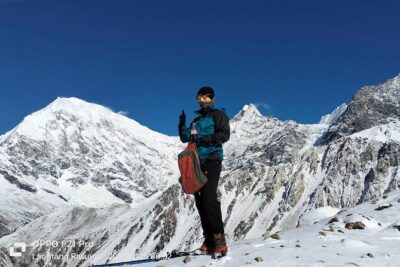
Browse the lists this tour appears in