
Reviewed · MOMO MAKING CLASSES
Kathmandu: Local Lead Nepali Cooking & Momo Making Class
Food is the best way to meet Nepal. This Kathmandu cooking class gives you a practical introduction to Nepali food, beginning with a short market visit and continuing in a clean kitchen near Thamel. I like the small-group format, limited to 10 people, and the chance to make several dishes rather than simply watch a demonstration. The main drawback is that the class may need at least two participants, so solo bookers should check that it is running.
I also like the patient, hands-on teaching. You fold momo dough, prepare dal bhat, and help cook the food you later eat, with Nepali masala tea on the side. The advertised price of $4 per person is remarkably low, so confirm the exact booking option and what is included before paying, especially if you want hotel transport or extra drinks.
In This Review
- Key points at a glance
- Why this Kathmandu cooking class is worth your afternoon
- From Thamel to the Kathmandu Cooking Academy
- Shopping for ingredients in a Kathmandu market
- Learning the folds behind proper momo
- Dal bhat and the rhythm of a Nepali meal
- A clean kitchen, shared meal, and masala tea
- What the $4 price really means
- Who will enjoy this class most
- Seven practical tips before you book
- Should you book the Kathmandu Nepali cooking class?
- FAQ
- Where does the cooking class meet?
- How long does the experience last?
- What dishes will I cook?
- Is hotel pickup available?
- Is the class taught in English?
- How many people can join?
- What is included in the experience?
Key points at a glance
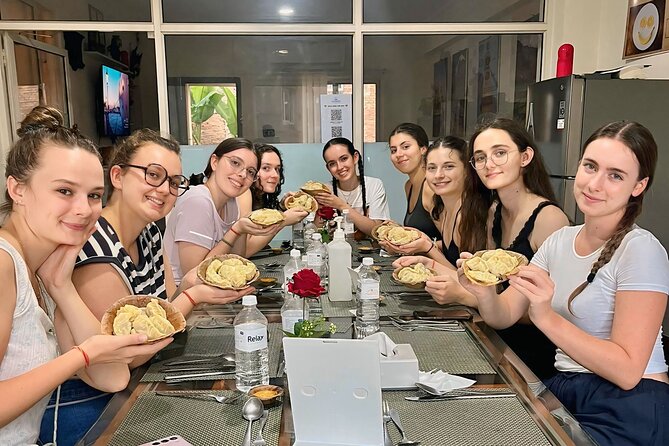
- Momo folding is the star lesson: You learn how to prepare the filling and shape the dough, with patient help when the folds go astray.
- The market visit adds local context: You help select fresh ingredients before cooking, rather than arriving to find every item already measured.
- You can choose more than two dishes: Momo and dal bhat are central, but the menu may also include bara, yomari, and other traditional foods.
- The kitchen is built for participation: Professional equipment, a clean cooking space, and a small group make it easier to take part.
- The class is generous with food: Most sessions include two main courses, a dessert, and masala tea, though the exact dishes depend on the group’s choices.
- Pickup covers Kathmandu Valley: You can meet at the Kathmandu Cooking Academy, a 10 to 15 minute walk from Thamel, or select hotel pickup and drop-off.
Why this Kathmandu cooking class is worth your afternoon
Kathmandu can feel like a lot at first: traffic, temple bells, incense, dust, and a menu full of dishes you may not yet recognize. A cooking class gives you a calmer way to understand the country. Instead of only eating momo in a restaurant, you learn how the dish is built, why the folding matters, and how Nepali meals fit together.
This is not just a momo lesson. Momo is the headline act, but dal bhat gives you a better sense of everyday Nepali food. The class also allows additional choices from a range of traditional dishes. Past menus have included bara, a savory lentil pancake, and yomari, a sweet Newari dumpling. The exact selection is decided during the class, so you get some choice without having to plan a full menu yourself.
The format suits you if you want to be active. You will spend roughly three hours shopping, chopping, mixing, cooking, and eating. There is little value here for someone who wants a quick cooking demonstration and a photo. You need to be willing to handle ingredients and work at the counter.
The strong rating of 4.9 from 40 reviews fits the main strengths: friendly instruction, tasty food, and a welcoming kitchen. The most repeated praise is for the teachers. Vikram is described as clear, patient, and encouraging. Another instructor, Niche, is praised for her humor and lively teaching style. The names suggest that your experience can vary by session, but the pattern is reassuring: the staff aim to help rather than rush you.
More Cooking Classes in Kathmandu
- Half day cooking class in Thamel kathmandu
★ 5.0 · 607 reviews - Kathmandu: Local Women-Led Nepali Cooking & Momo Class
★ 4.9 · 360 reviews - Kathmandu: Local Lead Nepali Cooking & Momo-Making Class
★ 5.0 · 212 reviews
From Thamel to the Kathmandu Cooking Academy
The meeting point is the Kathmandu Cooking Academy, located in Kathmandu and within easy walking distance of Thamel. Allow about 10 to 15 minutes on foot, then arrive at least 15 minutes early. Look for the signboard outside the building, where staff will direct you to registration.
The academy is useful for visitors staying in central Kathmandu because you do not need to arrange a complicated transfer. If you select pickup, a driver can meet you at an address anywhere within Kathmandu Valley and take you to the academy. Drop-off is also available, depending on the option you choose.
This transport choice affects the value. If your hotel is near Thamel, walking is likely simpler and avoids waiting in traffic. If you are staying farther away, pickup may be worth the extra cost or booking adjustment. Since the base price is listed at only $4, check the final price carefully rather than assuming transport is included.
The class lasts around three hours, though the full activity is described as three to four hours. The variation probably comes from the market stop, the number of dishes selected, and the pace of the group. Do not schedule a tight appointment immediately afterward.
Shopping for ingredients in a Kathmandu market
The first useful step is a short walk to a nearby market or shop. You help select ingredients with the chef’s guidance. This matters because it turns unfamiliar food into something you can recognize later in a restaurant or local shop.
The market visit is not presented as a major sightseeing stop, and you should not expect a long guided market tour. Its purpose is practical: choosing fresh ingredients for the cooking session. The chef can explain what you are buying and how it will be used, adding a small but valuable piece of food culture to the lesson.
I like this part because it connects the finished plate to everyday shopping. You see that Nepali cooking is not only a list of recipes. It depends on fresh produce, spices, lentils, dough, and the balance of several dishes on one table.
There is one practical point to remember. The exact ingredients and menu are not fixed in advance. The group may choose from available dishes, so you might not cook every item you had in mind. Tell the academy about allergies, dietary restrictions, or food preferences before the class. The staff say they can tailor the lesson when given advance notice.
Learning the folds behind proper momo
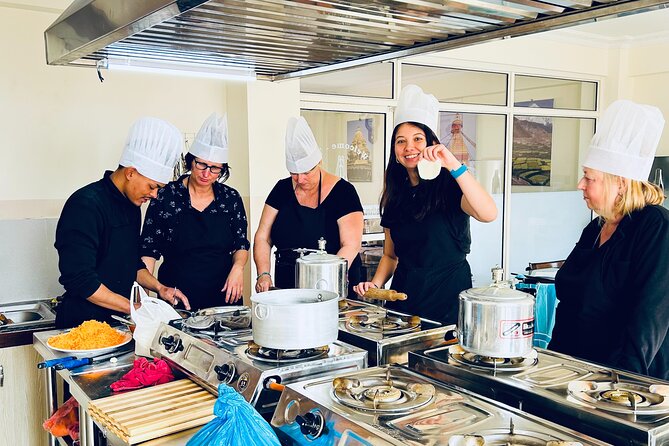
Momo making is the part most people will remember. You prepare the filling, work with the pastry, and learn how to fold the dumplings into the correct pattern. That last step takes practice. One session included patient help for a participant struggling with the folds, which is exactly the sort of assistance you want in a hands-on class.
A cooking class can explain the difference between watching a momo being shaped and shaping one yourself. The first dumpling may look uneven. That is part of the fun, and the teacher can show you how to adjust the dough and pinches. You should leave with a technique you can attempt at home, even if your first batch looks more rustic than restaurant-perfect.
The instructors use step-by-step explanations in English. The class is designed for participation, not professional cooks, and the teaching style has been praised as easy to follow. Jay described the recipes as simple, with clear instructions and food that turned out delicious. That suggests a useful balance: enough guidance for a beginner, but still room for you to do the work.
The group size matters here. With a maximum of 10 people, you have a better chance of receiving help with rolling, filling, and folding. A full class may still feel busy, but the small-group setup is more suitable for a skill-based activity than a large demonstration.
More Momo and Nepali Cooking Classes:
- Local Women Lead Nepali Cooking Class
★ 5.0 · 125 reviews - The best Private Nepali Cooking Class in Kathmandu
★ 5.0 · 83 reviews - Kathmandu: Traditional Momo Making Class & Pickup
★ 4.8 · 60 reviews - Traditional Nepali Momo Making Classes
★ 5.0 · 53 reviews
Dal bhat and the rhythm of a Nepali meal
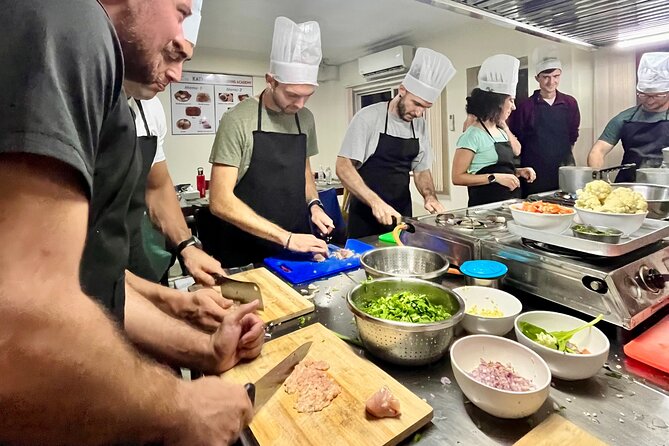
Dal bhat gives the class a wider purpose. Momo is a popular snack and comfort food, while dal bhat represents the familiar combination of lentils, rice, and accompanying dishes that many people eat during a stay in Nepal. Preparing it helps you understand how several simple components become a complete meal.
The class focuses on momo and dal bhat as the two main courses, but the group can choose additional traditional dishes. In one session, a participant prepared momo, bara, and yomari. Another group made three dishes each. This flexibility is a real advantage if you are curious about Newari food or want more than the standard tourist menu.
The trade-off is predictability. Since the group helps decide the dishes, you may not receive an identical lesson every time. If one particular recipe matters to you, ask about its availability when booking or contact the academy before arriving.
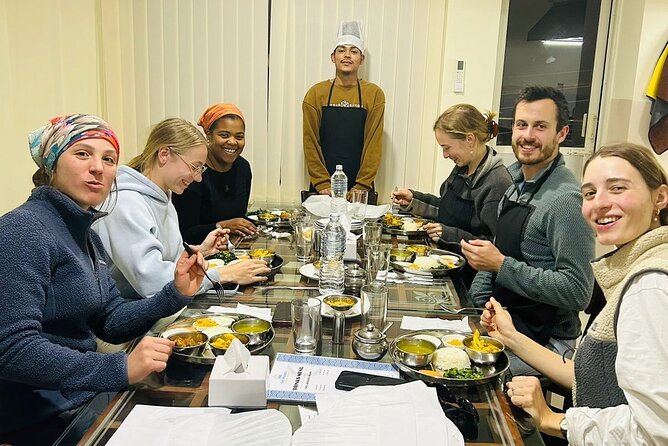
The food is not merely prepared for display. You sit down afterward and eat what you have made. That tasting session gives the class a satisfying finish and lets you judge the results while the cooking methods are still fresh in your mind.
A clean kitchen, shared meal, and masala tea
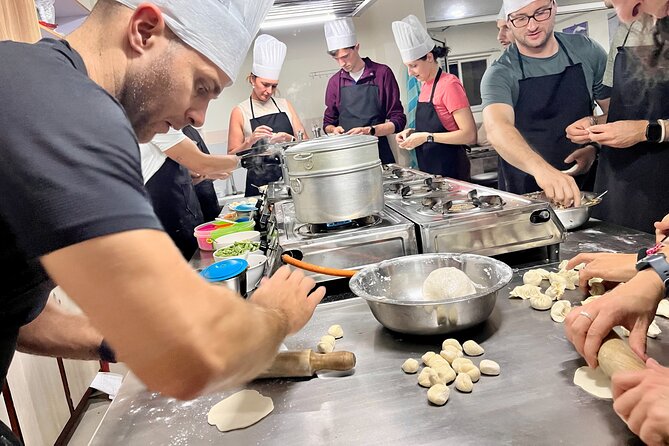
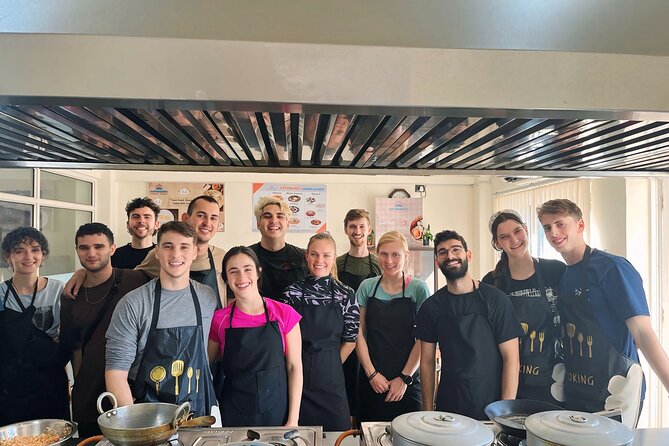
The academy is described as clean and well equipped, with professional cooking tools and accessories provided. That removes the need to bring anything beyond comfortable clothing and, if you like, a camera.
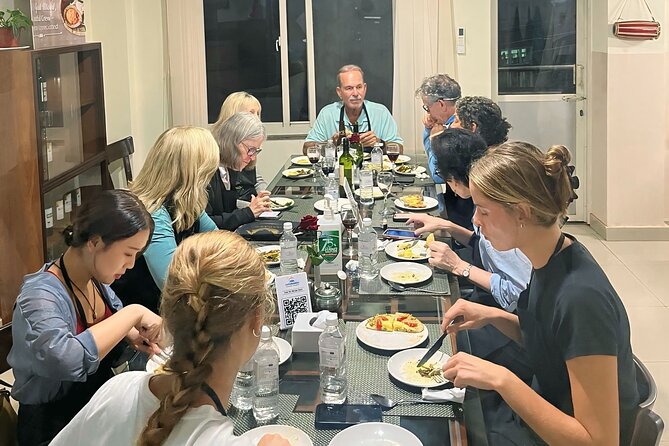
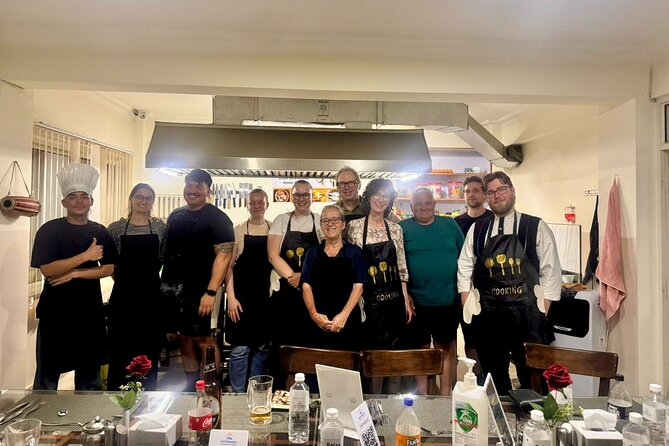
The kitchen setting also helps the lesson feel social. One group of nine worked with a chef and two assistants, while other sessions had a more personal pace. You can expect conversation, shared preparation, and a meal at the end rather than a silent class at separate stations.
The food is plentiful according to the experience details and feedback. A typical session includes two main courses, a dessert, and complimentary Nepali masala tea. Specialty and alcoholic drinks are not included, so budget separately if you want something beyond the provided tea.
The tea is a small detail, but it fits the class well. After handling dough, spices, and hot pans, sitting down with masala tea gives you time to talk about the dishes and the food culture behind them.
What the $4 price really means
At $4 per person, this is priced far below most organized food activities. If that price applies to the option you select, it offers exceptional value because it includes instruction, ingredients purchased for the class, cooking equipment, the prepared meal, and masala tea.
Still, an unusually low advertised price deserves a careful check. Pickup and drop-off may be optional rather than part of the base rate. Specialty drinks, alcohol, and professional photos or videos cost extra. The menu can also vary according to the group’s choices.
The real value is strongest if you take part fully. You are not paying only for lunch. You are gaining recipes and techniques you can use after Nepal, along with a better understanding of dishes you may already have been eating during your trip.
Susan’s session lasted about four hours and included three traditional dishes. She felt confident enough to cook Nepali food for friends and family at home. That is a useful test of value: the class can give you something lasting, not just a pleasant meal that disappears once you leave the table.
Who will enjoy this class most
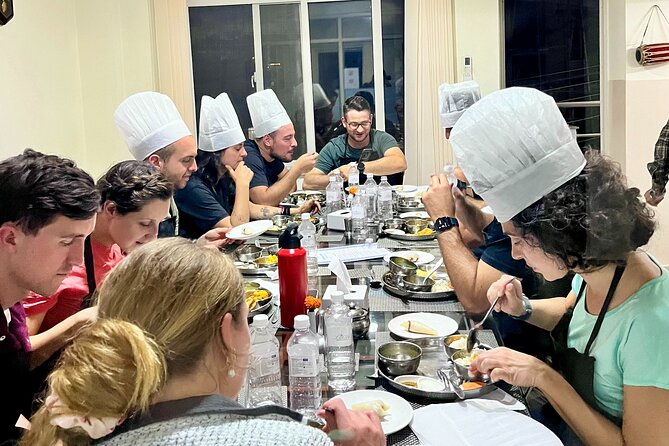
I would recommend this experience to food lovers, curious first-time visitors to Nepal, couples, friends, and small groups who prefer doing rather than watching. It is also a good rainy-day or afternoon activity when you want a break from temples and city streets.
It suits beginner cooks particularly well. The teachers are described as patient, clear, and encouraging, and the recipes use simple steps. You do not need advanced kitchen skills to join.
It may be less suitable if you have severe dietary restrictions that were not discussed in advance, dislike shared group activities, or want a fixed menu. Children under five are not accepted, and people over 95 are excluded from the activity. The experience is wheelchair accessible, but you should still provide any mobility needs when booking so the academy can prepare appropriately.
Solo visitors can book, but a minimum of two participants may be required for the class to operate. If that minimum is not reached, the provider offers another date or a full refund. That is worth checking before arranging the rest of your day.
Seven practical tips before you book
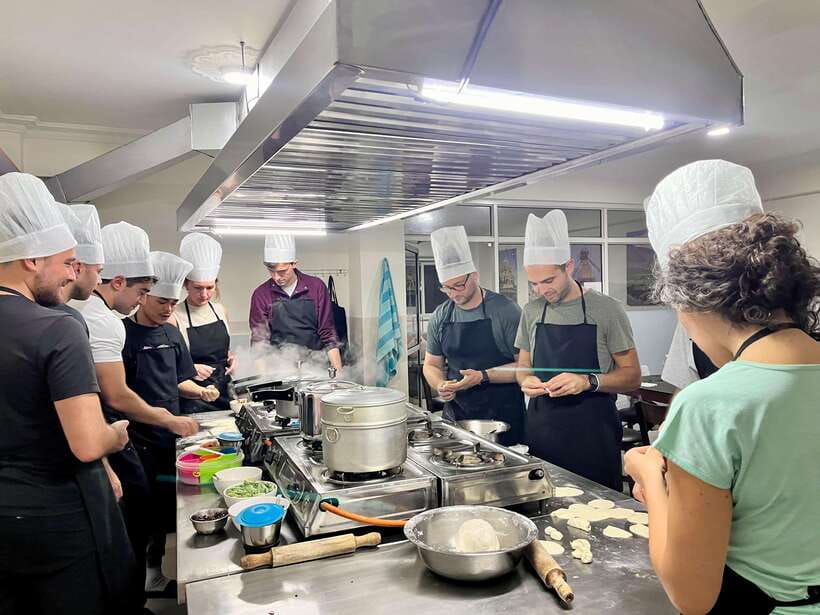
- Wear comfortable clothing. You will be actively cooking for several hours.
- Arrive 15 minutes early, especially if you are walking from Thamel.
- Tell the academy about dietary needs before the class.
- Go hungry enough to enjoy the tasting session. The food is intended to be eaten after the cooking.
- Confirm whether your booking includes pickup and drop-off.
- Ask about the available menu if you especially want bara, yomari, or another dish.
- Bring a camera if you want to record the process, but professional photos and videos cost extra.
Free cancellation is available up to 24 hours before the class for a full refund, and you can reserve now and pay later. Starting times vary, so check availability for your date.
Should you book the Kathmandu Nepali cooking class?
Yes, if you want a practical food experience with a low price and real participation. The market visit, small group, patient momo instruction, choice of dishes, and shared meal make this more useful than a quick cooking show.
I would book it early in your Kathmandu stay if you plan to cook at home later. You can then recognize dishes on restaurant menus and perhaps return to a favorite meal with a better idea of how it was made.
Check the final price, transport option, menu choices, and minimum group requirement before confirming. If those details suit your plans, this is an easy recommendation for anyone who wants to bring home more than a souvenir.
FAQ
Where does the cooking class meet?
The meeting point is the Kathmandu Cooking Academy in Kathmandu. It is about a 10 to 15 minute walk from Thamel, and staff will meet you at the entrance.
How long does the experience last?
The activity lasts approximately three hours, including the market visit, cooking, and tasting. The stated duration is three to four hours.
What dishes will I cook?
Momo and dal bhat are the main focus. You may also choose from other traditional Nepali dishes, with past options including bara and yomari.
Is hotel pickup available?
Yes. Optional pickup and drop-off are available from locations within Kathmandu Valley. You need to provide your hotel or other address when selecting that option.
Is the class taught in English?
Yes. English instruction is available.
How many people can join?
The class is a small-group activity with up to 10 participants. A minimum of two participants may be required for the class to operate.
What is included in the experience?
The class includes step-by-step cooking instruction, the market or shop visit for ingredients, cooking equipment, tasting of the prepared food, and complimentary Nepali masala tea. Specialty drinks, alcoholic drinks, and professional photos or videos are not included.
More Workshops
- Knife (Khukuri) Making Workshop- Forge of the Gurkhas
★ 5.0 · 143 reviews - Kathmandu: Local Women-Lead Nepali Cooking & Momo Class
★ 4.9 · 45 reviews - Knife Khukuri Making Workshop
★ 4.9 · 38 reviews - Best Nepali Cooking Class in Thamel with Local Market Trip
★ 5.0 · 26 reviews
Just added around Kathmandu
- Private Shopping Tour in Kathmandu★ 5.0 · 3 reviews
- Nagarkot Sunrise With 7 UNESCO World Heritage Private Tour★ 5.0 · 3 reviews
- Mount Everest Scenic Flight 50 Minutes★ 5.0 · 3 reviews
- Kathmandu: Nightlife and Pub Crawl Tour★ 5.0 · 3 reviews
- Momo Cooking Class -The Art Of Making MoMo with Home Chef★ 5.0 · 3 reviews
- Kathmandu: Nagarkot, Bhaktapur, Doleswor & Sanga Statue Tour★ 5.0 · 3 reviews
- Makalu Base Camp Trek★ 5.0 · 3 reviews
- Everest Experience Trek 6 Day Hiking Adventure★ 5.0 · 3 reviews
Momo Making Classes, compared.




Nepalese Momos or Dal Bhat Cooking Class (Cook with Delight)
Read our review →
The best Private Nepali Cooking Class in Kathmandu
Read our review →
Nepalese Kitchen in Pokhara: Momos or Dal Bhat Cooking Class
Read our review →
Browse the lists this tour appears in