
Reviewed · COOKING CLASSES
Cook and Eat: Cooking Class in Kathmandu near Thamel
Come hungry, leave with new recipes. This three-hour Kathmandu cooking class gives you a practical taste of Nepali food, from choosing three dishes to shopping for ingredients and eating what you prepare. I like the guided market visit and the chance to work with a local chef, while the $24 price includes ingredients, equipment, instruction, and the food you cook.
I also like the small-group feel described by past participants, including one class with only three people. The main consideration is that the menu is not printed in the tour details, so you should confirm the available dishes before booking if you have your heart set on a particular recipe.
In This Review
- Key points to know before booking
- Why this Kathmandu cooking class is worth your time
- Meeting the team at Shepherd Holidays
- Choosing three dishes from the Nepali menu
- Walking through the local market for ingredients
- Preparing ingredients with the chef
- Cooking three dishes in one session
- Sitting down to eat what you prepared
- Tea, farewell, and the return to Thamel
- The $24 price and what you receive
- Who should book this cooking class
- Booking, cancellation, and practical details
- Should you book the Kathmandu cooking class?
- FAQ
- How long does the cooking class last?
- How much does the experience cost?
- Where does the class begin and end?
- How many dishes can I prepare?
- Are ingredients and cooking equipment included?
- Is the food prepared during the class included?
- Is transportation included?
Key points to know before booking
- Choose three Nepali dishes: You select three items from the available menu, giving you control over the class.
- Shop with a guide: The visit to a local market connects the finished meal with the ingredients used to make it.
- Cook in a professional kitchen: Chef Vikram and helper Kamal have led classes in a clean, organized setting.
- Eat what you prepare: Food made during the class is included, so the lesson ends around a shared meal.
- Three-hour format near Thamel: The experience begins and ends at Shepherd Holidays on Yapikhya Marg.
- Good value at $24: Ingredients, cooking tools, instruction, and prepared food are covered, with private transport available for an extra charge.
Why this Kathmandu cooking class is worth your time
Kathmandu is easy to experience through temples, shrines, and narrow streets, but food offers a different way into Nepali culture. In this class, you are not simply handed a plate and told what it contains. You choose dishes, see some of the ingredients at a market, prepare them yourself, and sit down to eat the result.
That order matters. You get a clearer sense of how a dish comes together when you have handled the ingredients and watched the cooking process. Even if your finished momos are not shaped like a chef’s, you leave with a better idea of how to make them at home.
The price is one of the strongest features. At $24 per person, the class includes the ingredients and equipment, an instructor and helper, and the food prepared during the session. For a visitor who wants both a meal and an activity, that is a useful combination rather than paying separately for a cooking lesson and dinner.
The class also provides a social setting without requiring a full day. It lasts about three hours, which fits well into a Kathmandu schedule. You can attend in the morning or later in the day if those time slots are offered when you book, then continue exploring the area near Thamel afterward.
More Cooking Classes in Kathmandu
- Half day cooking class in Thamel kathmandu
★ 5.0 · 607 reviews - Kathmandu: Local Women-Led Nepali Cooking & Momo Class
★ 4.9 · 360 reviews - Kathmandu: Local Lead Nepali Cooking & Momo-Making Class
★ 5.0 · 212 reviews
Meeting the team at Shepherd Holidays
The class begins at Shepherd Holidays, at Yapikhya Marg, Kathmandu 44600, Nepal. This is also where the activity ends, so you do not need to arrange a separate return transfer as part of the standard experience.
The welcome sets a friendly tone. You receive tea or coffee, meet the staff, and get an introduction to the cooking session before choosing your dishes. That opening is useful because it gives you a chance to ask questions about the recipes, the level of hands-on work, and the available menu.
Chef Vikram and Kamal are named as part of the teaching team. The instruction is delivered in English, and the class has been praised for clear explanations and a professional approach. If you want to learn rather than simply watch, tell the team early. One useful tip is to ask to be as hands-on as possible, since the class can accommodate different comfort levels.
The maximum group size is 15 people. That is not the same as a private lesson, but it does keep the activity within a manageable size. The experience can also be much smaller when demand is light. A previous session had three people, which allowed plenty of room for questions and individual help.
Choosing three dishes from the Nepali menu
Your first real decision is choosing three cuisines, or dishes, from the menu. The exact choices can vary, and the supplied details do not provide a complete menu, so check ahead if you need vegetarian options or want to prepare a particular specialty.
Past class choices have included momos, thukpa, dal bhat, and yomari. These give you a good sense of the range available:
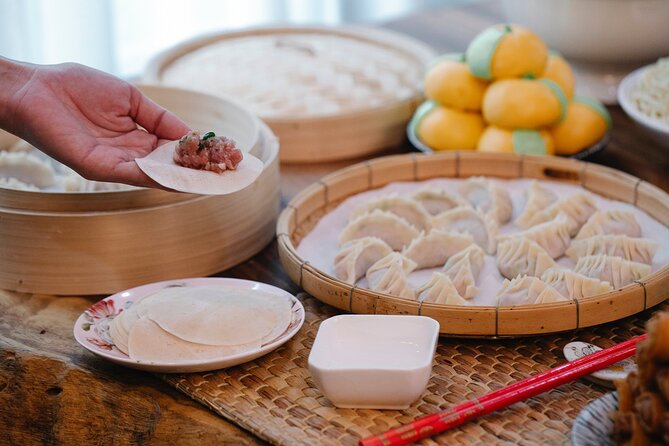
- Momos are Nepali dumplings and one of the most appealing choices for many first-time visitors. You learn how the filling and wrappers are prepared, then cook the dumplings before eating them.
- Thukpa is a noodle soup associated with Himalayan food traditions. It adds a warm, brothy dish to a menu that might otherwise focus on dumplings or rice.
- Dal bhat brings together lentils and rice, a familiar foundation of Nepali home cooking. It helps you understand why this meal is so central to everyday food in Nepal.
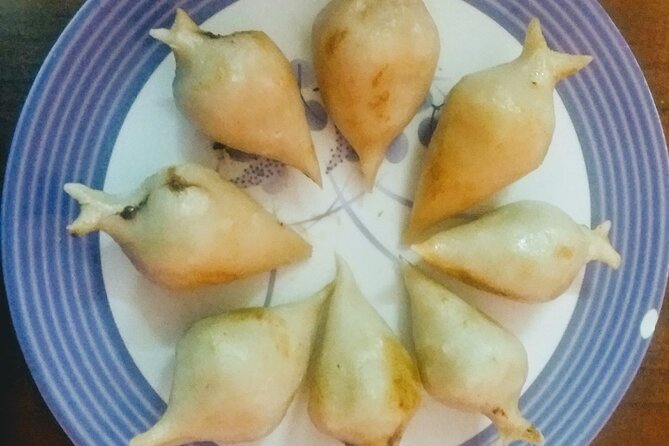
- Yomari is a traditional sweet dumpling. Choosing it gives the class a dessert component and shows that the lesson is not limited to savory dishes.
Three selections offer variety, but they also mean you should choose with the cooking time in mind. If you select three dishes with many separate components, the preparation may feel busy. Ask the chef which combination works best if you want a balanced menu.
The most practical choice is to mix one dish you already know with two that are new to you. That way, you have a familiar reference point while learning something different. If you are especially interested in momos, make them one of your three choices. The class has received particularly warm praise for the dumplings, and the instructions were clear enough for one participant to feel confident making them at home.
Walking through the local market for ingredients
After choosing your dishes, you visit a local market with a guide to see and gather ingredients. This is a short but important part of the experience. It takes food out of the classroom and places it in the setting where daily shopping happens.
A market visit can help you recognize the basic building blocks of Nepali cooking. You may find spices, vegetables, herbs, grains, noodles, or other items connected to your selected recipes, though the exact products are not specified. The guide can explain what you are looking at and how each ingredient will be used.
This stop is also helpful if you plan to cook Nepali food at home. Names and appearances can be confusing when you first encounter unfamiliar ingredients in a shop. Seeing them before preparation gives you a better chance of finding suitable substitutes later.
Do not expect a long sightseeing walk or a full food tour. The market visit exists to support the cooking class. Its value is in the connection between shopping and preparation, not in ticking off another attraction.
A different sort of day from Kathmandu:
- Everest Base Camp Trek – 14 Days
★ 5.0 · 1,499 reviews - Private Kathmandu Sightseeing Tour | UNESCO World Heritage sites
★ 5.0 · 756 reviews - Everest Base Camp Helicopter Tour landing at Everest View Hotel
★ 5.0 · 668 reviews - Everest Base Camp Trekking
★ 5.0 · 485 reviews
Preparing ingredients with the chef
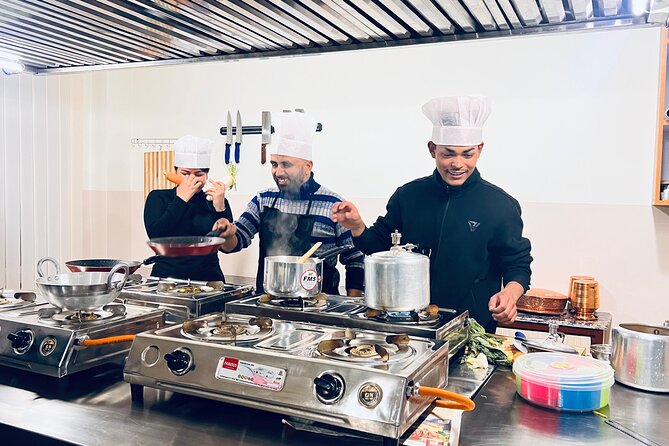
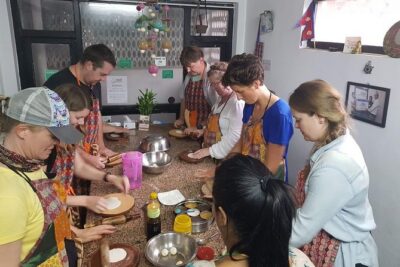
Back in the kitchen, the hands-on work begins. You cut and prepare ingredients before cooking starts, with the chef and helper guiding the process. The class is designed to include all the equipment you need, so you do not have to bring utensils or cooking supplies.
This stage is where the experience becomes more useful than a demonstration. You can watch a chef make a dish in a few minutes, but cutting, mixing, filling, folding, and measuring help you understand the sequence. Those small steps are what you need when trying the recipe later.
The level of participation may depend on the group and your own preference. You can ask to take an active role rather than standing back. If you are nervous about handling unfamiliar ingredients, the staff can guide you through the process.
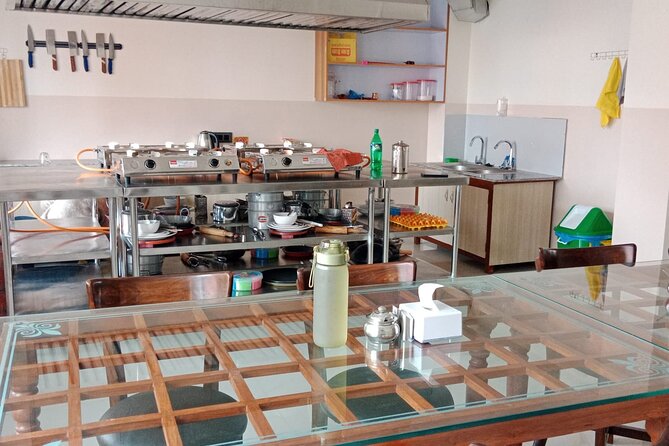
The kitchen has been described as clean and professional. That matters in a cooking class, especially when several dishes are being prepared at once. A clean work area also makes it easier to focus on learning rather than worrying about where equipment or ingredients have been placed.
Cooking three dishes in one session
Once the ingredients are ready, the chef leads the cooking. You follow the process for each chosen dish, learning how the ingredients change as they are combined and heated.
The teaching style appears to be one of explanation and demonstration, followed by your own work. Chef Vikram has been praised for explaining the steps in clear English and for being kind and patient. That combination is valuable because cooking lessons can become frustrating when instructions move too quickly.
Your three dishes may require different methods. Momos involve shaping and cooking dumplings. Thukpa involves building a soup with noodles and other ingredients. Dal bhat requires attention to the lentils and rice, while yomari brings a sweet preparation into the mix.
The class is not presented as advanced chef training. It is better understood as a well-organized introduction to Nepali home-style cooking. You get enough instruction to understand the main process, but you should not expect a professional certificate or a long technical course.
Because the session lasts about three hours, the pace may be active. Arrive ready to participate. If you spend the whole class taking photographs or waiting for someone else to do the work, you will miss much of the value.
Sitting down to eat what you prepared
The final cooking session ends with the best part: serving and eating the food. Food and drink prepared during the class are included, so the meal is part of the experience rather than an extra purchase.
Eating your own work gives you a useful way to judge the recipe. You can notice the texture of the dumpling wrapper, the balance of spices, the warmth of the soup, or the difference between fresh preparation and a restaurant version.
This is also the natural time to ask follow-up questions. If you are unsure how to repeat a recipe at home, ask about cooking times, substitutions, or serving ideas before you leave. The staff’s willingness to explain is one of the reasons this class works well for beginners.
The details say food and drink prepared during class are included, while beverages are listed separately among the exclusions. Tea or coffee is provided at the welcome and again before departure. For anything beyond those drinks or the items prepared in class, budget for a possible extra charge.
Tea, farewell, and the return to Thamel
Before you leave, you receive tea or coffee and say farewell to the team. The activity ends back at the starting point, which keeps the logistics simple.
Private pickup and drop-off are available for an extra charge, but they are not included in the $24 rate. If you are staying near Thamel, you may prefer to make your own way to Yapikhya Marg and keep the cost down. If you are carrying luggage or staying farther away, ask about the private vehicle option before booking.
One helpful touch is the staff’s attention after the class. In one case, the manager made sure a participant returned to the hotel. That does not mean hotel transportation is a standard inclusion, but it suggests the team may offer practical help when needed. Treat it as a courtesy, not a guaranteed transfer.
The $24 price and what you receive
At $24, this class offers solid value for a visitor who wants an activity with a meal built in. You receive the ingredients, all equipment, instruction from the chef and helper, and the food prepared during the class.
The market visit adds context without adding a second tour fee. You also get the chance to learn recipes you may be able to repeat after returning home. The value is strongest if you take notes, ask questions, and take an active role in each dish.
The price does not include accommodation, personal expenses, extra beverages, or private pickup and drop-off. Those exclusions are reasonable, but you should know that the total cost can rise if you add transport or buy drinks beyond the tea and coffee provided.
Group discounts are available, which may make the class more attractive for families or friends booking together. The maximum group size is 15, so confirm the discount details and final group arrangement when reserving.
Who should book this cooking class
I would recommend this experience to first-time visitors who want a clear introduction to Nepali cuisine. It also suits people who enjoy practical activities more than passive sightseeing and anyone who wants recipes they can try at home.
Momo fans should give it special attention. The class has produced dumplings that impressed participants, and the instructions were clear enough to inspire confidence in home cooking. If you choose momos, make sure you are ready to shape them yourself instead of letting the chef do all the work.
The class is also a good fit for couples, friends, families, and small groups. The group discount may help with the price, while the shared meal gives everyone something to do together.
You may want to skip it if you are looking for an advanced culinary course, a long market tour, or a private lesson guaranteed from start to finish. The group can reach 15 people, and the full menu is not published in the available details. Ask questions before booking if those points are important to you.
Booking, cancellation, and practical details
You receive confirmation at the time of booking, and the activity has a free-cancellation policy if you cancel at least 24 hours before the start time. Cancellations made less than 24 hours before the start are not refunded, and changes inside that window are not accepted.
The cut-off follows Kathmandu local time. The experience also requires good weather. If poor weather causes the class to be canceled, you are offered another date or a full refund.
Plan on about three hours from the welcome tea or coffee to the final farewell. Since the class begins and ends at Shepherd Holidays on Yapikhya Marg, check the meeting point carefully and allow enough time to arrive.
Should you book the Kathmandu cooking class?
Book it if you want an affordable, hands-on introduction to Nepali food with a market visit and a meal included. The strongest reasons are the $24 value, the chance to choose three dishes, and the patient guidance associated with Chef Vikram and Kamal.
Before paying, confirm the current menu and ask about any dietary needs. If you prefer a smaller class, remember that three-person sessions have happened, but the official maximum is 15. For an active, friendly food lesson near Thamel, this is a sensible choice. Just come ready to chop, cook, shape, taste, and occasionally make a dumpling that looks more artistic than circular.
FAQ
How long does the cooking class last?
The class lasts approximately three hours.
How much does the experience cost?
The listed price is $24 per person. Group discounts are available.
Where does the class begin and end?
It begins at Shepherd Holidays, Yapikhya Marg, Kathmandu 44600, Nepal, and ends back at the same meeting point.
How many dishes can I prepare?
You choose three dishes from the available menu.
Are ingredients and cooking equipment included?
Yes. Ingredients and all equipment needed to prepare the food are included.
Is the food prepared during the class included?
Yes. Food and drink prepared during the class are included. Tea or coffee is provided at the beginning and before departure, while additional beverages are not included.
Is transportation included?
Private pickup and drop-off are not included in the standard price, but they are available for an extra charge.
More Workshops
- Knife (Khukuri) Making Workshop- Forge of the Gurkhas
★ 5.0 · 143 reviews - Local Women Lead Nepali Cooking Class
★ 5.0 · 125 reviews - The best Private Nepali Cooking Class in Kathmandu
★ 5.0 · 83 reviews - Kathmandu: Traditional Momo Making Class & Pickup
★ 4.8 · 60 reviews
More Food
- Kathmandu Food and Drink Walking Tour
★ 5.0 · 266 reviews - Kathmandu: Food and Drink Walking Tour
★ 4.9 · 119 reviews - Walking Street Food Tour in Kathmandu
★ 5.0 · 111 reviews - Secret Food Tour – Food Bites and Sights Kathmandu 14+ Testings
★ 5.0 · 82 reviews
Just added around Kathmandu
- Private Shopping Tour in Kathmandu★ 5.0 · 3 reviews
- Nagarkot Sunrise With 7 UNESCO World Heritage Private Tour★ 5.0 · 3 reviews
- Kathmandu: Nightlife and Pub Crawl Tour★ 5.0 · 3 reviews
- Mount Everest Scenic Flight 50 Minutes★ 5.0 · 3 reviews
- Kathmandu: Nagarkot, Bhaktapur, Doleswor & Sanga Statue Tour★ 5.0 · 3 reviews
- Momo Cooking Class -The Art Of Making MoMo with Home Chef★ 5.0 · 3 reviews
- Makalu Base Camp Trek★ 5.0 · 3 reviews
- Everest Experience Trek 6 Day Hiking Adventure★ 5.0 · 3 reviews
Cooking Classes, compared.




Nepalese Momos or Dal Bhat Cooking Class (Cook with Delight)
Read our review →
The best Private Nepali Cooking Class in Kathmandu
Read our review →
Nepalese Kitchen in Pokhara: Momos or Dal Bhat Cooking Class
Read our review →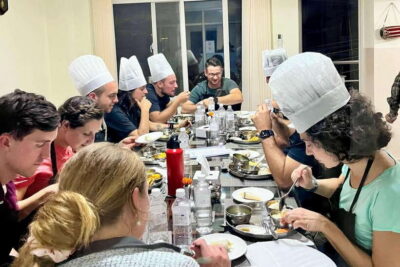
Browse the lists this tour appears in