
Reviewed · MOMO MAKING CLASSES
Women Empowerment Project(Nepali cooking class & jewelry workshop
Come hungry, leave with new skills. This two-day experience in Kathmandu combines a friendly Nepali cooking class with a hands-on jewelry workshop, while supporting the Human Welfare Committee’s work with women and children. I like the clear cultural focus, especially the chance to prepare momos, Nepal’s best-known dumplings, rather than simply eating them at a restaurant. I also like that the lunch is made and shared by the group.
The main thing to consider is the schedule. The cooking and jewelry sessions take about three hours each on separate days, so this is not a quick afternoon stop. The published timing also contains a small inconsistency, listing 11:00 pm for the introduction and daytime times afterward, so confirm the start time before setting out.
In This Review
- Key points at a glance
- What this Kathmandu experience really includes
- Day one: masala chai, pakoda, and momo practice
- Masala chai starts the class
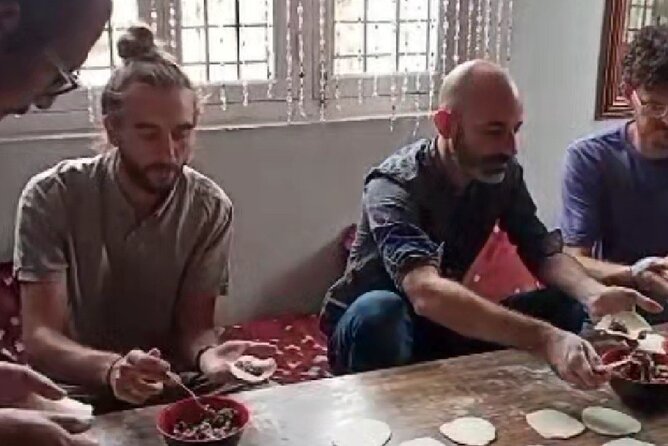
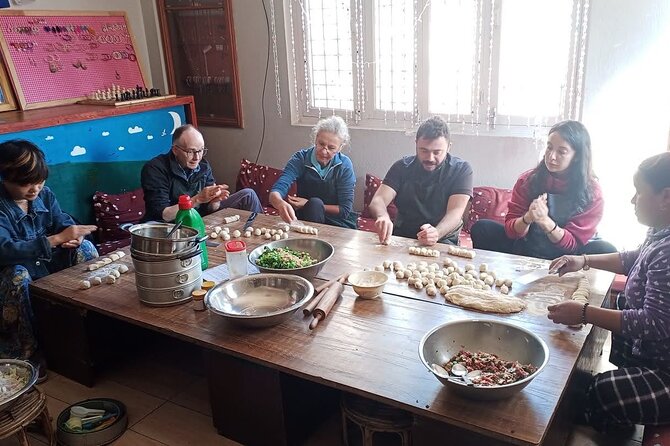
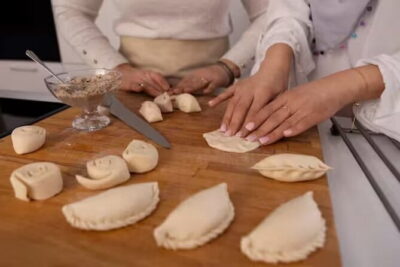
- The momo lesson is the main event
- Lunch turns the lesson into a shared meal
- Day two: a creative jewelry workshop
- The women’s empowerment purpose
- Location, timing, and how to plan your visit
- Who will enjoy it most
- Is the $50 price fair?
- Should you book the Women Empowerment Project?
- FAQ
- How long is the Women Empowerment Project experience?
- What food do you make?
- Is lunch included?
- Where does the activity begin and end?
- Is this a private activity?
- Can you cancel for a full refund?
Key points at a glance
- Momos made by hand: Prepare buff momos and vegetarian momos, with potato and vegetable fillings mentioned during the class.
- More than one dish: The cooking session includes masala chai, pakoda, and the main momo course.
- A separate jewelry day: Return for a three-hour workshop where you make your own jewelry.
- Women-led community purpose: Your booking supports the Human Welfare Committee and its work connected with women and children.
- Small private setting: Only your own group takes part in the activity.
- Simple Kathmandu access: The meeting point is at We handicraft, Paknajol, near public transportation.
What this Kathmandu experience really includes
This is best understood as two connected workshops rather than one long tour. On the first day, you learn basic Nepali cooking and eat the food you prepare. On the second, you work with jewelry materials and make a piece of your own.
The combined price is $50 per person. That makes the value reasonable if you want both activities and care about the project behind them. You receive roughly six hours of instruction across two days, plus lunch on the cooking day. The price is less compelling if you only want a quick momo lesson, since the jewelry workshop is part of the package and requires another visit.
The experience is private, meaning only your group participates. That can make the class more comfortable if you are shy or do not enjoy large groups. One participant who expected social awkwardness found the people easy to talk to, which is useful to know if you are arriving alone or feel unsure about joining a workshop.
More Cooking Classes in Kathmandu
- Half day cooking class in Thamel kathmandu
★ 5.0 · 607 reviews - Kathmandu: Local Women-Led Nepali Cooking & Momo Class
★ 4.9 · 360 reviews - Kathmandu: Local Lead Nepali Cooking & Momo-Making Class
★ 5.0 · 212 reviews
Day one: masala chai, pakoda, and momo practice
The cooking day begins at the Human Welfare Committee location in Paknajol. The schedule lists an introduction at 11:00, followed by the cooking class at 11:30, masala chai at 12:00, pakoda at 12:30, and lunch at 1:30. Because the first entry says 11:00 pm while the later entries are clearly daytime cooking times, check the exact hour with the provider.
The opening introduction matters because this is not presented as a standard commercial food class. You learn about the purpose of the project and the women involved in running the activity. That gives the meal a social purpose, not just a recipe card and a plate of dumplings.
Masala chai starts the class
The first cooking task is traditional masala chai. This is a useful beginning because it gives you an easy way to settle into the kitchen before tackling dough and dumpling folds.
The class then moves to pakoda, a Nepali snack. The exact ingredients are not specified, but the dish gives you a second piece of Nepali food to prepare before the main course. You get a broader taste of local home cooking instead of spending the entire session on momos alone.
Several food lovers praised the clear explanations and the chance to prepare a large amount of food. One participant said the pakoda and momos were good enough to make again at home. That is an important strength for a cooking class: you are not just watching a demonstration, you are practicing recipes you can repeat.
The momo lesson is the main event
Momos are the reason many people will book this experience. These dumplings are central to Nepali food culture, and shaping them by hand is more satisfying than ordering a plate and wondering how the folds were made.
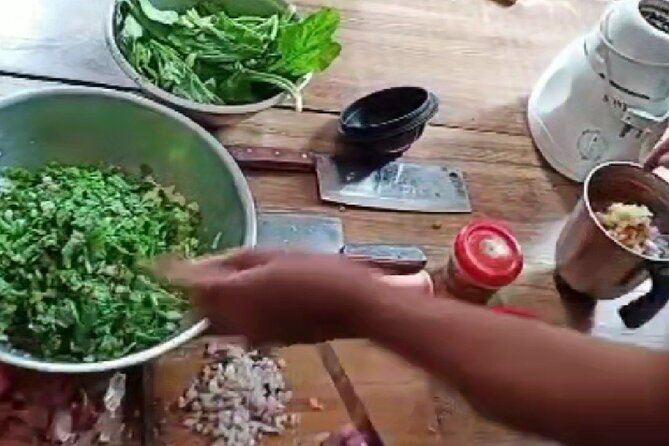
The class includes buff momos and vegetarian momos. The vegetarian options mentioned include potato and vegetable fillings. This gives you a useful comparison between meat and non-meat versions, though you should tell the provider about dietary needs when booking since the available information does not explain ingredient substitutions or separate preparation.
The teaching is led by Aastha and Syanbi, known affectionately during the class as the Momo Queen. The strongest praise focuses on Syanbi’s ability to make momo shaping look simple while patiently showing others how to do it. That kind of hands-on help is exactly what you want here. Dumpling folds look easy when someone else does them at speed. Your first few may look less tidy, which is part of the fun.
The activity is also suitable for beginners. The class is built around learning rather than testing your kitchen skills, and the guides are described as patient and encouraging. You do not need to arrive as a cook.
More Momo and Nepali Cooking Classes:
- Local Women Lead Nepali Cooking Class
★ 5.0 · 125 reviews - The best Private Nepali Cooking Class in Kathmandu
★ 5.0 · 83 reviews - Kathmandu: Traditional Momo Making Class & Pickup
★ 4.8 · 60 reviews - Traditional Nepali Momo Making Classes
★ 5.0 · 53 reviews
Lunch turns the lesson into a shared meal
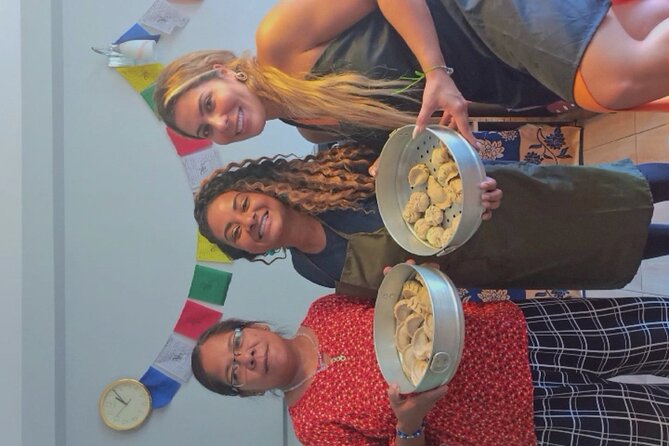
At about 1:30, the class ends with lunch. You eat the momos and other food prepared during the session, rather than receiving a separate meal made by someone else.
I like this part because it closes the loop. You have handled the ingredients, shaped the dumplings, and then get to taste the result. The lunch is also shared with volunteers and project members, giving the meal a more personal feel than a restaurant stop.
The food receives the most consistent praise. The momos are described as delicious, and the meal is repeatedly singled out as a high point. One particularly warm account describes eating with the children and family connected with the project. The exact lunch arrangement may depend on the day, so do not assume every session will look identical, but the experience is clearly designed around eating together.
Plan to allow the full three hours. The schedule moves from introduction to drinks, snacks, dumplings, and lunch, so rushing away before the meal would mean missing an important part of the activity.
Day two: a creative jewelry workshop
The second day returns to the Human Welfare Committee for a three-hour jewelry workshop. The available description says you create your own jewelry and that the session is designed for complete beginners as well as people hoping to improve existing skills.
The details do not specify the exact jewelry piece, materials, techniques, or number of items you make. That is worth asking about before booking if you have a particular project in mind. You should also confirm the start time, since the day two schedule gives the duration but not a clear hour.
What the workshop does offer is a slower, more social activity. The cooking class has a natural rhythm and a meal at the end. Jewelry-making gives you time to sit, work with your hands, and talk with the people around you. A participant who described herself as not very social still found the workshop comfortable and enjoyed making jewelry while getting to know the group.
That point may be more important than it first sounds. Not every cultural activity suits someone who prefers quiet, structured contact. Here, the private format and practical task can make conversation easier. You have something to do with your hands, so nobody needs to force small talk.
The women’s empowerment purpose
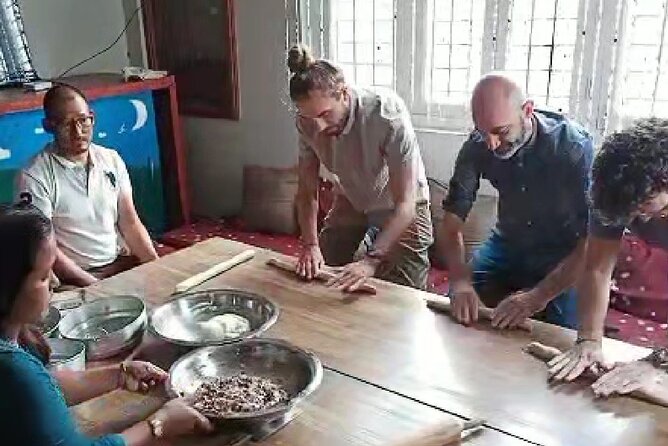
The social purpose is a central reason to choose this activity. The Human Welfare Committee presents the workshops as part of a women empowerment project, and the money from participation helps fund the organization’s work with women and children.
You should not expect a formal lecture on development work or a long institutional visit. The value comes through the people leading the sessions and the direct support created by your booking. You learn a skill, eat a meal, and spend time with the project team in the same place.
I find this more meaningful than a tour that simply adds a charitable label to a standard activity. Here, the cooking and jewelry workshops are the activity. The project’s purpose gives them added weight, but you still receive something practical and enjoyable in return.
The tone also appears to be personal. Descriptions of the staff repeatedly point to kindness, patience, and a warm welcome. That does not guarantee every session will feel identical, but it gives you a fair idea of the atmosphere the organizers aim to create.
Location, timing, and how to plan your visit
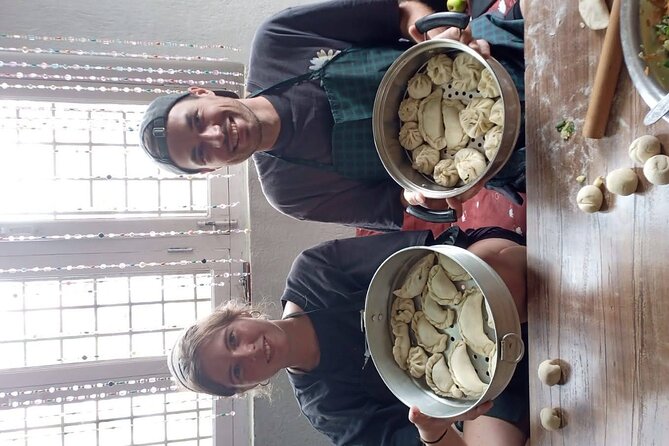
The meeting point is We handicraft, Paknajol, Kathmandu 44600, Nepal. The activity ends back at the same meeting point. The location is near public transportation, which makes it easier to fit into a Kathmandu sightseeing plan.
The stated operating hours are Monday through Wednesday, 10:00 am to 6:00 pm, from January 15, 2023, through December 8, 2026. The schedule information is not perfectly clear, so contact Human Welfare Committee to verify both workshop days and the exact starting hour.
Because the program lasts two days, place it early in your Kathmandu stay if possible. That leaves room to rearrange the second session if your plans change. It also means you can use the cooking lesson soon after arrival, then decide how much time you want to reserve for the jewelry day.
A mobile ticket is provided, and confirmation is received when you book. Free cancellation is available if you cancel at least 24 hours before the start time. After that point, the amount paid is not refunded, and changes made within 24 hours are not accepted. Cut-off times use Kathmandu local time, so check the clock carefully if you are booking from another country.
Who will enjoy it most
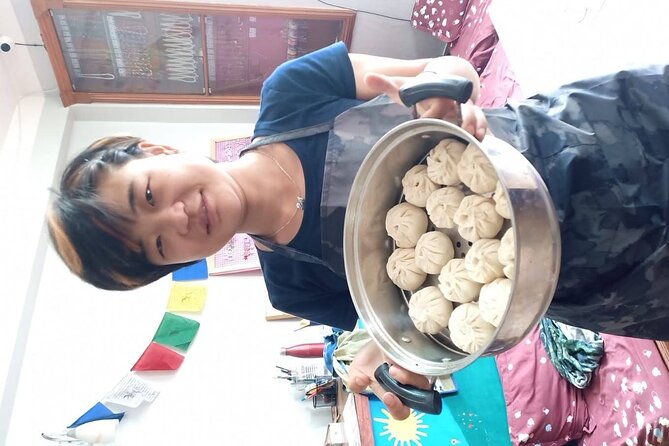
I would recommend this to you if you want a personal cultural activity instead of another sightseeing stop. It suits people who like food, crafts, meeting local project members, and learning by doing.
It is also a good choice for solo visitors. The private setup can feel less intimidating than entering a large class, while the shared cooking and jewelry tasks give you natural ways to connect with others.
Families may also appreciate the mix of activities, although the supplied information does not list a minimum age or specific child arrangements. Ask about this before booking if you are traveling with young children.
Vegetarians can take part because vegetarian momos are included. Still, the menu and preparation arrangements are not fully described, so explain any allergies, religious restrictions, or dietary needs before the class.
You may want to skip it if your Kathmandu schedule is packed or if you only have time for a single short activity. Two separate three-hour sessions require a real commitment. The reward is a fuller connection with the project, but the format is not built for a quick drop-in.
Is the $50 price fair?
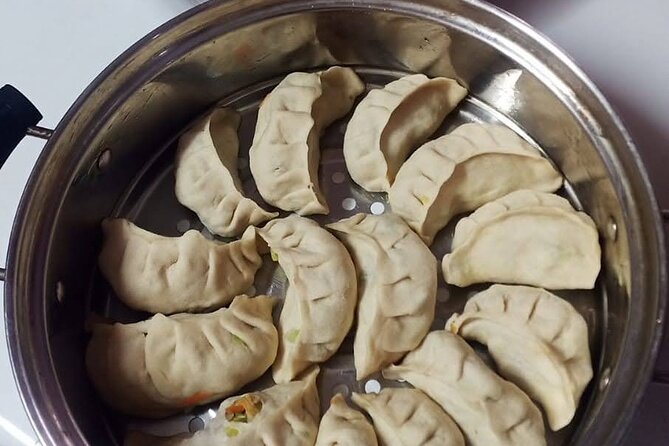
At $50 per person, the package has a fair value when you count the two three-hour workshops, the cooking instruction, the food you prepare, the lunch, and the jewelry activity. You are also directing money toward a community project rather than paying only for entertainment.
The biggest value comes from the quality of the experience, not from the amount of food or the jewelry item. You are paying for patient instruction, time with the project team, and a chance to take part in something connected to local women’s work.
If you are comparing it with a basic Kathmandu cooking class, check whether that alternative includes lunch, several dishes, private participation, and a second craft session. Many short classes may cost less simply because they offer less time and no jewelry workshop.
The $50 price will feel worthwhile if you plan to attend both days. If you know in advance that you cannot return for the second session, ask the provider if a cooking-only option exists, though no such option is listed here.
Should you book the Women Empowerment Project?
Book it if you want to make momos with patient teachers, enjoy a shared Nepali lunch, and support a project working with women and children. The food is the strongest practical reason to go, while the private format and jewelry day add a more personal touch.
Before paying, confirm the daytime start hour, the jewelry materials, and any dietary arrangements. With those points clear, this is a warm, useful addition to a Kathmandu visit, especially for anyone who prefers a real activity over another pass through a sightseeing checklist.
FAQ
How long is the Women Empowerment Project experience?
It lasts approximately two days, with a cooking session of about three hours on day one and a jewelry workshop of about three hours on day two.
What food do you make?
The cooking class includes traditional masala chai, Nepali pakoda, buff momos, and vegetarian momos. Potato and vegetable momo options are mentioned.
Is lunch included?
Yes. The schedule ends with lunch after the cooking session, and you eat the food prepared during the class.
Where does the activity begin and end?
It begins at We handicraft, Paknajol, Kathmandu 44600, Nepal, and ends back at the same meeting point.
Is this a private activity?
Yes. Only your own group participates in the activity.
Can you cancel for a full refund?
Yes, if you cancel at least 24 hours before the experience start time. Cancellations and changes made less than 24 hours in advance are not accepted for a refund.
More Workshops
- Knife (Khukuri) Making Workshop- Forge of the Gurkhas
★ 5.0 · 143 reviews - Kathmandu: Local Women-Lead Nepali Cooking & Momo Class
★ 4.9 · 45 reviews - Kathmandu: Local Lead Nepali Cooking & Momo Making Class
★ 4.9 · 40 reviews - Knife Khukuri Making Workshop
★ 4.9 · 38 reviews
Just added around Kathmandu
- Private Shopping Tour in Kathmandu★ 5.0 · 3 reviews
- Nagarkot Sunrise With 7 UNESCO World Heritage Private Tour★ 5.0 · 3 reviews
- Mount Everest Scenic Flight 50 Minutes★ 5.0 · 3 reviews
- Kathmandu: Nightlife and Pub Crawl Tour★ 5.0 · 3 reviews
- Momo Cooking Class -The Art Of Making MoMo with Home Chef★ 5.0 · 3 reviews
- Kathmandu: Nagarkot, Bhaktapur, Doleswor & Sanga Statue Tour★ 5.0 · 3 reviews
- Makalu Base Camp Trek★ 5.0 · 3 reviews
- Kathmandu: Momo Making Class with a Local Chef★ 5.0 · 3 reviews
Momo Making Classes, compared.




Nepalese Momos or Dal Bhat Cooking Class (Cook with Delight)
Read our review →
The best Private Nepali Cooking Class in Kathmandu
Read our review →
Nepalese Kitchen in Pokhara: Momos or Dal Bhat Cooking Class
Read our review →
Browse the lists this tour appears in